This week, we will be returning to one of our mind’s most revered, well-rehearsed, and absolutely maladaptive ways of thinking, or what were they called again???
COGNTIVE DISTORTIONS!
Distortion, who?
WARRRRRRRRRPPPPPPPPPPPPPP
Cognitive distortions are unhelpful ways of thinking that are adopted throughout the lifespan of a human. They are usually adopted as defense mechanisms in immediate acute stages. However, if they continue to linger on and become a part of our daily routines, they become highly problematic. All cognitive distortions are patterns of thinking that are usually cultivated during a crisis–a short-term response to an emotionally overcharged situation. They are not inherently “good” or “bad.” They are just mere momentary defense mechanisms to help us get through immediate tension. When they become more overarching in our lives, they begin to infiltrate our day-to-day life and cripple our interpersonal connections and self-evaluation.
This week, WE will discuss one of the triplets of a a family of cognitive distortions.
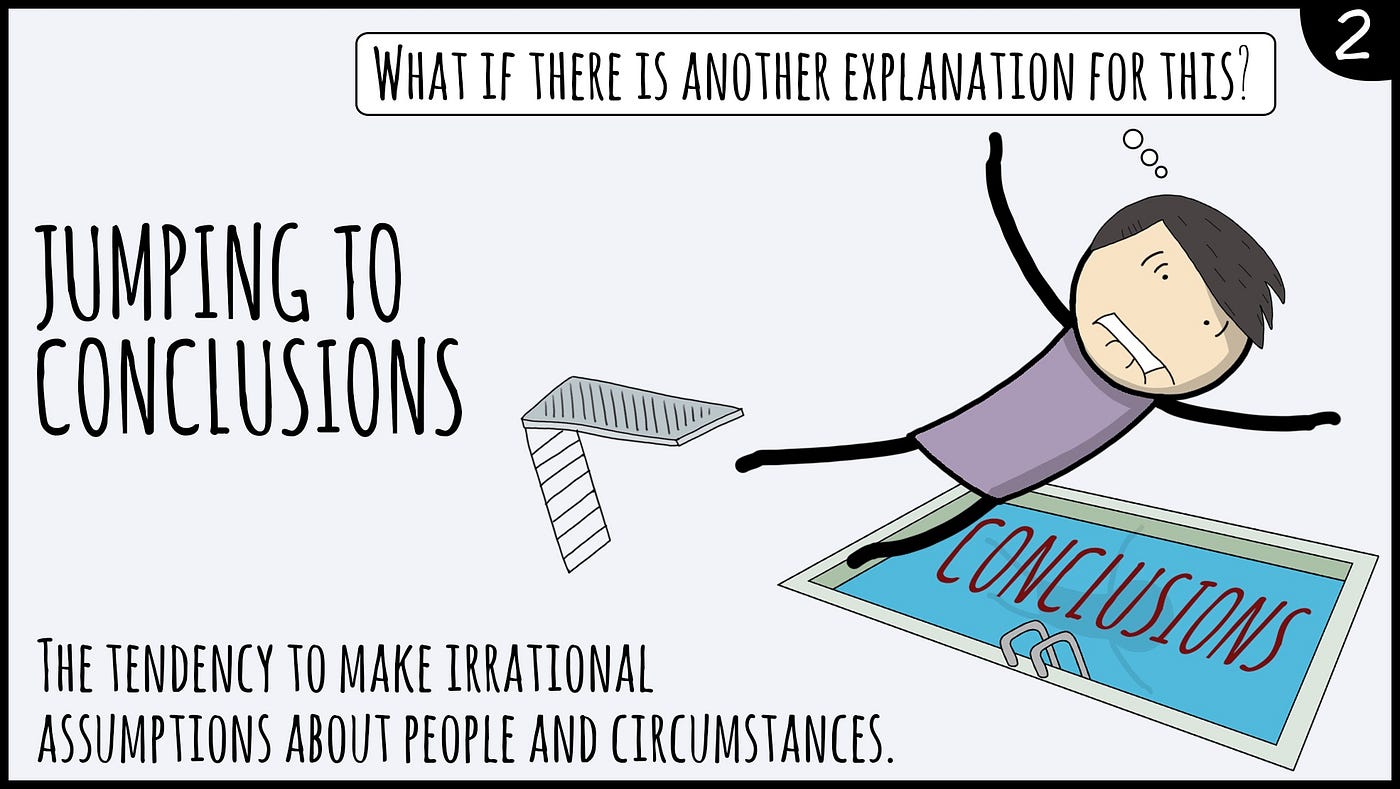
The FATHER of this family is jumping to conclusions.
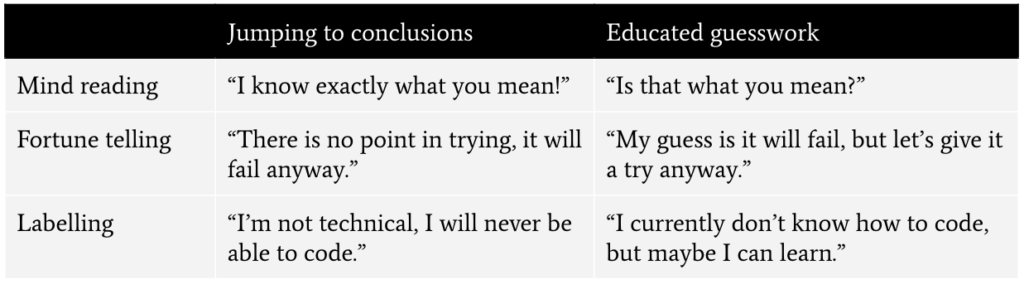
In psychology, this distortion branches out into three categories: 1. Mind-reading 2. Fortune-telling 3. Labeling.
So…what does each one pertain? Why do we engage in these negative ways of thinking? Most importantly,how do we catch ourselves in the midst of it so we can begin to stop it?
Here is your one-step stop for nipping these types of unhelpful patterns of thinking in the bud.
Mind-Reading
The first mutation branching off the “jumping conclusions” band wagon is “mind-reading”.
So mind-reading– What is it? When does it become unhealthy?
I think it’s really important to get the crisp, curt definition of the phenomenon.
In general, “mind-reading” refers to the super-human ability to discern the thoughts of each other without the normal means of communication, especially by means of a preternatural power.
In psychology, “mind-reading” falls into a subcategory of one of the most common cognitive distortions; its corresponding parent category is “jumping to conclusions.”
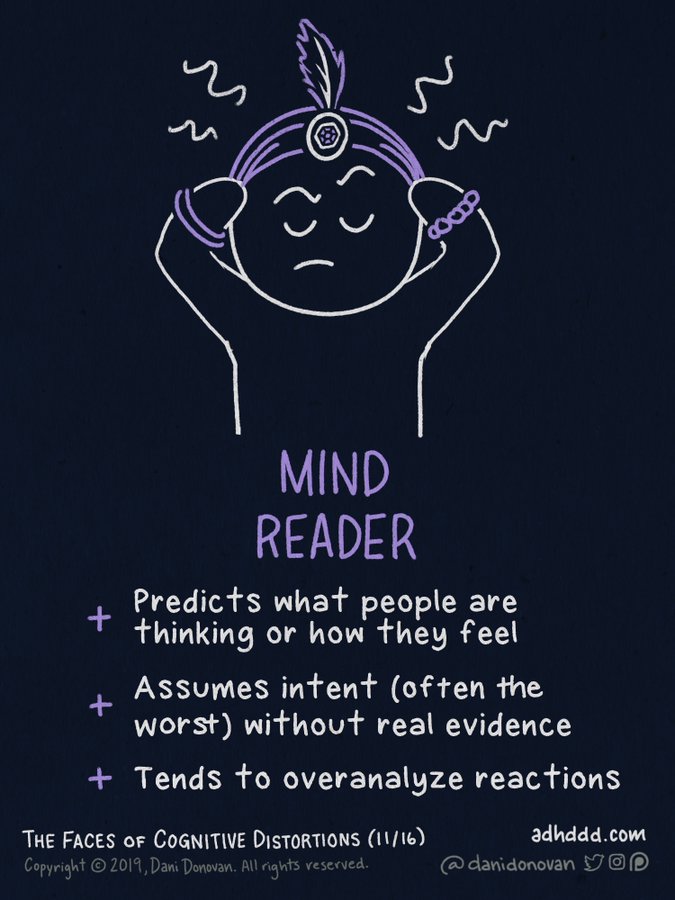
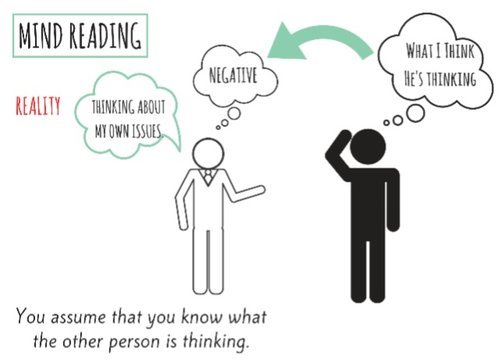
Mind-reading is a misnomer given to the cognitive error that occurs when we try to predict what someone else is feeling based on our own assessments of the situation alone.
Just in case you were curious, the conclusions we arrive to through mind-reading are usually WRONG.
When we are engaged in mind-reading, we do not take time to consider others’ unique thoughts and life experiences, and we become increasingly and incorrectly stuck in our limited lens of thinking.
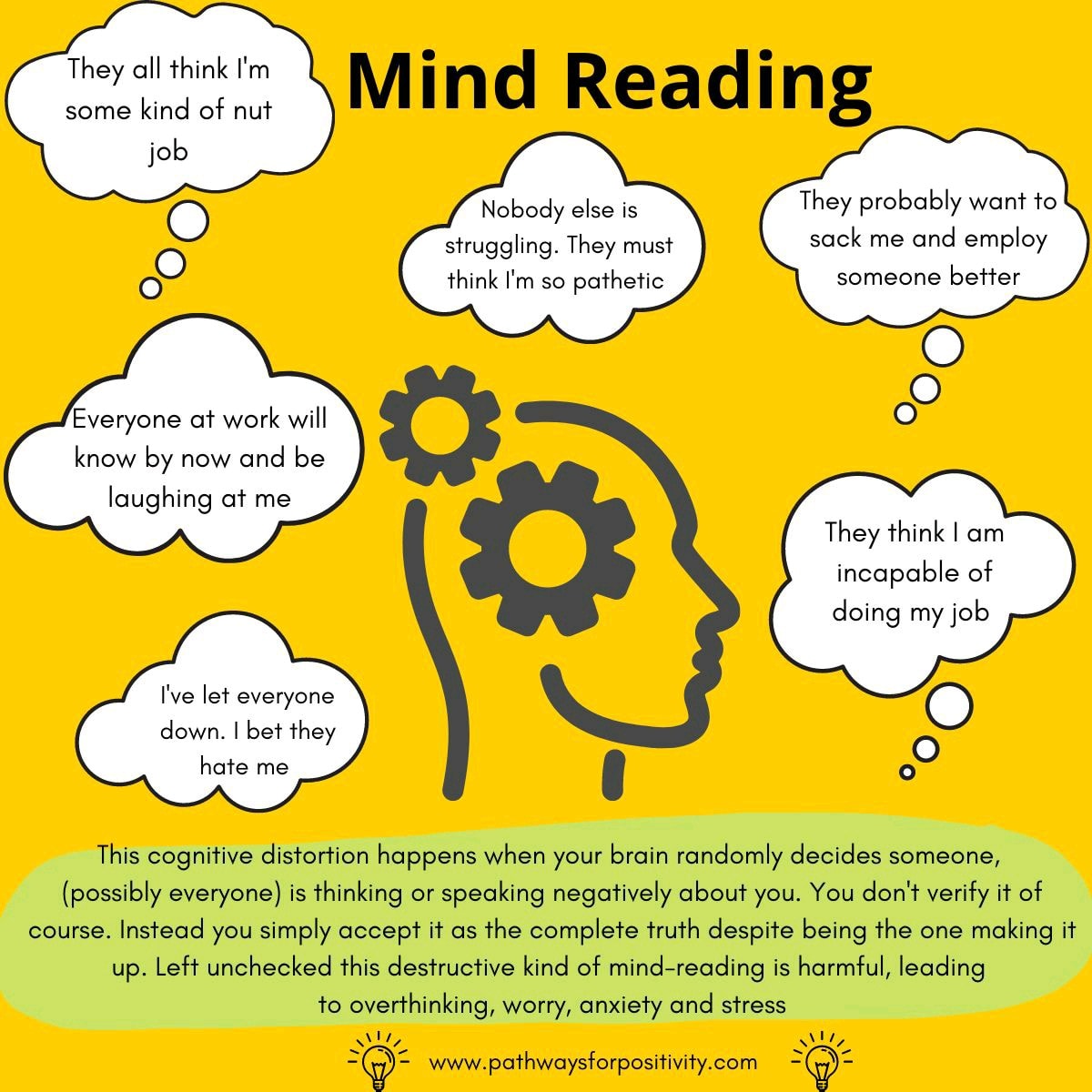
Some examples of “mind reading” look like:
As you can see, those are some lofty assumptions about reality. Another poignant observation is that each thought bubble shares the same faulty pattern of thinking. Each of these situations involves a person incorrectly assuming something to be true for another person. The problem with this type of thinking is that we are usually projecting what we feel onto others. We usually do not take time to check our facts, and consult with the other person/people in situation to see if our “read” on the situation may been skewed.
The truth of the matter is NO psychologically sound person is capable of “mind-reading.” It simply does not exist. In fact, if someone were to tell me that they knew, without a reasonable doubt, that another person was feeling a certain way, I may have to recommend them more intensive psychiatric help.
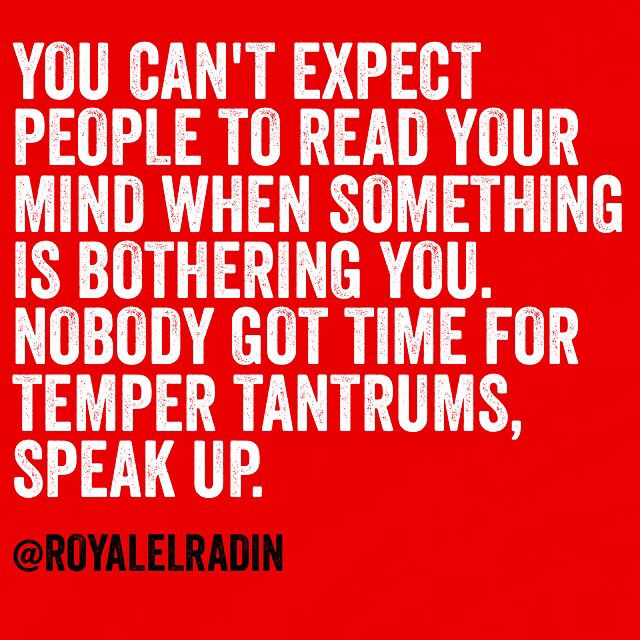
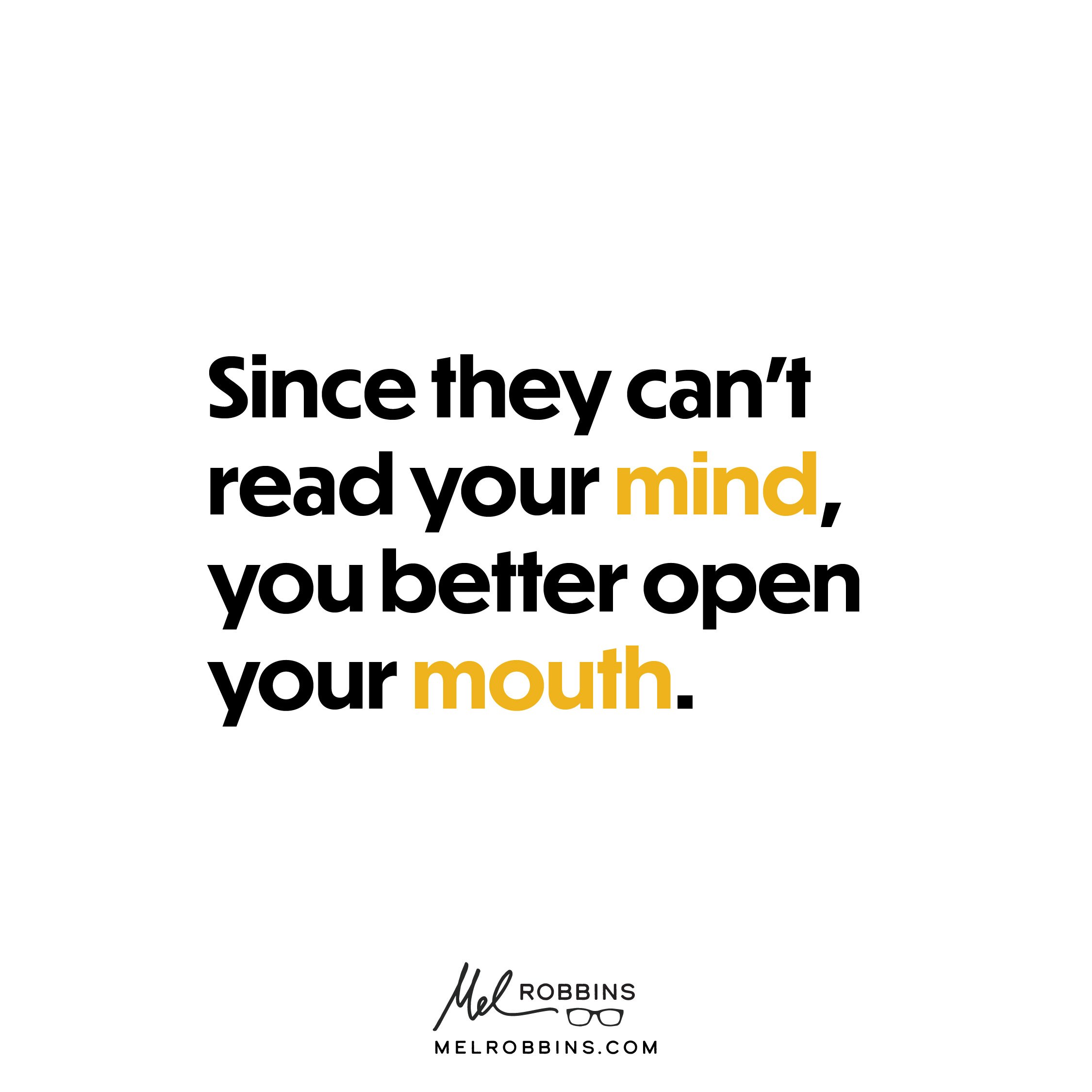
Believing that we know what others need, want, and think without communication is a delusion. We do not truly know what another wants or needs are unless there is an appropriate exchange of questions and answers.
That is why some of the most helpful skills therapists try to coach their clients are in regards to communication. We must questions for clarifying because, who knew? We are not always right.
By asking others how they feel, or what they want, we allow them to exercise their birthright of autonomy. When we ask questions, we create space for others to clarify their desires, thoughts, and actions.
I find myself commonly engaging in mind-reading around people in my immediate circle. It is only natural to study, observe and gather nonverbal data on those that we spend the most amount of time with.
The problem with this natural predilection is that our mind cannot stop doing it. So much so that, it sometimes does its job too well. It will arduously collect information, day in and day out. Now, the brain is not to blame. It is only doing what it was created to do. The primitive brain is often trying to categorize only in an attempt to simplify complex human realities. As a result, we may jump to conclusions, polarized thinking, overgeneralization and other patterns of erroneous thinking.
An Example of how F*CKED up it can get FAST
We have all experienced being the friend/coworker/partner who finds themselves thinking: “Oh no! ______ hates me. I’m just sure of it!” (of course we are)
This type of charged thought usually infects our brains long and before we know it, the parasite has taken over our secondary thinking. All of a sudden we are dealing with a cascade of negative feedback.
Quickly after suggesting the notion of someone not liking us to the brain, we begin to subconsciously “collect evidence” to support that same incorrect belief.
For example, if that person looks up and frowns, we are more likely to assume that it is because of their loathing towards us rather than a completely unrelated cause.
As more and more time goes on, the narrative in our heads thickens until we start to notice every single sigh, eye roll, and sarcastic remark and internalize it towards us.
We become so zoomed in; in this highly charged state, we become acutely aware of the slightest changes in the other’s body posture. Our panicked brains’ engulf themselves in rapidly computing every nonverbal cue to become negatively-connotated; we are trying collect all the (already-biased) information so that we may somehow arrive at the “logical” conclusion. At least, that is what the brain will have us “believe.” The truth is exactly what I stated above–we cannot ignore our own inherent bias about the situation.
The way our brains are wired is literally to search specifically for proof that validates the ideas we already believe to be true. We think we may be neutral, but at best, through psychoeducation and self-awareness, we can become mindful of the preexistence of these unique, acquired biases and shortcomings we have.
Next week, we will be delving into an equally insidious twin sister of mind-reading, who seemed to have gotten her dysfunctionality gene from their shared father–jumping to conclusions.
But before, let me not abandon you without suggestions for how to survive the tendency to mind-read.
Tip #1- Reflect and Retrain
The most wonderful and liberating thing about realizing that we are, most likely, wrong….is that we also possess the power to re-equilibrate our thinking to align more closely with reality.
I want you to ask yourself the following question
Why do I assume that people will treat or talk about me in a bad way?
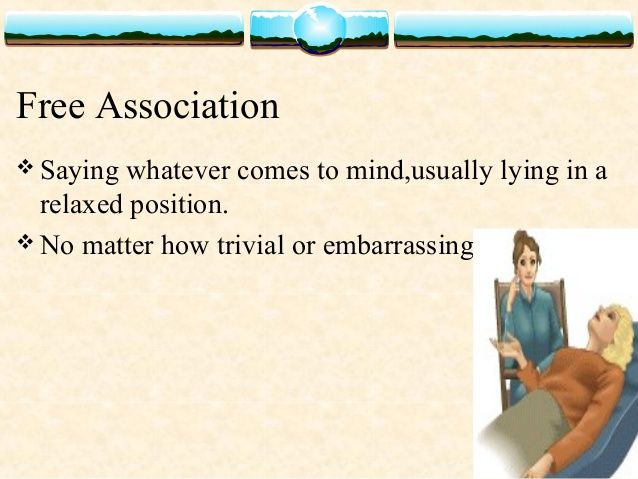
Please write down at least 10 reasons why you believe that to be the case. The best way to approach this exercise is to a) don’t judge yourself too much for believing it because we all do. We all seem to think that the world is preoccupied with us, to some extent. I want you to try to “free-associate” when jotting down the answers to the aforementioned question.
What does free-association mean?
That means, it does not matter how ridiculous, narcissistic, self-absorbed, negative or absolutely ludicrous your brain’s responses are to that question. I want you to just jot them down, without thinking (well…while minimally thinking). The point is to gather your automatic thoughts so that we can focalize on the underlying belief that may be driving you to think that you are indeed, the center of the world, and the reincarnation of the antichrist.
Tip #2- Observe Your Reaction During Mind-Reading
Mind-reading causes negative symptoms in your body and accelerates the fear which already exists. The reason we ALL begin to mind-read is because some external trigger has literally inflamed a pre-existing insecurity we had long before someone else ever rolled their eyes around us.
If you get anything out of this post—or anything out of the series of posts about cognitive distortions–please let it be this: WE MIND-READ BECAUSE OF WHAT WE BELIEVE ABOUT OURSELVES. It happens because someone or something else has triggered something that already PRE-EXISTED (usually long before) the irritant manifested itself.
As a result, our bodies start to give these tell-tale signs that we often ignore because we jump to conclusions and become extremely preoccupied with protecting ourselves. It is so vital to slow ourselves in the moment to observe these bodily sensations and cues because they can be of utmost help in recognizing our tipping off balance.
For example, fear of inadequacy is a phobia that often triggers me to mind-read. Due to my life experiences, and my own interpretations of them at the time, I have a very hard time controlling my reactions and thinking when I even SUSPECT that someone has “figured me out.” The following is an example of how my brain works:
– Insert external trigger: an eye roll or sigh or someone not saying hi to me.
Omg! ______ saw me and ignored me. What did I do? Is it because I didn’t say hi to her? Did I look mean? Did she overhear her me saying something negative about her? Should I apologize? I’m such a failure! I knew it. Everyone in my life was right (overgeneralization). I have been figured it out. God damn it! I try so hard to perfect this “facade” of having it all together and I knew it was just a matter of time. They’ve all figured it out. She’s probably told everyone else that I’m just a big old imposter. A wannabe. A loser. Someone who tries so hard just to “help” others because they just want to feel good about themselves. And you know why? Because I suck. I suck. and I KNOW I SUCK (emotional reasoning) and there is no way for me to hide it. It will always come out in time….etc.
The above was an example of free-association. Do you see how fast my thoughts spiraled?
Now, what is likely is that before I stepped into the quicksand of my dendrites firing away, there were probably tons of sensory cues that warned me that my brain was about to go down this path.
I know I must have felt that “heart drop” feeling. I don’t know how else to describe it, however, I know I ALWAYS tend to feel it when I feel rejected, humiliated, or fearful. It’s that pang in the heart. I might:
Start flushing red
Feel my body temperature rise
Start shaking
Show patterns of uneven breathing
Tighten up my shoulders due to tension
Begin to feel my stomach churn due to feeling uncomfortable.
Feel like I need to puke
Become clammy
Start furrowing my brows in worry
Feel “frozen” in time
Feel my heart beating faster.
There are so many different ways that our body tries to catch up to our mind. Even though each one of our “tell-tales” may be unique and different, I promise you that they exist. We all must work towards becoming aware of them so that we can not fall down the rabbit hole I just described above.
Tip #3- Ask questions
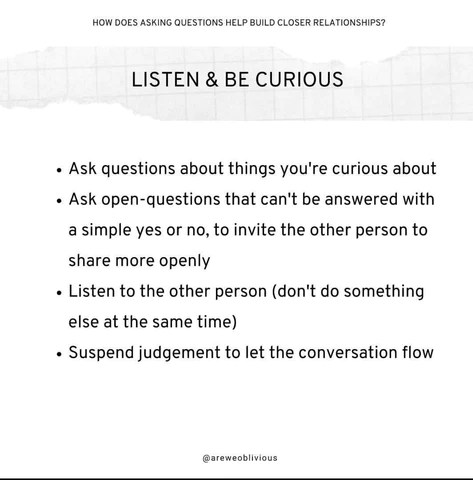
This is the simplest and most efficient way to nip mind-reading and other cognitive distortions in the bud. It is also one of the most difficult ones, in terms of mustering up enough bravery to ask something we may not want to hear the response to. I have had to train myself, and even come up with “scripts” when I’m not heated, that I can use in the moment to help clarify what I’m thinking. Some include:
“Hey, this might just be me, but I feel like there is a shift in energy in the room/between us (etc). Did I do something to offend you or upset you?”
“Are you upset with me, or is it just me?”
Bonus tip: ADD HUMOR– “You know my tendency to think everything is about me…so I saw you sigh earlier, and automatically jumped to the conclusion that it was indeed because of me. Now, I know I’m probably overthinking this, but I wanted to clarify and give you the opportunity to remind me that I’m just not that important.” this one gets a lot of laughs.
“I keep feeling like something is off with us. Am I wrong?”
“Hey, are you okay?”
Asking questions allows us to tell on ourselves, and allow others the autonomy to express their own feelings. Furthermore, it opens up the door for us to become of service to those around us if there is something unrelated bothering them. Checking in with others and being transparent about our own tendencies to catastrophize can also help them find us more relatable and feel comfortable enough to talk to us if there is something wrong in the future.
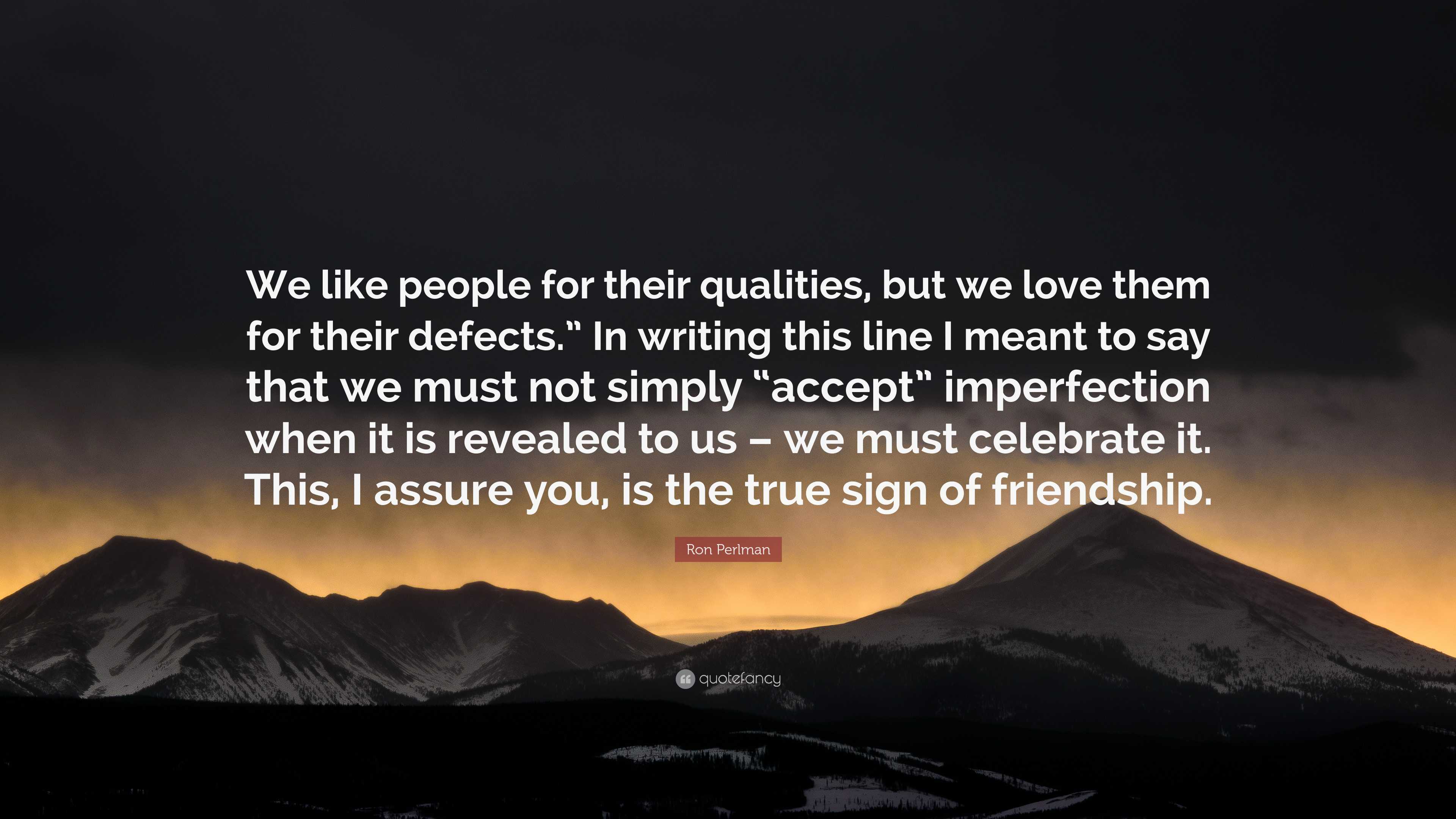
Please re-read this as many times as you need: “we LIKE people for their qualities, but we end up falling in LOVE with them for (admitting) their defects”.
Hi beautiful beings! ❤ It’s so wonderful writing to you again 🙂 Eeep. I love you!
Okay, So! I am so flipping excited about this blog series because it is near and dear to my heart! If you haven’t figured it out already, I LOVE CARDIO!!!!!! I’m not kidding, “the runners high” is a real thing. It’s the closest thing I get to meditation 🙂 If you are wanting to get into cardiovascular exercise, this extended blog post is going to be your best friend! I have twenty-two total tips for ways to enhance cardiovascular endurance, so…without further adieu, here are the first eleven 🙂
1. No stretching before working out: Contrary to popular belief, I recommend that you do not stretch before you embark on your endurance endeavor. Eee! You see what I did there? I used lots of words that started with an “e.” Yay for alliteration. Okay. So little things amuse me. Prior studies have shown that acute static stretching impairs muscle force and torque. In simpler terms, this means that that muscle strength is decreased when it is lengthened. Notice how they said static stretching.
Dynamic stretching- means movement stretching (like taking a walk before you’re going on a run) or warming up slowly on a bike before you’re about to go finish a spin class.
Static: the traditional type of stretching “ex: sit and reach”
Thank God for such a thing as muscle memory! The term refers to a common phenomenon in which various muscle-related tasks seem to become easier to perform after previous practice. When you train in a specific way for elongated periods of time, your body will adapt to the stress so that the task is easier to perform next time. There is some consensus among the runners I’ve spoken to in that some amount of “tightness” in muscles is actually beneficial. Retained tightness is necessary for proper alignment. With that being said, trust your body. If you want to reduce the risk of injury, I do highly recommend dynamic stretching.
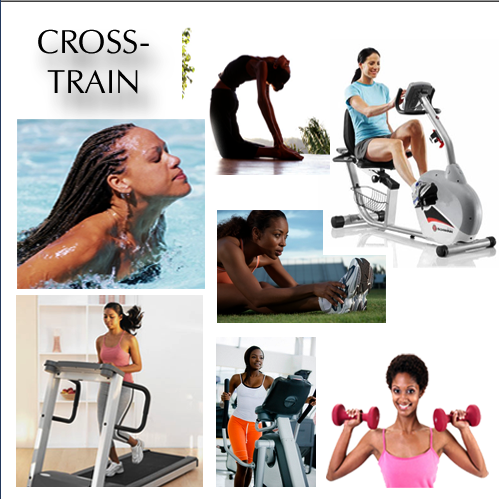
2. Cross-training! I cannot emphasize this enough especially for beginners! When we, as impatient human beings, want to do something, we want to go all into it. But that’s a sure way to disaster. Seriously, I’ve experienced this myself so many times. I call myself an “endurance athlete” and not exclusively a “runner” because I train in several different ways to enhance my cardiovascular strength. I swim; I do elliptical training; I take spin classes; I do plyometric movements and I also run. Cross-training not only reduces the risk of injury and over-training but it also allows us to diversify training. Through cross-training, we are able to work out different various muscle groups so that we remain beautifully symmetrical and proportionate.
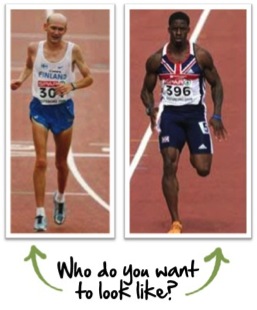
I think both bodies, and all bodies are beautiful. It really is up to personal preference.
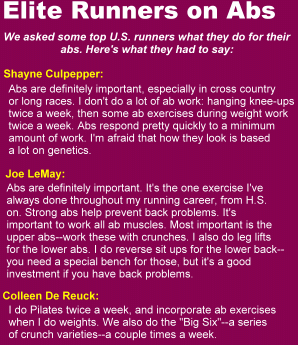
3. So this one is going to be a little controversial: I would advise NOT to “bodybuild” or strength-train areas you don’t need excess mass on. The reason for this is that when you’re running longer periods of time, you don’t need excess mass to slow you down. The lesser the mass, the lesser the impact of the surface on your joints, J as an endurance athlete, I find that the only muscle groups I really NEED strength in are my legs and abdominal/back muscles. I don’t like strength training my legs because I find that my cardiovascular exercise already provides them with adequate tone. I do strength train my abdominals/back muscles to help with balance and alignment throughout the exercise.
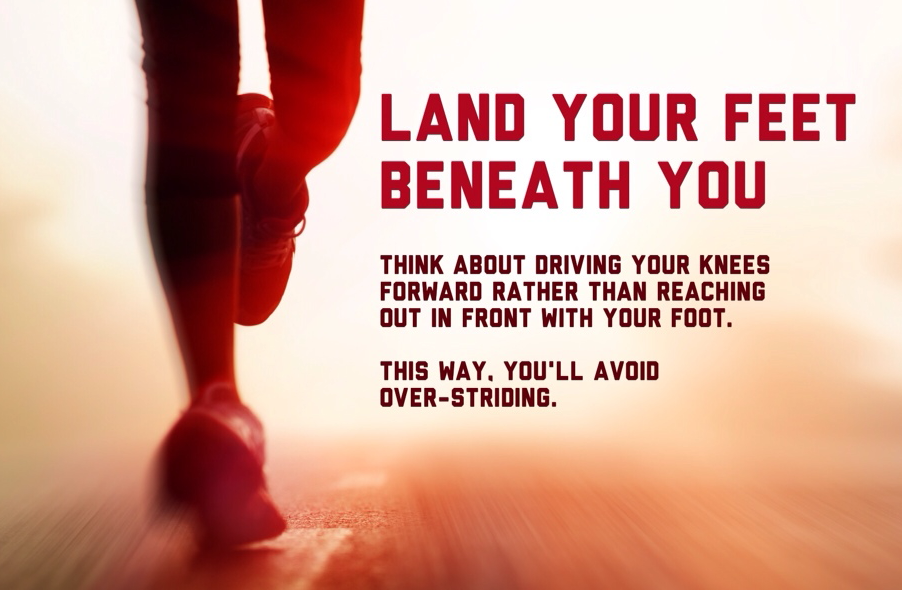
4. Shorten your stride! Research From Dr. Bryan Heiderscheit of the University of Wisconsin (and others) demonstrates that a shorter, quicker stride reduces impact on knees and hips. This is greatly beneficial especially if you’re wanting to do long-duration endurance work. There is a tip I’d like to share with you: when you’re landing, try to put your foot down BEHIND you. Of course, this is not actually what’s going to happen, but it will help make you conscious of shortening your stride as much as possible.
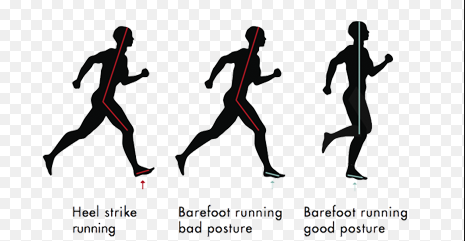
5. STAY AS ERECT AS POSSIBLE. Do you think you’re standing AS tall as possible? Good. Now, stand even taller! Seriously. This is one tip that I think can apply to EVERYONE. It is so important!!!! Probably the most important one that I have to offer. If you are on the elliptical, or if you are running, STAND as TALL as possible. You should be able to draw a straight line throughout your body. Here’s my tips for ensuring that your posture is correct:
Your shoulders should be relaxed, slightly pushing down away from your head. Chest should be expanded and raised (think proud Tarzan!) Your abs should be contracted and almost pushing your ribcage UP so that the weight of your upper body is being supported by the back/abdominal muscles instead of the legs, which are already doing their share of work!
6. Arms and legs should be loose and as relaxed as possible! “So my abs are supposed to be completely tight, but my legs are supposed to be loose?” Yes. I won’t lie. This is going to feel super awkward at first. But, I promise with time, you will get better at “isolating” certain muscle groups. This will help you contract/relax different parts of your muscle groups more easily.
7. Run on an even surface. There is a reason that treadmills and running track were created the way they are! They provide an extra “bounciness” so that the overall surface impact on the knees and joints decreases. This is exactly what we need if we want to run longer periods of time!
8. Do have a speed day! This is commonly known as HIIT training. HIIT training will help strengthen the major muscle groups in the lower body. It also burns a ton of calories and adds variety to the fitness regimen
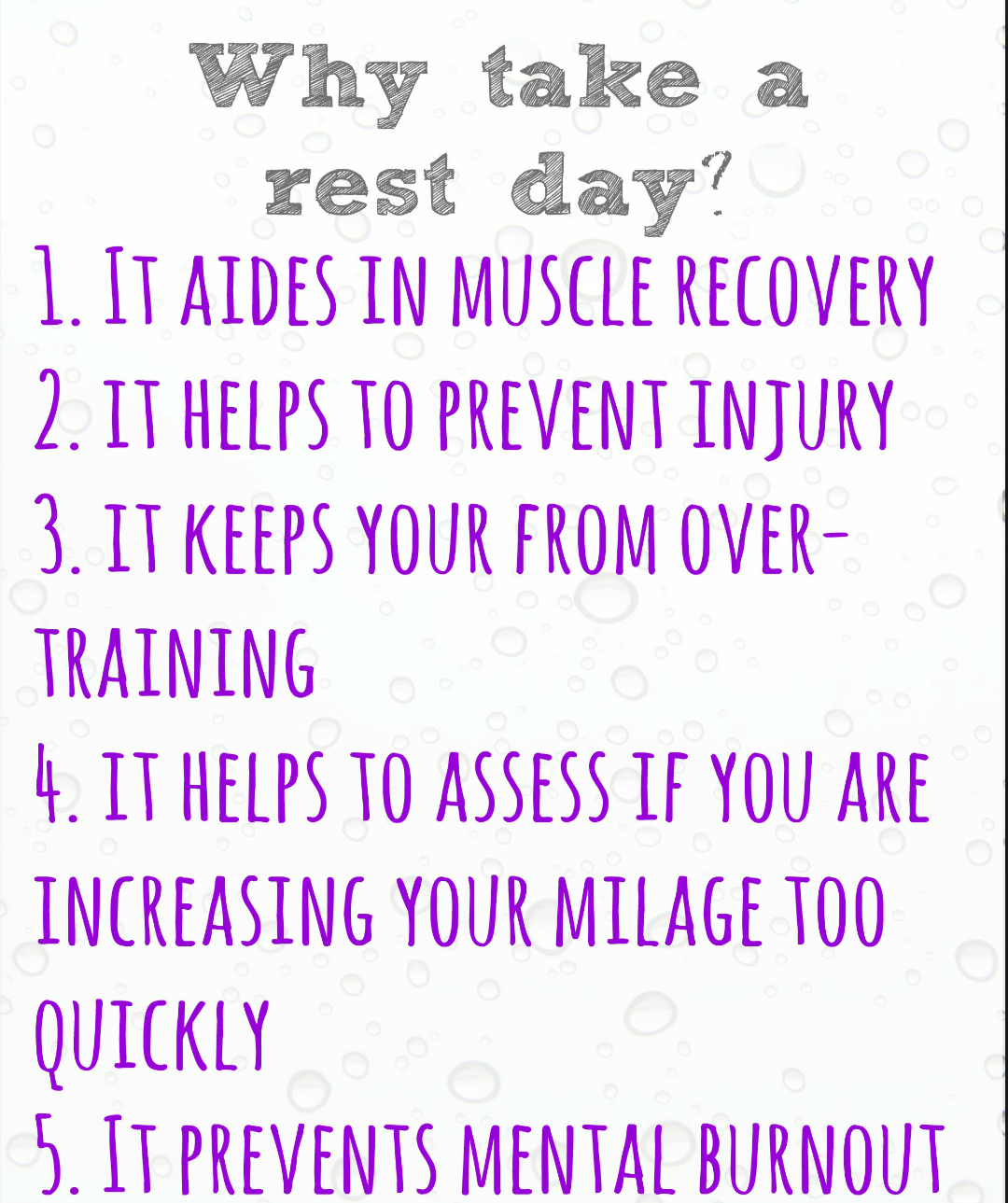
9. Do have ONE day of full rest (not active rest). Please take a day off from endurance training altogether. I promise; it helps out so much!!!! When you’re doing endurance work, rest is essential to recovery and prevention of burnout.
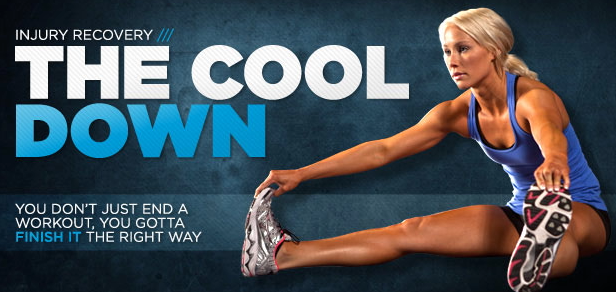
10. Have yourself a cool-down. No! Cool-down does not equal stretching. I take at least 5-10 minutes to cool down. When you are working out and have your heartrate elevated, your blood vessels are dilated, and your heart is pumping blood rapidly. Having an adequate cool down allows your body to return to a state of homeostasis or balance. This will ensure that you don’t get that weird jittery/ “I’m going to pass out” feeling after working out. 🙂
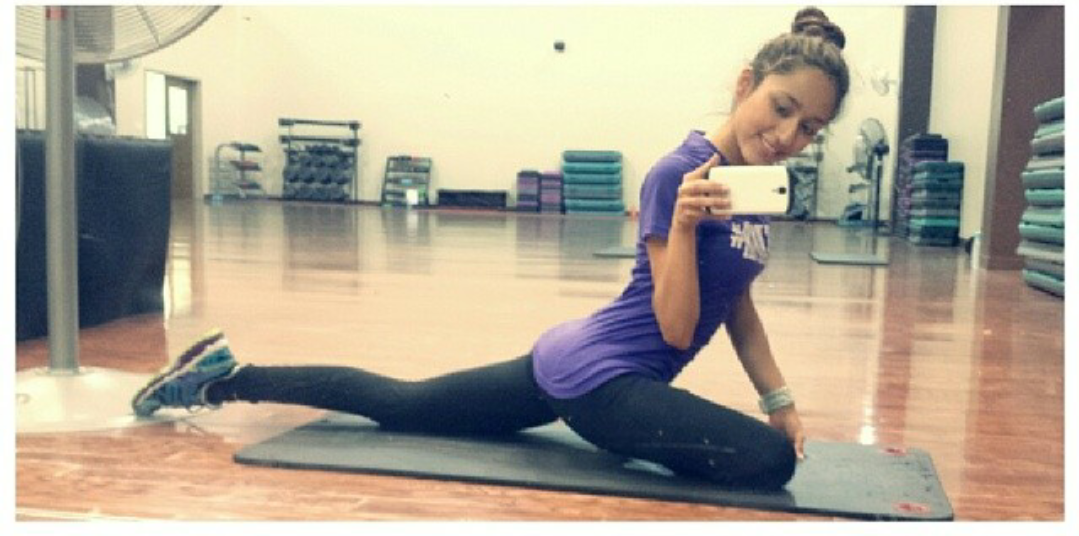
11. Avoid (or USE caution with) hip openers and pigeon poses in yoga: Like I mentioned before, there is an element of tightness that is necessary for hip/body alignment when it comes to endurance work (especially running/and elliptical training). Be very careful in hip opening poses because we don’t want to get “too open” or “too loose” to wear we will be at a greater risk for injury the next time we run!
I hope these were somewhat helpful to you! And, I hope that you know how loved and cared for you are 🙂
And don’t forget, tips 12-22 will be coming soon in Part II: Tips for Endurance Athletes ❤
It’s been quite some time since I last wrote. I was originally going to tell ya’ll that I was just busy with school, and managing other assorted “grown-up” responsibilities. Doesn’t that sound like an understandable reason? Why, yes of course, it does! We’re all busy people. But I can’t honestly say that to you all.
So, why haven’t I really written?
Because, recently, I’ve been in shame.
There’s no nicer way to put it. It is so vital to call this demon for what it is. In the spirit of true honesty, let me just say that even typing the word “shame” made me cringe a little.
I haven’t written because I haven’t felt worthy enough to write. In addition to feeling low about my appearance, I’ve been having doubts about my character, and whether or not I am good enough. Yes, I know its normal. I KNOW that everyone goes through periods of low self-esteem and spiraling self-worth, however that knowledge doesn’t change the feelings; it, in no way, alleviates the excruciating pain that goes along with the unfortunately familiar belief of “I am not ______ enough.”
I haven’t written because I felt unworthy.
“WHO am I to dish out fitness advice or other sorts of lifestyle inspiration, when I can’t even inspire myself to get out of this low “self-worth” rut?”
Oh, my little devious mind wasn’t done. At it’s worst, it screamed: “You’re a fake, doling out inspiration. You can’t even help your own self, and you want to help other people for a living? What is wrong with you? You’re worthless.”
Mind, I’m going to have to disagree with you.
I am not worthless. I am human.
I am imperfect. Sometimes, I feel great about myself and other times I don’t. Sometimes, I love the way I look; other times, I can’t get any more hideous. I can be a very capable and helpful person, but there are also times that I have to ask for help. In terms of this blog, there are periods of time when I’m bursting with inspiration, and other times the biggest miracle can’t seem to inspire me.
And that is okay.
But it certainly doesn’t FEEL okay.
And I think that’s okay too. Feelings don’t always have to be delightful; sometimes, they are downright heartwrenching and overwhelming. Ah. The “great” human experience!
Going through phases like this makes me realize that somewhere along my journey on this earth, I, inaccurately, equated “lovable” with being “perfect.” I don’t know why. I don’t know when. But I do know that this is something I struggle with.
Am I going to be loved, accepted, esteemed, and good enough if I don’t have it “all together?” Am I worthy of love even when I’m a raging lunatic, a mourning miser, or ungrateful narcissist? Am I lovable at my worst?
I think so. But, I don’t feel so. And hence, the incongruency arises within my contradicting human experience.
As I was (and still am) climbing out of the valley of shame, I got to asking myself if the defeating beliefs I have about my own worth apply to my beliefs about the worth of others. Would I be incapable of seeing worth in another human being if she/he was “confused” “ugly” “fat” “dumb” (all the loving characteristics we, so often, associate with ourselves)?
“NOOOOOOOOOOOOO!” bellows a loud voice inside of me. I believe people are worthy because they ARE, not because of who they could be. There is nothing you or anyone could do (or NOT do) that would make me stop believing that you are worthy. I wholeheartedly and fully believe that you have been worthy since the day you were born—forget that! You’ve been worthy since BEFORE you were born.
Why doesn’t this apply to me?
Because I’m the antichrist. Right?
I am the abomination—the isolated black sheep. The universal laws of “worth” don’t apply to me. Hell, I must be an alien. I’m not even sure how the laws of gravity work on me!
Other people can afford to be “fat” or “ugly”, have acne, not get all A’s etc. Other people can afford to NOT have it all together. Why? Because they are actually GOOD ENOUGH on the inside.
What’s inside of me? It must be a morbid black hole that sucks out all happiness, joy, love, rainbows, puppies, and mermaids. God forbid I feel “fat” or “ugly” or ugh—even worse–fail a test. I, simply, cannot afford that, because there is absolutely nothing to make up for it on the “inside.” I am “worthless” on the inside. As a result , I have to micromanage the outside because that is the ONLY WAY I may have a SHOT at being loved, accepted, and nurtured.
So I may (or may not have) exaggerated a little bit. Though we may KNOW that the preceding things are not true, the feelings we have about ourselves certainly don’t match up! And it’s downright FRUSTRATING.
All hyperboles aside, what is the truth? What is the reality?
The truth is that I am not an alien. Neither are you.
However, shame can be extremely ALIENating. If we listen to our shouting “shame voice”, we are likely to HIDE away. We go into isolation– trying to pick, prod, calculate, measure our flaws, in an attempt to “fix” them before we start interacting with others. That’s the only way we will ever be accepted, right?
Wrong.
–Sigh-
Secrecy and hiding are the birthparents of shame. Sure, we may be accepted when we’ve temporarily “concealed” whatever it is we are ashamed of. But, chances are that we will be more WHOLLY and TRULY accepted if weshared our shame with one another. We are all invested in hiding our flaws—our perceived weaknesses. Some of us are more invested than others, but we are all in the SHAME boat.
And that shame boat is going to SINK because of all the “secret” shame that is piled up on it. You may feel ashamed for different reasons than me, but I can PROMISE you that we both feel crippled when the feeling of “not good enough” strikes yet again.
Let’s take away shame’s power. If we take away secrecy, shame cannot thrive. We all need to start TALKING about it; that is the only way we can stay afloat.
So here I am, taking the first step to let all of you in. I don’t have it “all together”. I am exposed and vulnerable to the core when I say this: I HAVE BEEN GOING THROUGH A REALLY SH*T PERIOD OF SELF WORTH. And I am just now, SLOWLY, starting to climb out of it.
I haven’t been too fond of myself lately—not the way I look, not the way I am, not the way I do things.
But after sharing this with all of you, I feel more okay. I feel okay with not feeling okay. I feel okay with being imperfect, and most of all, I feel okay with being a fallible little human.
Ever walked into the middle of a movie—no clue as to what was happening prior to you seeing it. Why is that guy trying to kill the other one? Who is she, and why is she carrying a baby alligator around? Huh?
Our very existence is like watching a movie from the middle. We woke up in this world one day, with no recollection of where we were before—no recollection of where we came from, how we got here, and why we’re here.
If we’re lucky, we awoke to two “somewhat functioning” adults holding us, and helping us. And perhaps along the way, they decided to bring some other equally confused little aliens into this world. We begin to call these people “family.” Who are they? And why does it seem like they have our whole lives planned before we even can form our first words?
“What am I doing here?” Slowly, we begin to learn how to produce certain sounds that we associate with abstract objects—we call this language. We begin to communicate about things that are happening; in fact, we become so well-versed, that, some of us begin to spin poetic metaphors and literary allusions into masterpieces, which serve to capture the essence of this confounding life. These will be known as our greatest writers.
However, no matter how many literary tactics we employ to mystify and obscure the concept of human existence, we cannot, with full certainty, pinpoint the answer to the ultimate question: why are we here?
Some of us decide to gain some certainty through pulling on teachings of age-old religions, and others simply turn to testaments of our own experiences. Regardless of where we find our illusion of “certainty”, the inherent perplexity of human existence remains glaring.
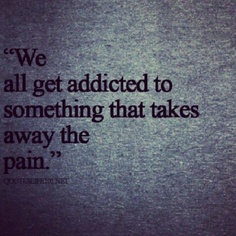
As a therapist-in-training, I have some awareness of the unfortunate prevalence of addictions in our world. Yes there are the evident ones such as alcoholism, eating disorders, substance abuse, and self-harm. But then, there are also those faint addictions—the addictions that tend to get “normalized”, as they are more accepted by society. These are the addictions to other people, the addiction to things, the addiction to abstract concepts such as success and accomplishment.
I would go as far as saying that, to some degree, every single one of us is an addict. Workaholics, workoutaholics, codependents, hoarders, sex addicts, money addicts. We become addicted to our partners, to our children, to “best friends.” That’s not the end of it. Some of us suffer from addictions that are intangible—we become addicted to attaining fame, beauty, success.
Why is human existence marked with coming in and out of different addictions? I truly and wholeheartedly believe that it is because our very existence has been out of control. All the preceding addictions are mechanisms that we use to deal with the lack of control we had in our very own existence. No entity asked for my permission before I was born. I don’t recall me signing a document instating my birth. Out of the millions of choices, why did that specific sperm have to fertilize that specific egg to create ME?
This brings me to the point of this blog: CHOICES.
They are beautiful burdensome trinkets. Regardless of circumstances, everything comes down to choice. They say “10% of what happens to you is life, and 90% is how you choose to deal with it.” I am in complete agreement with that statement. The world could be crumbling outside, but I will possess have a choice in how to react to it. Every single thing comes down to choice. “Not making a choice” is also a choice.
Let me tell you about an interesting experience. 19 years into my life, I realized that I had not yet made the active choice to live. HUH? I had become a passive bystander in my life—just letting life do whatever it wanted. “The greatest choice you will ever make is the one to live. Most people simply just exist.” And that’s exactly what it came down to.
It wasn’t so much that I “gave up” on life, as “giving up”, in itself, is an active choice. It was more like I had, simply, chosen not to choose when it came to matters of my own being. I didn’t wake up and DECIDE to be happy. Instead, I let the day’s events dictate whether or not I would feel happy. It was as if, i was (and still am (to some extent)), a leaf that was just blowing around in the wind—untethered to a stable source. For 19 years, I remained unanchored to the robust, secure tree of personal choice. Circumstances dictated my mood, my self-worth, my ambition, my energy—my life.
For 19 whole years. I didn’t even once affirm “regardless of what this day brings, I choose to act in a manner that increases inner peace and happiness.”
And then, I met my husband.
Needless to say, he found me scattered at my most vulnerable, confused state of being. In a lot ways, I was undergoing an identity crisis. “Which parts of my life are truly “mine”? I questioned “Which parts are the ones that I actually chose?”
I never did find the answers to those questions. I stopped looking for them. Instead, I made the very first choice I consciously remember making.
I chose him. I chose my husband.
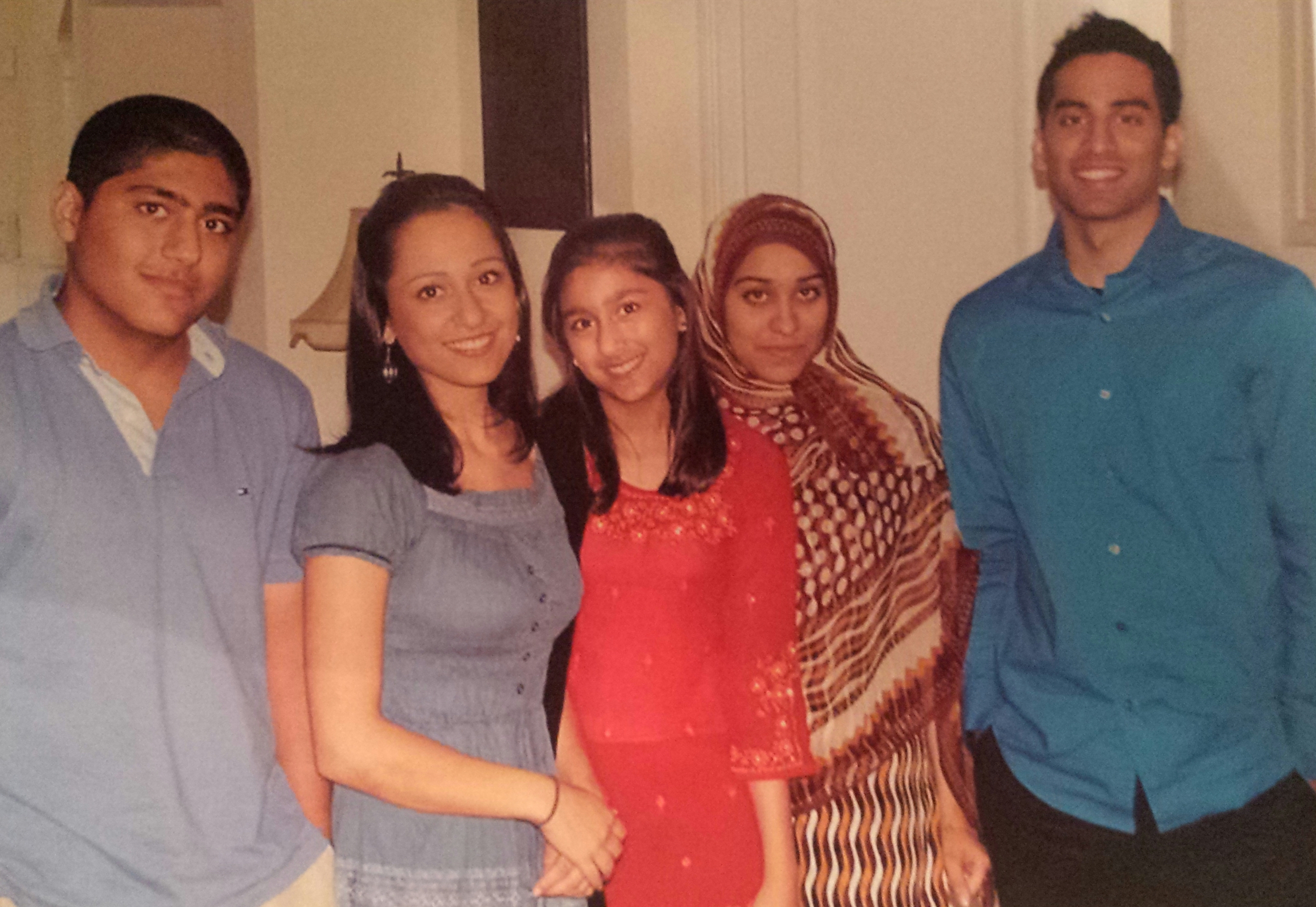
It’s ironic because our marriage was arranged in nature. I remember the day I chose as clearly as if it were yesterday. I remember, sitting in my blue summer dress, on the sidewalk, barefooted. My husband and his family had just left my house, after seeing me for the very first time. I was 19. I was frightened, uncertain, unprepared, shaking.
A picture of me in my blue dress FROM that very day
I liked him. It felt right. I think. Maybe? What if it isn’t right? What if he’s not the one? What if this is going to be the biggest mistake of my life? Oh my goodness, it is isn’t it? I will regret this forever. Don’t do it. Do it. Don’t do it. Do it.
My dashing thoughts were rudely interrupted by the chirping of a bird. Annoyed, I snapped back to glare at him. And there he was–eating some seeds off the middle of the road, completely at ease, unaware of his agitating chirps. In the distance, I heard a car approaching–it came closer. Closer. Closer.
My heart jumped into my throat as I fretted fearfully for the bird’s life. “WHY ISN’T IT FLYING AWAY!? Is it DEAF!?” I winced, as the car came within touching distance of the bird, and boom. There he went. He flew towards the sky. A few moments after the car passed, the bird swiftly returned to the ground and began picking at his seeds, completely at ease–completely unaware that his life had just been in danger.
I exhaled loudly and stared with wonder and perplexity at this seemingly “unintelligent” creature. And, as it’s beady black eyes met mine, a bizarre thought crossed my mind. “What if I’M the unintelligent creature?”
As human beings, we spend all day and night fretting about what could go wrong. We approach every scenario as if it is one of life and death. For some of us, it is. Many of us are truly brought to “life or death” circumstances, in which we’re spared right at the nick of time. However, so few of us ever focus on the fact that we were spared. WE ARE ALIVE. Instead, we stay inside, worried, afraid to ever go back out “on the road” because we are afraid of the next car that will drive by.
I remember laughing at my fearful thoughts regarding the encounter, and I clearly recall looking up to the sun gently setting in the sky. “In this moment, I CHOOSE to be with this man!” I declared assertively, hoping to convince any higher power that may have resided up there.
I wasn’t going to let life happen to me. In that moment, I chose my husband, and in choosing him, I took an oath to doing all that I could do to make it work. I took an oath to not giving up when things got hard, and above all, I took an oath to go into the marriage FEARLESSLY.
This brings us back to the familiar concept of fear. So many of you may question things that I have questioned before Should I even “fight” for my life? Am I worth fighting for? Do I want to take charge of my life? “Um. Maham. Duh. Shut up. OF course.” These may be answers that seem simple and easy on the surface, but how many of us can honestly say “yes” to them in a manner that is as fierce as a racehorse running, full throttle, out of the starting gate?
Oh honey! Courage is not the absence of fear. It is simply the presence of something MORE powerful than fear. So, the horse passionately runs. It does what it would naturally do, no knowledge of what comes next; he courageously gallops out of the gate, no preoccupation with what’s ahead. He does what he loves to do.
My sweet friend, this is about life being ahead of you, and you making the choice to run towards it courageously! Will you do something for me?
I want for you to figure out what you desire—it could be anything, big or small. Figure it out. Verbalize it. Write it out, and declare your intention to the universe, as I did 4 beautiful years ago.
And now, think of the racehorse. There is no going back. You can only move forwards. Just RUN towards what you want fearlessly—no doubts, no preoccupation with what could go wrong, no energy wasted in thinking about “how hard it’s going to be” or “how long its going to take.” Nobody ever accomplished anything by fretting about how “impossible” it was going to be. You’ve done harder things, and the time will pass anyway. Just run. Run towards it, with arms wide open, and a heart brimming with excitement! Get ready to catch your dream, because, the entire universe and it’s cosmos is running back, towards YOU—the world is so excited for you two to finally meet. Your dream is not a separate entity from you. It was yours. It is yours. It has always been yours.
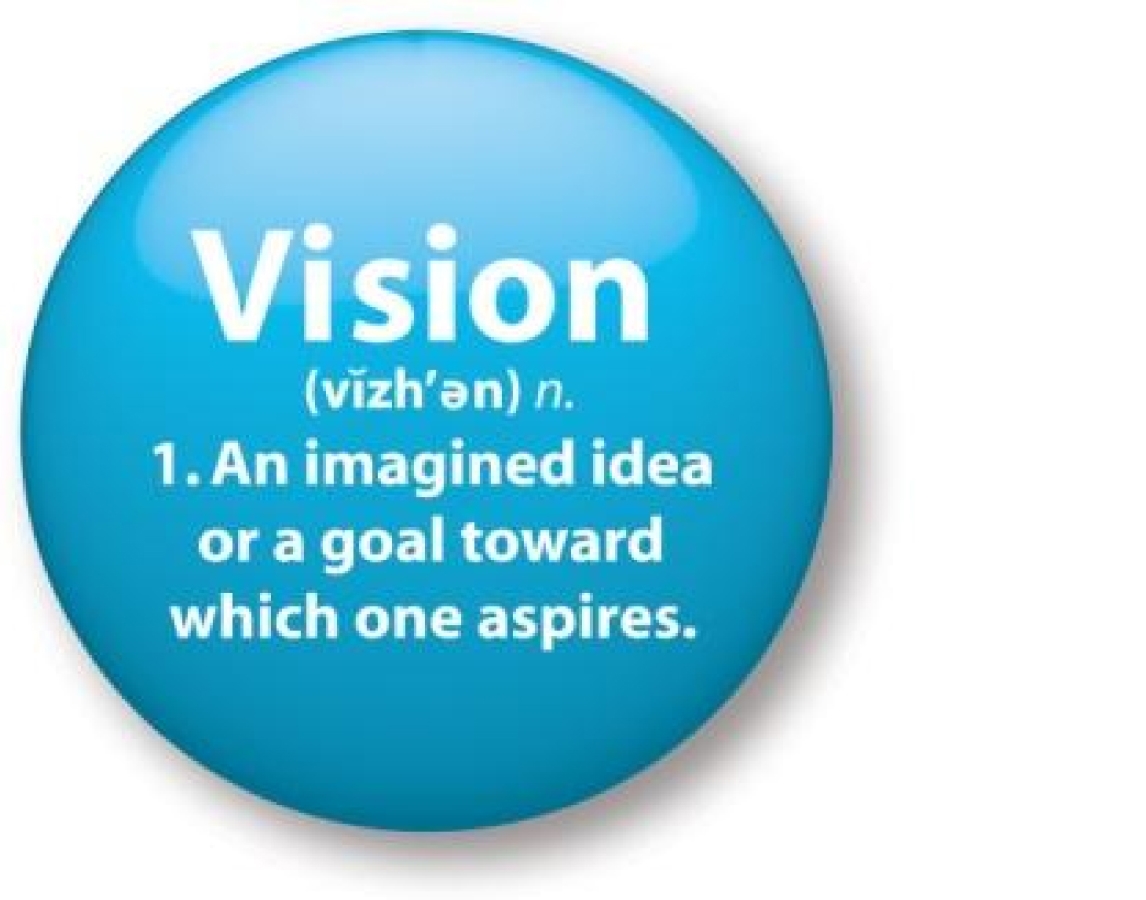
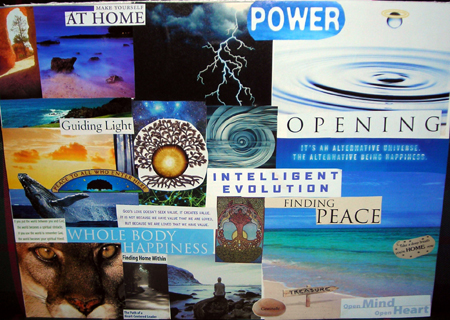
Perfect. So, we’ve got what “vision” means. A vision board is a collage, on which you pin quotes/pictures that remind you of your own vision–of your own goals and ideals that you aspire towards. Optimally, the board should be hung up in a place where you can see it everyday, so that you’re consistently reminded of the extraordinariness that you are destined for. ❤
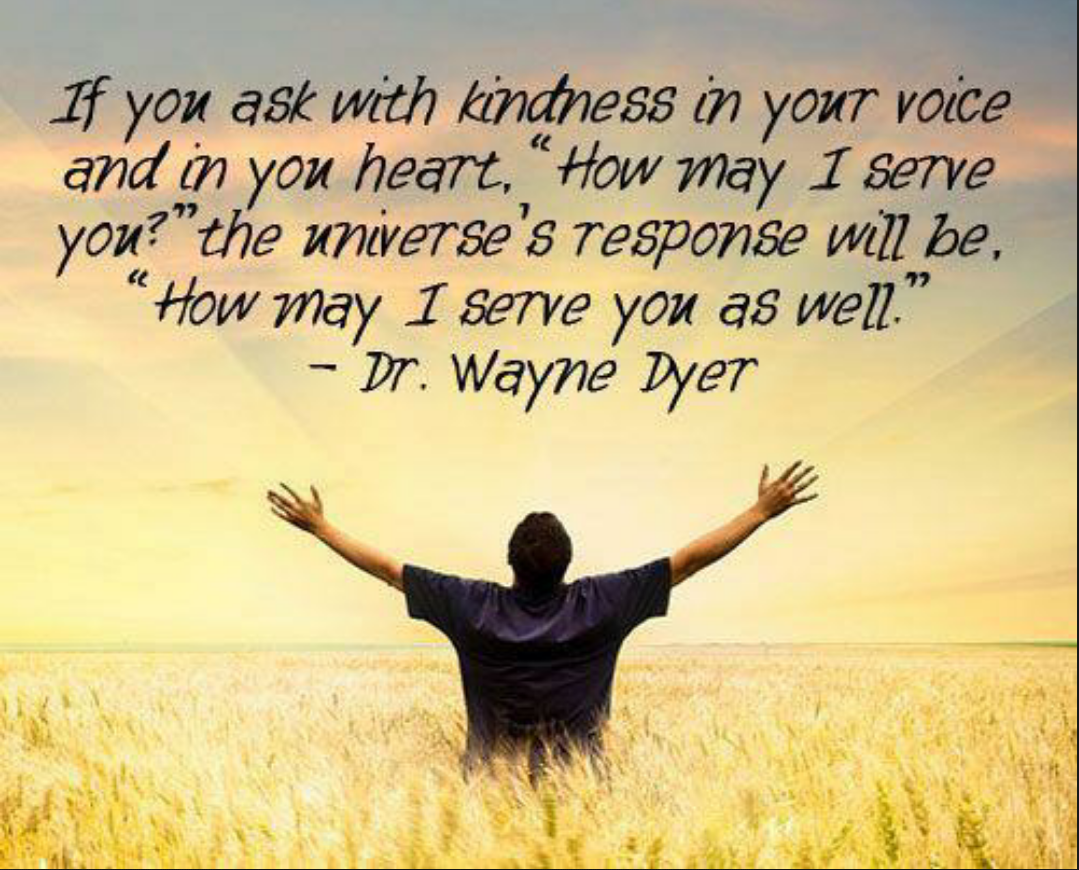
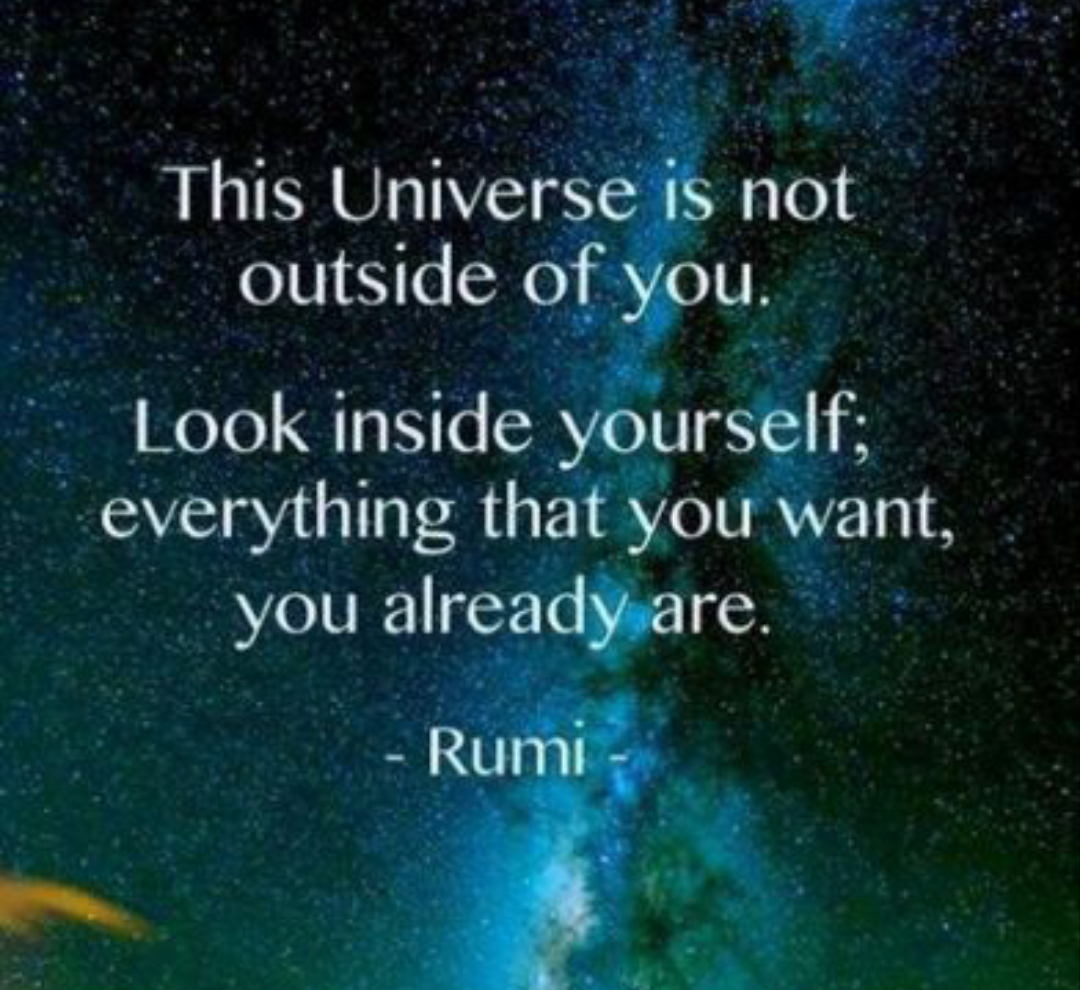
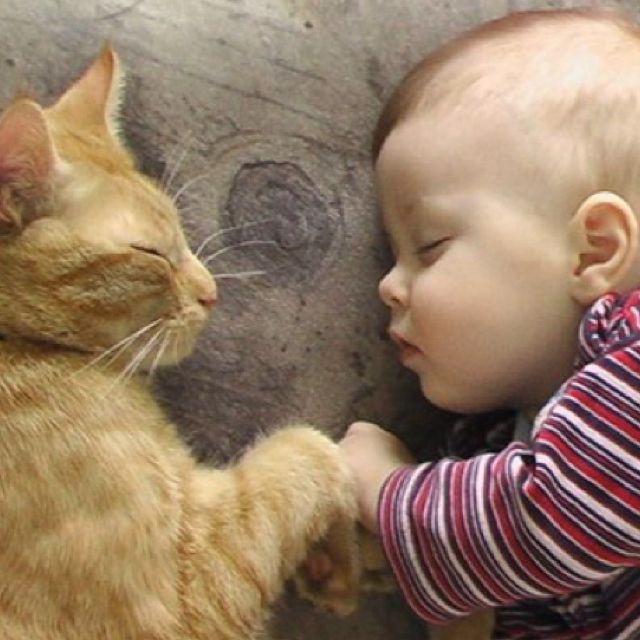
One of my visions is to feel happiness–to live a life that is so beautifully lavished with gifts of joy, gentleness, and love. So, today, I wanted to share some pictures from my “happiness” vision board with all of you 🙂
Yayyy! I’m smiling as I write this because I’m imagining all of you smiling as you read this. Let’s smile together. Okay. Ready. Set. Go. SMILEEEEEEEEEEE!!!!
See how connected we were in that moment? YAY! Before, I share my pictures with you, I wanted to let you know something interesting; when I ventured out to create my board, the only pictures I chose were those that my heart responded to first (prior to any mental registration). I chose pictures that made my heart tingle with absolutely no mental explanation as to why. ❤
❤ go find pictures that make you happy, and look at them every single day!
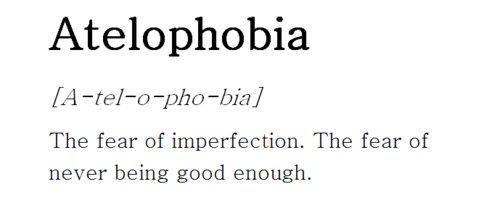
The last few days, I have been feeling plagued by this feeling of not being “enough.” Not a “good enough” daughter, a “good enough” sister, “a good enough” wife, a “good enough” person, a “good enough” athlete. This got me to thinking about where this was coming from. What is going on with me?
Sigh. This again?
Let me begin by speaking about an interesting self-observation. I’ve always loved experimental science. My bachelors degree was in Biology (pre-med route). I loved that it possessed an element of certainty. If I mix these chemicals, in these precisely measured amounts, chances are that I will always attain the same reaction, again and again and again. Always. There is that dreaded word again.
This year, especially, life has been weaving a thread of sub-optimality within me . It has redundantly challenged my “all-or-nothing” cognitive distortions. Repetitively, I have found myself having to wrestle with the “gray areas.” Though unbelievably arduous, the rewards I’ve started to reap are priceless. The presence of “grays” has allowed me to cultivate gentle compassion for the wide array of human paradoxes. To be human is to be in a persisting battle of internal and external contradictions. “I want to be different, but I am so invested in fitting in.” “I want to be able to feel good about myself in any shape, and form, but I MUST be pretty, fit, and barbie-like.” “I want to stand up for myself, but I don’t want to stir up any conflict.” Do you see the double-binds?
One of the closest relationships I’ve had was the epitome of this paradoxical relationship (I’m going to keep them disclosed, for the purposes of this blog). I think that’s where a lot of my fear of not “being good enough” comes from. This relationship had dynamics that were quite odd and contradictory. Love was offered in a very conditional manner. After being exposed to it, I, inaccurately, learned that I must be a certain way, to be loved, to be worthy– to be good enough.
The preceding reason is why I think my struggle with “all or nothing” thinking was exacerbated. I’m was either the best at something, or I didn’t want to try it at all. My school assignments were either 45 pages long, or they were the bare minimum. At it’s very basis, this thought process is reminiscent of the “fight or flight” survival response. If I interpret a situation as a “challenge” I’ll either run towards it fearlessly, prepared to tackle it at any cost. Or…I won’t even try. I’ll give up, retreat, and hide.
And for some reason, retreating, hiding, and being afraid have become synchronized with feelings of shame, and unworthiness. If I am afraid, I am weak. And if I am weak, then I am flawed. And if I am flawed, then I am surely unworthy of love.
It’s reasonable to say that the last few years have forced me to, dare I say, START to accept–actually, more like tolerate, the imperfections, mistakes and incongruities within myself. I’m starting to comprehend that, maybe, I don’t have to expend an exhausting amount of energy to try to “mask” or hide my imperfections. So if I’m not hiding, and shaming myself into a self-loathing whirlpool, what do I do instead? I breathe.
In fact, I’ve found that most of my work lies in acceptance. It lies in cultivating acceptance for the fact that there will always, to some extent, be opposing forces present within me. Consider the age-old “good vs bad” battle that is so inherent to human existence. It’s served as a theme in movies, book plots, and even in religions. Monotheistic religions agree that there are two predominant forces acting upon us; there is a righteous force: “God” and also a tempting, misleading force: “Satan.” Human suffering, therefore, becomes a result of consistently trying to reconcile these two oppositions within ourselves.
Acceptance for the “good” and “bad” parts of me have granted me permission to invite and feel the entirety of my experience. In an earlier blog, I wrote about how Carl Rogers, an esteemed idol, said that one of the indicators of true growth is that individuals begin to own and accept their experience. It begins with “owning”, which slowly turns into “trusting”. I would like to think that, so far, I have become AWARE of my contradictions, began to vocalize them, and am starting to tolerate them. I’m hoping that trust in my own experience will be a friend that I will soon encounter, as I continue progressing upon this journey.
Another important discovery I’ve made is ALSO contrary to my prior conceptions. I’ve found, through direct experiencing, that sharing your vulnerability with another selected human being–and I mean, actually sharing the entirety of your story with them, creates MORE autonomy and trust in oneself. I had been absolutely frightened, for so long because I thought that sharing and letting people “see” me would result in me being rejected, abandoned, and isolated. But that didn’t happen.
Instead, I found safety. I landed on the softest cloud after taking a fearful “emotional skydive.” I not only found acceptance, friendship and connection with another being, but I also gained greater trust in myself. How? Because in those fearful moments, I was able to recognize what I truly needed, and therefore, I was able to “give” it to myself. I was capable of identifying that my hunger was for connection–for love and for friendship. By sharing my story, I actively chose to provide those things for me.
I truly believe that each and every human being possesses all the necessary tools to attain the answers to our own troubles. We have enough strength, insight and fortitude to resolve conflicts by ourselves. By the same token, we also have enough wisdom and clarity to recognize when seeking refuge in the kind companionship of another will help alleviate our burdens.
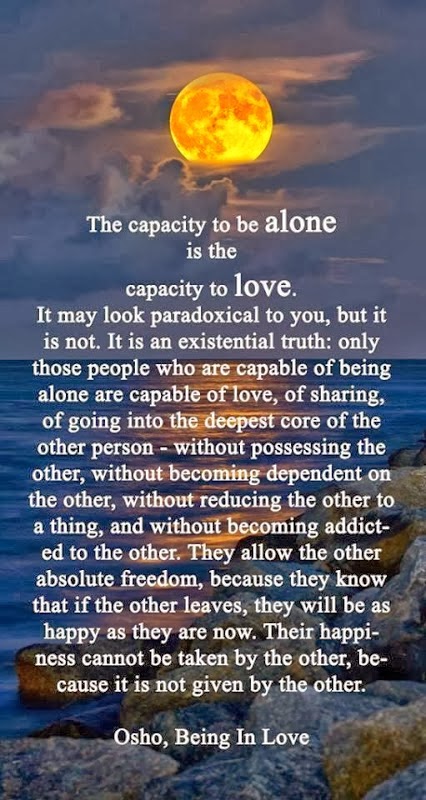
This brings me to one of the most important lessons that I am learning: it is our responsibility, and ours alone, to take time to BUILD a relationship with ourselves. We need to sit down and calmly listen to ourselves so that we can properly identify what we need, and, only then, ponder about the ways to get those needs fulfilled.
That is our responsibility alone. I don’t even know if it as much a responsibility, as it is a birth-given right. Even if we wish to relinquish the responsibility to take care of ourselves, we cannot. We OWN the deed to our houses. We can invite others in, enjoy their company, but the house remains ours, and ours alone. As our lives progress, we may select a roommate (a friend, a lover, a partner) whom we CHOOSE to share an intimate bond with–somebody we invite to live in our home. BUT the house will still remain ours.
And, that is a frighteningly lovely thing.
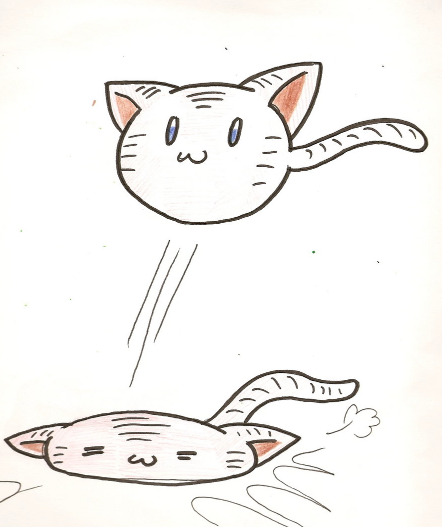
If I choose not to attend to the house, it simply becomes dirty and untaken care of. NO ONE can clean it but me. This is why we get so reactive to our partners, and our closest friends. When our own insecurities arise, we, so often, expect them to take care of it, and to make it better. We want them to “fix us.” But they cannot. That responsibility was never theirs. I’ve found that I become most volatile in my interactions with my poor husband (lol), when I am desperately searching for assurance, comfort, and compassion in a source that is NOT MYSELF. The grumpy cat version of me comes out: “How DARE you not make me feel better? Don’t you get it? That’s your job!”
But it really isn’t.
The house was never theirs.
So today, I want you to join me in accepting this birth right–accepting the ownership for our house. I own and claim this realization. I know that I have to make time to rebuild and maintain a relationship with my everchanging self. I have to trust my heart, my mind, my body and my soul. I have to trust that together, we are enough. I have to make time to attend to myself, provide myself with the necessary reassurance, positivity and love. If I feel I cannot do that, I will not abandon myself. Because, I know that even in those moments, I can still generate acceptance. I will, simply, accept that it may be hard for me to accept certain circumstances and, feelings. I am not going to walk away from me, because I know that I already possess everything that I need to live a wholehearted and fulfilling life.
“The most important voice we need to trust in any relationship is our own. We need to trust ourselves to perceive and process information. We owe ourselves honesty, rather than comfort with false fantasies. And only then, can we assume responsibility to speak up, and insist on fair treatment and respect for ourselves. Clarity of voice comes from inner conviction about oneself. It comes from deeply held values about self-respect. Remember that to be heard, you may need to lower the volume and intensity, rather than raise it.” –Harriet Lerner.






















































 abidmaham