
Hi beautiful beings! ❤ It’s so wonderful writing to you again 🙂 Eeep. I love you!

Okay, So! I am so flipping excited about this blog series because it is near and dear to my heart! If you haven’t figured it out already, I LOVE CARDIO!!!!!! I’m not kidding, “the runners high” is a real thing. It’s the closest thing I get to meditation 🙂 If you are wanting to get into cardiovascular exercise, this extended blog post is going to be your best friend! I have twenty-two total tips for ways to enhance cardiovascular endurance, so…without further adieu, here are the first eleven 🙂
1. No stretching before working out: Contrary to popular belief, I recommend that you do not stretch before you embark on your endurance endeavor. Eee! You see what I did there? I used lots of words that started with an “e.” Yay for alliteration. Okay. So little things amuse me. Prior studies have shown that acute static stretching impairs muscle force and torque. In simpler terms, this means that that muscle strength is decreased when it is lengthened. Notice how they said static stretching.
- Dynamic stretching- means movement stretching (like taking a walk before you’re going on a run) or warming up slowly on a bike before you’re about to go finish a spin class.
- Static: the traditional type of stretching “ex: sit and reach”
Thank God for such a thing as muscle memory! The term refers to a common phenomenon in which various muscle-related tasks seem to become easier to perform after previous practice. When you train in a specific way for elongated periods of time, your body will adapt to the stress so that the task is easier to perform next time. There is some consensus among the runners I’ve spoken to in that some amount of “tightness” in muscles is actually beneficial. Retained tightness is necessary for proper alignment. With that being said, trust your body. If you want to reduce the risk of injury, I do highly recommend dynamic stretching.
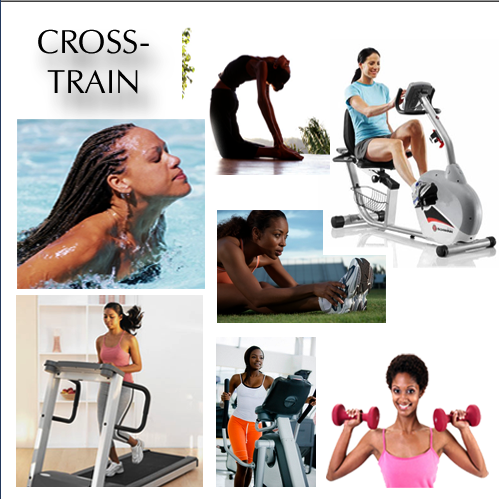
2. Cross-training! I cannot emphasize this enough especially for beginners! When we, as impatient human beings, want to do something, we want to go all into it. But that’s a sure way to disaster. Seriously, I’ve experienced this myself so many times. I call myself an “endurance athlete” and not exclusively a “runner” because I train in several different ways to enhance my cardiovascular strength. I swim; I do elliptical training; I take spin classes; I do plyometric movements and I also run. Cross-training not only reduces the risk of injury and over-training but it also allows us to diversify training. Through cross-training, we are able to work out different various muscle groups so that we remain beautifully symmetrical and proportionate.

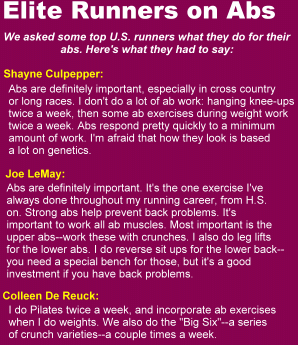
3. So this one is going to be a little controversial: I would advise NOT to “bodybuild” or strength-train areas you don’t need excess mass on. The reason for this is that when you’re running longer periods of time, you don’t need excess mass to slow you down. The lesser the mass, the lesser the impact of the surface on your joints, J as an endurance athlete, I find that the only muscle groups I really NEED strength in are my legs and abdominal/back muscles. I don’t like strength training my legs because I find that my cardiovascular exercise already provides them with adequate tone. I do strength train my abdominals/back muscles to help with balance and alignment throughout the exercise.
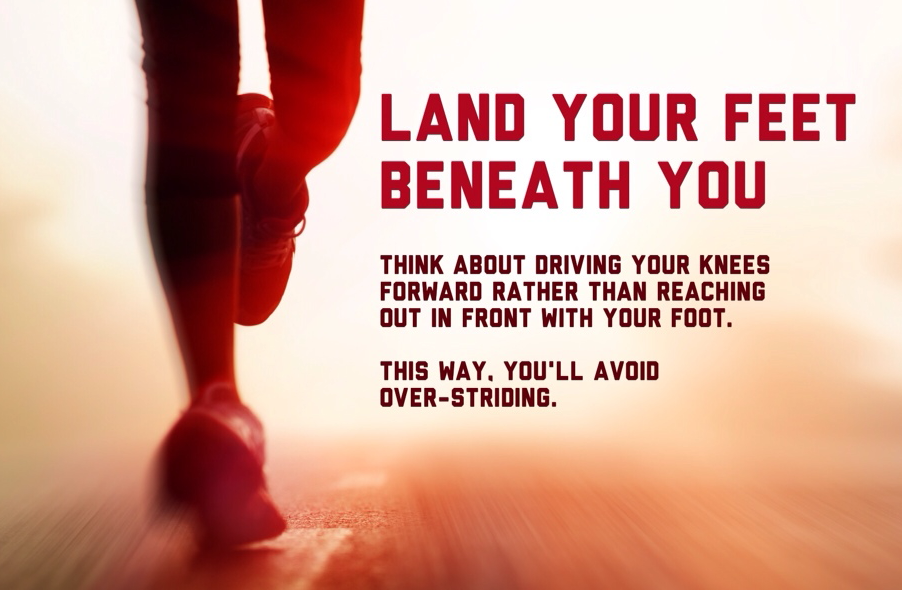
4. Shorten your stride! Research From Dr. Bryan Heiderscheit of the University of Wisconsin (and others) demonstrates that a shorter, quicker stride reduces impact on knees and hips. This is greatly beneficial especially if you’re wanting to do long-duration endurance work. There is a tip I’d like to share with you: when you’re landing, try to put your foot down BEHIND you. Of course, this is not actually what’s going to happen, but it will help make you conscious of shortening your stride as much as possible.
5. STAY AS ERECT AS POSSIBLE. Do you think you’re standing AS tall as possible? Good. Now, stand even taller! Seriously. This is one tip that I think can apply to EVERYONE. It is so important!!!! Probably the most important one that I have to offer. If you are on the elliptical, or if you are running, STAND as TALL as possible. You should be able to draw a straight line throughout your body. Here’s my tips for ensuring that your posture is correct:
Your shoulders should be relaxed, slightly pushing down away from your head. Chest should be expanded and raised (think proud Tarzan!) Your abs should be contracted and almost pushing your ribcage UP so that the weight of your upper body is being supported by the back/abdominal muscles instead of the legs, which are already doing their share of work!
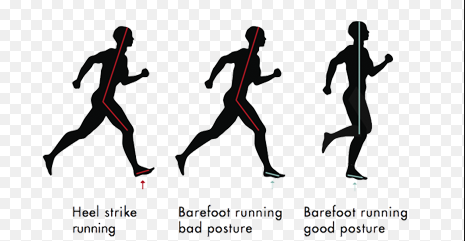
6. Arms and legs should be loose and as relaxed as possible! “So my abs are supposed to be completely tight, but my legs are supposed to be loose?” Yes. I won’t lie. This is going to feel super awkward at first. But, I promise with time, you will get better at “isolating” certain muscle groups. This will help you contract/relax different parts of your muscle groups more easily.
7. Run on an even surface. There is a reason that treadmills and running track were created the way they are! They provide an extra “bounciness” so that the overall surface impact on the knees and joints decreases. This is exactly what we need if we want to run longer periods of time!

8. Do have a speed day! This is commonly known as HIIT training. HIIT training will help strengthen the major muscle groups in the lower body. It also burns a ton of calories and adds variety to the fitness regimen
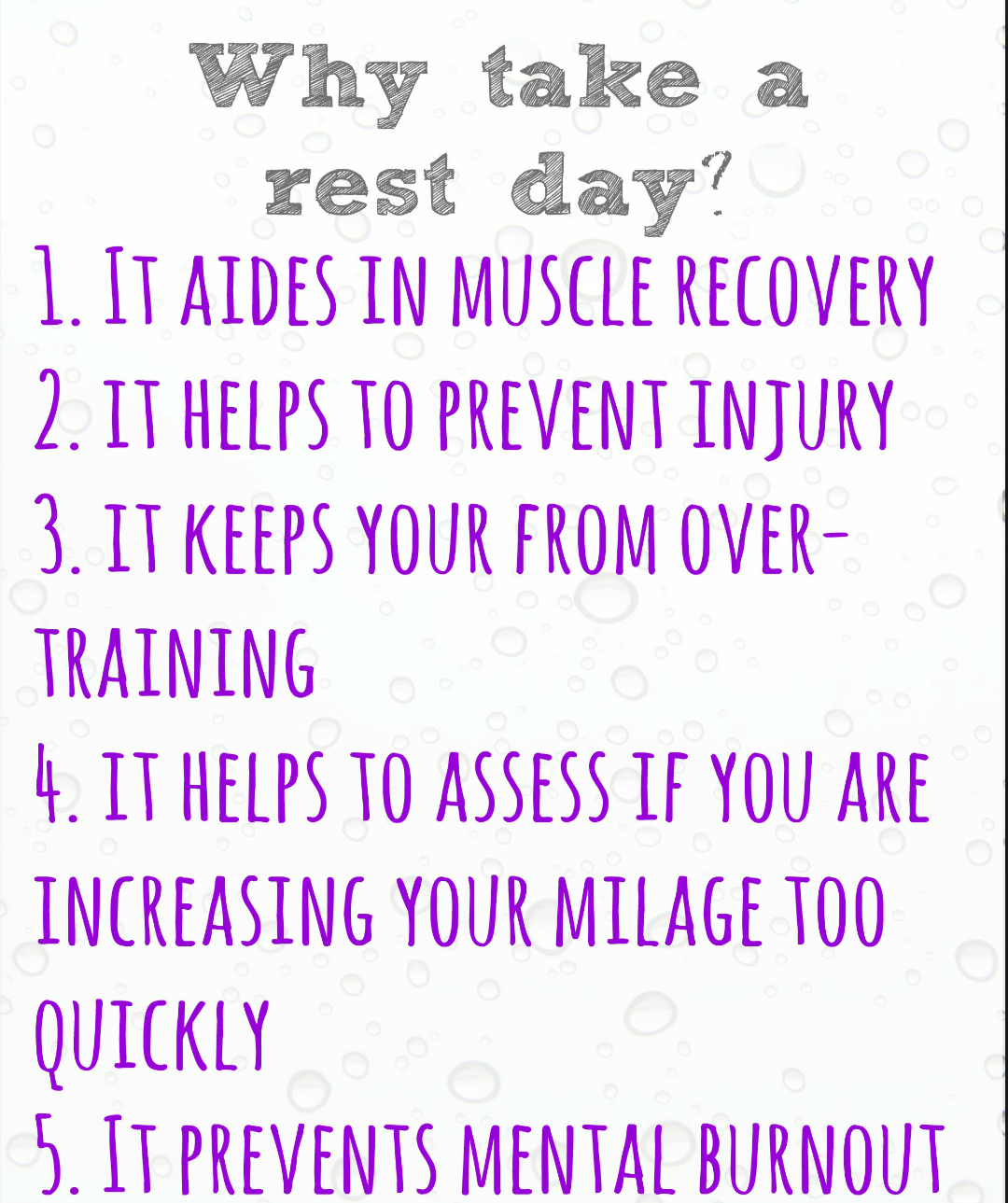
9. Do have ONE day of full rest (not active rest). Please take a day off from endurance training altogether. I promise; it helps out so much!!!! When you’re doing endurance work, rest is essential to recovery and prevention of burnout.
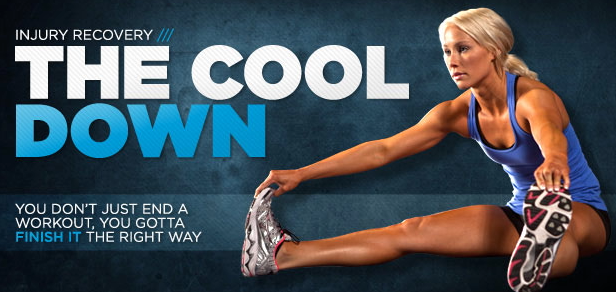
10. Have yourself a cool-down. No! Cool-down does not equal stretching. I take at least 5-10 minutes to cool down. When you are working out and have your heartrate elevated, your blood vessels are dilated, and your heart is pumping blood rapidly. Having an adequate cool down allows your body to return to a state of homeostasis or balance. This will ensure that you don’t get that weird jittery/ “I’m going to pass out” feeling after working out. 🙂
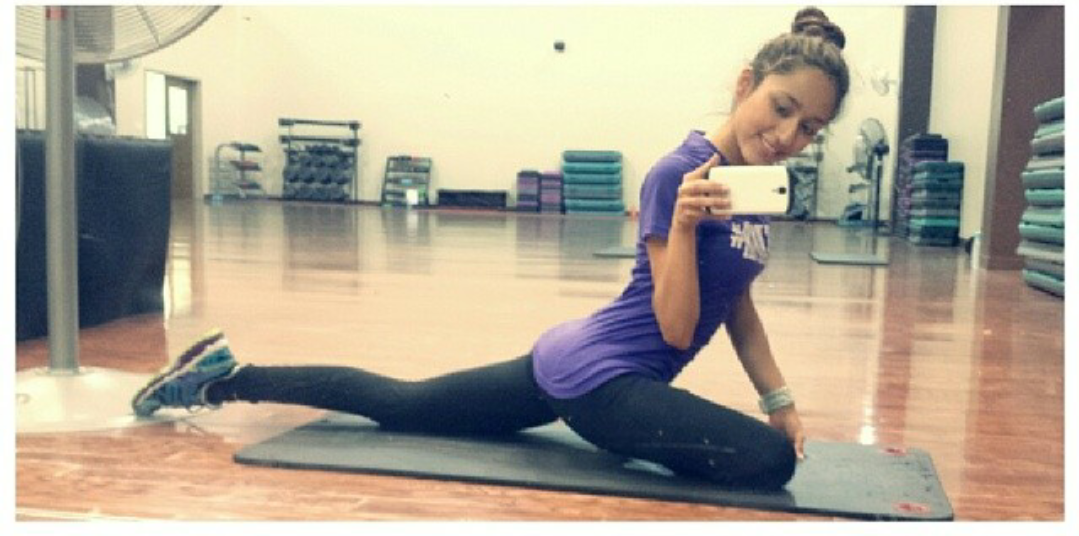
11. Avoid (or USE caution with) hip openers and pigeon poses in yoga: Like I mentioned before, there is an element of tightness that is necessary for hip/body alignment when it comes to endurance work (especially running/and elliptical training). Be very careful in hip opening poses because we don’t want to get “too open” or “too loose” to wear we will be at a greater risk for injury the next time we run!
I hope these were somewhat helpful to you! And, I hope that you know how loved and cared for you are 🙂

And don’t forget, tips 12-22 will be coming soon in Part II: Tips for Endurance Athletes ❤

❤
 abidmaham