


Overgeneralization.
Pun totally intended
So…
What is it? Why do we do it? How do we change it? Why do we want to change it?
All your answers will be found below.
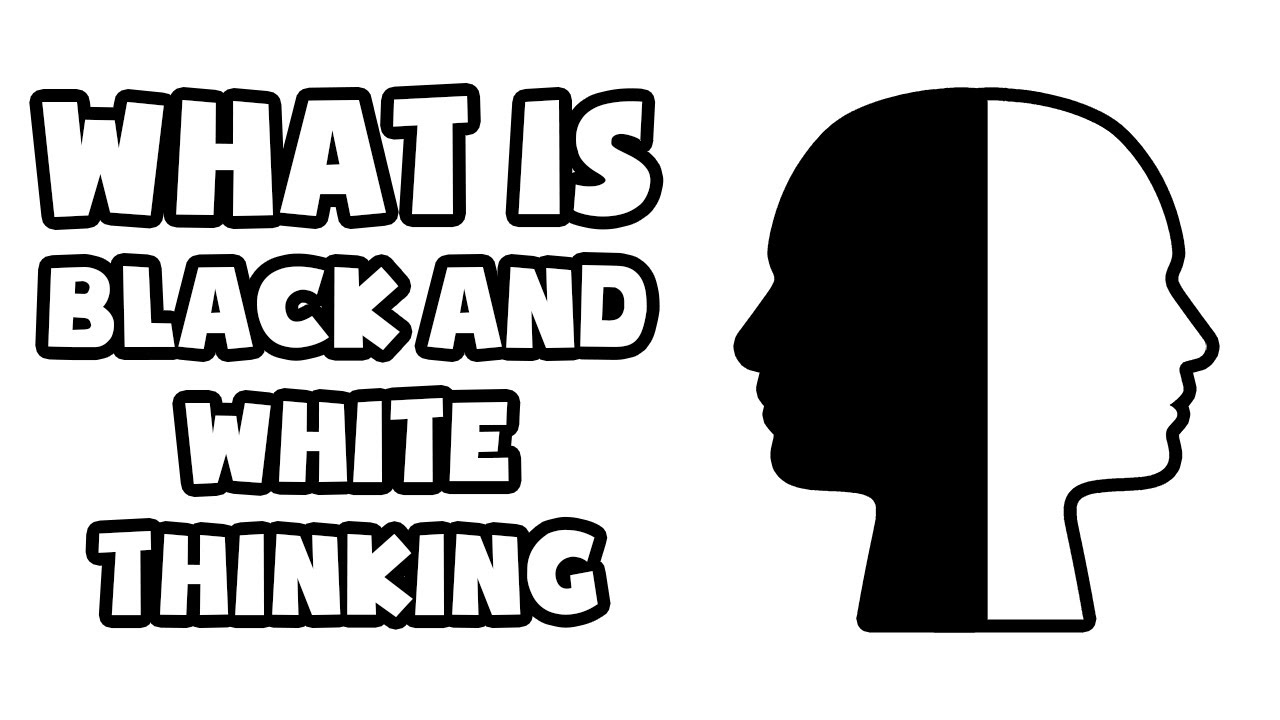
First, let’s revisit what we were talking about with those zebras earlier. Our first blog in this series of fifteen natural ways we all naturally f*ck ourselves up was about polarized thinking.

Now who remembers what polarized thinking was?
I feel like I’m teaching again.
Crickets.
Yup.
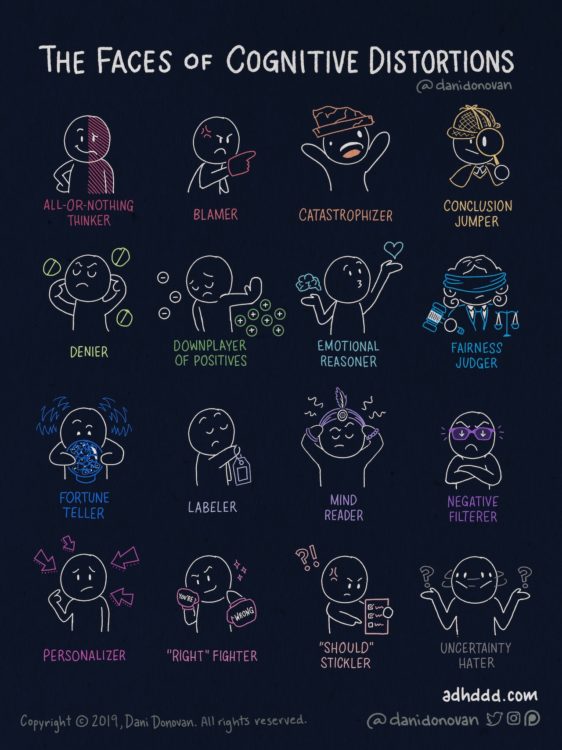
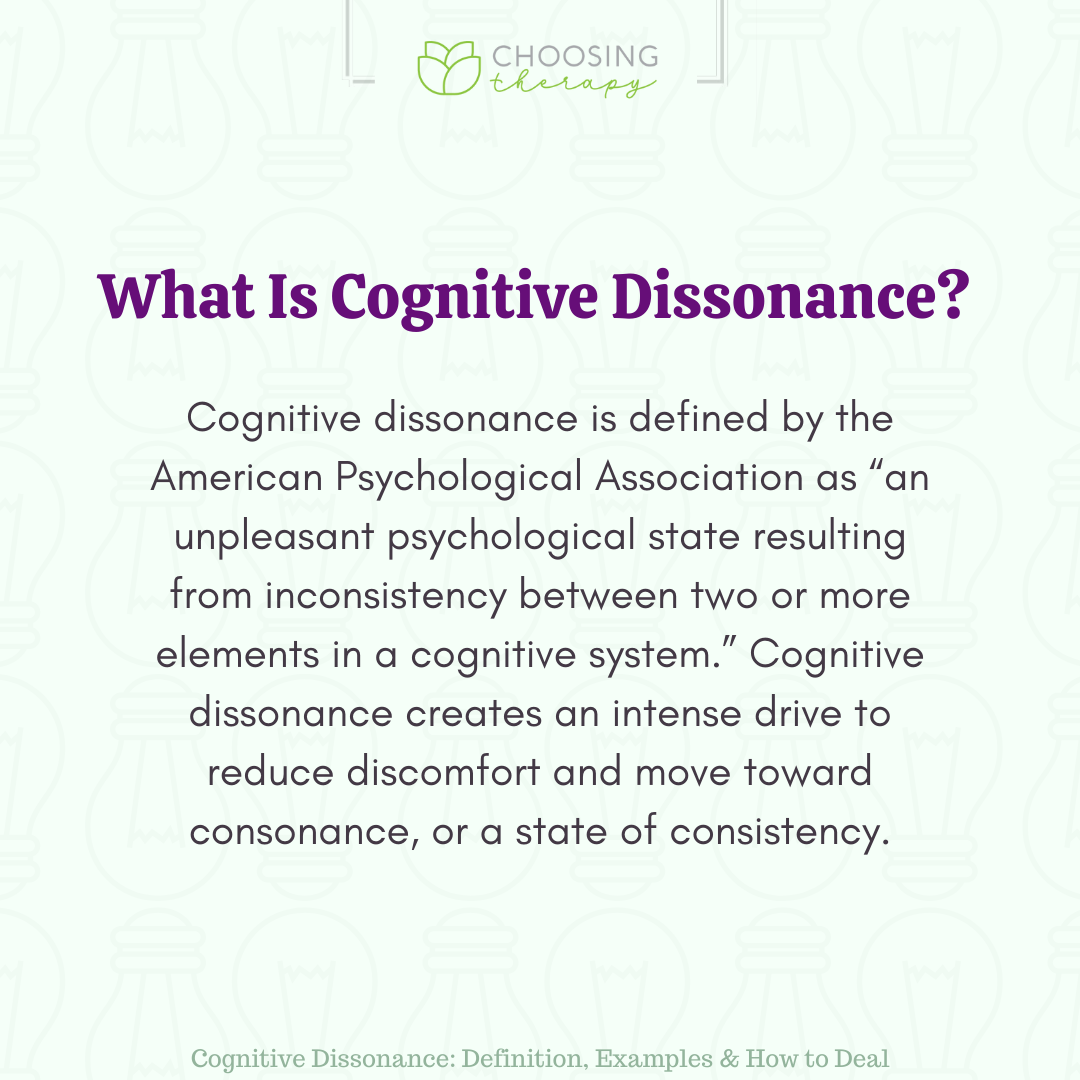
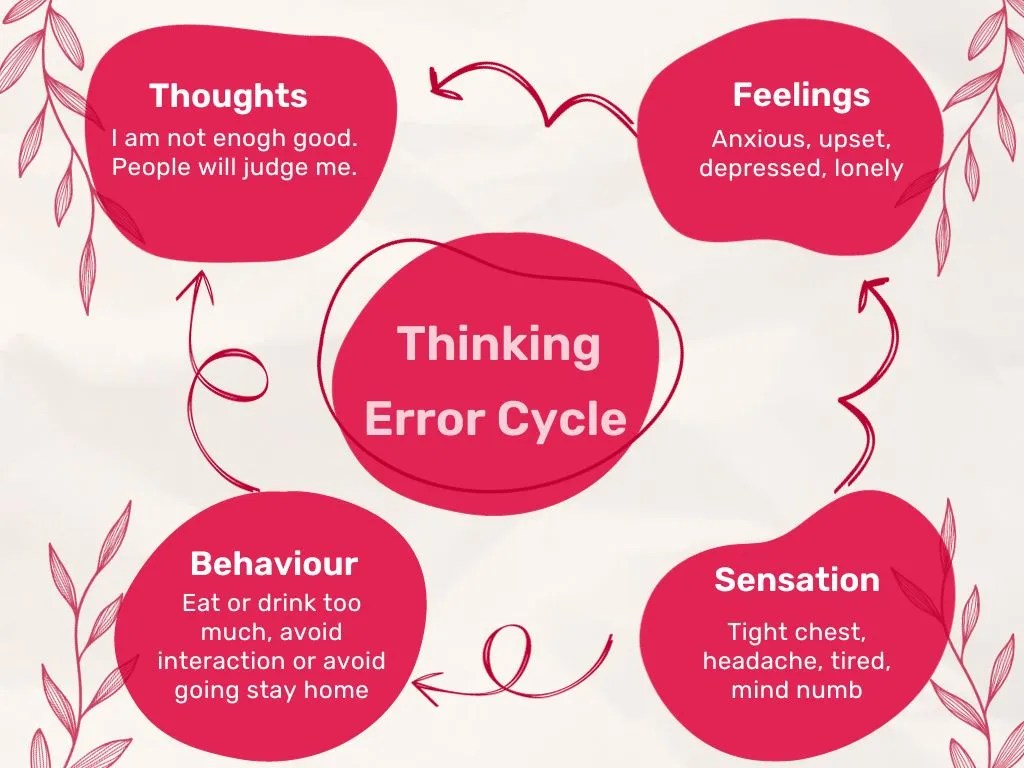
Polarized thinking was a cognitive distortion—an inaccurate or distorted way of thinking that is not helpful to us, our interpersonal relationships and our environment.
Overgeneralization is another one.
A cognitive distortion, that is.
& it is going to be the 2nd one we talk about on my blog!
I have decided to do an educational series on my blog. Every week, I will post in detail about one of the 15 most common cognitive distortions.
Why???

My rationale (& desire) for doing this is so we can all review our own thinking patterns as we move into the new year.
So often our society talks about how feelings are not facts. As someone who pursued her Masters in Psychology, I can assure you that thoughts are not always factual either.
That means it doesn’t matter if you fall into the blessed left-brained, cognitive, and analytical quantitative group or the less preferable, messy, colorful, creative, right-brained, emotionally overladen group. It means that we are all…essentially FUCKED.
It doesn’t matter whether we are heart people or brain people.
It doesn’t matter if we feel more than we analyze
It also doesn’t matter if we analyze more than we feel.
Feelings are not facts.
And neither are thoughts.
Both are subject to system error-aka, the “human” error.

Because of how diversely tough life can be on all of us, we are all prone to developing biases in our ways of thinking. Prejudices–of sorts.
Our brains, which are hard-wired to notice patterns, make associations in an attempt to ultimately, arrive to more calculated decision in a shorter amount of time…can adopt ways of thinking patterns, or cognitive distortions, that are simply not helpful or accurate.
This week’s topic is overgeneralization. So what is it? Why do we do it? How do we know we are doing it? When does it become unhelpful? How do we stop it?
Read on.
What?
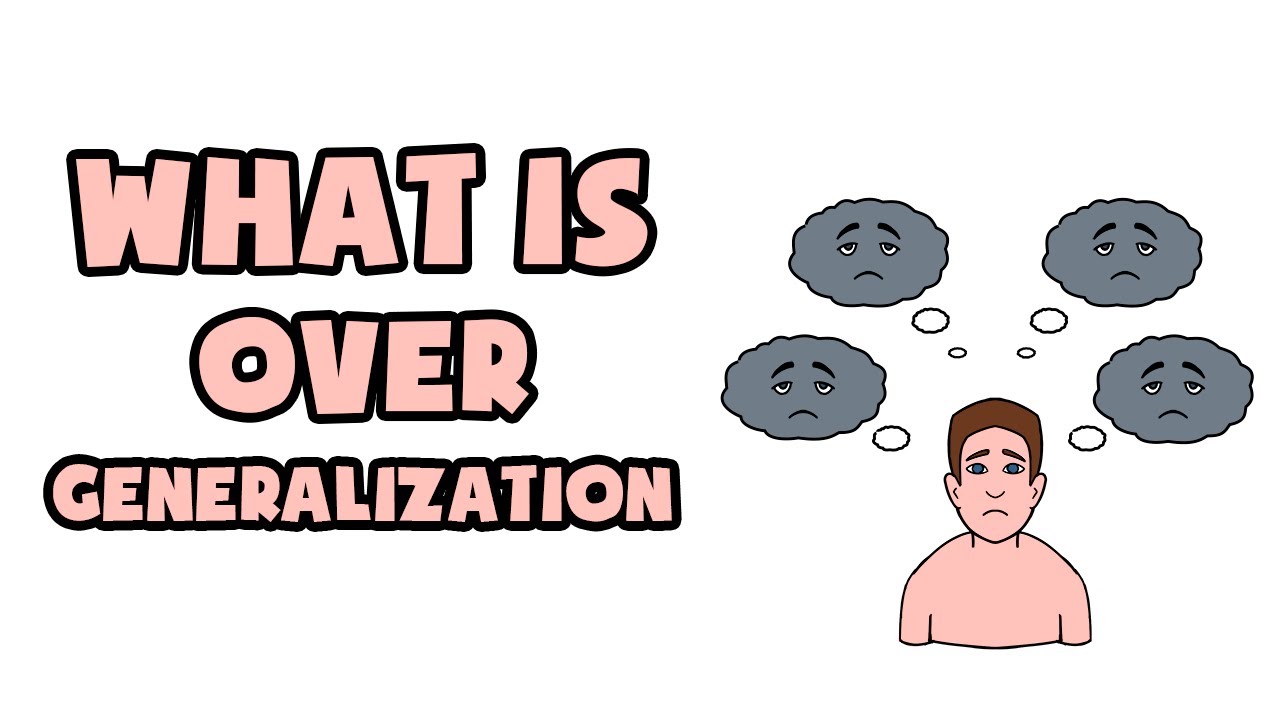
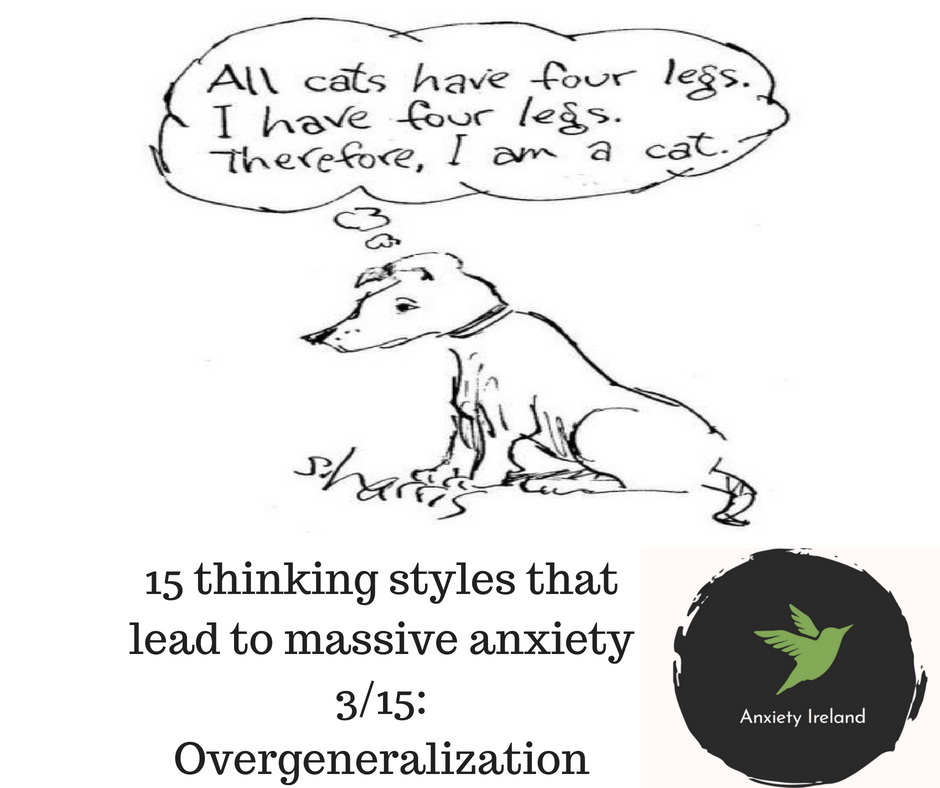
Overgeneralization is one of the fifteen cognitive distortions that are emphasized in psychology. It consists of a faulty perception or belief that causes one to judge oneself and others inaccurately. Those prone to probably said things like:
- “I never do anything right.”
- “No one will ever understand me.”
- “Nothing ever goes my way.”
- “All people, regardless of gender or culture, will always screw you over.”
A lot of people practice overgeneralizing each day and are completely unaware of it. The problem is that it leads to unnecessary anxiety and fear, and prevents us from taking healthy risks or attempting new things. As a result, we end up living below our potential for the majority of our autopilot lives.
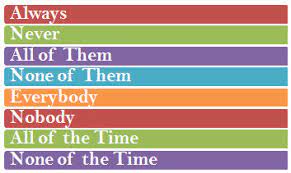
Victims of overgeneralization tend to use absolute terms in their vocabulary quite often. Some common ones include
- always/never
- forever/never
- all/none
- everyone/ no one
- everything/nothing
When/Where?
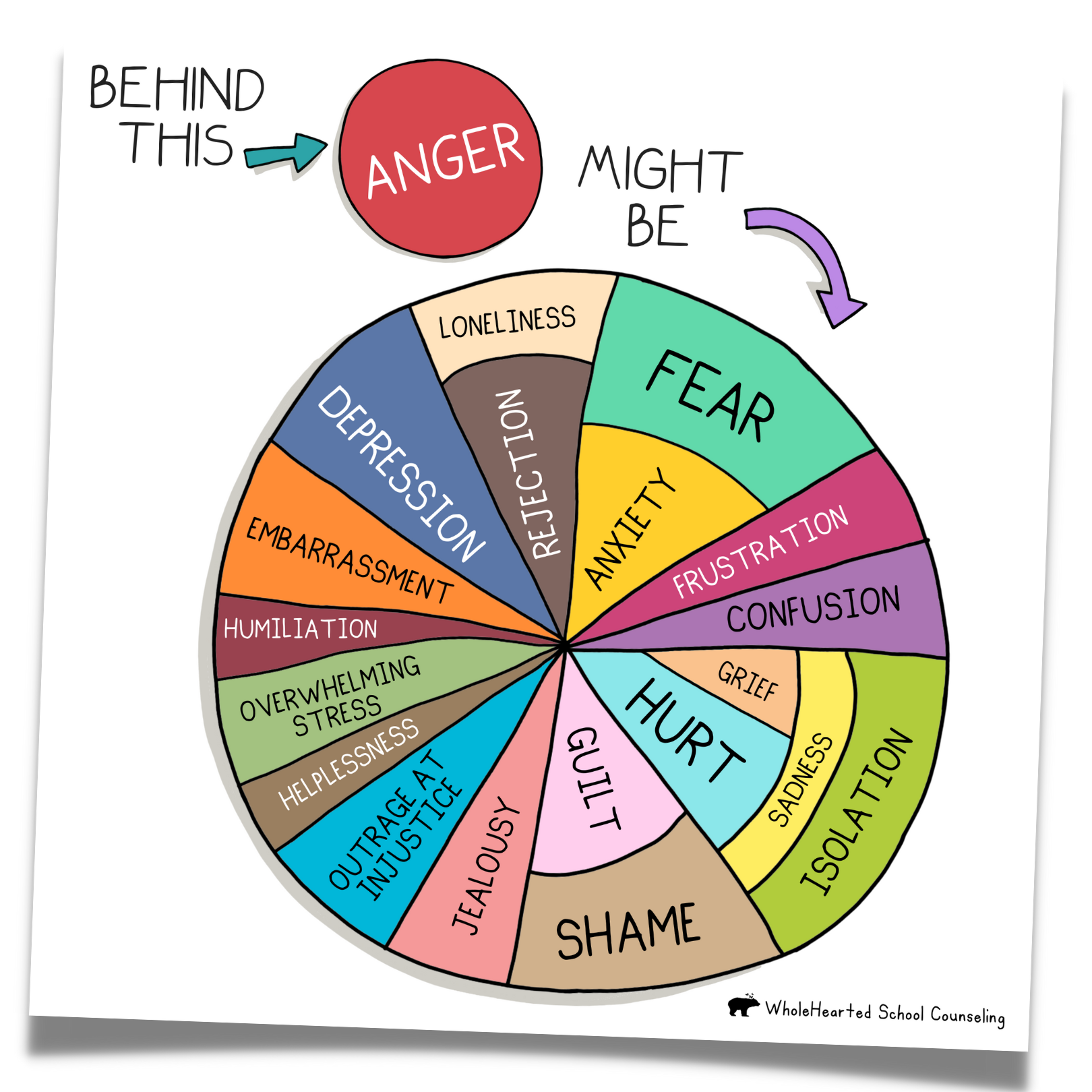
We can tend to overgeneralize at anytime , anywhere. It is important to be mindful of what triggers this unhelpful and distorted way of thinking for you. Everyone is triggered differently. Most people tend to use cognitive distortions such as overgeneralization and polarized thinking when they feel fearful. Again, fear can encompass and disguise itself as a lot of secondary emotions. Most people essentially are most vulnerable to overgeneralization when they feel helpless, hopeless, attacked, vulnerable, exposed and cornered.

Who?
Overgeneralization belongs to the family of common cognitive distortions. Just like all other fifteen of its’ sisters, overgeneralization is not much different. All cognitive distortions, or unhelpful patterns of thinking, are usually a result of maladaptation to some degree. They are often seen in individuals dealing with traumatic events, unmanaged stress, and those diagnosed with anxiety disorders and depression.
How?

How do we stop it in its tracks when we find ourselves bound in its shackles?
Tip #1- Figure out your triggers.

Identify what triggers you.
A trigger can refer to anything— a person, place, sight, or sensation — that causes us to overgeneralize. The nuisance of triggers is that everyone has different ones. They are specific to each one of us and are heavily influenced by the feelings we have regarding our lives, self-esteem, others and environment. Another irritant is that we tend to engage in distorted ways of thinking, such as overgeneralization, when we are emotionally charged and feel cornered. Therefore, it is definitely difficult to recognize and become almost “meta-aware” of the fact that we may be clouded with our emotions. In highly charged emotional states, we are less likely to recognize the fact that we may be engaging in cognitive distortions. Despite how difficult it may be to catch ourselves engaging in unhelpful ways of thinking during highly emotional times, the rewards of becoming mindful and aware of our own shortcomings are multifold.
Tip #2- Become mindful of your vocabulary

When we find ourselves using overgeneralization as a defense mechanism, we often will use terms that are absolute. Absolute terms are rigid terms that do not allow any room for flexibility. When we catch ourselves using words like “all”, “none”, “no one”, “everyone”, “nothing” and “everything”, our emotions are usually looking for some validation from ourselves.
Tip #3- Practice reframing.
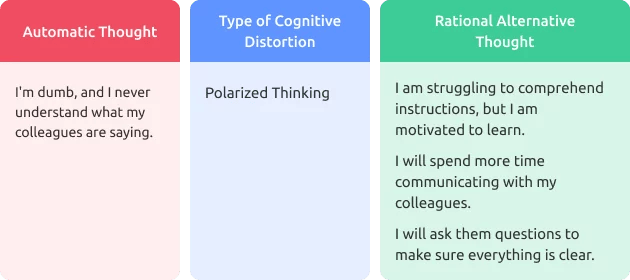
Reframing is a technique in psychology that encourages us to view a situation from a different angle. It’s an effective way to replace a negative thought with a more beneficial one. Reframing our thoughts pretty much consists of replacing our negative thoughts with positive ones instead. For example:
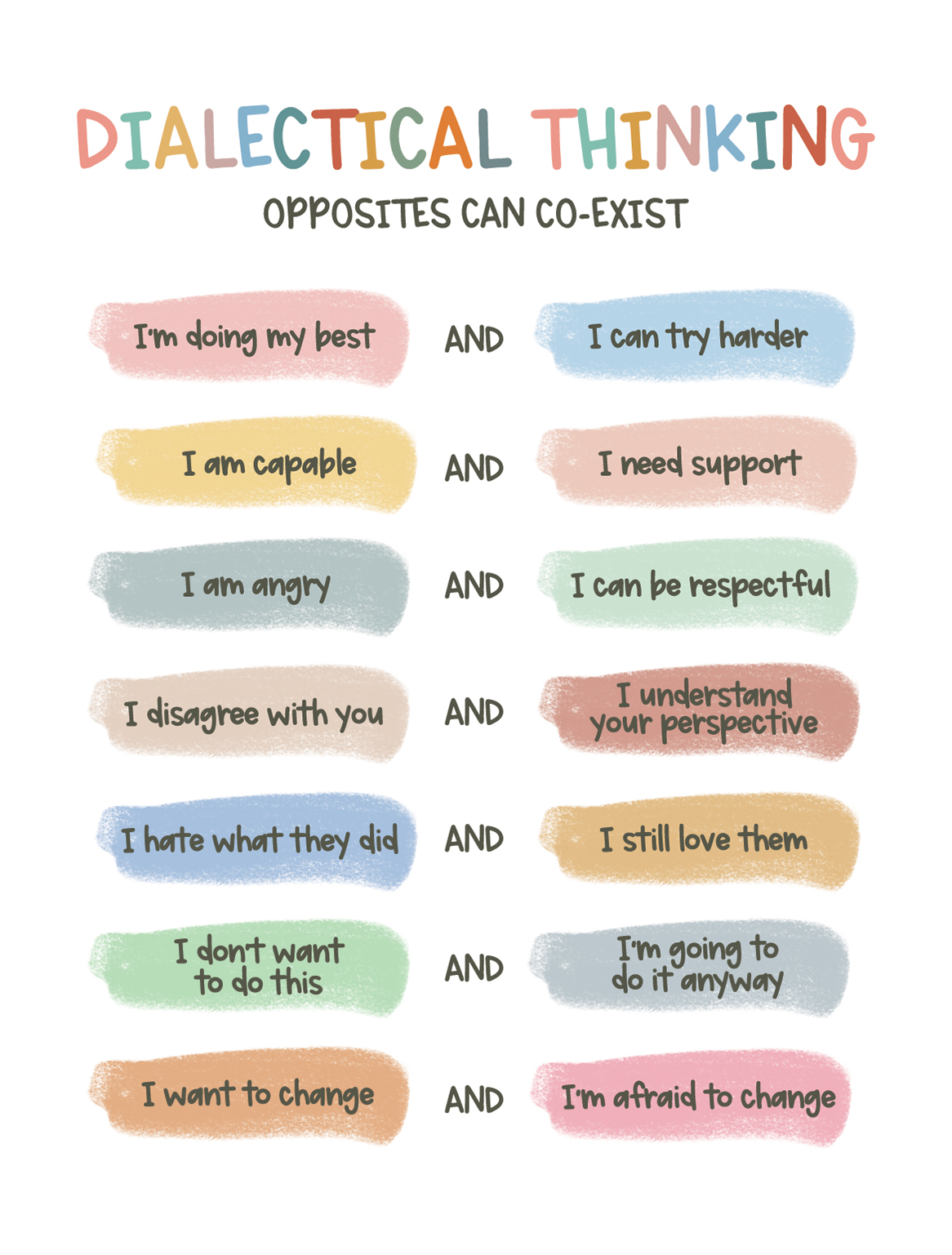
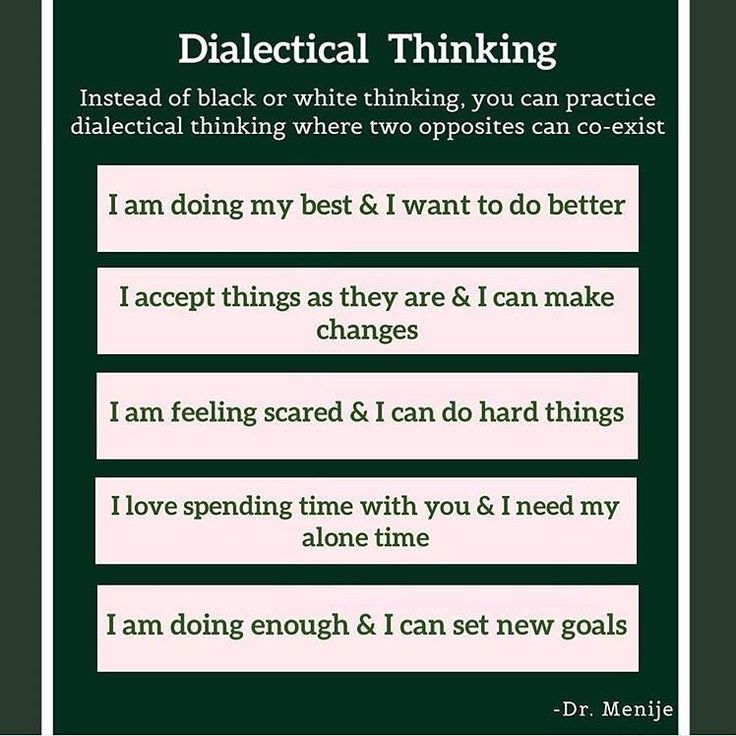
Instead of saying (and believing) things like “I suck at ______” or “I will never be good at _____”, try incorporating the terms “yet” & “and” instead of “but.” Practice saying (and believing) things like
- I haven’ t been able to do it yet.
- I haven’t solved that yet
- I am not where I want to be, and I am not where I was.
- I am not a saint, and I am not a sinner.
- I am not perfect, and still worthy of love.
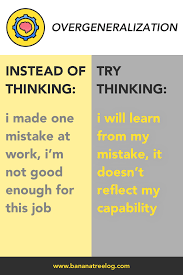
Reframing a situation can also mean taking more facts into account. It can look like choosing not to jump to conclusions. For example, instead of deducing that we can never do a specific task such as speak well in public, we can redirect our focus/thinking to more helpful questions
- What was the reason for my “failing”? (Pressure, lack of preparation, etc.)
- How can I improve?
- What is the smallest thing I can do today to move in the direction towards improving?
- What are the short-term steps I have to take to improve?
- What are the long-term benefits to me taking time to change this about myself now so I don’t have to suffer later?
Through reframing, we often realize that most of your beliefs aren’t based in reality, which then opens up opportunities for positive change.
Tip #4- Keep practicing “positive” thinking.
Yes, I said what I said.
It is a practice.
It is a chore.

Congratulations Grumpy Cat.
So is everyone else’s if they don’t work on it actively.
It requires hard-work, and constant effort.

It is no means easy at first.
It takes time.
You will mess up.
Because so have I.
Some tips for encouraging our minds to more positive, helpful ways of thinking include
- using positive affirmations
- listening to uplifting messages (songs, sermons, lectures, books)
- reading uplifting literature
- watching funny videos
- exercising
- self-soothing
- seeking therapy
- learning adaptive coping strategies
- keeping a gratitude list
- surrounding ourselves with positive, optimistic individuals
- getting out in the sun
- taking a bath (for me)/something relaxing and nice for yourself that requires you to treat yourself.
- calling a friend and to catch up
- asking/noticing what we can do for those around us
- volunteering
- growing spiritually
- reflecting on self in a nonjudgemental way
- mindfulness & meditation (especially metta meditation)
- doing something for someone else
Till next time!
Love you, all ways, always







 abidmaham