


Who can relate to this?
…I start to feel more and more out of control and ironically, it makes me want to grasp onto any last straw of “control” I can imagine.
Human beings are quite the ironic creature. The more out of control and panicked we feel, the more we tighten our grasps around the very things that make us feel out of control. This just creates a negative feedback loop of B.S, that forces us to white knuckle our way through life instead of enjoying its dynamic ups and downs.
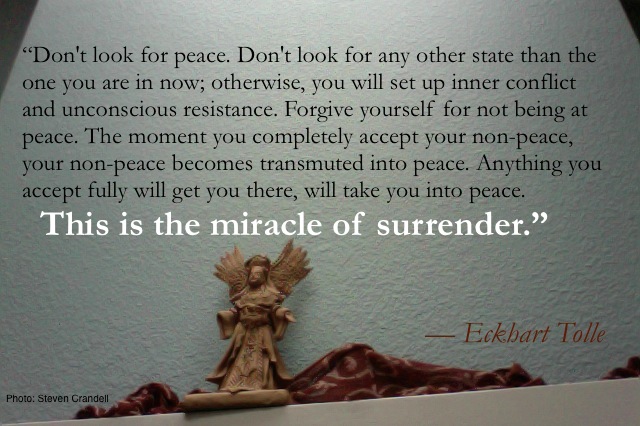
Eckhart Tolle, one of my favorite authors, stated:
I just lost my anger on someone that has been a trigger to me. After the heightened verbal exchanges comes the tsunami of regret, remorse, and guilt. We have all been guilty of saying hurtful things at the peak of our anger. The thing I learned about anger in pursuing my masters in counseling psychology is that it is merely a secondary emotion.
What does that even mean?
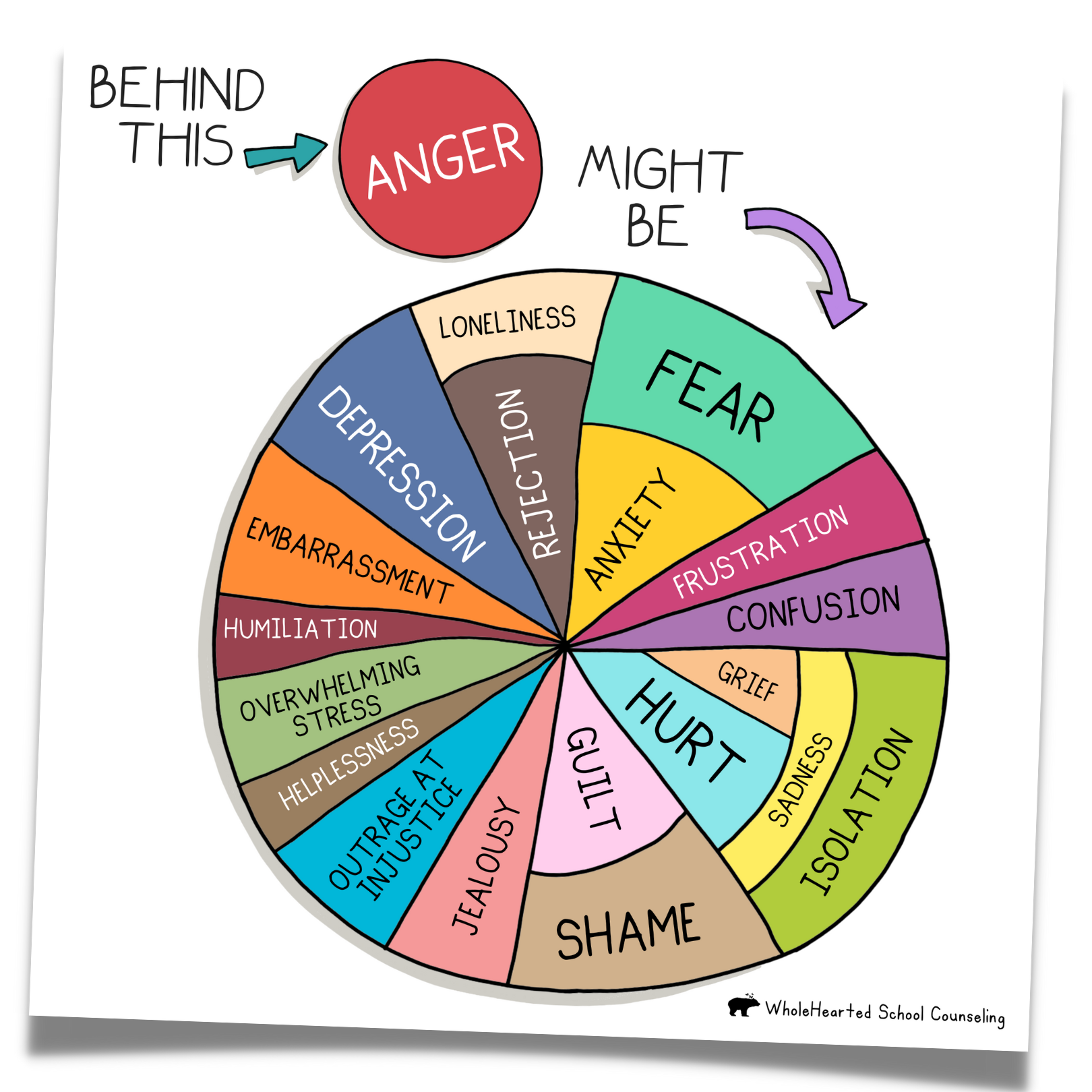
Anger is a secondary emotion , as it lends itself as a defensive approach to feeling some of the more vulnerable, scary primary emotions shown in the graphic above. Today, for me, the primary emotions were hurt, grief and helplessness. Let’s add a teaspoon of humiliation too.
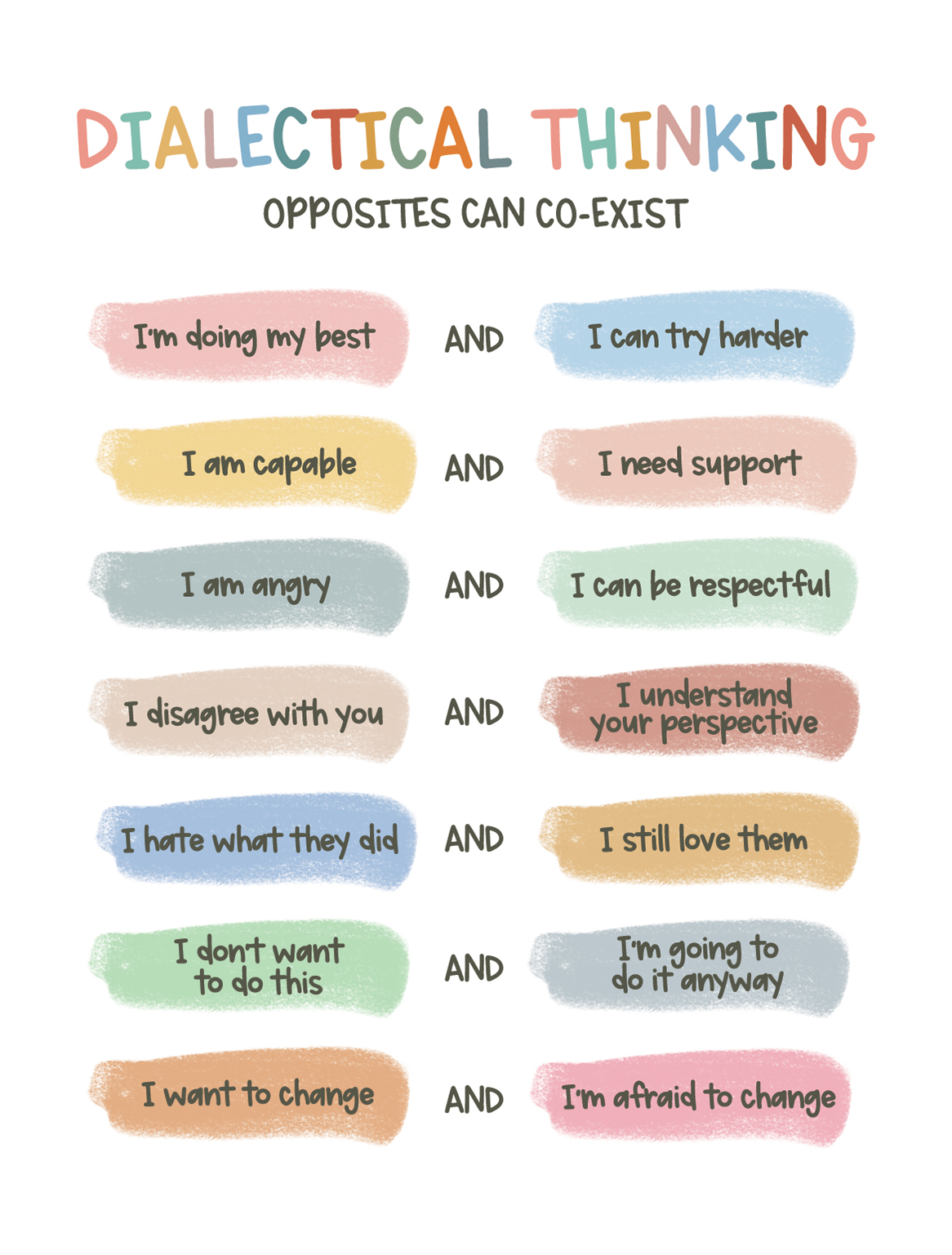
I want to talk about anger and acceptance today. They seem like they are so contradictory, however, if we can begin to think of our lives in a dialectical manner, we can begin to hold space for two seemingly opposing schemas within ourselves. It is possible for two things to be true.
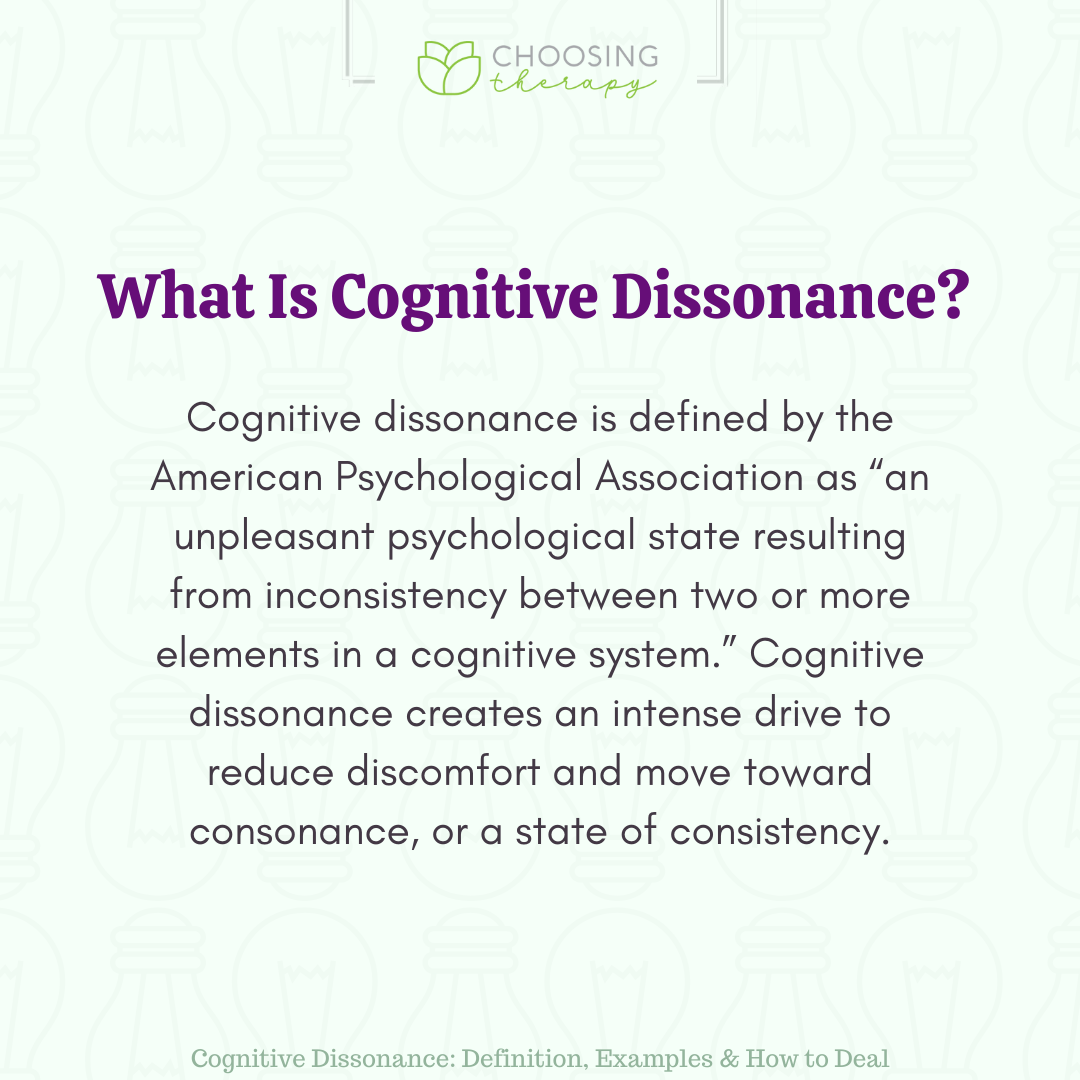
The reason it is so difficult for us average human beings to hold two seemingly paradoxical realities as true at the same time is because it creates tension in our psyche. In psychology, we refer to this tension as cognitive dissonance. This concept essentially outlines the natural stress and disharmony that result from trying to reconcile feelings or thoughts that simply do not align with one another.
Mankind has survived thus far due to his/her ability to view the world and start to view it in categories. Imagine being a child. There are so many overwhelming stimuli. In an attempt to understand the world around us, we begin to form associations, correlations through becoming aware of patterns.
This natural predilection only becomes problematic when we become too rigid in keeping all of our experiences boxed into neatly wrapped, homogenous compartments.
It does not feel comfortable to break out of those cute little patterns that have helped us make life more predictable.

This is “good” and that is “bad”. This is “right” and that is “wrong”. This is “satisfactory” and that is “unacceptable.” This type of rigidity leads to cognitive distortions.
Cognitive distortions involve negative thinking patterns that aren’t based on fact or reality. They often rely on faulty assumptions & unrelated associations that we have inaccurately made throughout our life.
The type of cognitive distortion I want to talk about today is called: Polarization.

Polarized thinking is an extreme simplification of reality. Things are either black or white, good or bad. We don’t see the nuances that exist between one extreme and another. People with this type of distortion feel comfortable placing reality between two extremes.
Why do we do it?
Viewing situations in extremes is something many of us do naturally. All human behavior is motivated by a self-serving need. Thinking in extremes allows us to narrow down experiences into simple categories. Essentially, it is an oversimplification technique that gives us the false feeling of “being in control.” For example, if we can define it in two absolute categories, life becomes a lot more predictable. Polarized thinking can help us simplify and process information as we receive it, allowing for easier understanding and faster decision making.
How do we avoid it?

In case you didn’t see this coming–surprise! Life is not black and white. Life is meant to be lived in all of its confusing colors. I know I sound like Pocahontas in my debut of “Colors of the Wind”, however, I do begrudgingly concur. There are just too many extraneous variables that affect everything we do, say, feel and think; we cannot oversimplify and attribute one thing with another without considering all factors. Read on for some helpful pointers when you find yourself stuck in black and white thinking.
Tip #1- Learn to view EVERYTHING on a spectrum
To those of you still traumatized by statistics, I’m sorry for the following diagram.
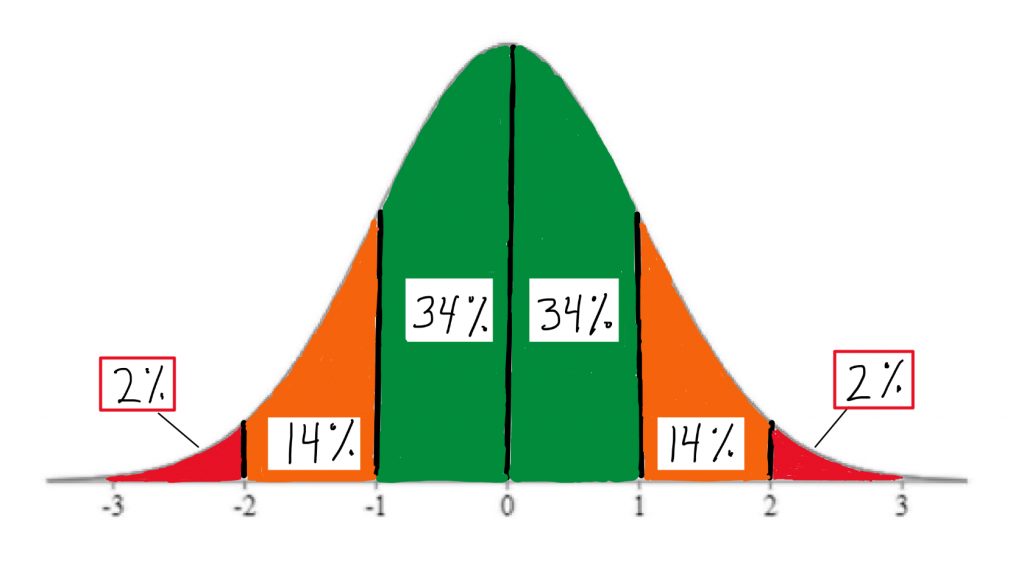
Every thing, person and situation falls within a spectrum. The above curve is called a “normal distribution” in statistics. Many of our pathopsychological issues arise when we move out of the green and orange zones into the red zone.
When we begin to view the world around us in absolutes, it leaves no room for change. As many spiritual practices and biological disciplines demonstrate–change is the only constant in life. What this essentially means is that the THE ONLY THING WE CAN COUNT ON FOR SURE IS THAT EVERY SINGLE THING IS SUBJECT TO CHANGE.
Stagnation is death; human beings, much like every other species in the cladogram of life learn, grow and adapt. Therefore, it is very simple-minded to speak of ourselves or others in absolutes. We all possess a range of complex emotional expression. Furthermore, this range is not fixed. It can be expanded through active pursuit of self-improvement.
Tip #2- Become aware of your vocabulary

Avoid using absolute terms such as “always” and “never”. Become aware of when you use them, and challenge your logic. Do you, without a reasonable doubt, have every single reason to believe that you are a failure? Probably not. Do you, without a reasonable doubt, have every single reason to believe that you are perfect and infallible? Probably not.
People often use the words “always” or “never” to emphasize what the statement they’re making. In reality, however, there are very few aspects of life where “always” or “never” are actually relevant and applicable.
Tip #3- Incorporate “and”, “yes”, & “yet” into your everyday vocabulary
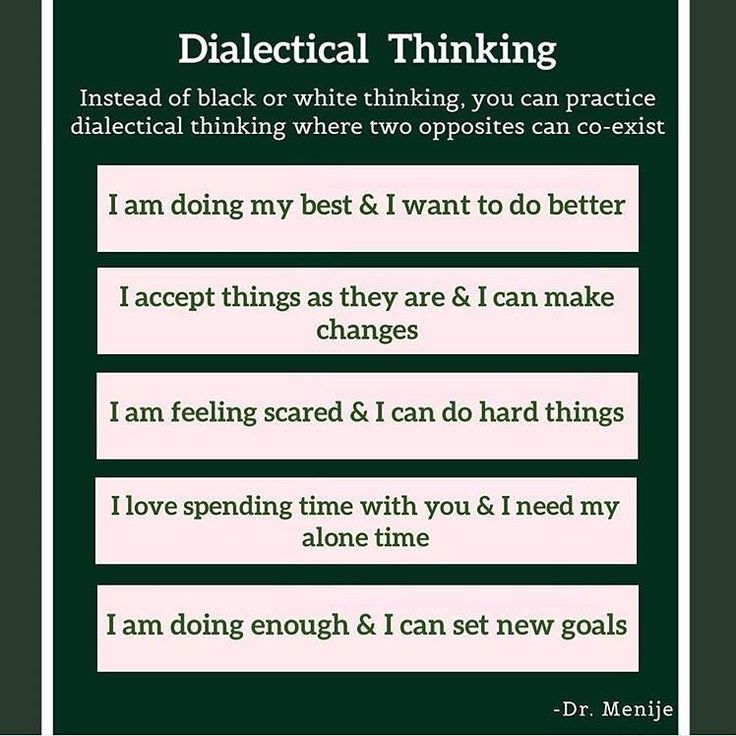
Broadening binary thinking can improve cognitive flexibility. If you’re interested in learning how to stop polarized thinking, try to engage an extreme thought by exploring it with “yes, and.”
- “Yes, I faced difficult things, and I also experienced good moments this week.”
- “Yes, I’m a good person, and sometimes I make mistakes.”
- “Yes, I’m not where I want to be and I’m also not where I was.”
- “Yes, I am doing the best I can and I can continue to improve.”
- “Yes, I struggle with _____ and I haven’t quite found a manageable solution yet.”
Tip #4- View yourself & others as holistic, inclusive beings.
Just like eating one salad didn’t make you immediately drop 3 jean sizes, missing one workout will not make you gain 4 back.
It’s an analogy. The point is that we did not become the way we are overnight. We have all lived unique lives with personalized experiences that have shaped our thoughts, feelings and behaviors. We are a collection–an amalgamation of ALL of our experiences, interactions and reflections.
When we begin to view ourselves through a more encompassing, broadened lens, we start fostering self-compassion, and acceptance. Adopting this type of view helps circumvent the pattern of thinking errors.
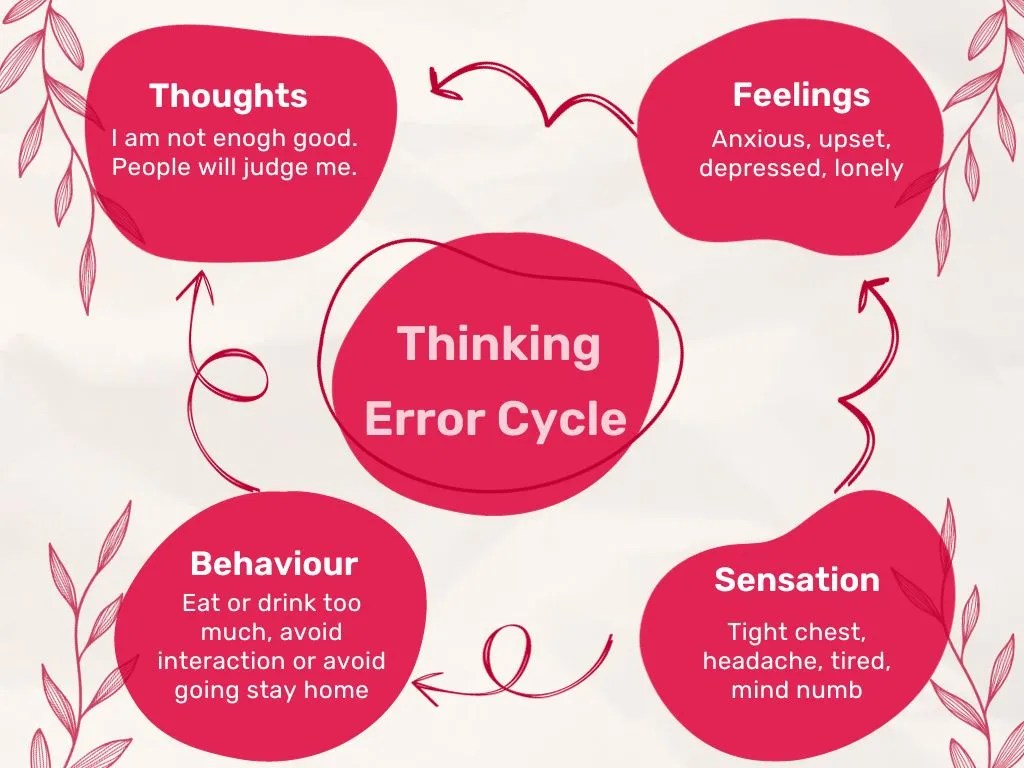
Tip #4- Triple Column Analysis
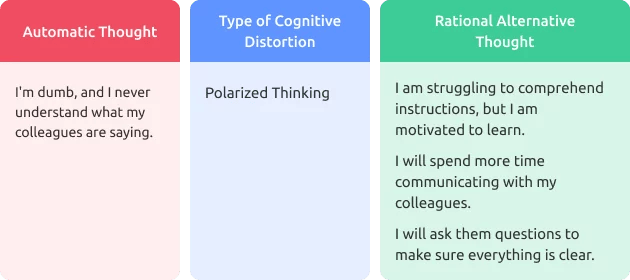
Begin to challenge your thoughts through a simple triple column analysis. Stanford University found statistically significant results in resilience and mood when comparing those who used this method and those who didn’t. Use the following example as a template for any emotionally overladen automatic belief/thought that arises for you ❤
Love you, all ways, always!
 abidmaham