Category Archives: Trauma

I Was Wrong

For the last few months, I have taken a deep plunge into healing. After years of therapy from all different modalities, I found very little difference. My life would be fine and “functional” for a few years, only to be followed by an inevitable crash. I’ve been through this cycle for most of teens and all of 20s. Each time, I picked myself back up only to white-knuckle my way through “functionality”–until, the inevitable crash.

For so long, these “crashes”—long periods of depression, psychosomatic symptoms, and lapses of complete dysfunction–seemed unrelated. I would excel in work, friendship, and relationships only to lose all of them. Time and time again, I felt dejected, humiliated and utterly worthless.

Why do I keep messing it up? What is wrong with me!?

In the aftermath, I sought out help–only to help me get back on my feet again and once I felt “ready” enough, I plunged in headfirst into work, relationships and life with even more resolve and stubbornness.

I can’t let him win. I can’t let trauma win. I HAVE to do it right, this time!

Yet, I couldn’t. I couldn’t do it in a sustainable manner.

For decades, I deluded myself into thinking that I could “white-knuckle” it through life. I danced between diagnoses, swapped out medications, changed therapists, implemented new strategies from the self-help book of the season; yet, every single intervention yielded minimal results.

This year, I was forced to face the lingering effects of unaddressed trauma; my body gave me no choice. The unprecedented seizures, fainting episodes, and gaping lapses of memory loss jilted me to my very core. I was desperate, in more ways than one. Some days, I was more scared of the seizures and syncope episodes; other days, I found myself begging God that they take my life.

I found myself in an impossible situation where I was equally scared of death and of life

It was this very predicament that finally brought me to the doorstep of surrender. I didn’t know what more to do; every willful intervention of mine had not worked. I didn’t want to die and I certainly was not living. I thought if I was just strong enough, stubborn enough, knowledgeable enough…I would be able to “beat it”. In my case, knowledge was not power. I went to school to get a masters degree in psychology; I studied the ins and outs of different modalities & dissected the interventions of esteemed theorists. As a counselor, I became adept in helping others navigate through their own hardship and grief–but I could do nothing for myself.

Knowledge, in my case, was my Achilles. It brought me hubris, and an unhelpful sense of intellectual arrogance. My training in counseling and psychology bred an avid resistance to be treated. I thought I knew better, so I refused the treatment prescribed for me by other mental health professionals.

But, knowing better doesn’t always lead to doing better.

There is a reason that mental health professionals and doctors cannot treat themselves or their loved ones. Sometimes, we are just too close to the subject. In my case, I was the subject and could do very little to help. There is a reason “blind spots” are called just that. We cannot pinpoint them using our own biased way of thinking.

The problem cannot be solved using the same mind creating it.

In June of this year, I finally got to a point where I could no longer tolerate the suffering. Now, I have come to realize that the suffering was being perpetuated by my relentless need to be in control.

We must let go of the need to control to gain it.

Five months ago, I begrudgingly started the process of EMDR. Despite years of others suggesting it for me, I resisted it at all costs–all because, I simply did not know how it would work. I had no faith in the process. How could moving my eyes a certain way help unpack layers of complex trauma? It honestly sounded laughable.

Yet, here we are.

I am no where close to being “healed”, but the beautiful paradox is that I’ve let go of the idea of being “healed.” It is no longer some faraway, unachievable destination that torments me; it is here, and now. Throughout the EMDR process, my healing has been anything but linear; it has ebbed and flowed with life itself, and there is infinite beauty in that. I no longer find myself fantasizing of a perfectly “healed Maham”; I no longer torture myself by comparing my “now” to that preconceived ideal.

My suffocating grip on the rigid definition of “healing” has loosened.

Day by day, I’m learning to experience myself as I am. And, dare I say, life would not be intolerable if I remain who I am today, for all of my days. The rigid parameters I placed around creating “a good life” are slowly dissolving. These days, progress seems far more promising than perfection; I find myself welcoming minor setbacks as necessary precursors to growth and “healing”.

I am starting to assess “healing” by my ability to tolerate feeling.

Bit by bit, I am starting to work through unspeakable pain. In doing so, I’m finding acquaintances in connection, love, and even ephemeral joy.

Nowadays, I find that even gratitude chooses to sit by me sometimes.

Thank God, I don’t have all the answers. Thank God, I don’t understand everything. Thank God for the realization that I never had to.

Thank God, I finally had the courage to be wrong.

— because of it, I’m finally being led to what feels right.

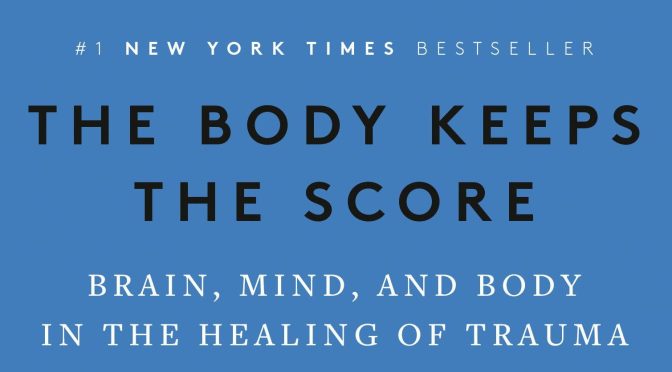
Part II: The Body Keeps Score

“The greatest source of our pain lies in the lies we tell ourselves,”

Gulp. What lies am I telling myself? 

The Moment that Sparked This

A few weeks ago, a friend looked at me mid-conversation with a strange, tilted smile. She gently asked, “You’ve told me this before—three times, actually. Do you not remember?”

I laughed it off. Again.
But later that night, in the quiet, I didn’t laugh. I stared at the ceiling and asked myself the question I’d been avoiding:

What am I not remembering…and why?

I’ve always thought of myself as self-aware, maybe even hyper-aware. I’ve studied psychology, therapy, trauma, neuroscience—you name it. So how could I, of all people, not see my own blind spots?

That question is what started this post.

What Lies Am I Hiding From Myself?

Here’s the trickiest part:
I think I do know.

Not in the way you’d expect—
I’m not lying to you.
But I might be lying to myself.

Because deep down, I feel it.
There are gaps. Blanks in the story I tell myself.
Parts that feel foggy—like I lived them, but only in theory.

And every time someone close to me—someone who’s paying attention—points out my repetitive and frequent memory lapses or the inconsistencies in my timeline, I brush it off.
At least, I used to.

You see, the brain is wired to protect us. Survival, at all costs.
Darwin nailed it.
When the stress is chronic, intense, and unrelenting, your mind steps in and starts hiding things.
It buries what you can’t afford to feel.
And eventually, the body keeps score… and starts fighting back.

Mine is.

In my case, knowledge didn’t equal power.
It didn’t even turn into wisdom.
I know I’m forgetting something.
But that awareness doesn’t mean I can just will it into memory.
It doesn’t mean I can hand it to you, wrapped and processed and neatly labeled.
Because I can’t. I wish I could.

If you asked me right now:
“What lies are you telling yourself?”

My answer?
I don’t know.
Not because I won’t tell you.
Because I can’t remember them.

And yeah, that makes some distant part of me feel sad.
Not for pity or sympathy—I swear, this isn’t that kind of post.
I’m writing this to hold myself accountable.
To process the hard stuff.
To try to heal.

And if I’m going through all that torture…
Why not take you with me? 😏

A Story With Missing Pages

Here’s the thing: I want to tell you the whole story.

Not just the chapters where I was the victim, but also the ones where I was the villain.

But how do I do that when I know I’m missing pages?

Because maybe… my mind can’t remember.
But my body does.
I feel the ache of what’s been hidden, even if I can’t name it.

How can I be aware that I’m forgetting something… and still not remember it?

“The greatest source of all our suffering are the lies we tell to ourselves”

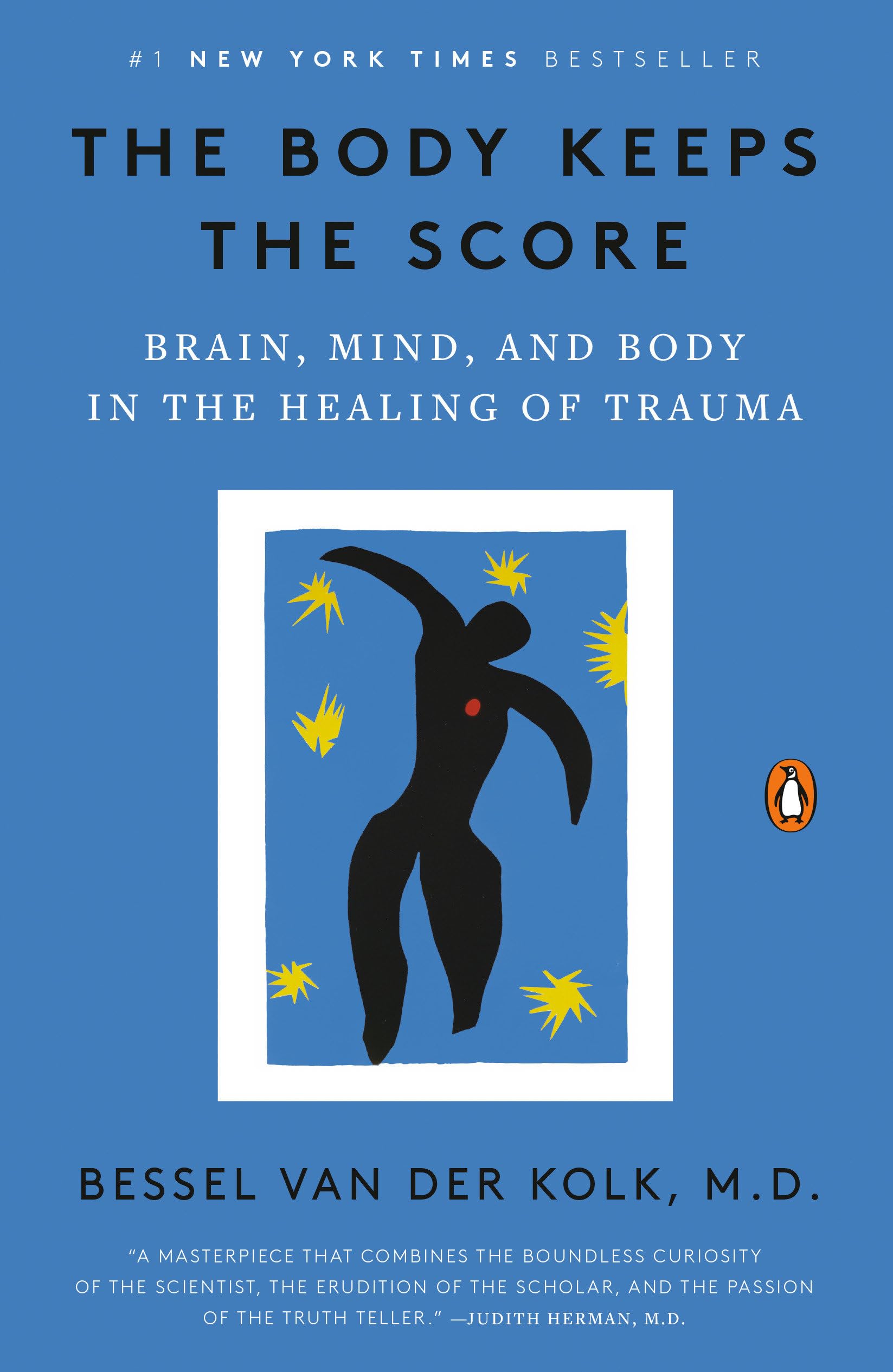
As I continue to re-read “The Body Keeps Score”, the preceding question keeps following me around like a dementor from Harry Potter. It looms eerily over me as I try to absorb the information, page by page. 

What lies am I hiding from myself?” 

It’s a deceptively simple question—and yet, deeply complex. Here’s where it gets tricky: I think I do know. Or at least, I know that I don’t know—and that matters.

Not Forgotten; Just Buried

What I mean is this: I have a sense that parts of my story are missing. Not erased entirely, but inaccessible. Like fragments of a puzzle that refuse to fit, or worse—aren’t even on the table yet. And while I may not be able to consciously retrieve repressed or painful memories at will, I’m not oblivious to the empty spaces they’ve left behind.

The Survival Mechanism of Forgetting

The crux of Darwin’s theory of survival is that the human being has been created to fight, at all costs, to survive. This means that if the brain is subjected to chronic amounts of stressors repetitively and frequently, psychological symptoms ultimately pass the “threshold” that divides the psychological and physical borders of the human make-up.

When pushed to its limits, the body not only keeps score, it also starts to fights back.

Mine is.

When the brain is exposed to overwhelming stress, especially in early developmental periods, it may suppress, distort, or fragment memory—a phenomenon known in clinical literature as dissociative amnesia (American Psychiatric Association, 2013). Over time, these psychological stressors often manifest physically, leading to what trauma scholars call somatization, or the expression of emotional distress through the body (Scaer, 2007; van der Kolk, 1994).

As Dr. Bessel van der Kolk puts it in: “The Body Keeps Score (van der Kolk, 2014), even when the mind shuts down access to traumatic material, the body often retains implicit memory through physiological symptoms, emotional reactivity, and behavioral patterns.

In my case, knowledge didn’t equal power. In fact, itt didn’t even lead to clarity.

I can’t simply “choose” to remember. My awareness of the gaps in my memory does not mean I can access what’s missing. And this disconnect—between cognitive awareness and emotional recall—is something many trauma survivors know all too well.

Dissociation: A Psychological Defense

“What lies are you telling yourself?”

The question won’t leave me alone.

The lies, I believe, have to do somewhat with the psychological concept of dissociation.

Psychologists have long identified dissociation as a protective mechanism. Pierre Janet was one of the first to describe dissociation as a process by which unprocessable experiences are split off from conscious awareness. Today, dissociation is understood as a continuum—from mild daydreaming to severe forms like Dissociative Identity Disorder (Putnam, 1997; Spiegel et al., 2011).

When the mind perceives that a memory or experience is too overwhelming, it may block access to it entirely. This is not a flaw; it’s a survival strategy. It’s a way the psyche says: You can’t hold this right now, so I will.

But there is a cost. Resilience always comes at a cost.

The price of safety can sometimes be the loss of narrative coherence. You begin to sense that your story—your identity—is fractured. You know something’s off. You feel the ache of what you can’t remember.

It’s a strange paradox: how can I be so sure I’m forgetting something, and still have no idea what it is?

Why Share This?

Because I know I’m not alone. I can’t be the only one going through this.

This post is not an attempt to gain sympathy or pity or influence. In fact, I think it’s about the opposite– it is my way of ASKING for help.

To some degree, I am being selfish. I am writing these posts, and making the podcasts because I’m terrified to do it alone.

I don’t want to navigate the murky waters of health issues by myself. They say there is power in numbers, and we are a relational, tribal species. I want to share this journey with you so that, much like Dory in “Finding Nemo”, maybe you all can help guide me, support me, and encourage me in finding my way back to myself.

The Brain That Lies to Me

How do I navigate the world with a brain that lies to me?

How do you begin to walk through the world, gauging people and their motives, or even your own, when you can’t trust your mind?

UGH! Can one of the pesky emotions from “Inside Out” just hit the “un-repress button“, so that all my emotions can return? Right now, they control me. I don’t control them.

I know that my trying to externalize my “mind” from my whole “self” is an extension of polarized, all-or-nothing thinking–a very common cognitive distortion I learned about in graduate school. I know it is a distortion–a maladaptive, inaccurate way of viewing the world. But, as you’ve noticed—knowledge does not mean power. Knowing about it doesn’t mean I’m immune to it; after all, I am just human.

How curious is it that some may even consider me adept in helping others navigate their beautiful and puzzling lives; it is a pity that I can’t seem to utilize the same interventions to help myself?– help myself in a way that is sustainable, wholesome, and hopeful.

The Body Knows What the Mind Can’t Say

“The greatest source of our suffering is the lies we tell ourselves.”

Sigh. This quote is going to be the death of me.

I really don’t know.
And I don’t say that flippantly. I mean it in the most honest, emotionally raw sense possible.

I may not know what the lies are.
But I do know they are not rooted in ignorance.
They are rooted in protection.

So instead of asking, “What lies am I telling myself?”—maybe we start with:
What truths are too painful to carry?

This shift doesn’t eliminate the discomfort, but it reframes the question from one of self-deception to one of survival.

Why is my mind wasting so much energy to make me forget certain truths?

My hunch says it has to do with emotions.

Big, painful, nimbus-cloud, feelings.

“Shame, terror, guilt, grief, powerlessness”, my brain enumerates.

I smile because, as much as my brain infuriates me, I do appreciate all that it has done for me; it is, in part, the reason why I’m here.

[SIDE NOTE: I even wrote a poem to honor the brain, His Arrogant Highness, it’s posted a few blog posts below and is titled “Loquacious Logic”. My poems are much less pedantic than posts like these—ones that butt their heads against a wall, in an attempt to understand myself. ]

I get the feeling that my brain is not half wrong. Notice that I didn’t say “thought.” It truly is an intuitive feeling–a “knowledge” that the human mind has no knowledge of.

I believe the answers lie in uncovering some of the memories associated with those big feelings.

It is scary, however, to think that in trying to protect me–my brain may be engaging in emotional censorship, presenting plausible half-truths, not allowing me to experience my current reality in all of its fullness.

*Shudder*

Ya’ll, I really need to find the “greatest source of my suffering.”

So, I need to find these lies, hidden truths, like… they are Pokemon. Gotta catch ’em all.

and soon (I hope).

Knowledge is not the Same as Wisdom

Despite all my training—all the academic credentials, psychological frameworks, and intellectual insight—I still can’t name the exact lies I may be telling myself. Not because I’m avoiding them. But because I genuinely don’t remember them.

This suggests something profound: that forgetting is not always passive. Sometimes, it’s an active, neurological process—a form of self-preservation

Unless my upcoming EEG tells me otherwise, I’m increasingly convinced that the psychosomatic model is right: trauma, when unresolved, doesn’t just live in the mind—it embeds itself in the body (van der Kolk, 2014; Ogden, Minton, & Pain, 2006).

Hopefully, I will have more answers after my follow-up appointment tomorrow.

Coming Up Soon: Dory and Dissociation

In my next post in the series, I’ll be diving into something seemingly lighter (but surprisingly deep): a comparison between the beloved character Dory from Finding Nemo and trauma survivors who live with dissociative symptoms.

Yes, there will be tangents.
Yes, there will be science.
And yes—there will be some uncomfortable truths.

Because if I’m going to dig into this mess, I might as well bring you with me. Until then, remember:

At the end. it will all be okay. And if it’s not okay…its not the end yet.

also… welcome to the neurotic, neurodivergent nuisance of a mind. #alliterationwins

Love you always, all ways.

IG handle: @mahamabidtalent

YouTube: https://www.youtube.com/@mahamabidtalent

——————————————————————————————

Random Tangent: Neurologist Appointment

PS- I have a follow-up with the neurologist tomorrow; It’s in regard to my EEG results. I’m kinda scared.

But…

Can I tell you something, without you judging me?

Okay–so is it terrible and really ungrateful of me (yes I know, a part of me knows that it is) to almost hope that they find something? That I finally get a diagnosis? Nothing fatal, I mean. But…like…serious enough to be taken seriously?

I mean, I feel as I’ve been complaining about feeling like crap for so long that I’m kinda starting to get frustrated with people not giving a crap. I a aware that it is not life-threatening, and nothing that requires immediate attention. I truly am grateful for thatthe fact that it is nothing serious.

At the same time, though, I want someone to acknowledge that my symptoms feel real to me. Even though healthcare professionals may not know the etiology of my symptoms, they can still validate that the symptoms have really drastically changed the quality of my life.

They have affected my livelihood.

Trust me—passing out on the side of the road was not by choice. Having seizures that I don’t even remember are not fun. But, unfortunately, in today’s world, we have EMS called, they do a superficial check-up, recommend going to a hospital (which will cost you your whole life)…just so they can run the routine scan and labs—stabilize you, and off you go. Let’s just chalk it up to dehydration, anxiety, stress, me being dramatic, major depression, PTSD, malnutrition…have your pick.

It’s the same symptoms–that keep getting dismissed. “Oh, it’s just a fainting spell”…”…just an isolated seizure or two”…

I feel like very few people are truly listening to me. In the last two months, I’ve had at least 8 of these fainting spells. And more, if you consider loss of consciousness accompanied by seizure-like activity.

Try having syncope (fainting episodes) every week–with little to no warning–at any time, anywhere. It’s frankly debilitating and terrifying.

I was let go from work due to a liability issue. Apparently, it’s not cute to pass out mid-sentence at a client’s house or on the side of the road on a shoulder.

In my experience, it is all too easy for contemporary healthcare professionals to chalk up fainting episodes or seizures to anxiety and neurosis. It sucks. Also, did ya’ll know they have a special code they use in the EMS to communicate when someone has an extensive mental health history? Giggles.

When I say that these episodes are happening and I’m scared, please don’t be so quick to chalk it up to my long struggle with anxiety or depression. Sure, there is probably a surge of neurotic patients seen in the ER. Yet, the irony is, it is because I’ve dealt with mental health conditions most of my adult life that I know when things feel drastically worse. Depression? Anxiety? PTSD? At this point, they are like little annoying nephews and nieces that are just along for the drive. I’ve dealt with them my whole life. So if I thought it was just symptoms from years of going through the conditions, I wouldn’t ask for help in the first place.

Passing out? Yes, I know her very well, too. She and I go way back to my panic disorder days. I am acutely aware of the symptoms associated with vasovagal syncope. I haven’t had one of those spells in years. I remember exactly what they feel like, and they don’t feel like this.

I guess all I’m saying is…I want someone to sit down with me (instead of using Telehealth or a phone) and try to hear me as a person. A central point for coordination wouldn’t be a bad idea. Why not compile all these different test results from various specialists together, analyze them holistically, and help point me in the right direction? I want someone to understand my concern because I can tell something is off (in comparison to baseline, which may, in fact, be highly neurotic).

It comes down to validating my own knowledge of my own body.

My asking for help because something feels more wrong is also not due to my pain threshold; It’s not because I’m “being a baby.” When it comes to pain, I had my daughter- 32 hours of labor with no epidural, on purpose. Worst decision ever. But that’s neither here nor there.

I think what I’m really seeking is someone who communicates respect for my own knowledge and awareness of my body, while staying confident in their own expertise. I didn’t realize how important autonomy is to me till I realized that my brain discreetly associates it with the loss of control I felt during my sexual abuse. It is that same loss of control, and helplessness that I carry with me to this very day. So, as much as I want everything to be alright at my appointment tomorrow, and as much as I truly desire for it to be nothing too serious or “unfixable”, is it inexplicable for me to want some proof on some sheet of paper to reassure myself of my own intuition? & If I’m being completely honest..a part of me also wants it as a way to say “f*ck you” to all those who made me doubt myself…and to EACH individual who treated my body like they knew it better than I did.

It’s often trying to reason with very successful and loveable left-brained doctors and lawyers, especially when they are in your family system. My whimsical right brain gets defeated pretty effortlessly when its only weapons are the very invisible “intuition” and elusive “emotional acuity.”

“black sheep”, anyone?

Anyway, until next time, keep me in your prayers. My appointment tomorrow is at 10 am ET. I have scheduled this blog post to publish at the exact same time as my follow-up appointment

Till then…

Never forget that you are the expert in your life. Every specialist, life coach, counselor, teacher—everyone outside of you simply serves as an ally to help add depth, vocabulary and detail around your real experience.

Till next time, do not forget that ~*you are iconic*~.

Love you always, all ways.

IG: @mahamabidtalent.

Death’s Delightful Doorstep

this poem captures how I felt during my near-death experience…after the car wreck that nearly took my life away. It’s been years since then, but the feelings I describe below are still palpable. I remember the experience as it if were yesterday.

Darkness, go away; Let me be!

You have always felt unsettling to me.

But this time, you don’t seem as eerie as could be.

A million warm candles around me I can’t see,

cradled in the arms of my Creator, I finally felt free.

In His Presence, all the “whys?’s” disappear,

because the everlasting Truth becomes glaringly clear.

I was never alone—not for a single day–

even when I was stumbling along, trying to find my way.

The moment I met God, “I” ceased to exist.

When there was no more “me”, there was nothing left to resist.

So naturally, I merged with everything that was True,

—finally giving up my quizzical quest to learn and pursue.

There is a beautiful Power in surrender, indeed.

Merging with Oneness is what it truly means to succeed.

Love you all ways, always

@mahamabidtalent

Unpacking “Self-compassion”

Understanding Self-Compassion

“Unpacking WHAT?” I blurted out aloud, years ago. I was in the middle of attending a continuing teaching certification course.

“Unpacking standards,” the speaker repeated, much slower, almost to be clapping out the syllables.

Judging by the blank stare on my early teacher face, she looked up to my Bambi, doe-eyed self, and repeated, once again, “yes–really figuring out how you measure the things we ask you to measure.”

Floored. I was floored. My brain had never thought that far.

We have these objectives–these assessment tools–“points of relativity” from which we are supposed to evaluate humans…in comparison to how they are doing to other humans. 💁‍♀️

Each educator at every level has seen them, heard of them and even had them beat into their nightmares.

Yet so few times do we have John Maxwell type “leaders” who truly take time to explain what these subjectively defined target points mean. In my 8 years of teaching, I’ve seldom had someone really break down what each objective means– into real world, observable, measurable examples I could observe in the classroom.

How am I supposed to know what a 5 year old looks like when they are “applying knowledge of structure and phonics to decode text?” That sentence alone makes my own head explode 🤯

So here is a blog post about unpacking self-compassion.

~Self Compassion: What it is it about?~

Self-compassion, as defined by researcher Dr. Kristin Neff, involves treating yourself with the same kindness, care, and understanding that you would extend to a loved one in distress. The three core components are:

1. Mindfulness

Observing your feelings without judgment or over-identification.

This is the one with whom I continue to wrestle a challenging relationship with. WE have a lot to learn about one another (which means…I have a lot of surrendering to do #nottodaysatan

2. Common Humanity

Realizing that suffering and imperfection are shared human experiences.

Curiosity is a safer friend to sit with alone; sometimes the daunting intonations of its’ companions, shame and hope, are more arduous to sit with together.

Realizing that suffering and imperfection are shared human experiences.

3. Self-Kindness

Acknowledging your pain with warmth and understanding, rather than criticism.

Self-compassion isn’t self-pity, passivity, or a lack of accountability. Instead, it’s a powerful tool to support “emotional well-being”, especially for individuals processing trauma or working toward healing:

Why Self-Compassion Matters

When life’s challenges become overwhelming (and they will), self-compassion serves, as an anchor. Research shows that compassion-focused practices can reduce anxiety, depression, and feelings of shame, key obstacles for those healing from PTSD or cPTSD. A lack of self-compassion amplifies self-criticism and isolation, leaving many trapped in cycles of guilt or fear. Embracing self-compassion creates a foundation for healing and reconnecting with yourself.

In a fast-paced world that values hustle, achievement, and productivity, self-compassion often takes a backseat. For many—including those dealing with trauma, PTSD, cPTSD, or the aftermath of difficult experiences like assault—

Practicing kindness toward yourself can feel foreign, or even impossible. However, self-compassion is a vital step toward healing and empowerment.
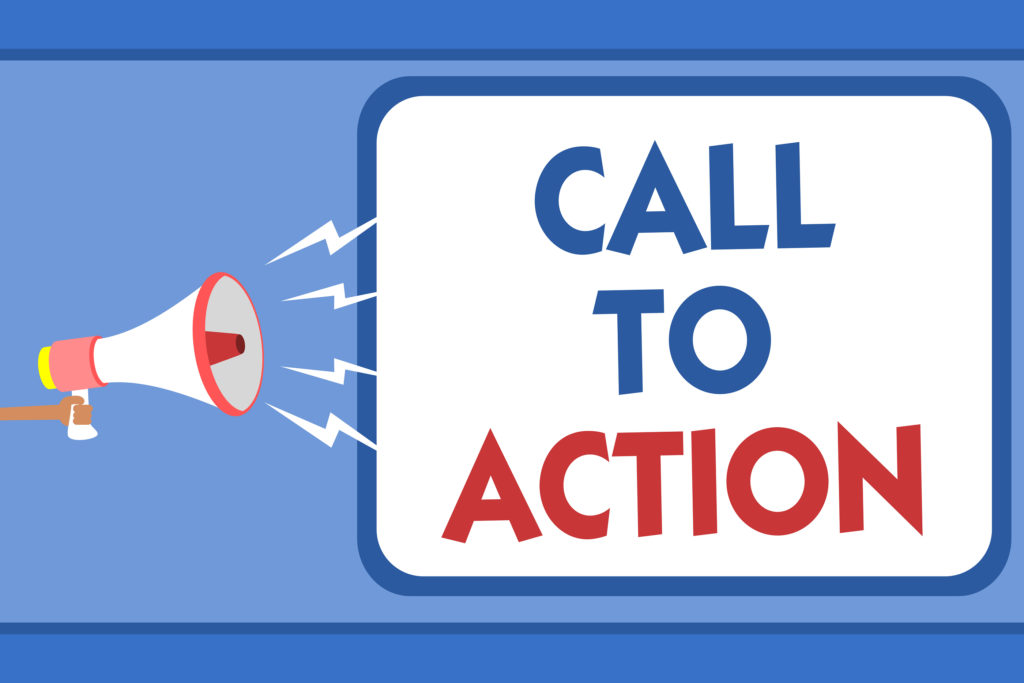
In the next informative blog post, you’ll discover 10 simple yet transformative ways to cultivate self-compassion, backed by mindfulness, presence, and gentle practices you can integrate into everyday life.

Love you always, ALL ways!

IG: @mahamabidtalent

Chrysalis

By: Maham Abid

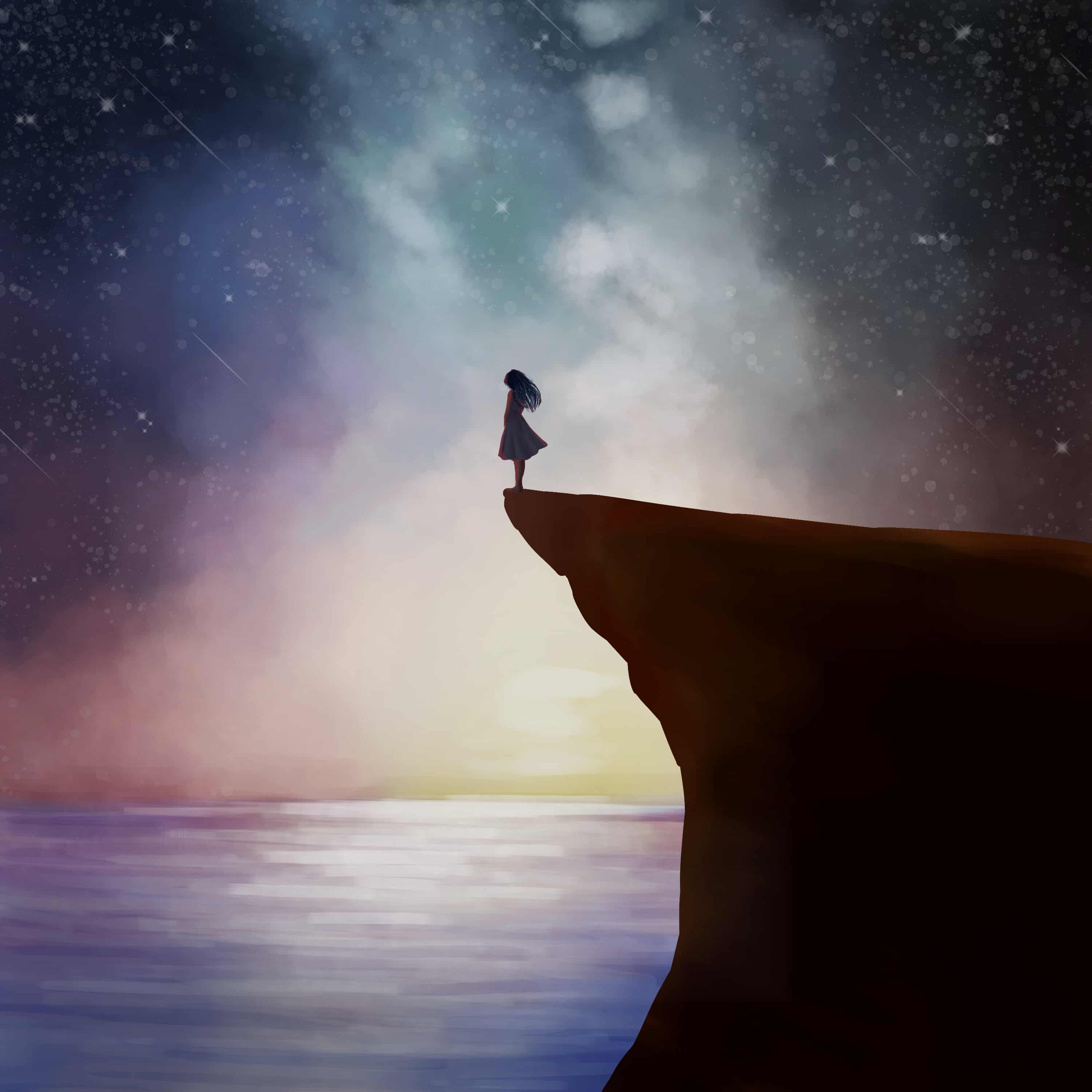
She stood near the edge- pretending to fall-

Imagining her landing- losing it all.

A “graceful flight” to death she’d take–

Maybe then, her soul would finally wake.

For years she’d floated away, anyway–

Pretending– barely making it, day-by-day.

She knew there was more–there HAD to be!

She romanticized descending ever so delicately.

Perhaps, she’d find her wings at last?

Would she fall slow? Would she fall fast?

Would it really take her breath away?

Should this, after all, be her final day?

Nothing to live for–nothing at all.

Reasons to give up, reasons to fall.

Inch-by-inch, she reached the end.

Her back formed an arch–a lovely bend.

She was not afraid in the least–

Her destination was awaiting her ominously beneath.

A rippling river, smoothing the rocks–

–wind whipping through her caramel locks.

She took a breath, and finally made her choice.

The air inhaled her quivering voice.

She stepped further and further–away from the ledge.

Never again–not THIS way, she pledged.

She collapsed in a heap on the cold, cracked ground.

Her sobbing and the river intermingled their synchronized sounds.

How had she gotten to her wits end?

I think, too many years of playing pretend…

“I’ve got you; you’re safe,” whispered a Voice in the night.

Comforting and warm–she knew it was right.

“I’ve wanted to talk and finally be heard.”

“Now is the time; here are the words.”

She listened intently, instead of wondering Who it was.

A fullness enveloped her with Love in each pause.

“You don’t have to hide; it is not your time to die.”

“I’m here with you, now, to lull and to guide.”

“Trust me and follow all that I say…”

“I promise to be beside you, forever and a day.”

The stars up above her twinkled brilliantly with delight.

Still as could be, she nestled into the Voice of the night.

“Are you an angel? Who are you?” she asked,

“Tell me! Are you God? Have I found You at last?”

This voice seemed closer– it came from within.

“You see, ” it smiled, “I am all of those things.”

“I am a friend, you could say– I am you in a Higher Form.”

“I’ll keep you safe and promise to keep you warm.”

“Just listen and feel, I’ll help you through…”

“Now you’ll know just what to do.”

“Tomorrow’s a new day–a second chance…”

“Now dry your tears; life is just a dazed dance.”

“I love you and know you love Me too.”

“…and now you know JUST what you have to do.”

Somehow, as vague as it was, the girl understood.

She would make it. There was no doubt; she really would!

No more dreams of dying and death–

–no more longing for her final breath.

She wasn’t alone–she never had been.

Its come time to live and throw caution to the wind!

________

Love you always, all ways.

IG: @mahamabidtalent

Finding Strength in the Storm

Navigating Life Immediately After Trauma

Trauma has a way of upending our world in an instant. For women who have bravely endured rape, abuse, or assault, the initial aftermath can feel like standing in most turbulent part of a hurricane—overwhelmed, shaken, unsure where to turn.
While the emotional chaos may feel insurmountable, it’s important to know this: healing is possible, and you don’t have to navigate this journey alone. How do I know this? Because you’re proof. You merely reading this blog post by some random stranger shows me that despite how I may feel at times, I’m not actually alone.

My goal for this blog post is to offer insights, actionable steps, and compassionate guidance to help us begin the process of recovery, no matter the crisis. We have already shown extraordinary strength by surviving. Now, let’s focus on taking the first steps toward healing.

1. Acknowledge the Overwhelm: You are not broken.

The days immediately following trauma are often filled with a tangle of emotions—shock, guilt, anger, sadness, and fear. These feelings are not a sign of weakness or failure. They are a normal response to an abnormal event. Trauma impacts both the mind and body, and understanding this can be the first step toward regaining control.


Take a moment to remind yourself that what happened to you does not define who you are. You are not broken. If you take anything away from this pedantic blog, please let it be this: you are not broken. We are simply responding to a devastating experience, and that, in itself, is a reflection of your humanity.

ACTIONABLE STEP: Begin by naming your emotions. Journaling, voice recording, or even speaking aloud to yourself can help you identify and process these feelings. This first step is vital in beginning to untangle the emotional storm inside.

2. Prioritize Your Safety and Basic Needs

The immediate aftermath of trauma can leave you feeling unsafe in your own skin. Reestablishing a sense of security, both physically and emotionally, is crucial. That might mean creating boundaries with people who don’t support your recovery or avoiding places that trigger painful memories.

Coming from a culture in which we aren’t to date, it is so easy to pin any sort of negative domestic exchange on the women. The dissolution of a marriage? a woman’s fault. The husband cheating? it’s the woman’s fault. Assault, abuse, rape? No brainer. WOMAN’S FAULT.

And honestly, I don’t think it’s an exclusively cultural thing. I see it everywhere–in every continent; that makes my heart very sad.

If I had a penny for every time I’ve sought out support and understanding in contemporary culture and heard the statements above instead, I would be a millionaire—

“See, this is why Allah swt told you not to date–He knew these things would happen (which to some extent, I agree), –so it is your fault. If you hadn’t dated, you wouldn’t have suffered ______”

I digress.

In the aftermath of a crisis, it is equally important to tend to your physical needs as well, such as adequate sleep, nourishing food, and hydration. These seem like small tasks, but they lay the foundation for emotional healing.

ACTIONABLE STEP: If safe, reach out to a trusted support system, whether it’s a friend, family member, hotline, or therapist. Convey your need for safety and begin to design a personal plan to help you feel grounded.

3. Give Yourself Permission to Feel

Survivors of rape and abuse often try to suppress their feelings, either out of fear of being judged or because the feelings are too hard to face. However, bottling up your emotions will only prolong your pain. It’s okay to cry, yell, rest, or express your emotions in a way that feels safe for you.

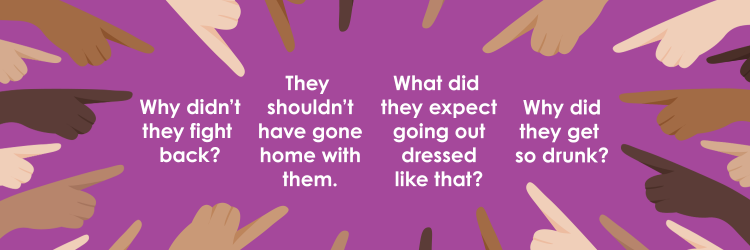
One of the most painful consequences of trauma is feeling invalidated—whether that’s by others or your own inner critic. You may hear thoughts like:

  • it was my fault
  • it was because i wore that
  • it was because I drank too much
  • it was because I was vulnerable. I knew I shouldn’t have gone.
  • it was because I dated.
  • it was because I asked for it.
  • it was because I don’t remember it.

The list goes ON and ON. But you know what I find to be the motif among the list….

“It was because I deserved it'”.

ACTIONABLE STEP- Try journaling as a form of release. Write without censuring yourself—this is a space just for you. Putting your feelings into words can help you process what happened and regain some sense of control. Remember, feelings are not right or wrong; they are simply part of your healing process.

For me, writing poetry is such a cathartic experience. When I’m flooded with intrusive thoughts, I start finding words that rhyme in my head. Honestly, as a kindergarten teacher, it works. It takes quite a bit of brain power to generate words that rhyme–much less, string them together in a sentence that abstractly captures my feelings.

Understand the Immediate Aftermath of Trauma

When trauma occurs, your body and mind react instinctively to process what happened. These reactions—whether they manifest as numbness, fear, anger, guilt, or disbelief—are completely normal. Your brain is trying to make sense of something senseless and figure out how to protect you moving forward.

Many survivors describe feeling like they’re in a fog or like life has suddenly changed in an instant. After a sexual assault or act of abuse, the fight-or-flight response remains heightened, leading to physical and emotional exhaustion. The first step in addressing these overwhelming reactions is to remind yourself: everything you’re feeling right now is a valid response to trauma.

Our journey to healing starts with self-compassion.

And that’s what we’ll dive deeper into in my next post–practicing self-compassion.

But for now…

ACTIONABLE STEP: Start practicing and incorporating self-compassion.

Love you, all ways, always.

IG: @mahamabidtalent

Fragments

April 19th, 2025

Most days, I feel as if I’m grasping at straws,

like a cat gripping the edge of a well with all her claws.

But, unlike her, if I manage to get out–

I can’t trek this Earth without fear and doubt.

It feels as if someone swirled a ladle inside my brain.

The memories–cracked and fragmented–yet the pain remains the same.

The resourceful rescuer that lives in my head–

–has tried its hardest to put the tormenting thoughts to rest.

But the benevolent body–it never forgets.

It may silence the screams, but it stores them as stress.

Version 1.0.0

Then, one day, when nothing seems to have gone awry at all–

–as the trees shed what is dead, and autumn leaves begin to fall.

A piercing cry echoes through the crisp air.

The horror in her howling is almost too much to bear.

“Someone needs my help!”; so I search frantically around to see–

–only to find that the bleeding bellow escaped from none other than me.

Softness

By: Maham Abid Written: 04/21/2025

Perhaps, it’s finally time to let my guards down.

When you’re hurting alone, it doesn’t matter if you have a crown. 

How can I easily fool myself this well?

I can easily camouflage as “sunshine” to those going through hell.

It’s all a facade, and I know you can see right through.

It’s me who has been unwilling to look at the pain that’s clearly true.

The type of strife that you will get to hear, 

might bring even the “strongest ones” of you to tears. 

Some may think this isn’t an appropriate story to share.

But selfishly, sharing with you all makes me feel a little less scared.

The parts of my story that seem too daunting to bear–

Suddenly don’t appear clouded with fear, all because I dared to share.

Maybe doing it “alone” is not the way to go…

It’s equal parts petrifying to let the real “me” finally show.

Rejection, and judgement are not at all what I need right now.

I need a place to process this grief, to feel, and let it all out.

But, being judged, ostracized, and the things I fear most—

—are ironically the ones I’ve experienced the most up-close.

It’s irrelevant because I already feel unworthy of belonging and love,

but maybe human connection is my “prayer answered” from above.

What if, little by little, I begin to let others in?

Perhaps, I won’t feel like such an unforgivable sin.

So when I begin to ponder about my roller-coaster of a life,

My assuming the role of the “black sheep” doesn’t come as a surprise.

Sure, there are benefits to being “big, bad, and bold..”

Yet, softness can warm up crumpled crevices

that fickle fear won’t ever have the privilege to hold.

Love you all ways, always ❤

IG: @mahamabidtalent