Trauma has a way of upending our world in an instant. For women who have bravely endured rape, abuse, or assault, the initial aftermath can feel like standing in most turbulent part of a hurricane—overwhelmed, shaken, unsure where to turn.
While the emotional chaos may feel insurmountable, it’s important to know this: healing is possible, and you don’t have to navigate this journey alone. How do I know this? Because you’re proof. You merely reading this blog post by some random stranger shows me that despite how I may feel at times, I’m not actually alone.
My goal for this blog post is to offer insights, actionable steps, and compassionate guidance to help us begin the process of recovery, no matter the crisis. We have already shown extraordinary strength by surviving. Now, let’s focus on taking the first steps toward healing.
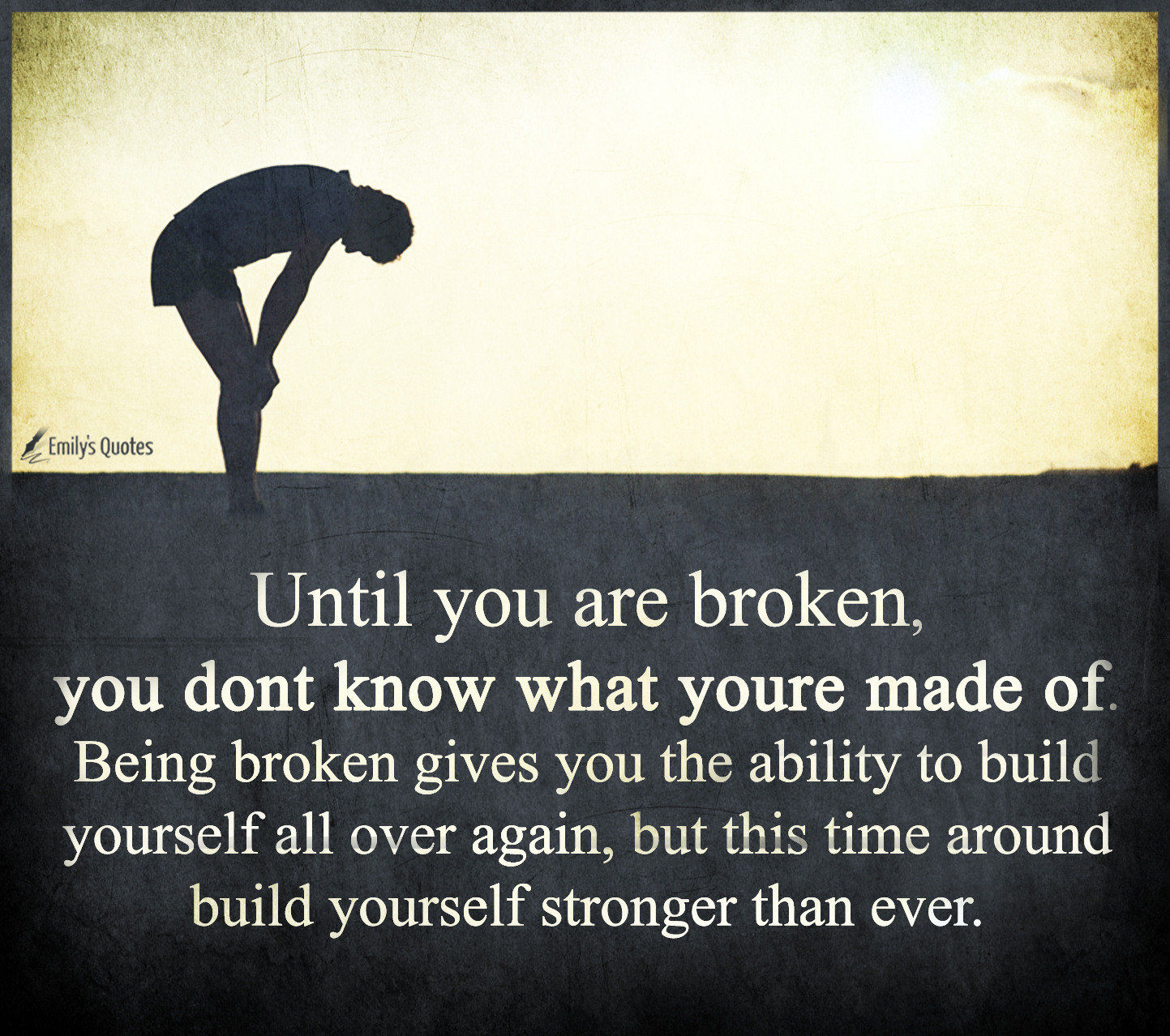
1. Acknowledge the Overwhelm: You are not broken.
The days immediately following trauma are often filled with a tangle of emotions—shock, guilt, anger, sadness, and fear. These feelings are not a sign of weakness or failure. They are a normal response to an abnormal event. Trauma impacts both the mind and body, and understanding this can be the first step toward regaining control.
Take a moment to remind yourself that what happened to you does not define who you are. You are not broken. If you take anything away from this pedantic blog, please let it be this: you are not broken. We are simply responding to a devastating experience, and that, in itself, is a reflection of your humanity.
ACTIONABLE STEP: Begin by naming your emotions. Journaling, voice recording, or even speaking aloud to yourself can help you identify and process these feelings. This first step is vital in beginning to untangle the emotional storm inside.
2. Prioritize Your Safety and Basic Needs
The immediate aftermath of trauma can leave you feeling unsafe in your own skin. Reestablishing a sense of security, both physically and emotionally, is crucial. That might mean creating boundaries with people who don’t support your recovery or avoiding places that trigger painful memories.
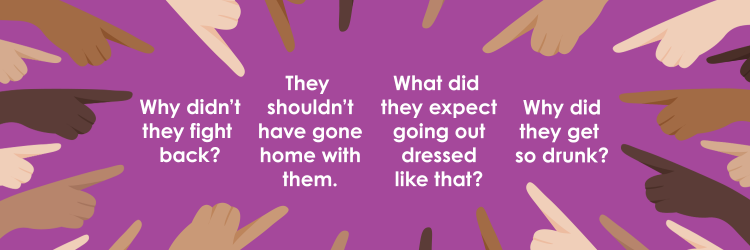
Coming from a culture in which we aren’t to date, it is so easy to pin any sort of negative domestic exchange on the women. The dissolution of a marriage? a woman’s fault. The husband cheating? it’s the woman’s fault. Assault, abuse, rape? No brainer. WOMAN’S FAULT.
And honestly, I don’t think it’s an exclusively cultural thing. I see it everywhere–in every continent; that makes my heart very sad.
If I had a penny for every time I’ve sought out support and understanding in contemporary culture and heard the statements above instead, I would be a millionaire—
“See, this is why Allah swt told you not to date–He knew these things would happen (which to some extent, I agree), –so it is your fault. If you hadn’t dated, you wouldn’t have suffered ______”
I digress.
In the aftermath of a crisis, it is equally important to tend to your physical needs as well, such as adequate sleep, nourishing food, and hydration. These seem like small tasks, but they lay the foundation for emotional healing.
ACTIONABLE STEP: If safe, reach out to a trusted support system, whether it’s a friend, family member, hotline, or therapist. Convey your need for safety and begin to design a personal plan to help you feel grounded.
3. Give Yourself Permission to Feel
Survivors of rape and abuse often try to suppress their feelings, either out of fear of being judged or because the feelings are too hard to face. However, bottling up your emotions will only prolong your pain. It’s okay to cry, yell, rest, or express your emotions in a way that feels safe for you.
One of the most painful consequences of trauma is feeling invalidated—whether that’s by others or your own inner critic. You may hear thoughts like:
it was my fault
it was because i wore that
it was because I drank too much
it was because I was vulnerable. I knew I shouldn’t have gone.
it was because I dated.
it was because I asked for it.
it was because I don’t remember it.
The list goes ON and ON. But you know what I find to be the motif among the list….
“It was because I deserved it'”.
ACTIONABLE STEP- Try journaling as a form of release. Write without censuring yourself—this is a space just for you. Putting your feelings into words can help you process what happened and regain some sense of control. Remember, feelings are not right or wrong; they are simply part of your healing process.
For me, writing poetry is such a cathartic experience. When I’m flooded with intrusive thoughts, I start finding words that rhyme in my head. Honestly, as a kindergarten teacher, it works. It takes quite a bit of brain power to generate words that rhyme–much less, string them together in a sentence that abstractly captures my feelings.
Understand the Immediate Aftermath of Trauma
When trauma occurs, your body and mind react instinctively to process what happened. These reactions—whether they manifest as numbness, fear, anger, guilt, or disbelief—are completely normal. Your brain is trying to make sense of something senseless and figure out how to protect you moving forward.
Many survivors describe feeling like they’re in a fog or like life has suddenly changed in an instant. After a sexual assault or act of abuse, the fight-or-flight response remains heightened, leading to physical and emotional exhaustion. The first step in addressing these overwhelming reactions is to remind yourself: everything you’re feeling right now is a valid response to trauma.
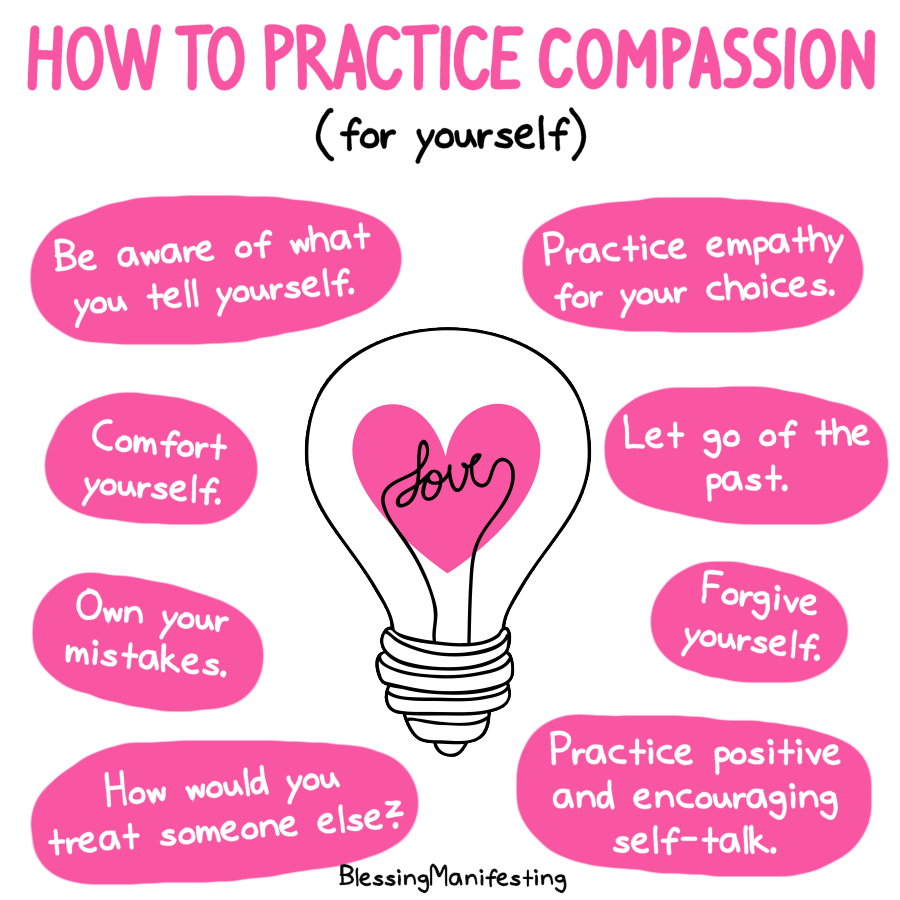
Our journey to healing starts with self-compassion.
And that’s what we’ll dive deeper into in my next post–practicing self-compassion.
But for now…
ACTIONABLE STEP: Start practicing and incorporating self-compassion.
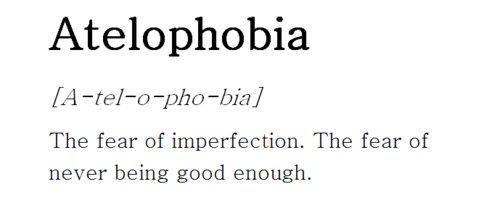
The last few days, I have been feeling plagued by this feeling of not being “enough.” Not a “good enough” daughter, a “good enough” sister, “a good enough” wife, a “good enough” person, a “good enough” athlete. This got me to thinking about where this was coming from. What is going on with me?
Sigh. This again?
Let me begin by speaking about an interesting self-observation. I’ve always loved experimental science. My bachelors degree was in Biology (pre-med route). I loved that it possessed an element of certainty. If I mix these chemicals, in these precisely measured amounts, chances are that I will always attain the same reaction, again and again and again. Always. There is that dreaded word again.
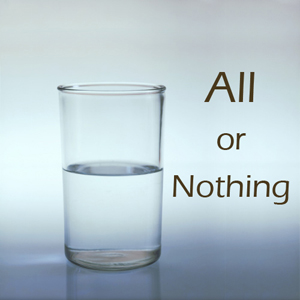
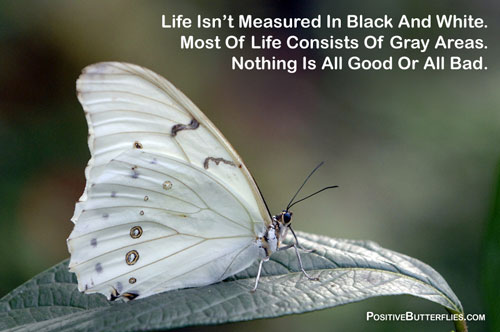
This year, especially, life has been weaving a thread of sub-optimality within me . It has redundantly challenged my “all-or-nothing” cognitive distortions. Repetitively, I have found myself having to wrestle with the “gray areas.” Though unbelievably arduous, the rewards I’ve started to reap are priceless. The presence of “grays” has allowed me to cultivate gentle compassion for the wide array of human paradoxes. To be human is to be in a persisting battle of internal and external contradictions. “I want to be different, but I am so invested in fitting in.” “I want to be able to feel good about myself in any shape, and form, but I MUST be pretty, fit, and barbie-like.” “I want to stand up for myself, but I don’t want to stir up any conflict.” Do you see the double-binds?
One of the closest relationships I’ve had was the epitome of this paradoxical relationship (I’m going to keep them disclosed, for the purposes of this blog). I think that’s where a lot of my fear of not “being good enough” comes from. This relationship had dynamics that were quite odd and contradictory. Love was offered in a very conditional manner. After being exposed to it, I, inaccurately, learned that I must be a certain way, to be loved, to be worthy– to be good enough.
The preceding reason is why I think my struggle with “all or nothing” thinking was exacerbated. I’m was either the best at something, or I didn’t want to try it at all. My school assignments were either 45 pages long, or they were the bare minimum. At it’s very basis, this thought process is reminiscent of the “fight or flight” survival response. If I interpret a situation as a “challenge” I’ll either run towards it fearlessly, prepared to tackle it at any cost. Or…I won’t even try. I’ll give up, retreat, and hide.
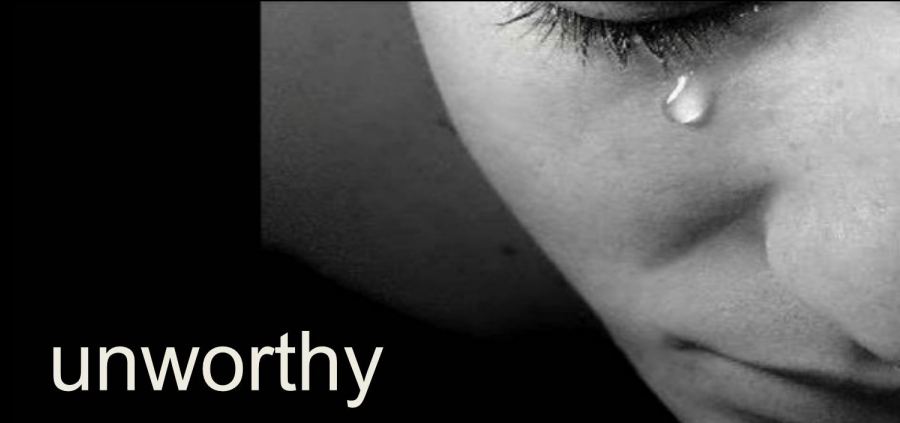
And for some reason, retreating, hiding, and being afraid have become synchronized with feelings of shame, and unworthiness. If I am afraid, I am weak. And if I am weak, then I am flawed. And if I am flawed, then I am surely unworthy of love.
It’s reasonable to say that the last few years have forced me to, dare I say, START to accept–actually, more like tolerate, the imperfections, mistakes and incongruities within myself. I’m starting to comprehend that, maybe, I don’t have to expend an exhausting amount of energy to try to “mask” or hide my imperfections. So if I’m not hiding, and shaming myself into a self-loathing whirlpool, what do I do instead? I breathe.
In fact, I’ve found that most of my work lies in acceptance. It lies in cultivating acceptance for the fact that there will always, to some extent, be opposing forces present within me. Consider the age-old “good vs bad” battle that is so inherent to human existence. It’s served as a theme in movies, book plots, and even in religions. Monotheistic religions agree that there are two predominant forces acting upon us; there is a righteous force: “God” and also a tempting, misleading force: “Satan.” Human suffering, therefore, becomes a result of consistently trying to reconcile these two oppositions within ourselves.
Acceptance for the “good” and “bad” parts of me have granted me permission to invite and feel the entirety of my experience. In an earlier blog, I wrote about how Carl Rogers, an esteemed idol, said that one of the indicators of true growth is that individuals begin to own and accept their experience. It begins with “owning”, which slowly turns into “trusting”. I would like to think that, so far, I have become AWARE of my contradictions, began to vocalize them, and am starting to tolerate them. I’m hoping that trust in my own experience will be a friend that I will soon encounter, as I continue progressing upon this journey.
Another important discovery I’ve made is ALSO contrary to my prior conceptions. I’ve found, through direct experiencing, that sharing your vulnerability with another selected human being–and I mean, actually sharing the entirety of your story with them, creates MORE autonomy and trust in oneself. I had been absolutely frightened, for so long because I thought that sharing and letting people “see” me would result in me being rejected, abandoned, and isolated. But that didn’t happen.
Instead, I found safety. I landed on the softest cloud after taking a fearful “emotional skydive.” I not only found acceptance, friendship and connection with another being, but I also gained greater trust in myself. How? Because in those fearful moments, I was able to recognize what I truly needed, and therefore, I was able to “give” it to myself. I was capable of identifying that my hunger was for connection–for love and for friendship. By sharing my story, I actively chose to provide those things for me.
I truly believe that each and every human being possesses all the necessary tools to attain the answers to our own troubles. We have enough strength, insight and fortitude to resolve conflicts by ourselves. By the same token, we also have enough wisdom and clarity to recognize when seeking refuge in the kind companionship of another will help alleviate our burdens.
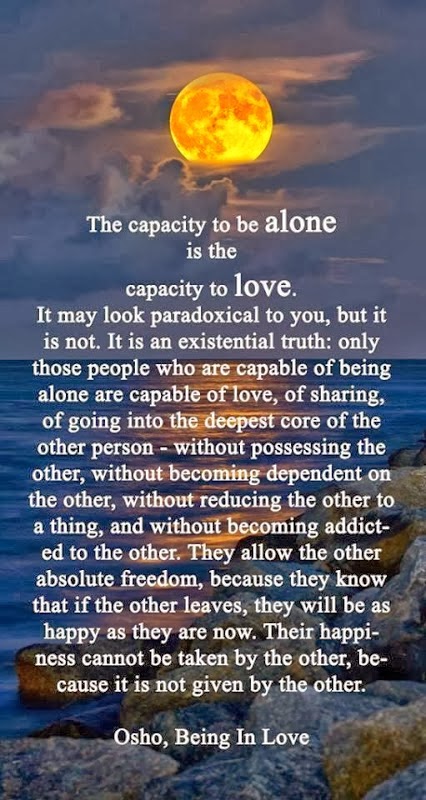
This brings me to one of the most important lessons that I am learning: it is our responsibility, and ours alone, to take time to BUILD a relationship with ourselves. We need to sit down and calmly listen to ourselves so that we can properly identify what we need, and, only then, ponder about the ways to get those needs fulfilled.
That is our responsibility alone. I don’t even know if it as much a responsibility, as it is a birth-given right. Even if we wish to relinquish the responsibility to take care of ourselves, we cannot. We OWN the deed to our houses. We can invite others in, enjoy their company, but the house remains ours, and ours alone. As our lives progress, we may select a roommate (a friend, a lover, a partner) whom we CHOOSE to share an intimate bond with–somebody we invite to live in our home. BUT the house will still remain ours.
And, that is a frighteningly lovely thing.
If I choose not to attend to the house, it simply becomes dirty and untaken care of. NO ONE can clean it but me. This is why we get so reactive to our partners, and our closest friends. When our own insecurities arise, we, so often, expect them to take care of it, and to make it better. We want them to “fix us.” But they cannot. That responsibility was never theirs. I’ve found that I become most volatile in my interactions with my poor husband (lol), when I am desperately searching for assurance, comfort, and compassion in a source that is NOT MYSELF. The grumpy cat version of me comes out: “How DARE you not make me feel better? Don’t you get it? That’s your job!”
But it really isn’t.
The house was never theirs.
So today, I want you to join me in accepting this birth right–accepting the ownership for our house. I own and claim this realization. I know that I have to make time to rebuild and maintain a relationship with my everchanging self. I have to trust my heart, my mind, my body and my soul. I have to trust that together, we are enough. I have to make time to attend to myself, provide myself with the necessary reassurance, positivity and love. If I feel I cannot do that, I will not abandon myself. Because, I know that even in those moments, I can still generate acceptance. I will, simply, accept that it may be hard for me to accept certain circumstances and, feelings. I am not going to walk away from me, because I know that I already possess everything that I need to live a wholehearted and fulfilling life.
“The most important voice we need to trust in any relationship is our own. We need to trust ourselves to perceive and process information. We owe ourselves honesty, rather than comfort with false fantasies. And only then, can we assume responsibility to speak up, and insist on fair treatment and respect for ourselves. Clarity of voice comes from inner conviction about oneself. It comes from deeply held values about self-respect. Remember that to be heard, you may need to lower the volume and intensity, rather than raise it.” –Harriet Lerner.










 abidmaham