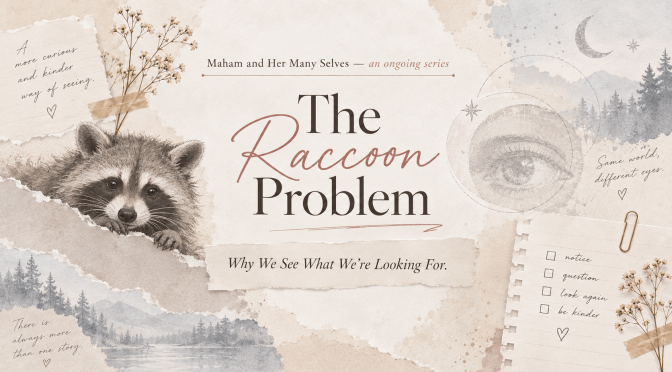
I do not remember when I first realized raccoons were weird. Perhaps in Pocahontas. Meeko was kind of my hero. Him and Mushu.
Maybe it was the tiny masked face. Maybe it was the suspicious little hands. Maybe it was the way they appear in the world with the confidence of a creature that knows exactly what it is doing, even when it is absolutely unclear to the rest of us.
Raccoons look like they know something.
And because humans are humans, we immediately begin filling in the blanks.
We call them clever. Mischievous. Adorable. Annoying. Little forest bandits.
But here is the strange part:
The raccoon did not change.
Our perception of the raccoon did.
I know, I know. Just follow me here in good faith.
The world around us is constantly offering information, but we do not experience it like a security camera. We sort it. Translate it. Attach stories to it. Decide what matters and what gets shoved into the background.
I once went to an estate sale and came home convinced an inanimate object had a story to tell me.
We’ll come back to that.
And apparently, we start doing this before we even know we’re doing it.
Light enters the eye and hits the retina, and somewhere between light exists and oh, that’s a raccoon, your visual system has already started sorting.
The retina is not just sitting back there taking pictures.
It notices things.
Edges. Contrast. Movement. Changes in light.
Which means that before your conscious brain gets the memo, some part of you is already asking:
What is this?
Have I seen this before?
Does this matter?
Should I remember it?
This is why, after learning a new word, suddenly you seem to see it everywhere. Why a song you have not heard in years appears three times in one week. Why you can recognize a friend’s walk from across a parking lot before you can see their face.
The world did not suddenly become full of that thing.
Your attention changed.
And this is where the raccoon problem begins.
Because the same human system that allows us to find patterns can also create illusions.
We see faces in clouds. We find shapes in shadows. We connect moments together and create stories.
Sometimes those stories are wrong.
But sometimes?
Sometimes that same ability is what allows us to create art, recognize kindness, build relationships, and notice what others overlook.
The human brain is not only a machine for survival.
It is a machine for meaning.
Which is inconvenient, because now we have a new problem.
If we are always interpreting what we see, then how do we know when we are noticing something real and when we are simply noticing ourselves?
I do not think the answer is to stop looking for patterns.
That sounds healthy and reasonable.
Yes
And probably impossible.
Maybe the better question is whether we can stay curious about what we notice without immediately turning it into certainty.
Because there is a difference between:
That meant something to me.
and
That means something.
A small difference in language.
A massive difference in posture.
And honestly, I am still learning it.
The raccoon is still there.
The little masked creature, standing in the dark, looking like it knows a secret.
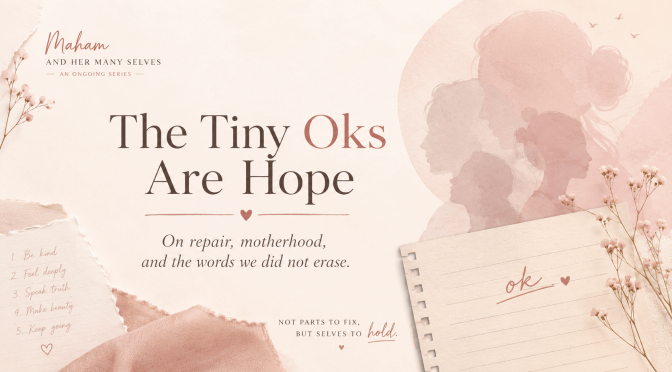
On repair, motherhood, and the words we did not erase.
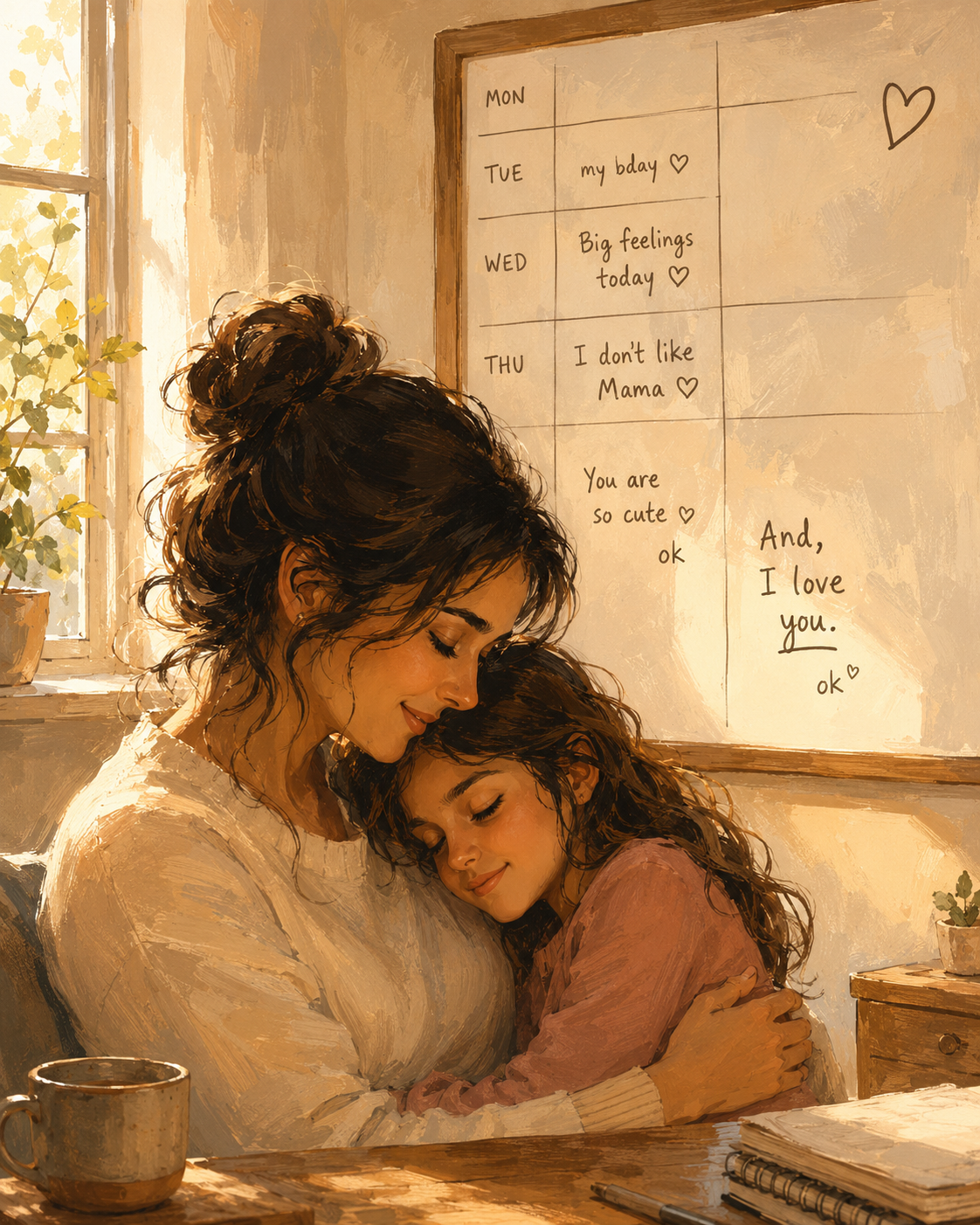
My daughter wrote “I don’t like Mama” on our weekly planner.
Then, a little later, I wrote:
“And I love you.”
By the end of the day, underneath my repair words, she had added the smallest possible offering:
ok.
Not a grand apology.
Not a cinematic hug with swelling music and one tasteful tear.
Not one of those soft-focus parenting moments where everyone wears linen and speaks in nervous-system-approved whispers.
Just dry-erase marker.
A hard day.
A rupture that did not become the ending.
And two tiny letters that felt like hope.
Because here is what I am learning: repair does not always look beautiful while it is happening.
Sometimes repair looks like a child writing the thing she feels before she knows how to say it gently.
Sometimes repair looks like a mother feeling the sting of those words and choosing not to make the child responsible for that sting.
Sometimes repair looks like writing back:
“You are so cute.”
“I’m sorry today felt so big.”
“And I still love you”
And sometimes, after all of that, repair looks like a tiny ok written underneath your words.
The tiny oks are hope because they prove something quietly revolutionary:
Rupture happened, and love still had somewhere to land.
For a long time, I thought good mothering meant preventing rupture.
If my child was upset with me, I had failed.
If I reacted, I was becoming everything I feared.
If repair was not immediate, eloquent, complete, and preferably witnessed by a small panel of experts confirming I had not ruined my child forever, it probably did not count.
But motherhood is teaching me something much less glamorous and much more holy:
Repair is not the absence of rupture.
Repair is what happens when rupture is allowed to be real, but not allowed to write the whole story.
Repair, I am learning, is not asking my child to reassure me.
It is showing her that I can stay present without making her feelings dangerous.
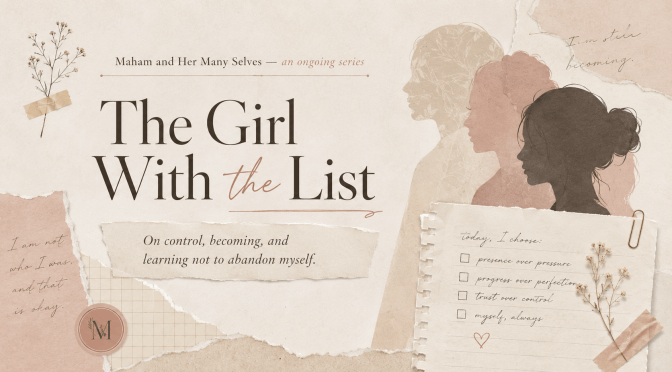
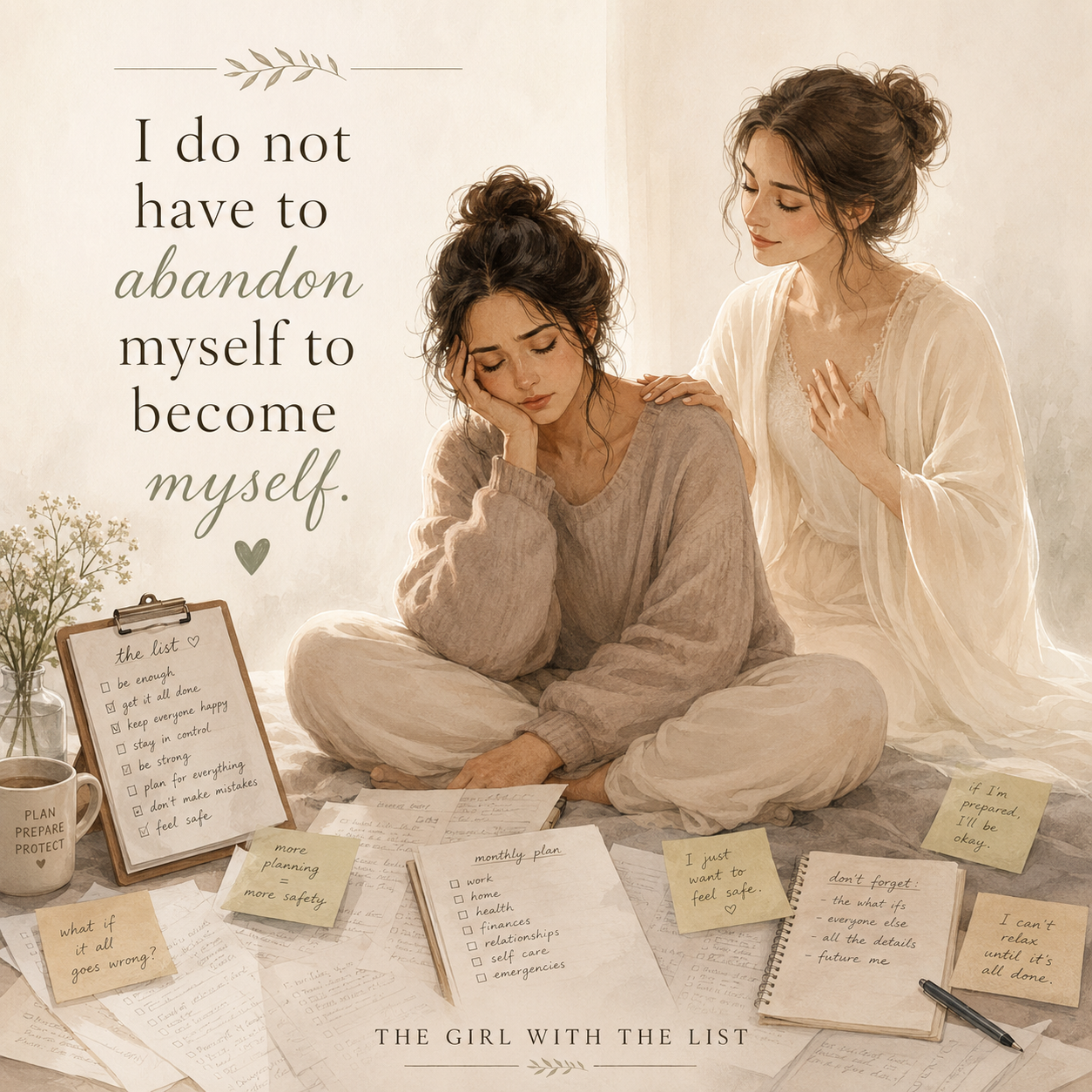
If my first post was about “The Girl With the List”, this one might be about what happens when List Girl has to mother.
“The Girl With the List” likes preparation. She likes structure. She likes the fantasy that if she can plan enough, anticipate enough, understand enough, and make the correct emotional spreadsheet, then no one will get hurt.
She is not bad.
She is trying to love through planning.
But motherhood does not always honor the list.
Children have feelings on their own timeline.
Repair does not arrive color-coded.
And some of the most important moments in a relationship cannot be controlled into safety.
They can only be met.
The list can stay.
But it cannot mother for me.
My daughter does not live with me year-round. She comes to visit in the summers, and that time is deeply precious to me. It is also a transition.
Each summer is a kind of re-entry: a new rhythm, a beloved disruption of routine, a closeness I ache for and still have to adjust to.
For someone with a very active inner world — a whole inner cast ready to offer commentary at any given moment — it can take my nervous system a beat to catch up.
Not because she is too much.
Because she matters so much.
Love raises the stakes.
And sometimes my nervous system is still catching up to what my heart already knows.
We did not erase her words.
We did not write over them.
We did not pretend “I don’t like Mama” had not been written.
We also did not let those words become the final sentence.
We let them exist.
We let them breathe.
And then, underneath them, around them, beside them, we made room for something else too:
Love.
Apology.
Connection.
A tiny ok.
I think that is what feels so different to me.
So much pain gets passed down through erasure:
That did not happen.
You are too sensitive.
You are fine.
And so much pain also gets passed down through writing over someone else’s experience:
Here is what you should feel.
Here is why your hurt is inconvenient.
Here is why my shame matters more than your truth.
But this time, we did something else.
We left the words on the board.
We let the feeling have a place.
And then we practiced coming back.
This is also complicated for me because I have spent years working with children. I have been a teacher, a nanny and a counselor. With other children, I can often access patience and curiosity more easily. I can observe. I can regulate. I can remember that behavior is communication.
But with my own daughter, more of “me” enters the room.
Not less skill.
More history.
More longing.
More fear.
More grief.
More hope.
More old wounds whispering, “Don’t mess this up,” while holding a clipboard and several pieces of unsolicited evidence.
Mothering is not harder because I know less.
Mothering is harder because more of me shows up.
And that is the part I am learning how to meet: the part of me that panics when my daughter is upset, thinks one hard moment means I have ruined everything, and forgets children do not need perfect parents.
They need parents who can come back.
So this week, I am trying to let the tiny oks count — to let repair be evidence that a hard moment is not the whole story.
Because there is proof all around me, if I look toward the light, that love finds us even after mistakes.
A child can write “I don’t like Mama” and still love her.
A mother can feel hurt and still stay soft enough to repair.
A rupture can happen, and the relationship can survive it.
A tiny ok can become a doorway.
Maybe healing does not always arrive loudly.
Maybe it does not look like a breakthrough.
Maybe sometimes healing is just two small letters written underneath an apology.
Maybe sometimes it is both of us saying, in the smallest handwriting possible:
There is a girl inside me who believes that if she can make a good enough list, she can finally feel safe.
Not a normal list.
A sacred list. A survival list. An “if I can just get all of this out of my head and onto paper, maybe my body will stop acting like there is a lion in the kitchen” list.
📝
She writes down everything.
The appointments. The errands. The texts she needs to answer. The people she might have disappointed. The gifts she still needs to wrap. The book she wants to write. The blog she wants to start. The life she is trying to build. The version of herself she is trying very hard to become.
A casual Tuesday, basically.
She is efficient, this girl.
She is also exhausted.
And dramatic.
Not just regular dramatic. More like, “If we don’t reorganize our entire life before 11:43 a.m., we may never fulfill our destiny” dramatic.
For a long time, I mistook her for discipline. I thought she was ambition. I thought she was proof that I was trying, growing, healing, becoming.
And she is trying.
But she is also (so) afraid.
🕯️
Afraid that if she slows down, everything will fall apart. Afraid that if she forgets one thing, she will become one thing: unreliable. Afraid that rest will be mistaken for failure. Afraid that if she stops managing the whole universe, the whole universe will finally have the audacity to manage itself without her.
Rude, honestly 😒
Sometimes I catch her in the act.
There I am, allegedly “taking a break,” except my break has somehow become a 17-step plan for emotional liberation, financial stability, spiritual enlightenment, and possibly reorganizing the pantry.
Because why simply drink water when you could also create a five-year plan? 🤦♀️
Why feel one feeling when you could build a comprehensive nervous system operating manual and assign it subheadings?
🌿
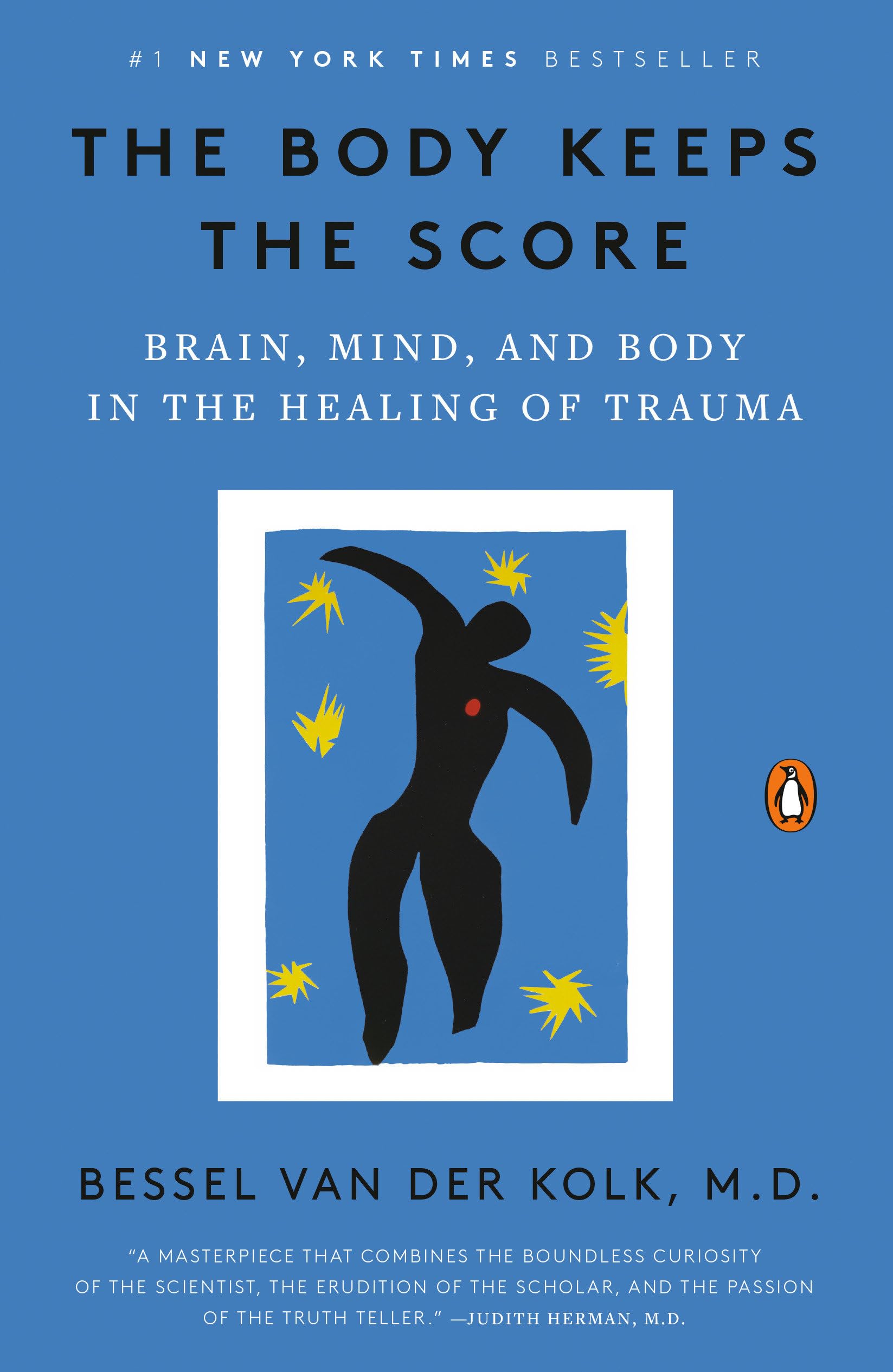
But lately, through EMDR, IFS, motherhood, and the deeply humbling experience of being human, I am beginning to understand something:
The list is not the problem.
The list is a part.
A protector.
A little clipboard-holding manager inside me who learned a long time ago that being prepared was safer than being present.
She does not need to be shamed. She does not need to be fired. She needs to be witnessed.
Because underneath the list is usually a feeling.
Grief. Fear. Shame. The ache of wanting to be held. The terror of being needed when I already feel empty. The old belief that I have to earn my right to rest.
And when I only add more tasks, I never reach the feeling. I just create a more organized form of avoidance.
A very color-coded dissociation, if you will.
🤍
There is another part of me now, though. A quieter one. A slower one.
She does not hate the girl with the list.
She actually kind of respects the hustle.
But she also gently asks:
What are we afraid will happen if we pause? What feeling are we trying to outrun? What if the next right thing is not the most productive thing, but the most honest one?
This question is deeply inconvenient.
I would personally prefer a spreadsheet.
I used to think healing meant finally becoming the kind of person who could do everything.
Now I wonder if healing means becoming the kind of person who no longer needs to.
✨
The list can stay.
But it cannot be God.
It cannot be my worth. It cannot be my mothering. It cannot be my authorship. It cannot be the measure of whether I am becoming who I am meant to be.
Sometimes the bravest thing I can do is not cross off another task.
Sometimes it is to put the pen down, place one hand on my chest, and say:
I am here. I am not behind. I do not have to abandon myself to become myself.
And yes, the list girl may still whisper, “Okay, but should we make a list about how to stop making lists?”
A poem about finding friendship, oneself, and God.
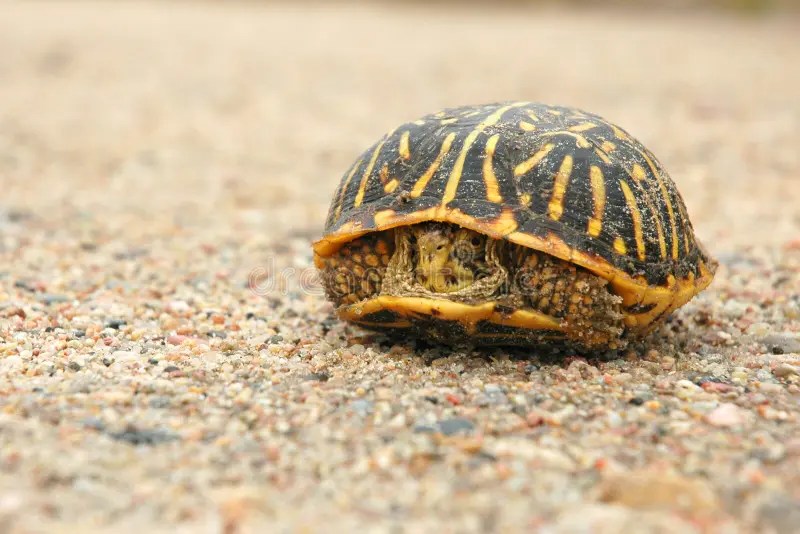
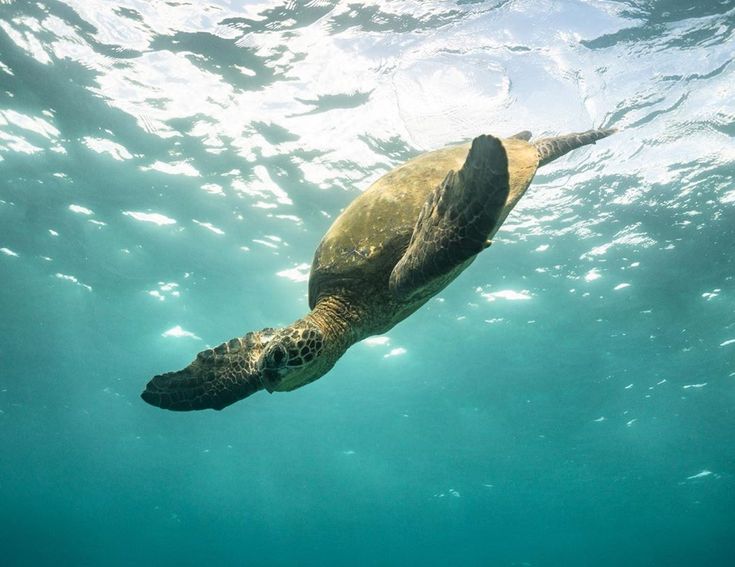
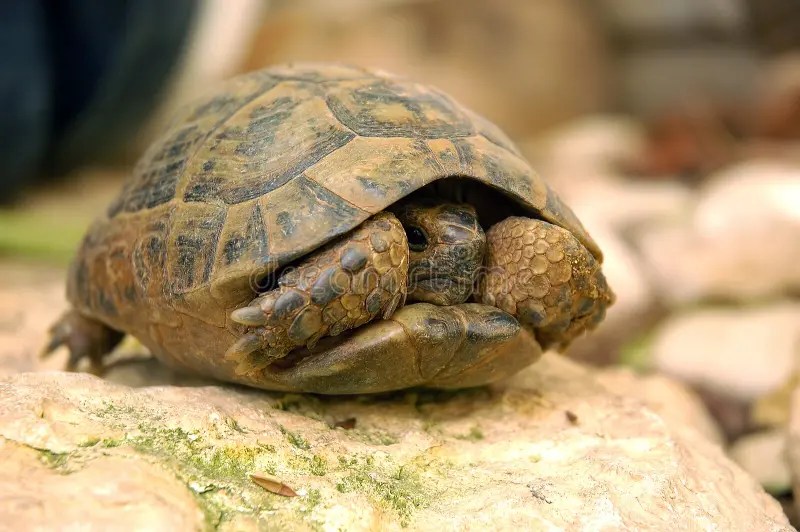
Over the years, I became accustomed to a lonely life inside my shell– It had become my second-nature to retreat when all just felt unwell. I felt dejected because like other creatures, I couldn’t run, climb or fly. So much so, in challenging times, I didn’t even give it an honest try. Instead, I crawled back into the confines of my boxed, bosomed shell– choosing to survive day by day, with not a single adventurous tale to tell.
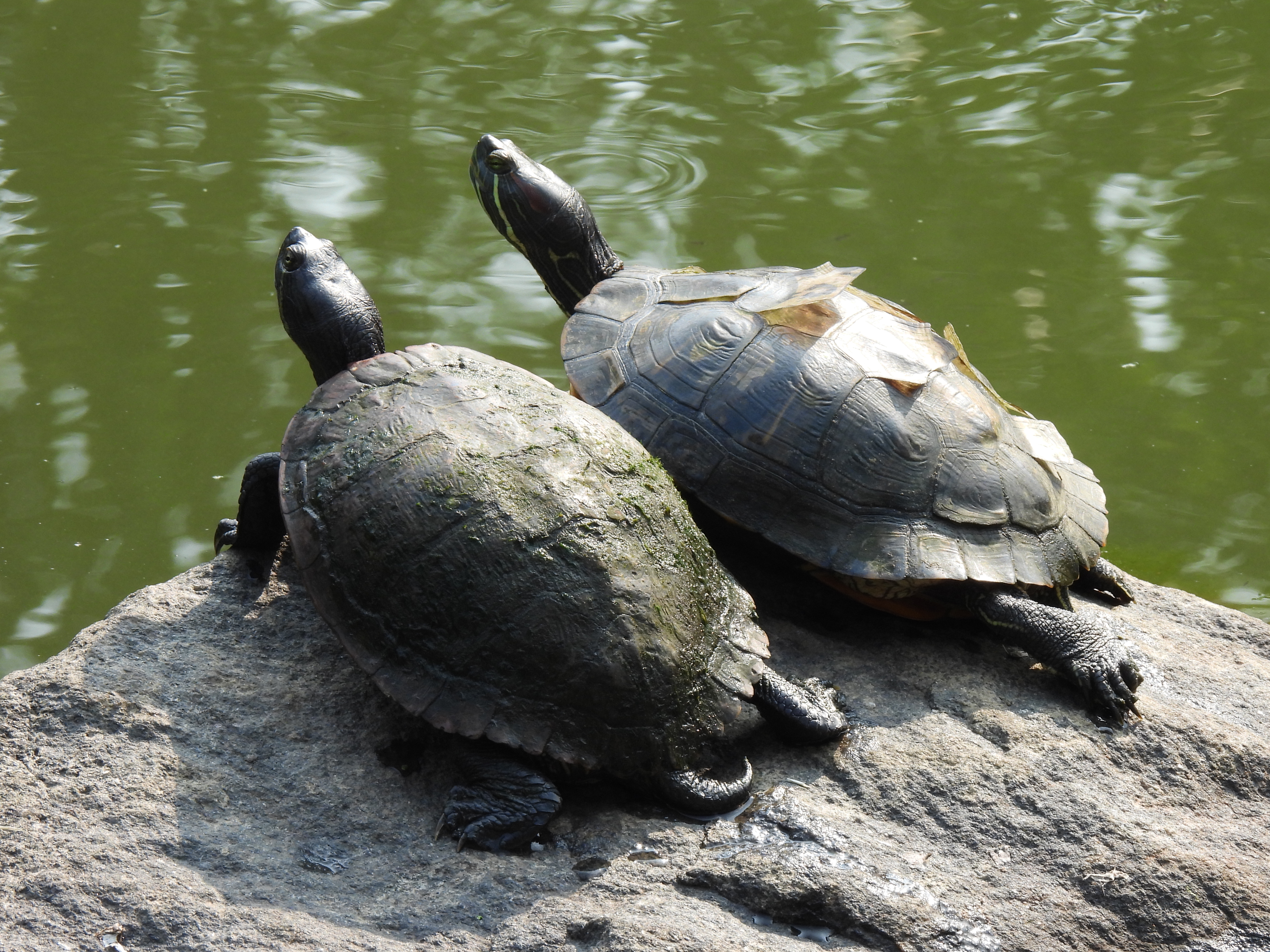
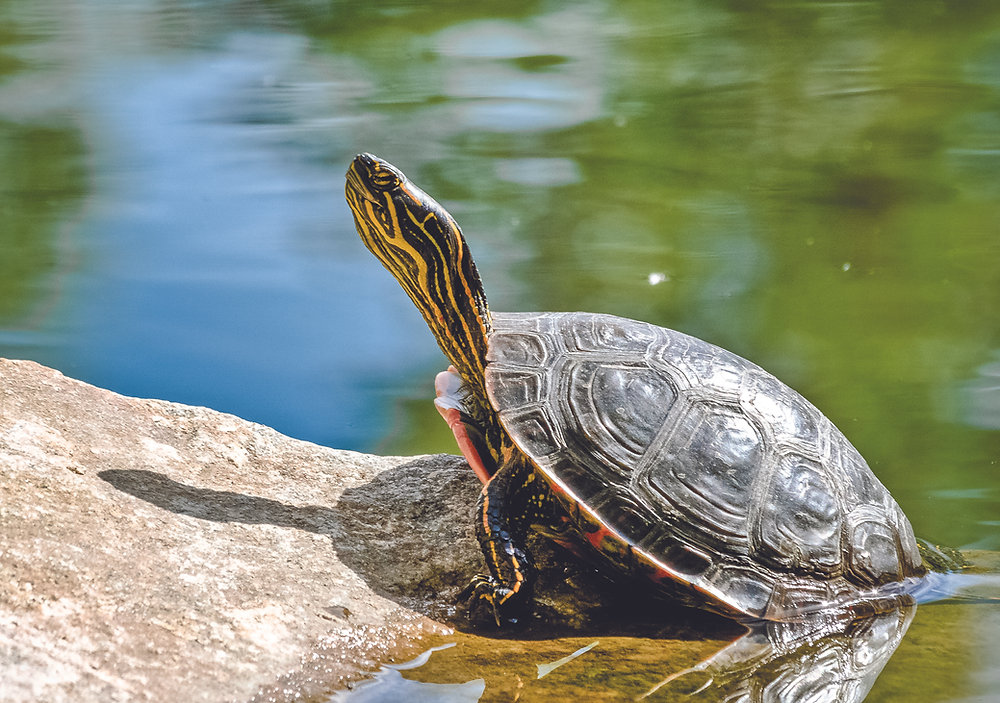
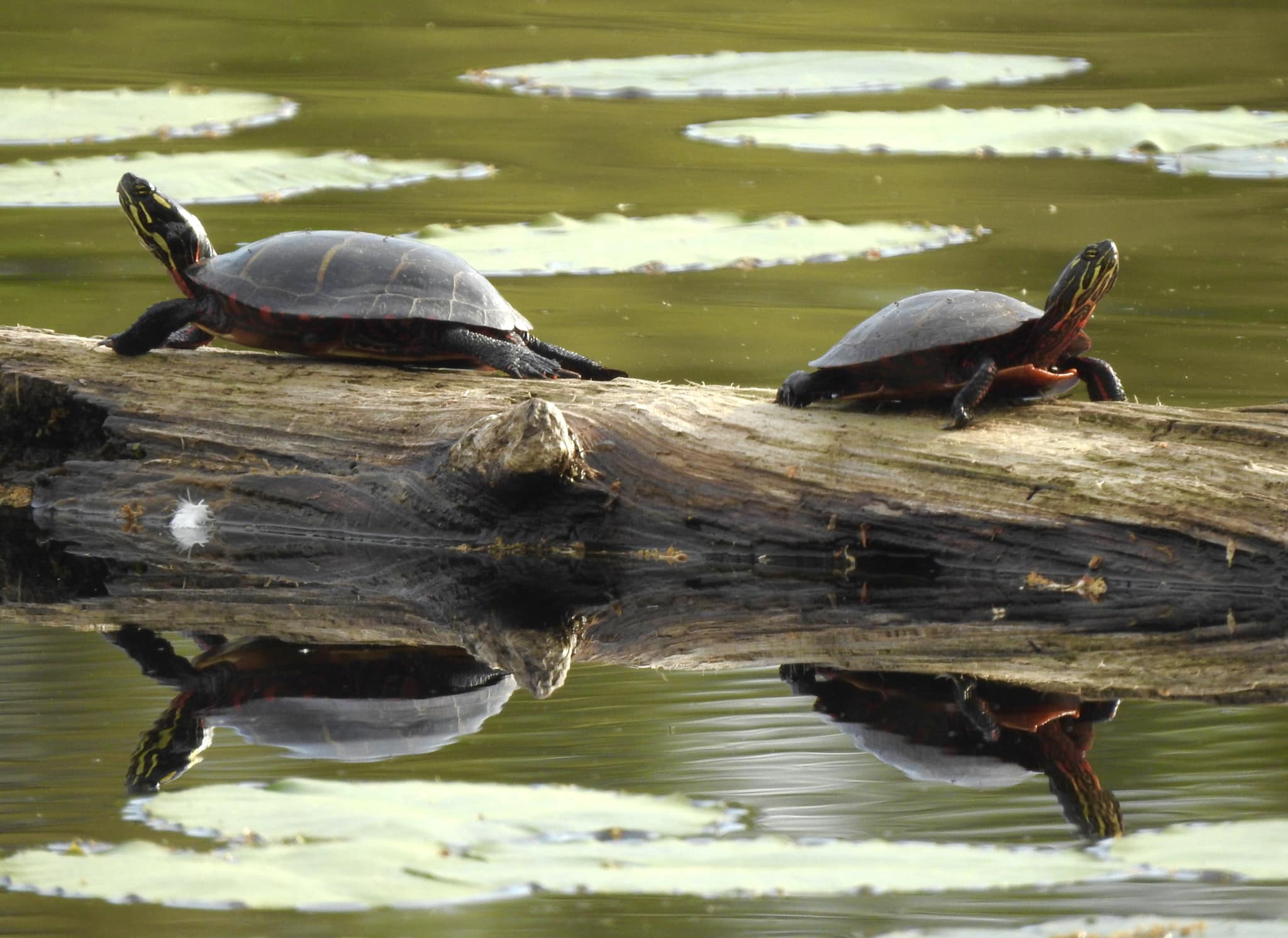
One day in jaded June, I basked under the searing sun. I drifted off for a moment, only to awake next to someone! I peered timidly at the stranger, resting quietly beside me– Her pleasant patterned carapace was quite the sight to see! I wondered if she knew just how perfect and polished she seemed, The sun’s radiant rays made her soft leathery skin glitter and gleam.
Her whimsical webbed-feet were unlike anything else I’d seen before. I pondered silently to myself about what she might use them for. Without a warning, she opened up her glassy, jewel-toned eyes. She dove fearlessly into the opaque pond, much to my surprise! My heart fluttered restlessly, as I feared for her safety below. How could she simply jump in, without letting anyone else know? What if she drowns dismally or gets stuck in murky mudflow?
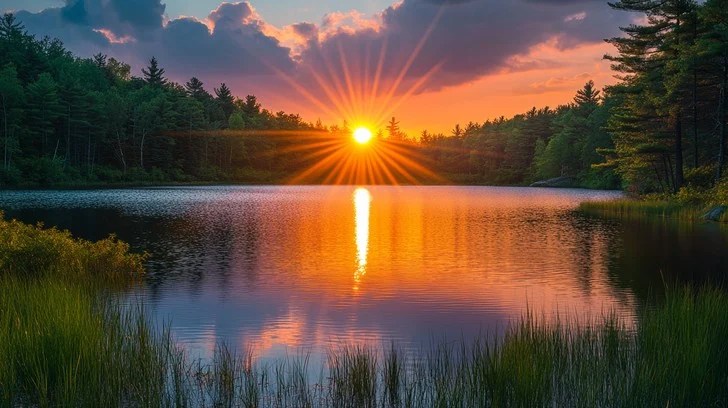
I shook inside my shell, anxiously waiting for her emerald head to emerge The water’s surface stayed silently still while my panic began to surge. “Please, God,” I prayed passionately, “please let her be alright.” “I’ve waited so long for any sign of Your eternal loving Light.” The sun’s final rays danced daintily across the lulling lake, in the midst of their beams–I finally saw a reflection I couldn’t mistake!
Her intricate shell appeared iridescent just below the serene surface; She gracefully glided to the top, and took a deep breath in with purpose. Following her lead, I remembered to finally let out my stifled exhale. Sighing with relief, I watched in awe, as she fearlessly sailed.
She played peacefully in the welcoming water, confident and headstrong. Oh, how desperately I, too, wished to find somewhere to belong. It became clear to me that the wonderous water was unmistakably her home. I realized that the very shell offering me shelter had also left me feeling secluded & alone.
Feeling ashamed, yet again, I retracted back into my comfortable cage. This time, however, its darkness left me brimming with rage. My mind became a roaring arena full of angry, self-loathing talk. Mindfulness slipped away, and her presence was something I forgot.
Suddenly, I felt a powerful push–followed by a startling splash! I found myself in whirling waters, and began to helplessly thrash. I saw her silhouette near the shore, crawling carefree as could be, “Swim!”, she urged spiritedly, “You are a lot like me!”
ME?!” I thought, restlessly, “she must not be able to see.” “Just focus on your breath”, she said “and you, too, will feel free” “You’re wrong!”, I gasped between plunges, “I can’t do this at all!” She reminded me so sweetly, “but, you’ve already survived the fall.”
I watched the wholesome water warmly wrap itself around me, like it was awaiting my return. It enveloped me into its eager embrace; reminding me I was no unfamiliar extern. The familiar fear I lived with everyday with felt frivolous once I could see– –the dreary decades drifting away simply reflected my faithlessness in its steadfast security.
The comforting current cradled me, for the water had constantly carried me along. Surrendering to its steady support helped me to feel that I was inherently strong. I cried; I laughed—because I hadn’t felt much of anything in so long. But most of all, in that moment, I finally felt what its like to truly belong.
The majestic creature dove back into the water, and helped me swim back to shore. “Look!”, she declared, as we crawled out, pointing towards the lake’s alluring floor. I turned around trying to find what it was she wanted me to look for. Once I finally caught a glimpse of it, it was a sight too spellbinding to ignore.
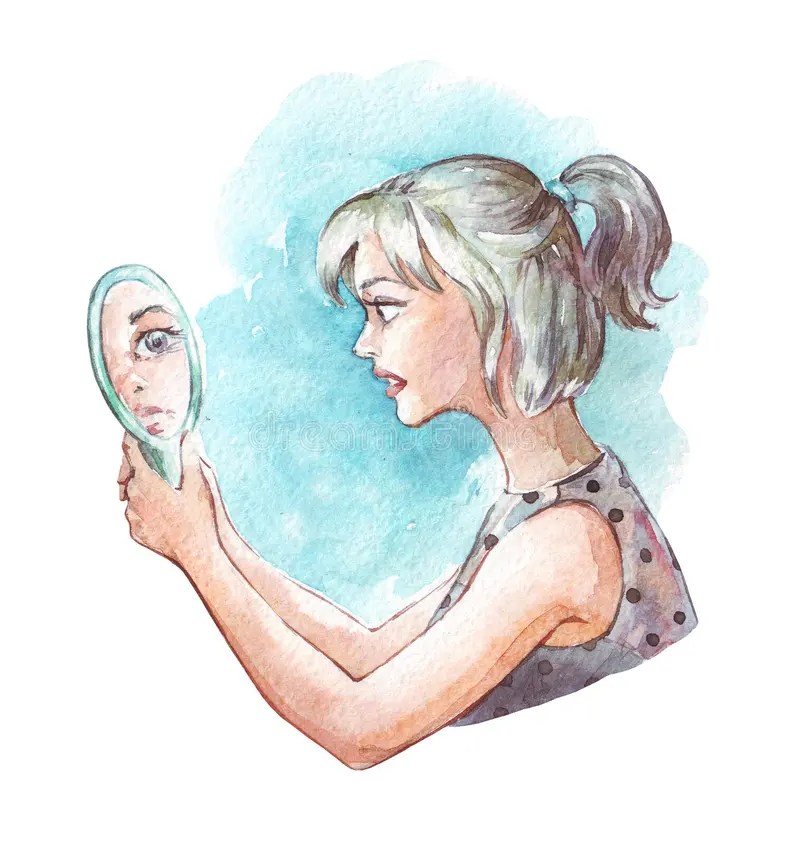
I peered timidly into the water, marveling at a reflection I did not recognize. I stared at its perfectly patterned-shell, and soft skin with awe and surprise. “Wow”, I whispered, “It’s breathtaking–especially in the water’s blue hue.” “Of course she is,” smiled the truthful turtle, “because that, my friend, is you.”
For the last few months, I have taken a deep plunge into healing. After years of therapy from all different modalities, I found very little difference. My life would be fine and “functional” for a few years, only to be followed by an inevitable crash. I’ve been through this cycle for most of teens and all of 20s. Each time, I picked myself back up only to white-knuckle my way through “functionality”–until, the inevitable crash.
For so long, these “crashes”—long periods of depression, psychosomatic symptoms, and lapses of complete dysfunction–seemed unrelated. I would excel in work, friendship, and relationships only to lose all of them. Time and time again, I felt dejected, humiliated and utterly worthless.
Why do I keep messing it up? What is wrong with me!?
In the aftermath, I sought out help–only to help me get back on my feet again and once I felt “ready” enough, I plunged in headfirst into work, relationships and life with even more resolve and stubbornness.
I can’t let him win. I can’t let trauma win. I HAVE to do it right, this time!
Yet, I couldn’t. I couldn’t do it in a sustainable manner.
For decades, I deluded myself into thinking that I could “white-knuckle” it through life. I danced between diagnoses, swapped out medications, changed therapists, implemented new strategies from the self-help book of the season; yet, every single intervention yielded minimal results.
This year, I was forced to face the lingering effects of unaddressed trauma; my body gave me no choice. The unprecedented seizures, fainting episodes, and gaping lapses of memory loss jilted me to my very core. I was desperate, in more ways than one. Some days, I was more scared of the seizures and syncope episodes; other days, I found myself begging God that they take my life.
I found myself in an impossible situation where I was equally scared of death and of life
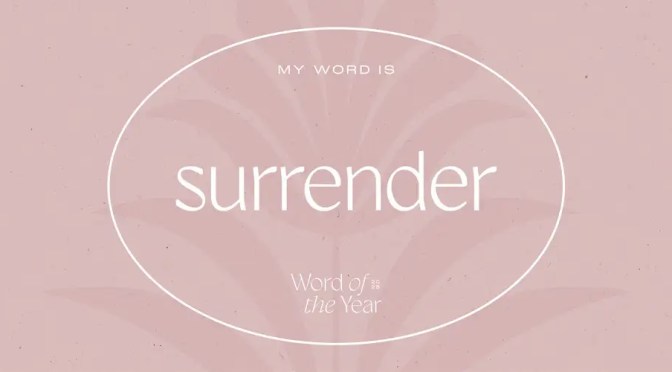
It was this very predicament that finally brought me to the doorstep of surrender. I didn’t know what more to do; every willful intervention of mine had not worked. I didn’t want to die and I certainly was not living. I thought if I was just strong enough, stubborn enough, knowledgeable enough…I would be able to “beat it”. In my case, knowledge was not power. I went to school to get a masters degree in psychology; I studied the ins and outs of different modalities & dissected the interventions of esteemed theorists. As a counselor, I became adept in helping others navigate through their own hardship and grief–but I could do nothing for myself.
Knowledge, in my case, was my Achilles. It brought me hubris, and an unhelpful sense of intellectual arrogance. My training in counseling and psychology bred an avid resistance to be treated. I thought I knew better, so I refused the treatment prescribed for me by other mental health professionals.
But, knowing better doesn’t always lead to doing better.
There is a reason that mental health professionals and doctors cannot treat themselves or their loved ones. Sometimes, we are just too close to the subject. In my case, I was the subject and could do very little to help. There is a reason “blind spots” are called just that. We cannot pinpoint them using our own biased way of thinking.
The problem cannot be solved using the same mind creating it.
In June of this year, I finally got to a point where I could no longer tolerate the suffering. Now, I have come to realize that the suffering was being perpetuated by my relentless need to be in control.
We must let go of the need to control to gain it.
Five months ago, I begrudgingly started the process of EMDR. Despite years of others suggesting it for me, I resisted it at all costs–all because, I simply did not know how it would work. I had no faith in the process. How could moving my eyes a certain way help unpack layers of complex trauma? It honestly sounded laughable.
Yet, here we are.
I am no where close to being “healed”, but the beautiful paradox is that I’ve let go of the idea of being “healed.” It is no longer some faraway, unachievable destination that torments me; it is here, and now. Throughout the EMDR process, my healing has been anything but linear; it has ebbed and flowed with life itself, and there is infinite beauty in that. I no longer find myself fantasizing of a perfectly “healed Maham”; I no longer torture myself by comparing my “now” to that preconceived ideal.
My suffocating grip on the rigid definition of “healing” has loosened.
Day by day, I’m learning to experience myself as I am. And, dare I say, life would not be intolerable if I remain who I am today, for all of my days. The rigid parameters I placed around creating “a good life” are slowly dissolving. These days, progress seems far more promising than perfection; I find myself welcoming minor setbacks as necessary precursors to growth and “healing”.
I am starting to assess “healing” by my ability to tolerate feeling.
Bit by bit, I am starting to work through unspeakable pain. In doing so, I’m finding acquaintances in connection, love, and even ephemeral joy.
Nowadays, I find that even gratitude chooses to sit by me sometimes.
Thank God, I don’t have all the answers. Thank God, I don’t understand everything. Thank God for the realization that I never had to.
Thank God, I finally had the courage to be wrong.
— because of it, I’m finally being led to what feels right.
If you have found yourself stumbling on my blog, the first thing I want you to know is that I have no idea what I’m doing. The second thing I want to share with you, in an attempt to tease out my own narrative from others, is MY story.
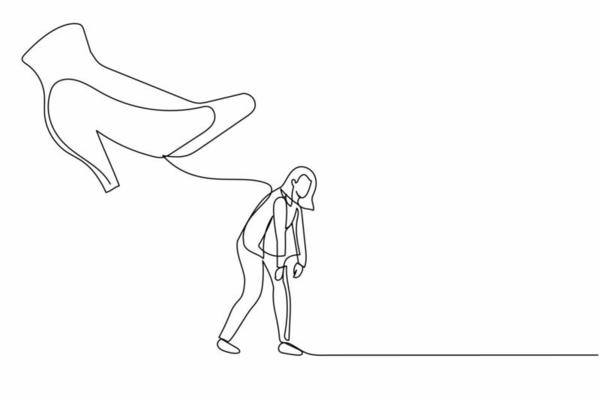
After almost 3 decades of dissociation, I am exhausted.
It’s not a matter of whether or not I want to be the “bubbly, outgoing” Mrs. Sunshine anymore.
Because trust me, I do
—that “facet” of me is far more…personable. It’s more cheerful & loveable.
The problem is that no matter how hard I try, I simply CANNOT maintain it any longer. I have lost my ability to dissociate.
I have been “too strong” for “too long”.
It’s ironic, though, because I’ve never felt weaker.
My “functionality” if measured by productivity and performance has plummeted severely, and yet–mental health professionals seem to agree that this is the “best” I’ve been doing in decades.
Why?
Because after decades, I have started to FEEL again.
“In my 40 years of practice,” an esteemed psychiatrist stated, “your case is one of the most compelling and confounding cases I’ve encountered.”
“With the intensity and frequency of traumas that you have experienced, I would expect you to be curled up in a mental health facility for life—probably, on the verge of psychosis.”
To them, “these darker components” of me are completely congruent with the horrific experiences I’ve gone through.
The problem, they declare IS the façade.
That ditzy, bubbly, “happy-go-lucky” persona does not accurately reflect the life I’ve lived; It does not reveal the struggles I face or do justice in celebrating the adversities I’ve overcome.
For so long, I viewed my ability to get everything “done” in a tormenting environment as my greatest strength. Being able to “detach myself from my feelings” has been the key to all my successes.
Or so I thought.
When we cut ourselves off from our “feelings”, we aren’t just blocking out the negative emotions; We, inadvertently, also lock our hearts from experiencing joy, intimacy, love, and connection.
It isn’t normal to get beaten brutally at 5 am, letting myself cry for about 5 minutes, and then forcing myself to shut down and “get my sh*t together”.
I remember walking to the library in the early hours of the morning, completely numb–absolutely oblivious to what had just happened. I studied for a few hours—only to arrive at my 8 am organic chemistry class to ace exam after exam.
It’s as nothing even happened. I didn’t feel pain. I didn’t feel sad. I didn’t feel at all.
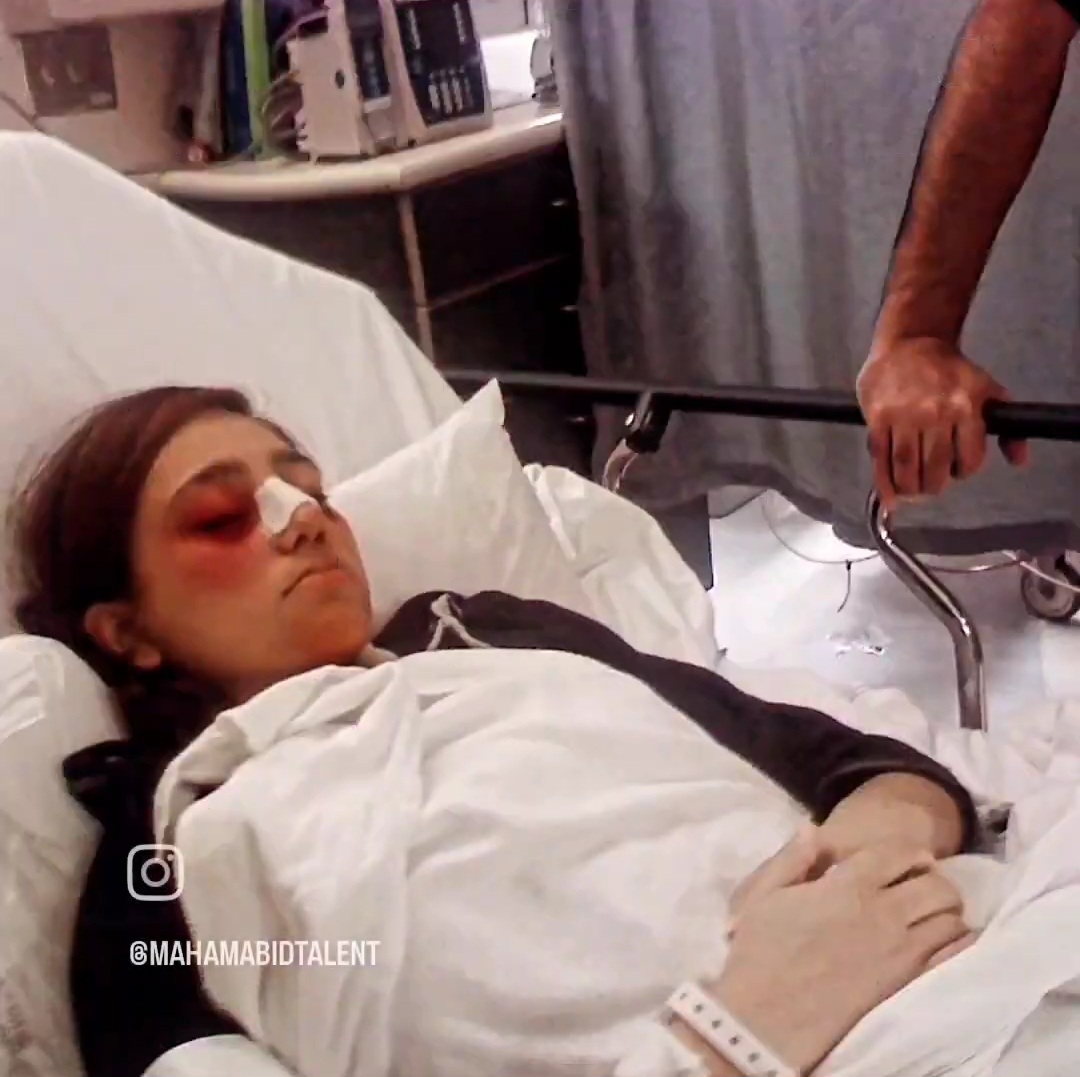
I remember noticing the odd glances, the hushed whispers, and the puzzled expressions of my classmates, as I pranced into the auditorium covered in bruises.
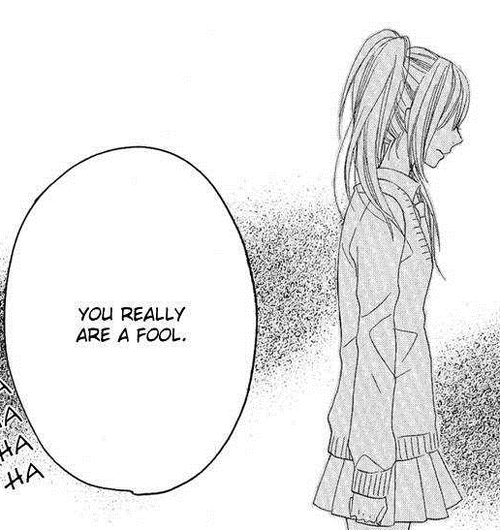
At the time, I thought there was something wrong with everyone else. Why were they staring at me?
The day of my final exam was no different. I walked in at 8 am; I recall my professor pulling me aside; I remember studying him curiously as he tried not to glare at the blue-black bruises that were now forming around my eye sockets.
He empathically offered to arrange for me to take the exam another day, however, just like every other time, I resisted his offer. Instead, I marched vehemently to my seat to ace the exam.
& I did. I graduated with summa cum laude; what i didn’t realize was that the cost of those “perfect 4.0’s” would eventually catch up to me.
You see…my professor had seen me throughout the year, pulling off these dissociative stunts nearly every week.
& as the semester continued, his growing suspicions became more and more plausible. It is saddening now as I think about it–
— because I know that he “knew” what was going on. His hands were tied because I denied everything.
Every week, it was a new excuse, “oh I ran into a blunt tree branch because I wasn’t looking”, “I accidentally fell and hit my cheekbones against the console”, “Besides, I have anemia and tend to bruise really easily..”
“It’s really nothing” I said over and over again–until I accidentally started believing it.
In retrospect, I think ANYONE with half a brain probably “knew” what was going on at the time.
The problem was that I had shunned that “half of MY brain” deep into ignorant oblivion.
Recently…I’ve realized I’m doing something similar again.
I’ve been utilizing my social media platforms as a way to convince MYSELF that I’m “okay”.
Maybe if I just manufacture a life that FEELS good on Instagram, I might feel “okay”….
However, the truth is… I am not okay.
I don’t think I’ve ever experienced what “okay” actually feels like…
I haven’t been even close to being “okay” for the last 7 months.
I haven’t driven my car in 7 months because I’m terrified.
I haven’t gone to a single modeling shoot in 7 months.
I haven’t applied to a single casting call in 7 months.
I’ve barely left the house for 7 months.
I haven’t hung out with anyone I consider a friend for 7 months.
I’ve finally crashed.
What I HAVE done in the last 7 months is hide behind my phone –
I’ve wasted countless hours laboring over Instagram algorithms, hashtags, and engagement strategies in an attempt to gain external validation from all of you because I loathe myself.
I dove headfirst into trying to portray a life that “looked good” on the surface because, in my heart of hearts, I felt so hopeless, sad, and repulsed by myself.
— but what I’ve noticed is…
…the more adamant I become about my attempts to “fake it”, the more drained, lost, and depleted I feel at the end of the day.
And the vicious cycle of distracting myself from the self-hatred goes on and on.
The truth is…
that through social media, I was being inauthentic with myself…with God…and with all of you.
& it’s ironic because in my heart of hearts, I truly believe that connection and community are byproducts of authenticity and vulnerability—two things I am fatally afraid of actually practicing.
Despite how much I crave connection and belonging, I haven’t allowed myself to be vulnerable or authentic—in a very long time.
In my adolescent days, when I did practice vulnerability–when I did truly let someone in— I nearly lost my life to their abuse.
However, advanced medicine and meticulously trained doctors helped revive & restore my physical body to health.
But who do you go to help you revive your soul? How do you restore someone’s sense of safety in the world after it’s been taken away?
The truth is…I had stopped “living” long before my heart ever gave out.
I don’t know where to begin my story.
I haven’t come up with a strategy to tell it. There is no rhyme or reason.
& for the first time, there are no angles.
I don’t even know if sharing the ENTIRETY of all the horrific details surrounding these incidents is even helpful to me or you.
I don’t want to trigger you or re-traumatize me.
& these blog posts take a lot out of me.
Honestly, I don’t know much at all right now.
What I DO know is—I have to start somewhere.
I have to start— because I want to live.
I want to connect.
I want to move and be moved by people.
I want to feel like I’m worthy enough to take space in this world.
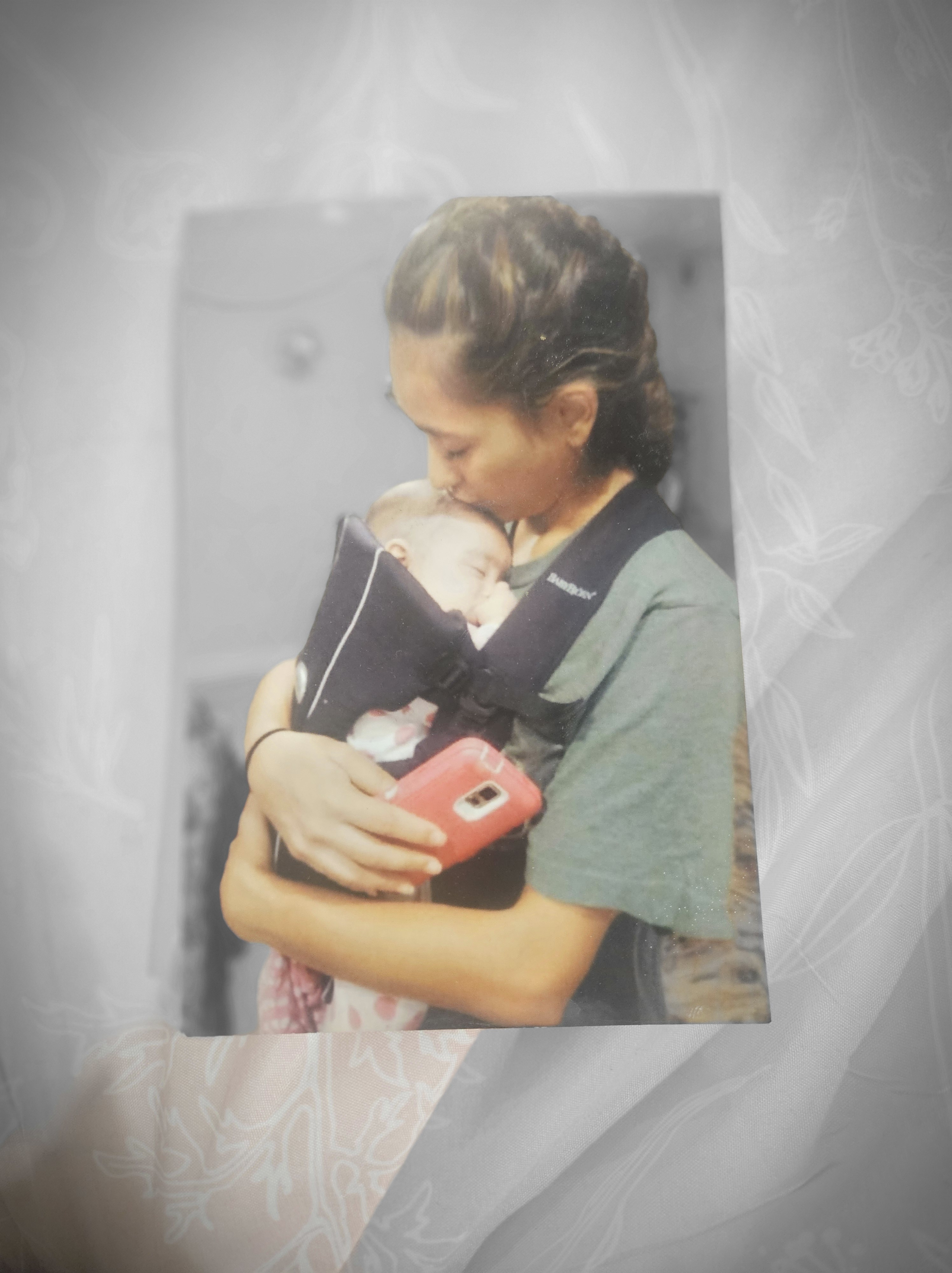
I want to feel like I’m worthy of being Ayrah’s mother.
I know that I eventually want to use my experiences to help elucidate the hope, resilience, and relentless will to survive that lies dormant within each of us.
How curious it is that the words of a stranger online—some that I’ve never even met—help to feel more understood than some of my closest confidantes.
I posted, authentically, for the first time on Instagram a few days ago—
& the responses I received from you all—your messages glowing with genuine care—
I cant disregard or downplay how much they meant to me.
They bring me to tears even now.
How is it that mere acquaintances and even strangers can communicate such a piercingly deep empathy for another?
And what’s more confounding is that they can do it over an impersonal digital platform.
What a puzzling and powerful world we live in…
So…for those of you who are willing to walk alongside me in this journey…
Please know that it is going to be the furthest thing from perfect; In fact, it’s probably going to be a very messy ride.
I wanted to thank YOU
For caring. For existing. For reaching out.
–for helping me get to a point where I am willing to myself be seen.
If there is one thing I want to make abundantly clear through my blog, it’s this—
The EFFECT that even ONE person, like you, can have on another’s life is immeasurable.
Your responses led me to question the unchallenged abusive & demeaning narratives I’ve been repeating to myself for years.
Because…
WHAT IF those people were wrong?
What if I do share myself openly with you—with the world—and I discover that I AM actually worthy of love and belonging?
What if I hush the voices that tell me that I will be rejected, ostracized, and ridiculed again just long enough to be seen for who I am?
Even though, this may be the scariest endeavor of my life—
What if, to my surprise, I find that the world loves me back just as deeply as I love it?
What if all the “sunshine” I’ve tried to sprinkle in the lives of so many is finally returned to me?
What if I’m not a waste of space? Or a burden to this earth?
What if I’m not “damaged goods” that no one will want after being raped?
And the biggest “What if?”
What if there ISN’T anything inherently wrong with me?
Or even better—
What if there is SO much wrong with me…
— & yet still, I am met with acceptance & love despite my numerous imperfections.








 abidmaham