Tag Archives: parenting

The Tiny Oks Are Hope

On repair, motherhood, and the words we did not erase.

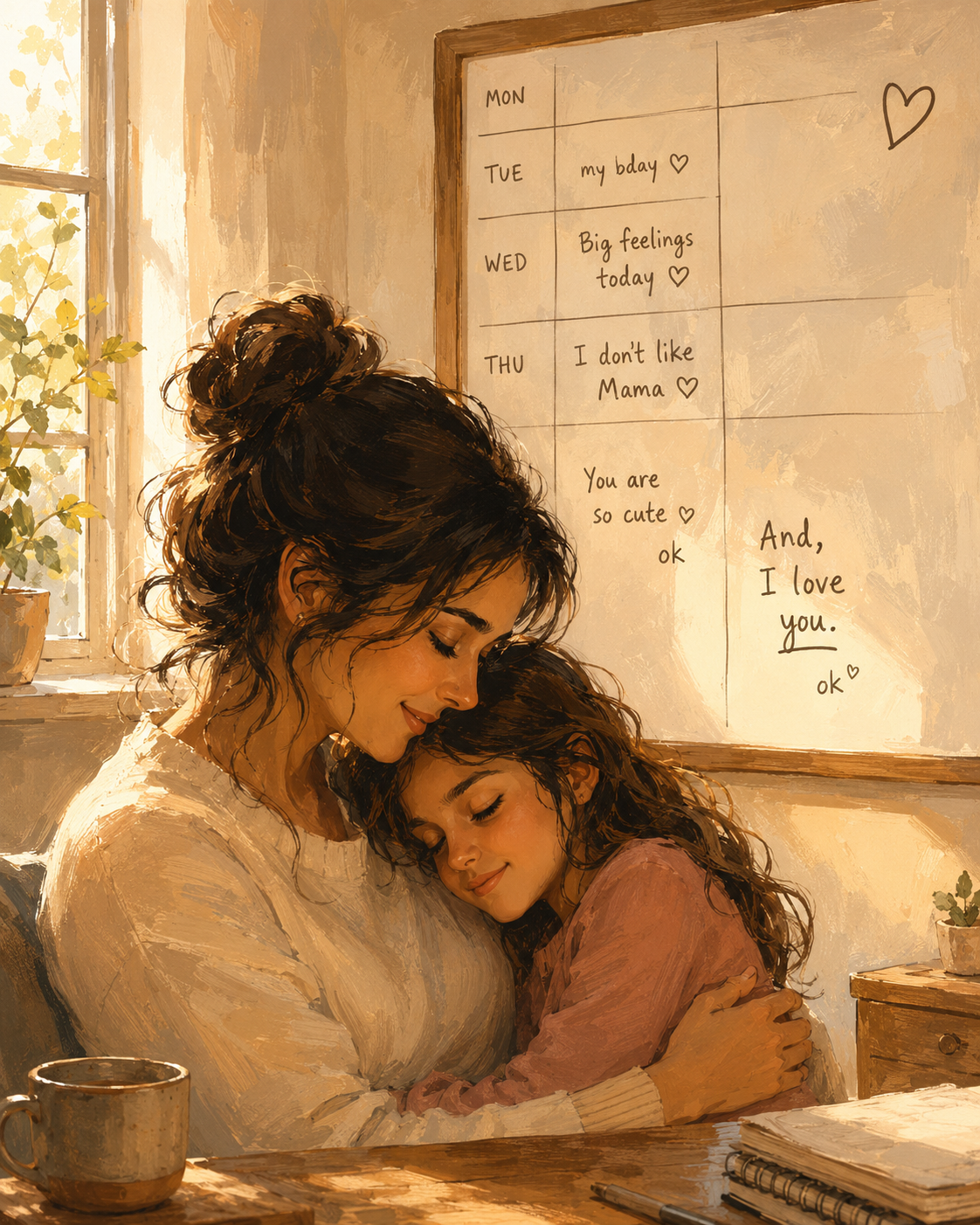
My daughter wrote “I don’t like Mama” on our weekly planner.

Then, a little later, I wrote:

“And I love you.”

By the end of the day, underneath my repair words, she had added the smallest possible offering:

ok.

Not a grand apology.

Not a cinematic hug with swelling music and one tasteful tear.

Not one of those soft-focus parenting moments where everyone wears linen and speaks in nervous-system-approved whispers.

Just dry-erase marker.

A hard day.

A rupture that did not become the ending.

And two tiny letters that felt like hope.

Because here is what I am learning: repair does not always look beautiful while it is happening.

Sometimes repair looks like a child writing the thing she feels before she knows how to say it gently.

Sometimes repair looks like a mother feeling the sting of those words and choosing not to make the child responsible for that sting.

Sometimes repair looks like writing back:

“You are so cute.”

“I’m sorry today felt so big.”

“And I still love you”

And sometimes, after all of that, repair looks like a tiny ok written underneath your words.

The tiny oks are hope because they prove something quietly revolutionary:

Rupture happened, and love still had somewhere to land.

For a long time, I thought good mothering meant preventing rupture.

If my child was upset with me, I had failed.

If I reacted, I was becoming everything I feared.

If repair was not immediate, eloquent, complete, and preferably witnessed by a small panel of experts confirming I had not ruined my child forever, it probably did not count.

But motherhood is teaching me something much less glamorous and much more holy:

Repair is not the absence of rupture.

Repair is what happens when rupture is allowed to be real, but not allowed to write the whole story.

Repair, I am learning, is not asking my child to reassure me.

It is showing her that I can stay present without making her feelings dangerous.

If my first post was about “The Girl With the List”, this one might be about what happens when List Girl has to mother.

“The Girl With the List” likes preparation. She likes structure. She likes the fantasy that if she can plan enough, anticipate enough, understand enough, and make the correct emotional spreadsheet, then no one will get hurt.

She is not bad.

She is trying to love through planning.

But motherhood does not always honor the list.

Children have feelings on their own timeline.

Repair does not arrive color-coded.

And some of the most important moments in a relationship cannot be controlled into safety.

They can only be met.

The list can stay.

But it cannot mother for me.

My daughter does not live with me year-round. She comes to visit in the summers, and that time is deeply precious to me. It is also a transition.

Each summer is a kind of re-entry: a new rhythm, a beloved disruption of routine, a closeness I ache for and still have to adjust to.

For someone with a very active inner world — a whole inner cast ready to offer commentary at any given moment — it can take my nervous system a beat to catch up.

Not because she is too much.

Because she matters so much.

Love raises the stakes.

And sometimes my nervous system is still catching up to what my heart already knows.

We did not erase her words.

We did not write over them.

We did not pretend “I don’t like Mama” had not been written.

We also did not let those words become the final sentence.

We let them exist.

We let them breathe.

And then, underneath them, around them, beside them, we made room for something else too:

Love.

Apology.

Connection.

A tiny ok.

I think that is what feels so different to me.

So much pain gets passed down through erasure:

That did not happen.

You are too sensitive.

You are fine.

And so much pain also gets passed down through writing over someone else’s experience:

Here is what you should feel.

Here is why your hurt is inconvenient.

Here is why my shame matters more than your truth.

But this time, we did something else.

We left the words on the board.

We let the feeling have a place.

And then we practiced coming back.

This is also complicated for me because I have spent years working with children. I have been a teacher, a nanny and a counselor. With other children, I can often access patience and curiosity more easily. I can observe. I can regulate. I can remember that behavior is communication.

But with my own daughter, more of “me” enters the room.

Not less skill.

More history.

More longing.

More fear.

More grief.

More hope.

More old wounds whispering, “Don’t mess this up,” while holding a clipboard and several pieces of unsolicited evidence.

Mothering is not harder because I know less.

Mothering is harder because more of me shows up.

And that is the part I am learning how to meet: the part of me that panics when my daughter is upset, thinks one hard moment means I have ruined everything, and forgets children do not need perfect parents.

They need parents who can come back.

So this week, I am trying to let the tiny oks count — to let repair be evidence that a hard moment is not the whole story.

Because there is proof all around me, if I look toward the light, that love finds us even after mistakes.

A child can write “I don’t like Mama” and still love her.

A mother can feel hurt and still stay soft enough to repair.

A rupture can happen, and the relationship can survive it.

A tiny ok can become a doorway.

Maybe healing does not always arrive loudly.

Maybe it does not look like a breakthrough.

Maybe sometimes healing is just two small letters written underneath an apology.

Maybe sometimes it is both of us saying, in the smallest handwriting possible:

This is not how our story will end.
<3, List Girl: Mothering Edition

STEP 1: HOW TO REGAIN CONTROL OF A CLASSROOM

Hi there! Welcome to the first post of a new series!

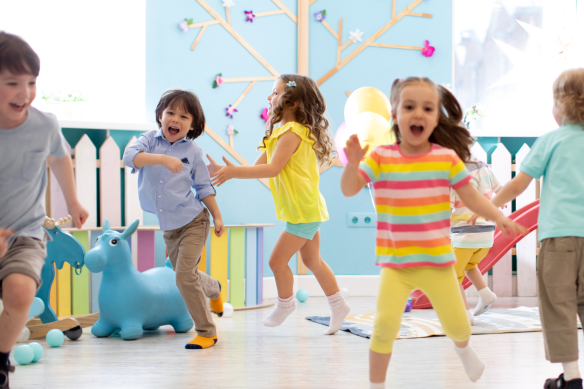
Over the last month and a half, I have had to take on the grueling and intensely rewarding task of taking on a classroom full of fiercely independent toddlers. Any teacher (or parent, for that matter) knows that very few situations make us feel as utterly helpless as a defiant toddler screaming “NO!”—for the millionth time that second.

2 months ago, I would have told you I have a pretty solid hold on classroom management; after all, I’ve wrangled in headstrong middle schoolers for years.

Today, I can tell you that I had no idea what I was getting myself into when I decided to shift to teaching younger kids. Toddlers are no joke. Just when you think you’ve got them down, they change!

Being a Pre-K teacher has forced me to break out of my rigidity; It has caused me to become brutally honest with myself. I have had to construct, deconstruct, rebuild, and revise my strategies daily because my tiny humans change every hour!

Teaching toddlers is like looking at myself in one of those magnified concave mirrors; every flaw–every insecurity–every mark I’ve ever tried to “conceal” becomes glaringly obvious.

It’s almost as if they possess this superhuman capability of detecting bullsh*t. With them, there is no “faking it”. Try as we may, we cannot fool these tactful tots. They just know. I don’t know how. I don’t know why–but, they just DO.

My toddlers have a peculiar and oddly reliable way of measuring our genuineness. Long before I utter a single word, they have already picked up on my energetic field. If I’m stressed, they know. If I’m happy, they know. If I’m in a “NOT TODAY” mood–they know.

It’s eerie.

So…..-drum-roll-

My first suggestion when interacting with this age group has nothing to do with them. It has to do with YOU.

Suggestion #1- Never EVER try to be anyone other than YOURSELF.

It is too easy and albeit natural to take on the “act” of being the “reasonable adult.” We want them to think we have it all together. In fact, sometimes, we get so stuck in this stoic facade that we forsake and ignore our true feelings.

Much like politicians, we become so focused on being diplomatic and societally “correct” that we forget to be human.

Because it is so important, let me reiterate this once more–

We CANNOT teach humans if we cannot own our own humanity.

And being human means we make mistakes–a lot of them.

Humans are not created to be sterile, or robotic; we are relational beings. We thrive off connection and a sense of belonging. As a result, we possess a wide variety of emotions. Human beings have the ability to feel sadness, joy, anger, love, jealousy, fear, excitement and so much more.

It is easy to own the lighter, happier emotions. But, what about the ones that can feel overwhelming? What about stress? What about anger?

It’s ironic because when I’m especially stressed, I tend to CLING even more to that “persona” of an “adult” who has everything “under control”. But… it’s a facade.

You know that.

And they know too.

Underneath my “cool and collected” front lies a torrential HURRICANE of panic, doubt, anxiety, and uncertainty.

And they feel it (sometimes, long before I do).

This leads me to my first (and most grave) error.

The biggest mistake I’ve made as a pre-school teacher is not sharing my “true self” with my students.

And honestly, in retrospect, I feel so silly about it. I wasted ample energy trying to conceal my more “difficult” emotions. As a result of my not expressing my true feelings, my classroom fell into a vicious negative feedback loop.

The more stressed I felt, the more my students acted out. The more my students acted out, the harder I tried to maintain the illusion of being an “unshakeable adult.” Despite how calmly I spoke, or how much I lowered my voice, my students picked up on the menacing angst brewing within me–

every. single. time.

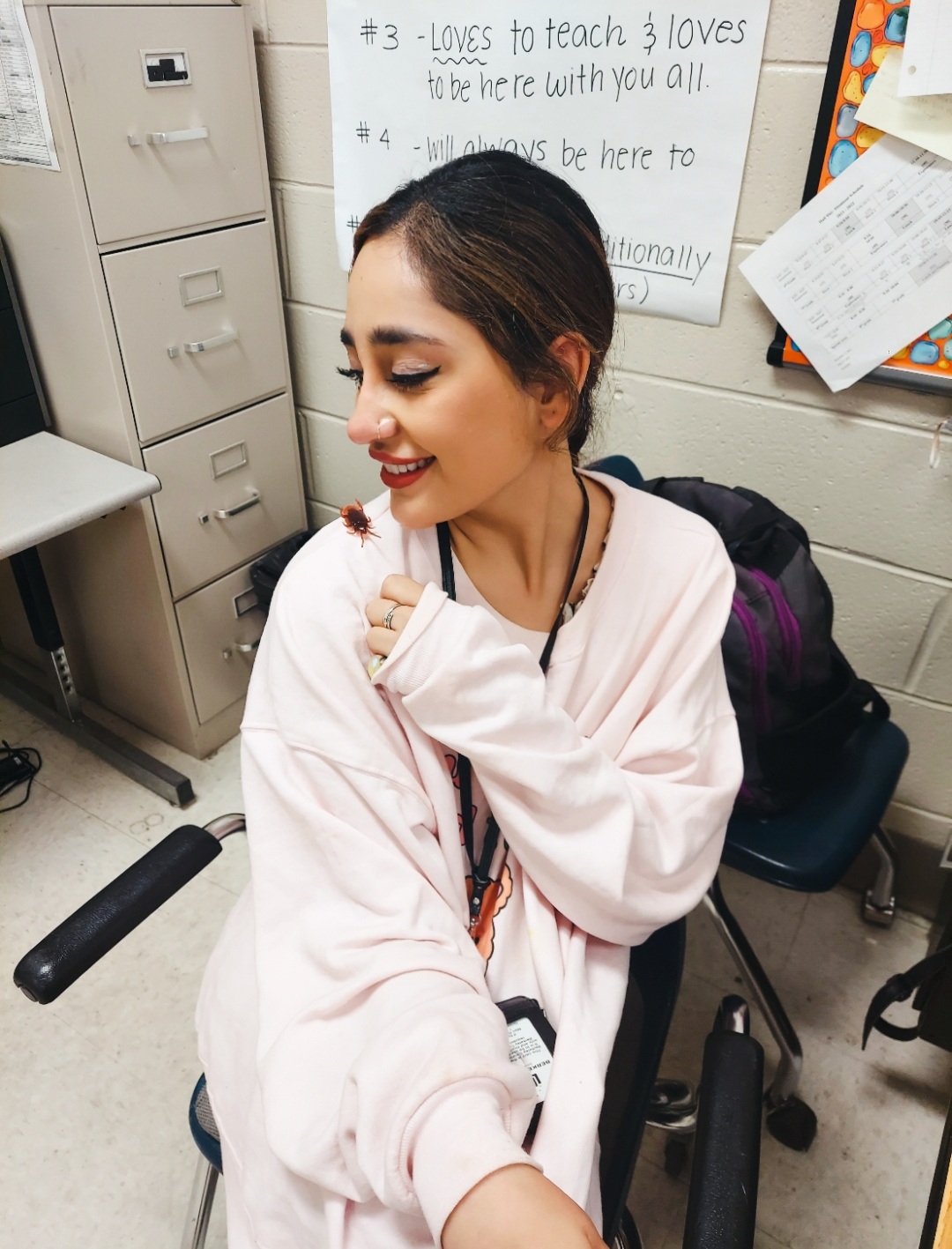
I felt like this lady all day, every day.

It’s honestly annoying.

They can sense FAKENESS from MILES away!


The truth is–they don’t need a”made-up” person who has it all under control. They didn’t need the teacher that I was desperately trying to be.

What my toddlers needed all along was…ME.

They craved to connect with the real ME.

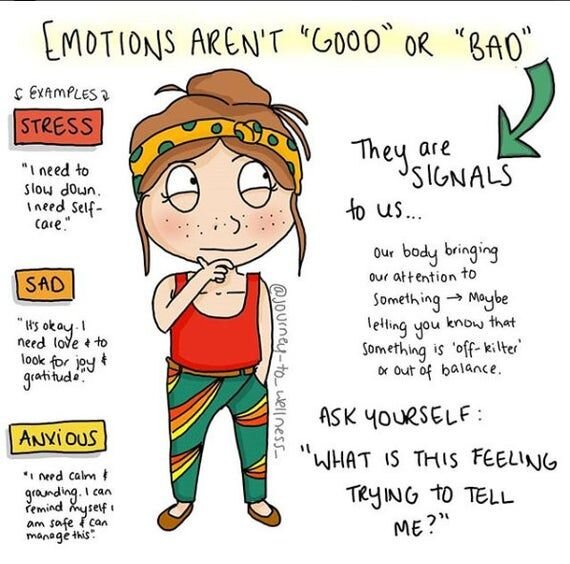
Kids, at this age, NEED an adult to express difficult emotions such as anger, sadness, and anxiety. They want us to identify our feelings, own them, say them out loud, and normalize them.

When we express our emotions to them, we are helping them to make sense of their own jumbled-up feelings. Communicating “big” emotions such as anger and anxiety helps us demonstrate adaptive ways of handling them. In those moments, we show (not tell) them how to effectively handle overwhelming emotions. We model how to handle conflict.

They watch how we respond to our own feelings. That is where true learning happens.


The goal, I found, is not to be an adult who shows little to no emotion.

The goal is to become more mindful of our own emotions so that we can express them in a healthy way. By doing that, we create opportunities for children to learn how to handle their own feelings in an appropriate manner.

We can’t tell them how to do it. We must show them how to do it.

And it has to be genuine.

I learned this the hard way.

I tried arduously to keep up the “facade”, but one day, I broke. I could no longer remain “calm” and “serene” in a classroom full of running toddlers who refused to listen. They were throwing toys, grabbing one another, jumping off chairs, and ripping up activities that I had planned for them. I wasn’t okay with that. In fact, I was NEVER okay with that. So what changed?

That day, though, one major thing happened:

I SHOWED them I wasn’t okay with it.

“EXCUSE ME!” I yelled, “SIT DOWN, RIGHT NOW!”

Most of the class came to a screeching halt. They had not heard me yell or lose my cool before.

“ENOUGH!” I said, “WE are ALL DONE!

“no more,” I whispered.

Of course, I had the few that thought I didn’t mean what I was saying. So, I, physically, walked over to them, held their hands, and gently led them back to their seats.

When everyone was sitting, I took a few deep breaths in and out. I took my time to cool down. I let them see me inhale, and exhale loudly. As I stood in front of the class, there was utter silence. All eyes were glued to me.

When I finally spoke again, I lowered my voice so much that they struggled to hear what I was saying.

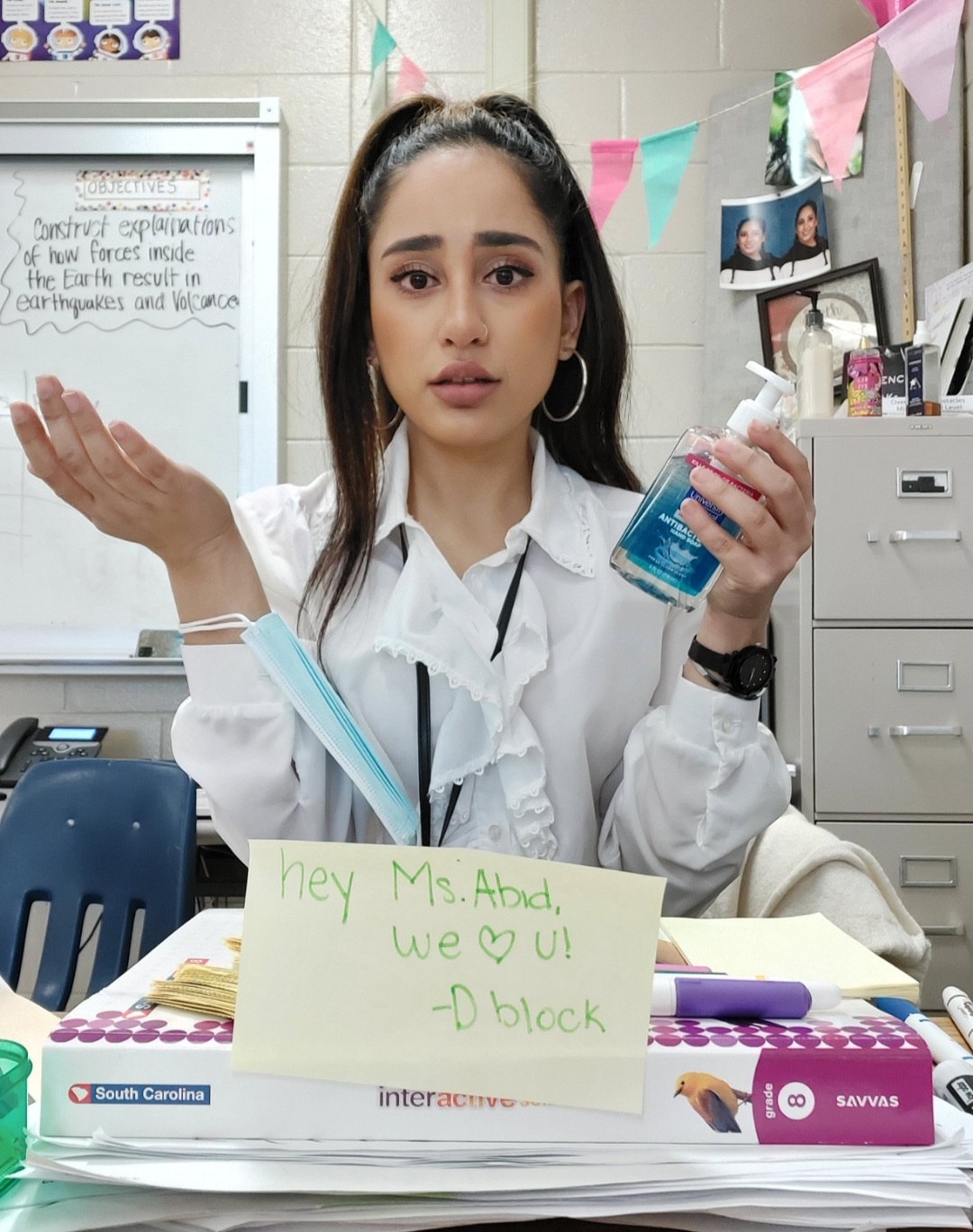
“Ms. Abid comes in here every SINGLE day–excited to see all of you,” I whispered.

“It makes me so angry and sad when you all do not listen to what I am saying.”

“It makes me think that you don’t like having me as your teacher.”

As expected, students quickly jumped into reaffirm me: “That’s not true.” “Look, Ms. Abid! I’m listening.” “I’m sitting down!”

I gave them the opportunity to express their feelings, and only proceeded to speak when they were all silent again.

“I hate yelling at you all. It doesn’t make me feel good,” I told them. And, I honestly meant it.

“BUT”, I emphasized, “if you continue to act like this, I will NOT tolerate it.” And this time, I honestly meant it.

For the first time ever, I felt like they all heard me.

“Do you understand?” I asked my class.

They all nodded.

“Are you SURE?” I inquired, one more time.

They all nodded.

I spent the next few minutes walking around the classroom, approaching each student, and kneeling down to their level. I gently touched their arm or shoulder to get their attention. When I saw them sustain direct eye contact, I asked each, and every student to rephrase what I had just said in their own words.

And they did.


I wish I could say that everything changed that day– that I had no more problems with students acting out and everyone lived happily ever after.

But, that’s unrealistic.

It’s even more unrealistic when working with toddlers.

What I CAN say, however, is that I have RARELY found myself yelling after that day.

My expression of anger certainly got their attention, however, I can’t say that it was what kept their attention.

I attribute their increased listening ability to my letting them see me for who I am. This single change allowed numerous opportunities for my students to connect with me. As people, we cannot connect with an “illusions.”

Every day after that dreaded day, I made it a point to show up as myself—just as myself—a fallible human who is trying to learn them just as much as they are trying to learn me.

The BEST thing I did was I dropped the facade.

When my students stressed me out, I told them. When they did something to make me happy, I told them. When I felt sick or drained, I told them. When I felt dissatisfied or disappointed with their actions, I told them.

My genuine communication has been the precursor to building strong relationships with each one of my kids.

What I’ve learned is…

Taking ownership of ALL of our emotions is the bravest thing we can do—

For ourselves, AND for our children.

When we forbid ourselves to feel and express complicated emotions, we take away the chance to successfully show our little friends how to REGULATE their feelings.


So much has changed since the day of my “outburst.”

Nowadays, if you were to walk into my classroom, you would find it to be far more lighthearted.

By letting them see me, I have allowed them to build authentic connections with me.

Connection is key; no one wants to learn from someone they cannot relate to.

These days, I don’t need to get so intense. When I see my students veering off expectations, I say things more sarcastically (yet, keeping firm)…

.”okay…ya’ll are doing too much now.”

“_________(student name), you’re being a little too extra today.”

“Dear lord, yall are stressin’ me out…I’m no fun to be around when I’m stressed.”

“Whoa! We have a lot of energy today! Would you like to go outside before we do circle time?” Giving them options has been immensely helpful in reducing power struggles.

When all else fails, I flat out ask them, “are you acting out because you want my attention?”, and you’d be surprised at how many times they answer “yes.”

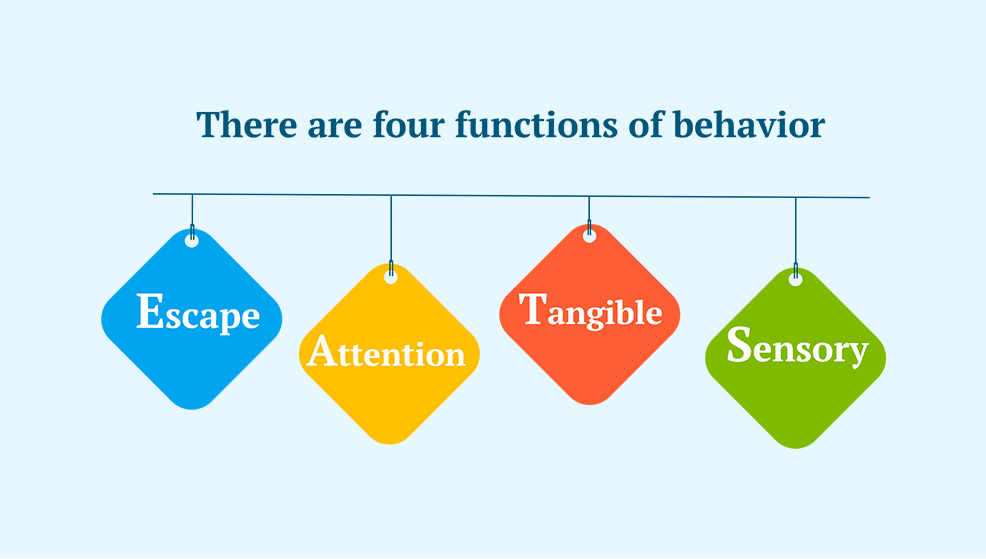
The thing is…all behavior is communication.

Being a teacher is all about getting more skilled at deciphering their behavior.

Getting to know each of my students has not only helped the classroom environment become less stressful, but also made it so much more fun…even for me!

Nowadays, I find myself dancing, singing, playing, building, and being silly with my kids. I get to celebrate their little victories and guide them through poor choices by offering them alternative solutions.

Most days, I would tell you that being a pre-K teacher is SO MUCH FUN!

And, if you have toddlers, you already know…if there is fun involved, our tiny humans will be the first ones there!

Stay tuned for more.

Love you, all ways, always.

Ms. Abid