Hi there! Welcome to the first post of a new series!
Over the last month and a half, I have had to take on the grueling and intensely rewarding task of taking on a classroom full of fiercely independent toddlers. Any teacher (or parent, for that matter) knows that very few situations make us feel as utterly helpless as a defiant toddler screaming “NO!”—for the millionth time that second.
2 months ago, I would have told you I have a pretty solid hold on classroom management; after all, I’ve wrangled in headstrong middle schoolers for years.
Today, I can tell you that I had no idea what I was getting myself into when I decided to shift to teaching younger kids. Toddlers are no joke. Just when you think you’ve got them down, they change!
Being a Pre-K teacher has forced me to break out of my rigidity; It has caused me to become brutally honest with myself. I have had to construct, deconstruct, rebuild, and revise my strategies daily because my tiny humans change every hour!
Teaching toddlers is like looking at myself in one of those magnified concave mirrors; every flaw–every insecurity–every mark I’ve ever tried to “conceal” becomes glaringly obvious.
It’s almost as if they possess this superhuman capability of detecting bullsh*t. With them, there is no “faking it”. Try as we may, we cannot fool these tactful tots. They just know. I don’t know how. I don’t know why–but, they just DO.
My toddlers have a peculiar and oddly reliable way of measuring our genuineness. Long before I utter a single word, they have already picked up on my energetic field. If I’m stressed, they know. If I’m happy, they know. If I’m in a “NOT TODAY” mood–they know.
It’s eerie.
So…..-drum-roll-
My first suggestion when interacting with this age group has nothing to do with them. It has to do with YOU.
Suggestion #1- Never EVER try to be anyone other than YOURSELF.
It is too easy and albeit natural to take on the “act” of being the “reasonable adult.” We want them to think we have it all together. In fact, sometimes, we get so stuck in this stoic facade that we forsake and ignore our true feelings.
Much like politicians, we become so focused on being diplomatic and societally “correct” that we forget to be human.
Because it is so important, let me reiterate this once more–
We CANNOT teach humans if we cannot own our own humanity.
And being human means we make mistakes–a lot of them.
Humans are not created to be sterile, or robotic; we are relational beings. We thrive off connection and a sense of belonging. As a result, we possess a wide variety of emotions. Human beings have the ability to feel sadness, joy, anger, love, jealousy, fear, excitement and so much more.
It is easy to own the lighter, happier emotions. But, what about the ones that can feel overwhelming? What about stress? What about anger?
It’s ironic because when I’m especially stressed, I tend to CLING even more to that “persona” of an “adult” who has everything “under control”. But… it’s a facade.
You know that.
And they know too.
Underneath my “cool and collected” front lies a torrential HURRICANE of panic, doubt, anxiety, and uncertainty.
And they feel it (sometimes, long before I do).
This leads me to my first (and most grave) error.
The biggest mistake I’ve made as a pre-school teacher is not sharing my “true self” with my students.
And honestly, in retrospect, I feel so silly about it. I wasted ample energy trying to conceal my more “difficult” emotions. As a result of my not expressing my true feelings, my classroom fell into a vicious negative feedback loop.
The more stressed I felt, the more my students acted out. The more my students acted out, the harder I tried to maintain the illusion of being an “unshakeable adult.” Despite how calmly I spoke, or how much I lowered my voice, my students picked up on the menacing angst brewing within me–
every. single. time.
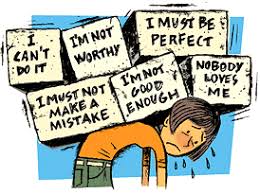
I felt like this lady all day, every day.
It’s honestly annoying.
They can sense FAKENESS from MILES away!
The truth is–they don’t need a”made-up” person who has it all under control. They didn’t need the teacher that I was desperately trying to be.
What my toddlers needed all along was…ME.
They craved to connect with the real ME.
Kids, at this age, NEED an adult to express difficult emotions such as anger, sadness, and anxiety. They want us to identify our feelings, own them, say them out loud, and normalize them.
When we express our emotions to them, we are helping them to make sense of their own jumbled-up feelings. Communicating “big” emotions such as anger and anxiety helps us demonstrate adaptive ways of handling them. In those moments, we show (not tell) them how to effectively handle overwhelming emotions. We model how to handle conflict.
They watch how we respond to our own feelings. That is where true learning happens.
The goal, I found, is not to be an adult who shows little to no emotion.
The goal is to become more mindful of our own emotions so that we can express them in a healthy way. By doing that, we create opportunities for children to learn how to handle their own feelings in an appropriate manner.
We can’t tell them how to do it. We must show them how to do it.
And it has to be genuine.
I learned this the hard way.
I tried arduously to keep up the “facade”, but one day, I broke. I could no longer remain “calm” and “serene” in a classroom full of running toddlers who refused to listen. They were throwing toys, grabbing one another, jumping off chairs, and ripping up activities that I had planned for them. I wasn’t okay with that. In fact, I was NEVER okay with that. So what changed?
That day, though, one major thing happened:
I SHOWED them I wasn’t okay with it.
“EXCUSE ME!” I yelled, “SIT DOWN, RIGHT NOW!”
Most of the class came to a screeching halt. They had not heard me yell or lose my cool before.
“ENOUGH!” I said, “WE are ALL DONE!
“no more,” I whispered.
Of course, I had the few that thought I didn’t mean what I was saying. So, I, physically, walked over to them, held their hands, and gently led them back to their seats.
When everyone was sitting, I took a few deep breaths in and out. I took my time to cool down. I let them see me inhale, and exhale loudly. As I stood in front of the class, there was utter silence. All eyes were glued to me.
When I finally spoke again, I lowered my voice so much that they struggled to hear what I was saying.
“Ms. Abid comes in here every SINGLE day–excited to see all of you,” I whispered.
“It makes me so angry and sad when you all do not listen to what I am saying.”
“It makes me think that you don’t like having me as your teacher.”
As expected, students quickly jumped into reaffirm me: “That’s not true.” “Look, Ms. Abid! I’m listening.” “I’m sitting down!”
I gave them the opportunity to express their feelings, and only proceeded to speak when they were all silent again.
“I hate yelling at you all. It doesn’t make me feel good,” I told them. And, I honestly meant it.
“BUT”, I emphasized, “if you continue to act like this, I will NOT tolerate it.” And this time, I honestly meant it.
For the first time ever, I felt like they all heard me.
“Do you understand?” I asked my class.
They all nodded.
“Are you SURE?” I inquired, one more time.
They all nodded.
I spent the next few minutes walking around the classroom, approaching each student, and kneeling down to their level. I gently touched their arm or shoulder to get their attention. When I saw them sustain direct eye contact, I asked each, and every student to rephrase what I had just said in their own words.
And they did.
I wish I could say that everything changed that day– that I had no more problems with students acting out and everyone lived happily ever after.
But, that’s unrealistic.
It’s even more unrealistic when working with toddlers.
What I CAN say, however, is that I have RARELY found myself yelling after that day.
My expression of anger certainly got their attention, however, I can’t say that it was what kept their attention.
I attribute their increased listening ability to my letting them see me for who I am. This single change allowed numerous opportunities for my students to connect with me. As people, we cannot connect with an “illusions.”
Every day after that dreaded day, I made it a point to show up as myself—just as myself—a fallible human who is trying to learn them just as much as they are trying to learn me.
The BEST thing I did was I dropped the facade.
When my students stressed me out, I told them. When they did something to make me happy, I told them. When I felt sick or drained, I told them. When I felt dissatisfied or disappointed with their actions, I told them.
My genuine communication has been the precursor to building strong relationships with each one of my kids.
What I’ve learned is…
Taking ownership of ALL of our emotions is the bravest thing we can do—
For ourselves, AND for our children.
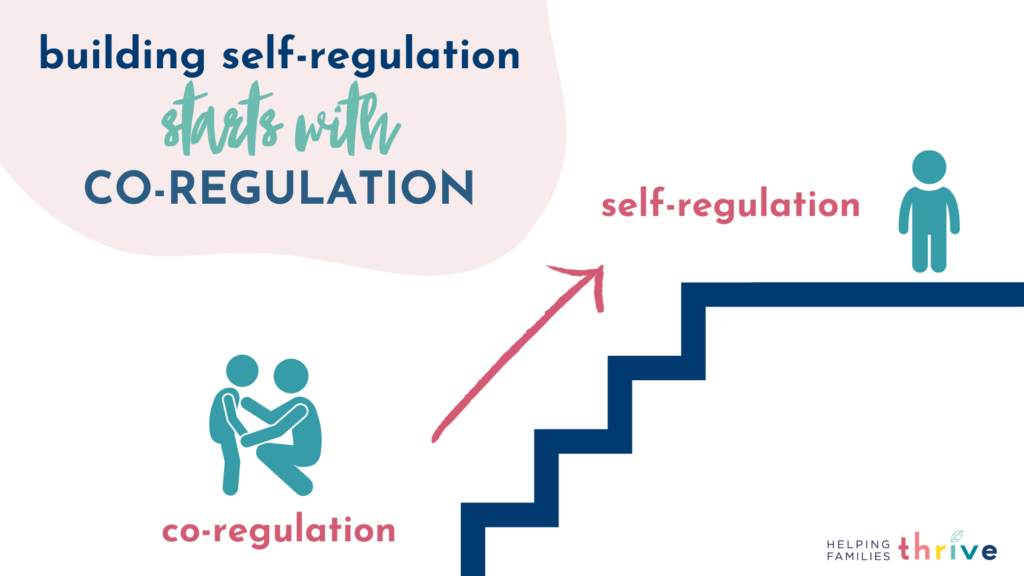
When we forbid ourselves to feel and express complicated emotions, we take away the chance to successfully show our little friends how to REGULATE their feelings.
So much has changed since the day of my “outburst.”
Nowadays, if you were to walk into my classroom, you would find it to be far more lighthearted.
By letting them see me, I have allowed them to build authentic connections with me.
Connection is key; no one wants to learn from someone they cannot relate to.
These days, I don’t need to get so intense. When I see my students veering off expectations, I say things more sarcastically (yet, keeping firm)…
.”okay…ya’ll are doing too much now.”
“_________(student name), you’re being a little too extra today.”
“Dear lord, yall are stressin’ me out…I’m no fun to be around when I’m stressed.”
“Whoa! We have a lot of energy today! Would you like to go outside before we do circle time?” Giving them options has been immensely helpful in reducing power struggles.
When all else fails, I flat out ask them, “are you acting out because you want my attention?”, and you’d be surprised at how many times they answer “yes.”
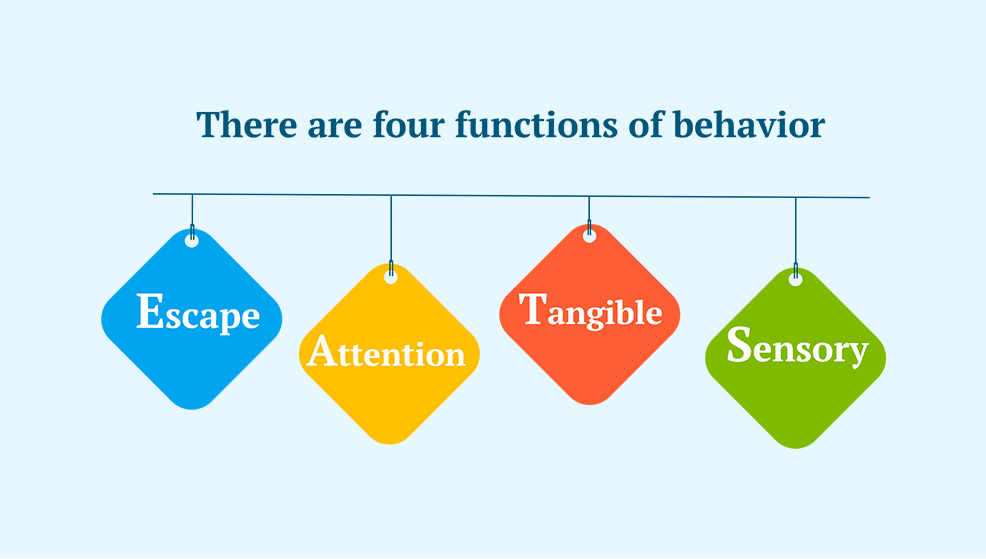
The thing is…all behavior is communication.
Being a teacher is all about getting more skilled at deciphering their behavior.
Getting to know each of my students has not only helped the classroom environment become less stressful, but also made it so much more fun…even for me!
Nowadays, I find myself dancing, singing, playing, building, and being silly with my kids. I get to celebrate their little victories and guide them through poor choices by offering them alternative solutions.
Most days, I would tell you that being a pre-K teacher is SO MUCH FUN!
And, if you have toddlers, you already know…if there is fun involved, our tiny humans will be the first ones there!
I know I’ve been posting a lot about the “highlights” of my journey. However, I don’t want to promote toxic positivity; in reality, my journey really has been a roller coaster ride; ever since I found out that I had PCOS, which naturally perpetuated insulin resistance, my world and body have made a complete 180.
Or that’s what I’d ideally like to think.
I have made some serious changes to my diet and exercise. The amount of discipline I’ve dedicated to restoring my health has been somewhat of a shock to me. Honestly, at the beginning of April, I wondered if I’d ever be able to stick with a routine.
Don’t get me wrong. I AM proud of myself.
But, today is just not one of those days I feel that way.
Have you ever cued into your body’s messages and realized that something feels off–like you’re off-centered, or off-balance?
Yet, for the life of it, you cannot seem to pinpoint the concrete event that triggered that feeling in the first place.
Today, I’ve been experiencing unsettling sensations in my body. I can feel, intuitively, that something has triggered me; however, I can’t seem to place my thumb on what that trigger was. These icky sensations have started to manifest themselves physiologically as well.
I feel like I got hit by a train today. That’s especially strange since yesterday was a rest day; my body “should” be feeling rejuvenated but it doesn’t. I’ve felt more fatigued today than I have in the last 30 days. So much so that I had to call out of work as I was barely able to wake up.
WHAT IS GOING ON WITH ME!?
It’s so strange because if I witness my mind, I can catch myself wandering towards self-sabotage. An odd feeling; I encourage everyone to try it. It’s like having an out-of-body experience. You start having thoughts like:
Whoa! “Maham” really wants to act on the urge to self sabotage. “Maham” is feeling really upset. “Maham is wanting to act out.”…
Speaking of acting out, I ate all the carbs I could today.
Even though, I knew they would make me feel horrible. And they did.
My body literally sent them right back up, and out. And you know what I did afterwards?
EAT MORE CARBS.
WTF
So with that knowledge, most would find it reasonable to go on a run, take a good pilates class, or engage in some HIIT; most would move towards the direction of improving their present situation.
But not me.
I have continued lying in bed, in and out of sleep, literally paralyzed with this insidious feeling of unease.
And it’s not because I have no one to share these painful feelings with. It’s more of an inability to ACTUALLY get myself to a place where I feel courageous enough to be seen & heard.
It feels like crazymaking when you can acknowledge the support system around you, and STILL not utilize it.
This “off” feeling is undoubtedly affecting my relationship with Ayrah– which honestly leads tomy feeling even more worthless.
I swear, children are so intuitive; nothing gets past them. I’ve seen it happen with infants, toddlers, elementary school children and even our middle schoolers. Similarly, I can try and put on my best facade for Ayrah, but she can read right through the BS to my true energy.
The million dollar question…
WHY has some part of me become hellbent on destroying the progress I’ve made?
I…don’t know.
that is the most authentic answer I can give to all of you and myself right now.
I don’t know about yall, but not “knowing” makes me feel even more nervous. Uncertainty and I still are building a relationship. On my best days, I’m able to tolerate it. That’s it though.
There has been no embracing it with open arms or making it an ally 🚫
and then I get so HARD on myself….!
I “should” know right? I “should” be able to pick myself up out of this one random overcast day, right?
I should–especially because I have a Masters in this “mind stuff”. I’ve been taught the stuff to say, the interventions to use, given the worksheets to utilize and skills to practice….
If I was trained & entrusted with helping others walk through their uncertainty & triggers, shouldn’t i just be able do it for myself???
……
But I can’t.
THAT is the confounding paradox.
Something is wrong. I don’t know what it is. But, I feel it with such a powerful intuition! For my yogis, and reiki companions, I feel a palpable blockage in my throat and heart chakras. It’s like there’s a disruption between what my heart is feeling and my ability to communicate it to my environment 🌏
It feels like there is a frog in my throat. Like each time I attempt to speak up, the “cat gets my tongue” and I’m left a blubbering mess.
I feel similar to what Hansel & Gretel might’ve felt–I’m trying to find my way to a specific, concrete destination while not knowing where/what it is.
It’s interesting becauseI can tell my body is trying to communicate with me. I find the unsettling somatic sensations analogous to the bread-crumbs that Hansel and Gretel dropped on their path. They are clues that are meant to lead me back home. These visit sensations are trying, relentlessly, to communicate with me. They are constantly alerting me of the deviation from our natural emotional homeostasis.
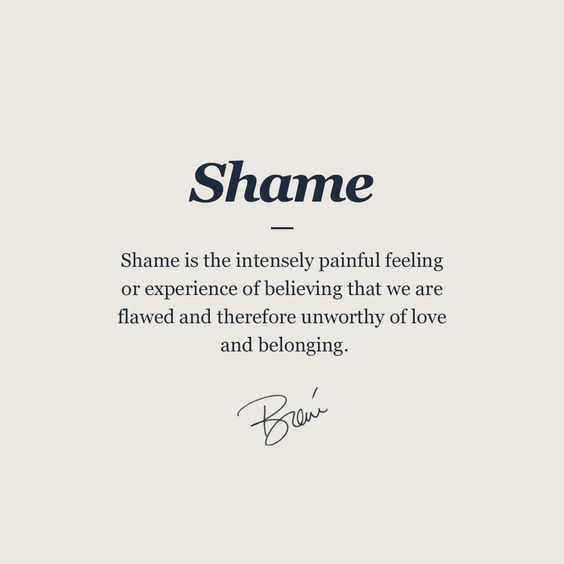
I don’t know about you, but I often find myself starting to let shame slip through the doors during times like this. It’s hard not to.
The inner critic takes center stage and starts declaring these statements that sound ludicrous, that are ludicrous, and yet somehow…they still affect me.
“Omg! You ate a mini can of Pringles today…all your progress is ruined.! You’re a failure. Save yourself the dissapointment of keeping up with a healthy diet or workout routine, because we both know you’re going to fail. Do you want to feel that worthless again? So stop while youre ahead.”
When I type it out, it sounds crazy; I know it does.
What’s even crazier is that when it’s not typed out–and instead, fired directly from my brain to my body, without enough time for reflection, I actually start to BELIEVE the unreasonable monologue.
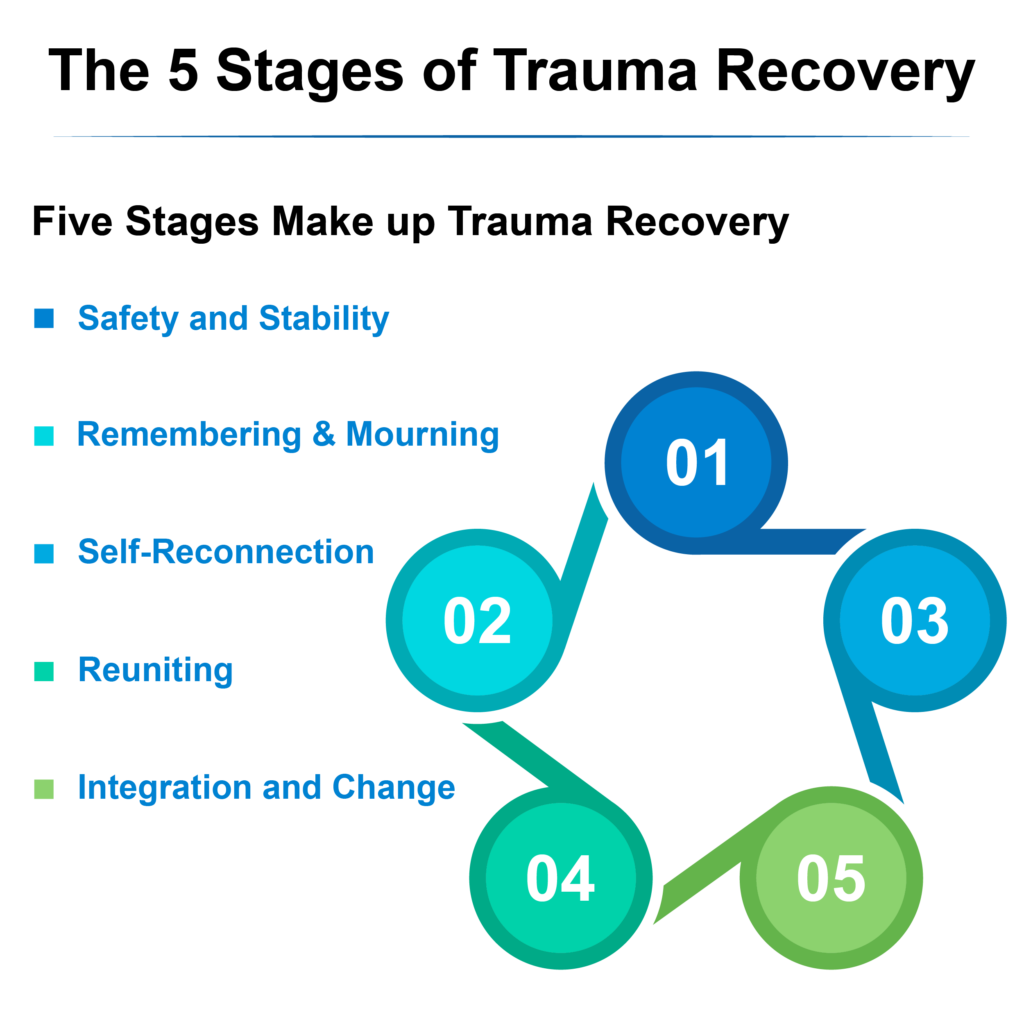
I know that a lot of people who have experienced trauma go through similar experiences. Trauma tends to fragment our thoughts, emotions and sensations in an attempt to protect us from overwhelming pain. The final part of trauma recovery involves the integration of these “compartments” and I can’t honestly say that I have completed full reintegration. Sure, there are times when I feel more integrated than others. however, at times like this…I feel at a loss
.
Many trauma researchers have theorized that painful emotions during a traumatic event usually get stored in the body as tension and pain. If not treated, these may lead to the onset of physical diseases.
Consequently, it makes perfect sense that the body could experience discomfort long before the mind can subconsciously pull out, and identify the focalized trigger or cascade of events that caused the unsettling sensations in the first place.
If you haven’t already, I highly recommend my friends undergoing trauma recovery to pick this book up. It is a life changer!
Sigh– since I’m at a loss, I’m going to throw it out to you guys!
What do you do if/when you feel this way?
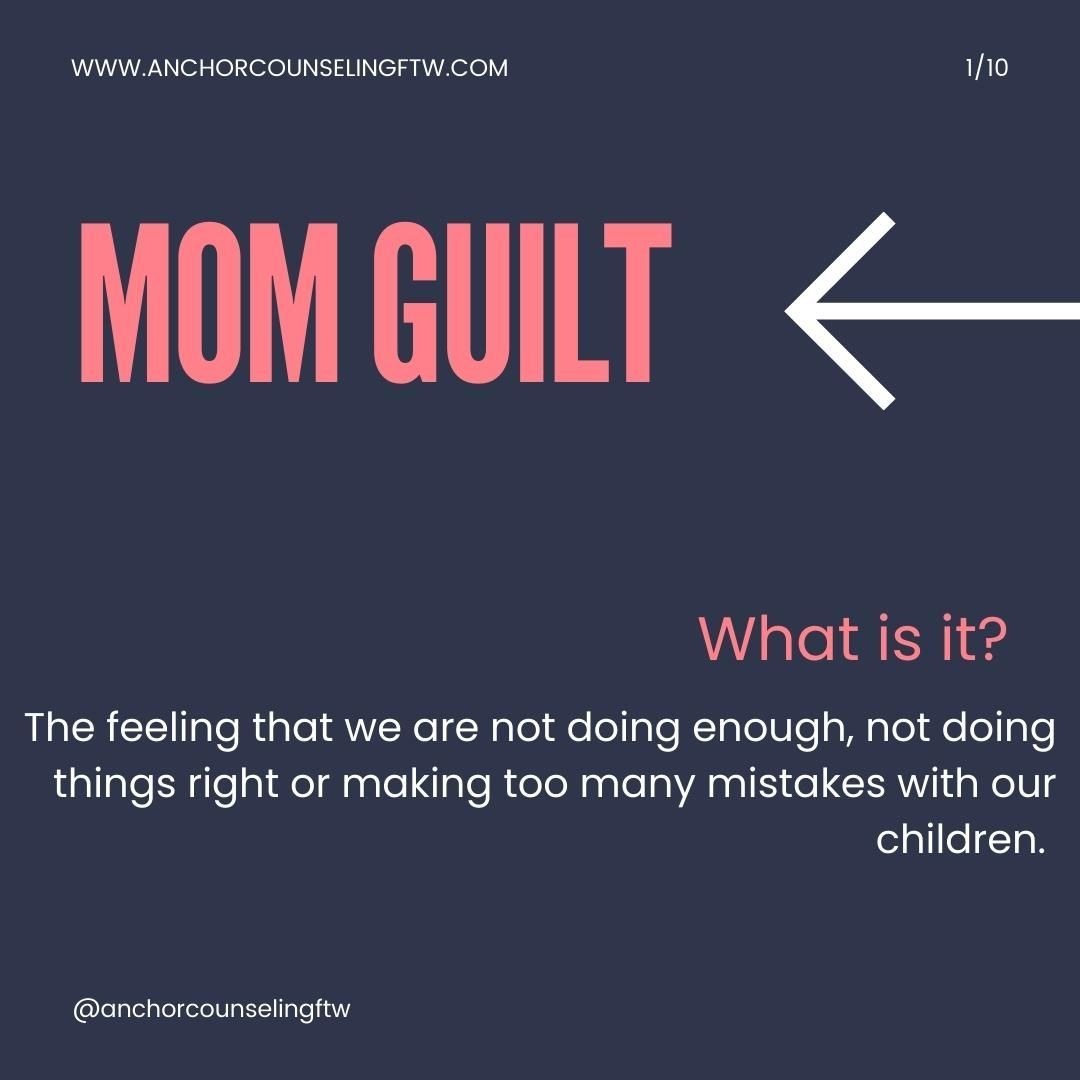
I am trying to practice self-compassion but I feel so much shame—especially in the motherhood arena.
I get Ayrah only during the holidays so I put this extra pressure on myself to ENJOY and spend every single moment with her. It’s unrealistic.
and when I’m unable to do so, I feel like I’m a horrible mother. i feel like a failure. I feel like I’m inflicting these massive, irreversible wounds of abandonment or trauma in my child. But I KNOW that children are resilient. I KNOW that you don’t have to be the perfect parent; you just have to be ENOUGH. But KNOWING those things is not enough to stop the distorted thoughts from morphing into deep shame.
“Look at you…”, my mind snarls, “you go teach other parents’ kids all day long–you give them your best, only to come home to your child completely depleted, drained, and grumpy. She gets to have ethe worst of you. Great job, Maham.”
“And oh yeah, let’s not forget that you don’t even get for the whole year. She’ll be gone by the end of the summer, probably thanking God that she doesn’t have to be around a wreck of a mother.”
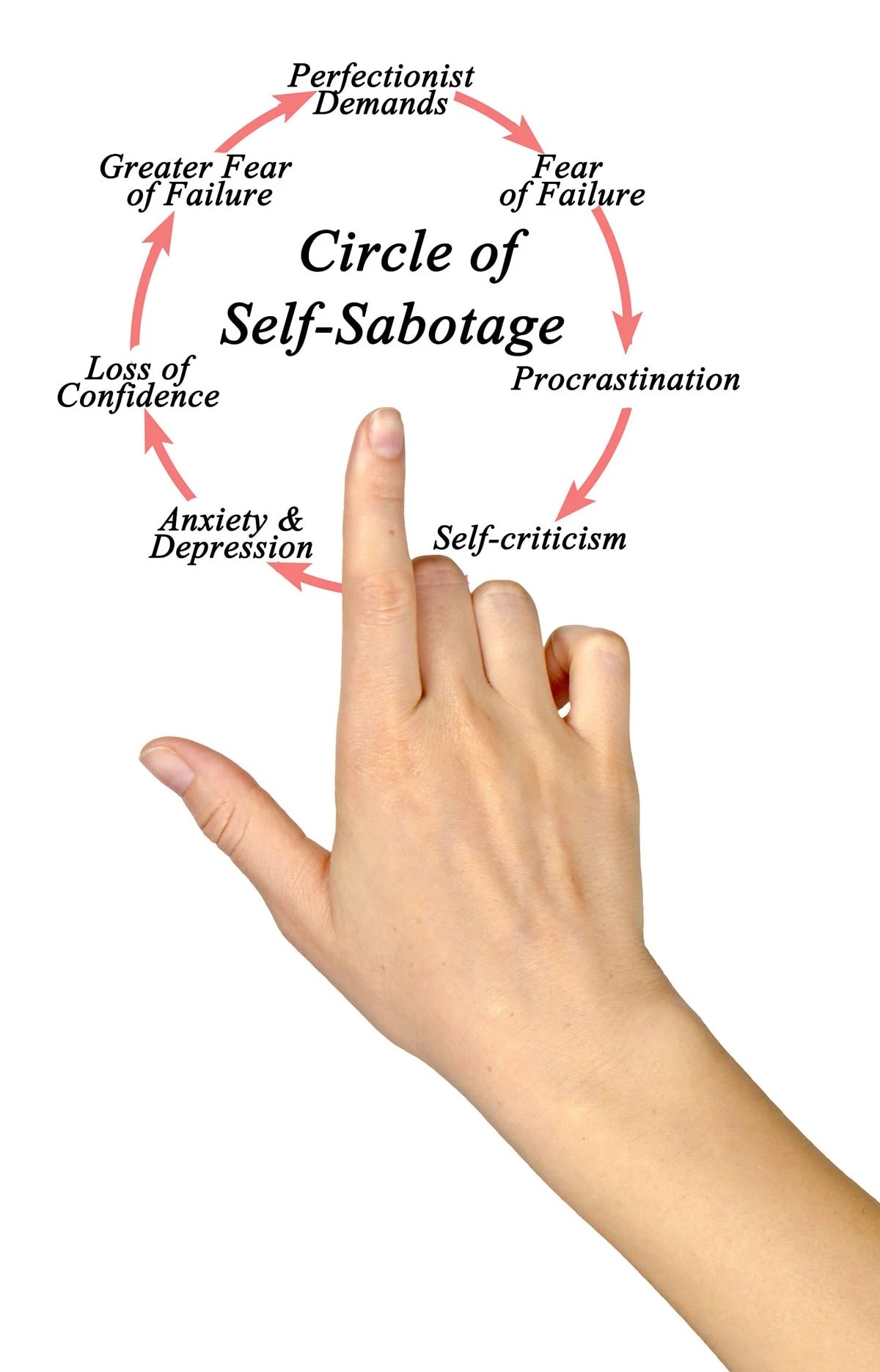
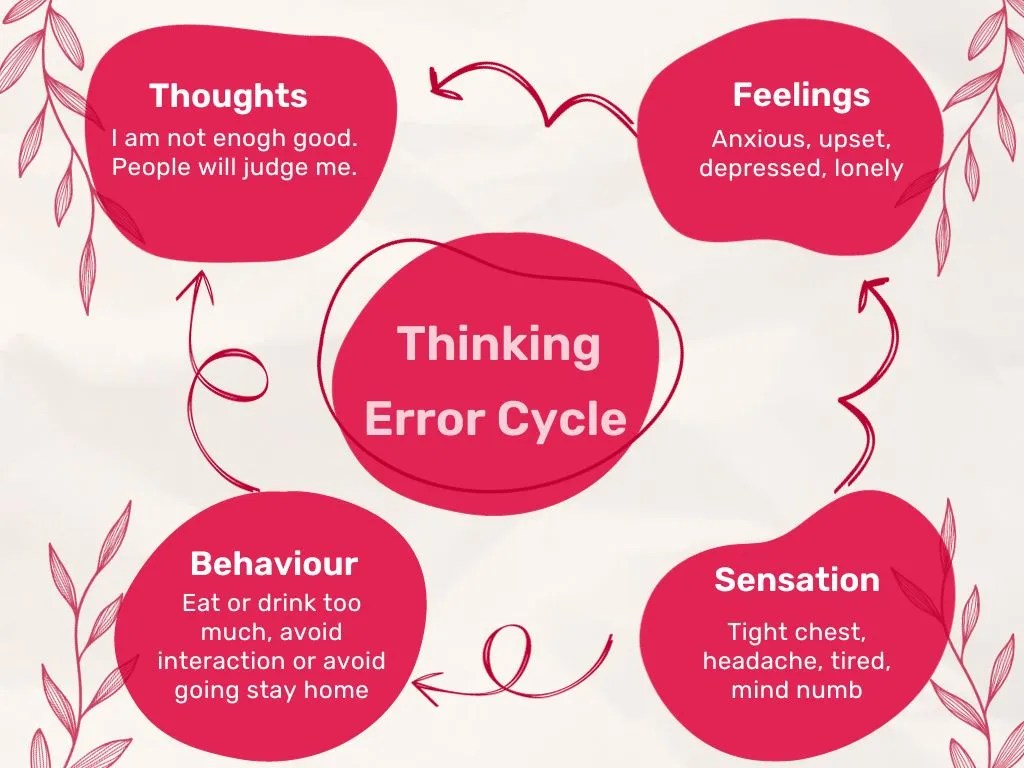
Thoughts like these create that dreaded negative feedback loop, where my belief of failing keeps me from being authentic and present with my child. When I’m not transparent with Ayrah, she can sense it and I know she can sense it. That just results in my confirming the “belief” that I’m a “failure”. And round and round we go…
till it bleeds into every and ANY interaction I have with my wonderful, magnificent daughter.
For now, I’m going to ride this wave out, let the emotions move through me, deliver their messages and move OUT of me. I want to keep you all updated as it helps me stay accountable.
In the meantime, I’d really appreciate any advice, ideas or suggestions about how you’ve managed to stay “relatively” sane through these ” emotional ruts”. And if you don’t have any, it would mean so much to me if you could practice enough vulnerability and share similar struggles that you may have had. Brene Brown, renowned author and sociologist, states that the most POWERFUL words we can communicate to one another during a time of pain or shame are “Me too”. I believe this is because it helps normalize the icky feelings we all may feel from time to time. For me, it lets me know that I’m not crazy or alone in feeling these ways at times. I hope its okay to KNOW what to do yet still not quite have mustered the motivation to actually implement it.
Would ❤️ to hear from you,
Till tomorrow—here is to hoping I don’t eat the entire Costco box of all the Pringles containers by the AM 😉
What is it? Why do we do it? How do we change it? Why do we want to change it?
All your answers will be found below.
First, let’s revisit what we were talking about with those zebras earlier. Our first blog in this series of fifteen natural ways we all naturally f*ck ourselves up was about polarized thinking.
Now who remembers what polarized thinking was?
I feel like I’m teaching again.
Crickets.
Yup.
Polarized thinking was a cognitive distortion—an inaccurate or distorted way of thinking that is not helpful to us, our interpersonal relationships and our environment.
Overgeneralization is another one.
A cognitive distortion, that is.
& it is going to be the 2nd one we talk about on my blog!
I have decided to do an educational series on my blog. Every week, I will post in detail about one of the 15 most common cognitive distortions.
Why???
My rationale (& desire) for doing this is so we can all review our own thinking patterns as we move into the new year.
So often our society talks about how feelings are not facts. As someone who pursued her Masters in Psychology, I can assure you that thoughts are not always factual either.
That means it doesn’t matter if you fall into the blessed left-brained, cognitive, and analytical quantitative group or the less preferable, messy, colorful, creative, right-brained, emotionally overladen group. It means that we are all…essentially FUCKED.
It doesn’t matter whether we are heart people or brain people.
It doesn’t matter if we feel more than we analyze
It also doesn’t matter if we analyze more than we feel.
Feelings are not facts.
And neither are thoughts.
Both are subject to system error-aka, the “human” error.
Because of how diversely tough life can be on all of us, we are all prone to developing biases in our ways of thinking. Prejudices–of sorts.
Our brains, which are hard-wired to notice patterns, make associations in an attempt to ultimately, arrive to more calculated decision in a shorter amount of time…can adopt ways of thinking patterns, or cognitive distortions, that are simply not helpful or accurate.
This week’s topic is overgeneralization. So what is it? Why do we do it? How do we know we are doing it? When does it become unhelpful? How do we stop it?
Read on.
What?
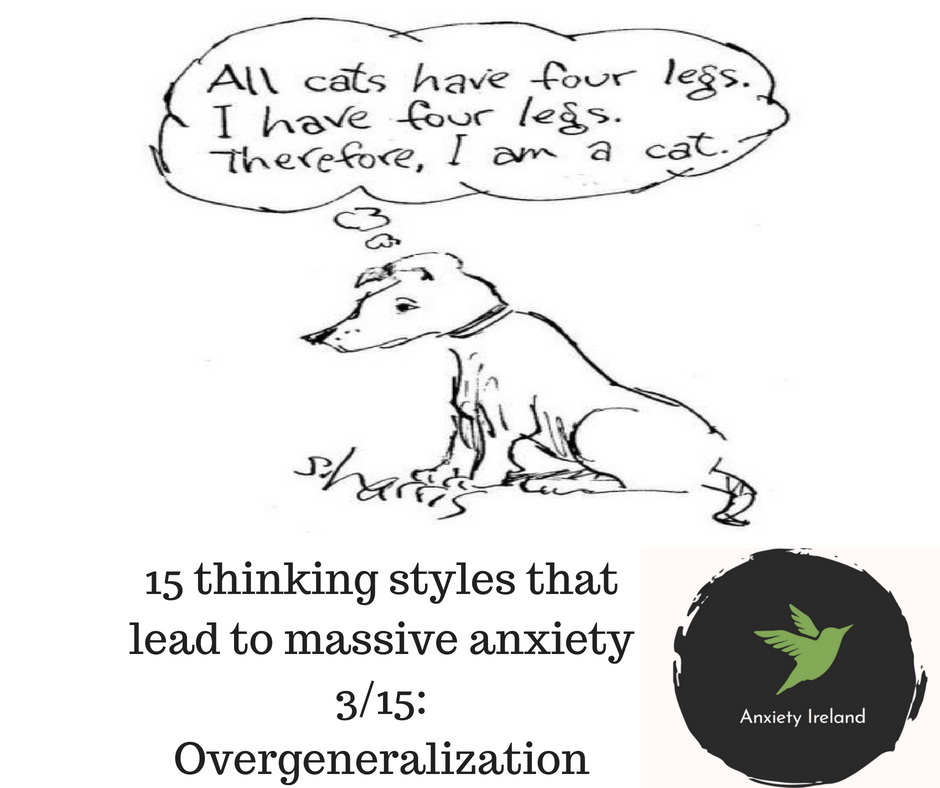
Overgeneralization is one of the fifteen cognitive distortions that are emphasized in psychology. It consists of a faulty perception or belief that causes one to judge oneself and others inaccurately. Those prone to probably said things like:
“I never do anything right.”
“No one will ever understand me.”
“Nothing ever goes my way.”
“All people, regardless of gender or culture, will always screw you over.”
A lot of people practice overgeneralizing each day and are completely unaware of it. The problem is that it leads to unnecessary anxiety and fear, and prevents us from taking healthy risks or attempting new things. As a result, we end up living below our potential for the majority of our autopilot lives.
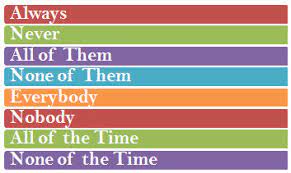
Victims of overgeneralization tend to use absolute terms in their vocabulary quite often. Some common ones include
always/never
forever/never
all/none
everyone/ no one
everything/nothing
When/Where?
We can tend to overgeneralize at anytime , anywhere. It is important to be mindful of what triggers this unhelpful and distorted way of thinking for you. Everyone is triggered differently. Most people tend to use cognitive distortions such as overgeneralization and polarized thinking when they feel fearful. Again, fear can encompass and disguise itself as a lot of secondary emotions. Most people essentially are most vulnerable to overgeneralization when they feel helpless, hopeless, attacked, vulnerable, exposed and cornered.
Who?
Overgeneralization belongs to the family of common cognitive distortions. Just like all other fifteen of its’ sisters, overgeneralization is not much different. All cognitive distortions, or unhelpful patterns of thinking, are usually a result of maladaptation to some degree. They are often seen in individuals dealing with traumatic events, unmanaged stress, and those diagnosed with anxiety disorders and depression.
How?
How do we stop it in its tracks when we find ourselves bound in its shackles?
Tip #1- Figure out your triggers.
Identify what triggers you.
A trigger can refer to anything— a person, place, sight, or sensation — that causes us to overgeneralize. The nuisance of triggers is that everyone has different ones. They are specific to each one of us and are heavily influenced by the feelings we have regarding our lives, self-esteem, others and environment. Another irritant is that we tend to engage in distorted ways of thinking, such as overgeneralization, when we are emotionally charged and feel cornered. Therefore, it is definitely difficult to recognize and become almost “meta-aware” of the fact that we may be clouded with our emotions. In highly charged emotional states, we are less likely to recognize the fact that we may be engaging in cognitive distortions. Despite how difficult it may be to catch ourselves engaging in unhelpful ways of thinking during highly emotional times, the rewards of becoming mindful and aware of our own shortcomings are multifold.
Tip #2- Become mindful of your vocabulary
When we find ourselves using overgeneralization as a defense mechanism, we often will use terms that are absolute. Absolute terms are rigid terms that do not allow any room for flexibility. When we catch ourselves using words like “all”, “none”, “no one”, “everyone”, “nothing” and “everything”, our emotions are usually looking for some validation from ourselves.
Tip #3- Practice reframing.
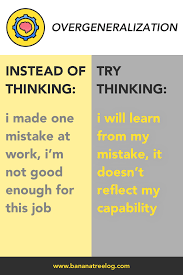
Reframing is a technique in psychology that encourages us to view a situation from a different angle. It’s an effective way to replace a negative thought with a more beneficial one. Reframing our thoughts pretty much consists of replacing our negative thoughts with positive ones instead. For example:
Instead of saying (and believing) things like “I suck at ______” or “I will never be good at _____”, try incorporating the terms “yet” & “and” instead of “but.” Practice saying (and believing) things like
I haven’ t been able to do it yet.
I haven’t solved that yet
I am not where I want to be, and I am not where I was.
I am not a saint, and I am not a sinner.
I am not perfect, and still worthy of love.
Reframing a situation can also mean taking more facts into account. It can look like choosing not to jump to conclusions. For example, instead of deducing that we can never do a specific task such as speak well in public, we can redirect our focus/thinking to more helpful questions
What was the reason for my “failing”? (Pressure, lack of preparation, etc.)
How can I improve?
What is the smallest thing I can do today to move in the direction towards improving?
What are the short-term steps I have to take to improve?
What are the long-term benefits to me taking time to change this about myself now so I don’t have to suffer later?
Through reframing, we often realize that most of your beliefs aren’t based in reality, which then opens up opportunities for positive change.
Tip #4- Keep practicing “positive” thinking.
Yes, I said what I said.
It is a practice.
It is a chore.
Congratulations Grumpy Cat.
So is everyone else’s if they don’t work on it actively.
It requires hard-work, and constant effort.
It is no means easy at first.
It takes time.
You will mess up.
Because so have I.
Some tips for encouraging our minds to more positive, helpful ways of thinking include
using positive affirmations
listening to uplifting messages (songs, sermons, lectures, books)
reading uplifting literature
watching funny videos
exercising
self-soothing
seeking therapy
learning adaptive coping strategies
keeping a gratitude list
surrounding ourselves with positive, optimistic individuals
getting out in the sun
taking a bath (for me)/something relaxing and nice for yourself that requires you to treat yourself.
calling a friend and to catch up
asking/noticing what we can do for those around us
…I start to feel more and more out of control and ironically, it makes me want to grasp onto any last straw of “control” I can imagine.
Human beings are quite the ironic creature. The more out of control and panicked we feel, the more we tighten our grasps around the very things that make us feel out of control. This just creates a negative feedback loop of B.S, that forces us to white knuckle our way through life instead of enjoying its dynamic ups and downs.
Eckhart Tolle, one of my favorite authors, stated:
I just lost my anger on someone that has been a trigger to me. After the heightened verbal exchanges comes the tsunami of regret, remorse, and guilt. We have all been guilty of saying hurtful things at the peak of our anger. The thing I learned about anger in pursuing my masters in counseling psychology is that it is merely a secondary emotion.
What does that even mean?
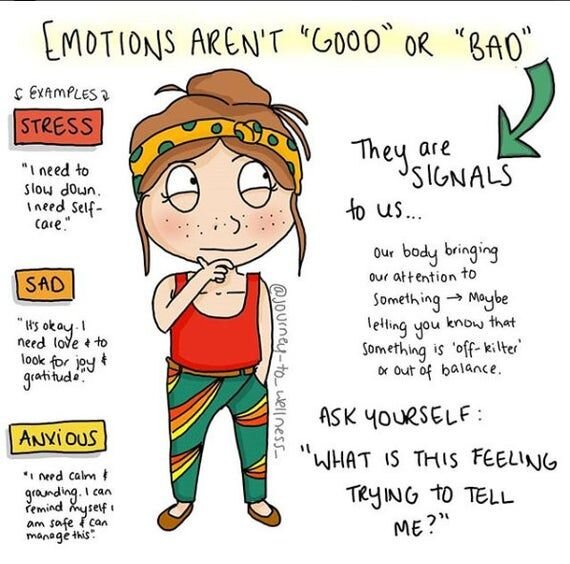
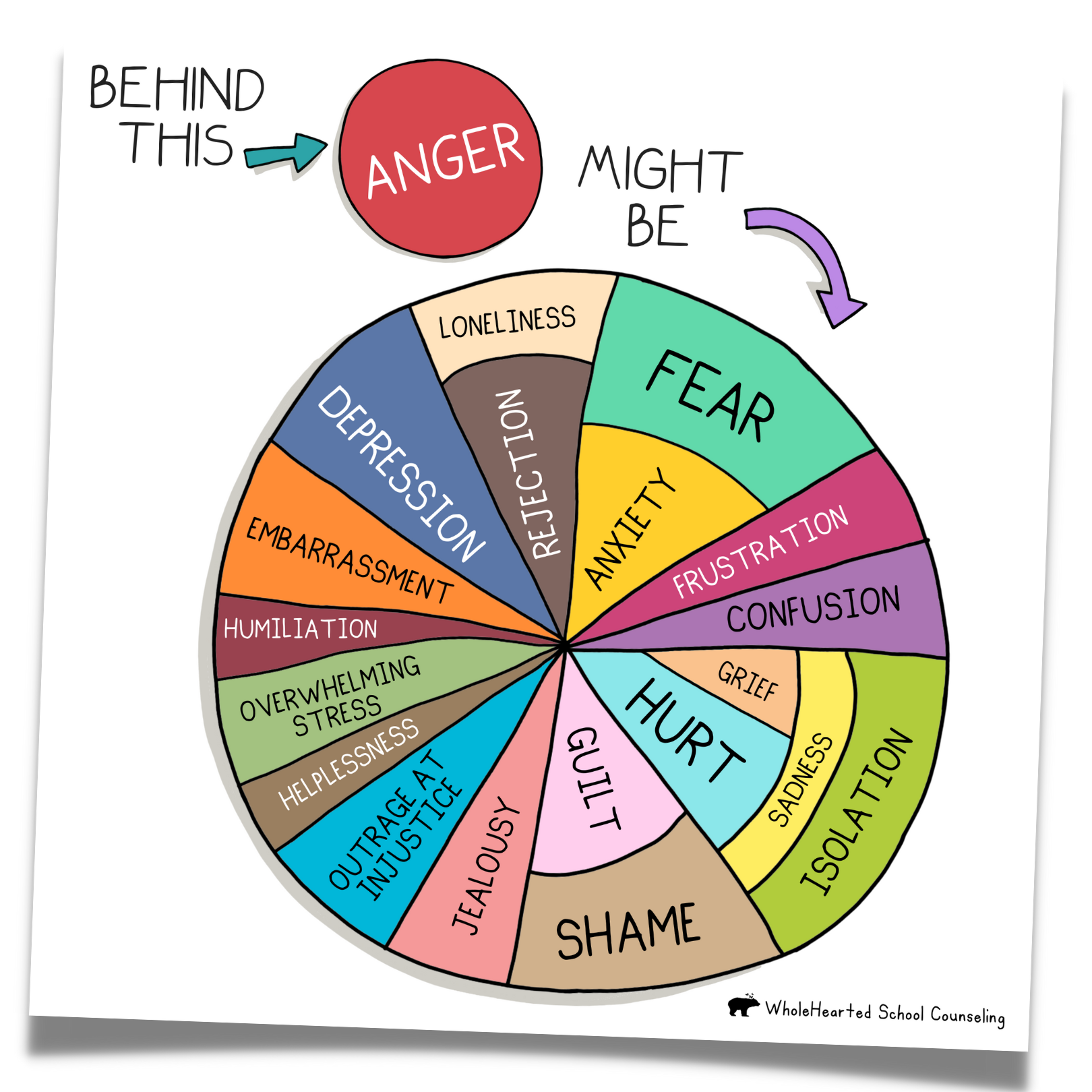
Anger is a secondary emotion , as it lends itself as a defensive approach to feeling some of the more vulnerable, scary primary emotions shown in the graphic above. Today, for me, the primary emotions were hurt, grief and helplessness. Let’s add a teaspoon of humiliation too.
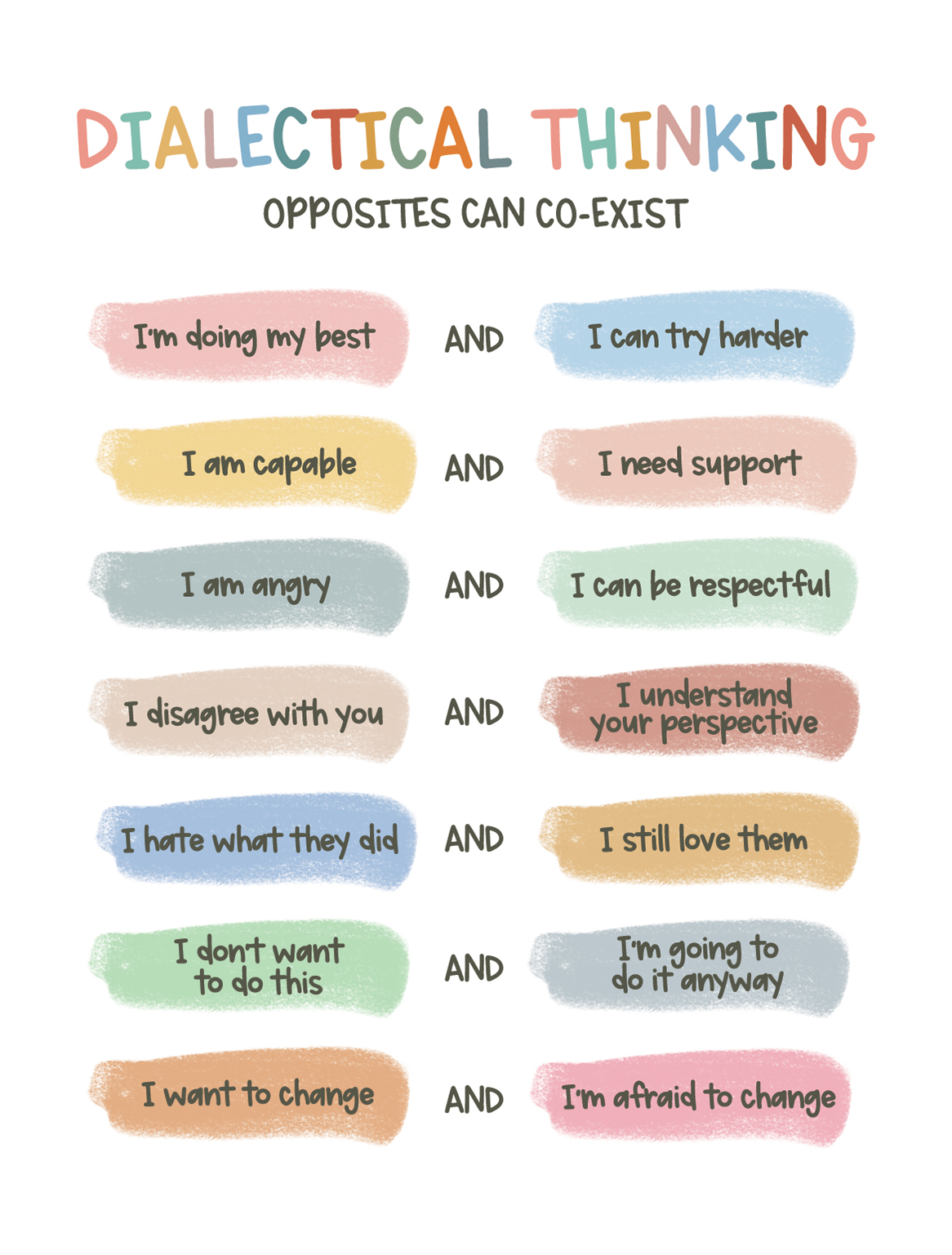
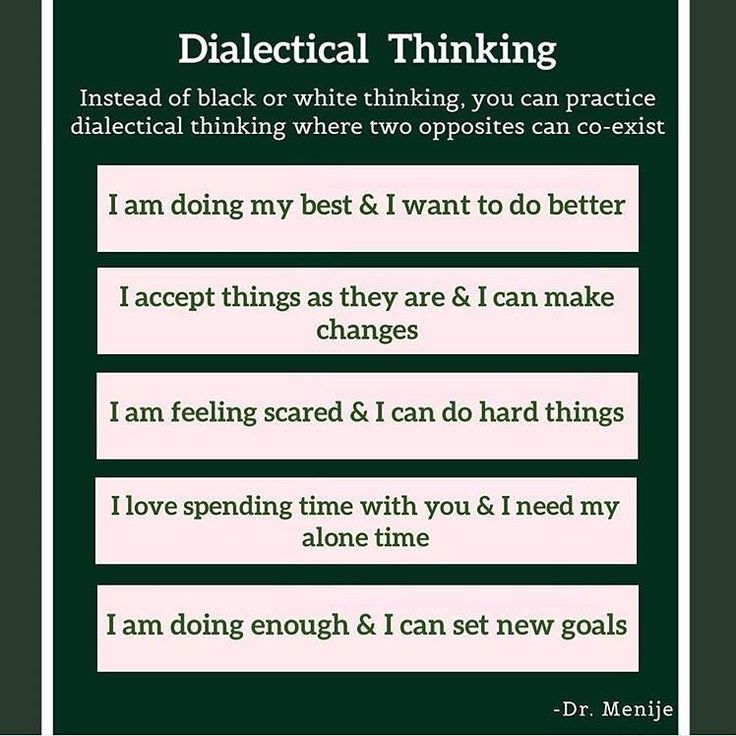
I want to talk about anger and acceptance today. They seem like they are so contradictory, however, if we can begin to think of our lives in a dialectical manner, we can begin to hold space for two seemingly opposing schemas within ourselves. It is possible for two things to be true.
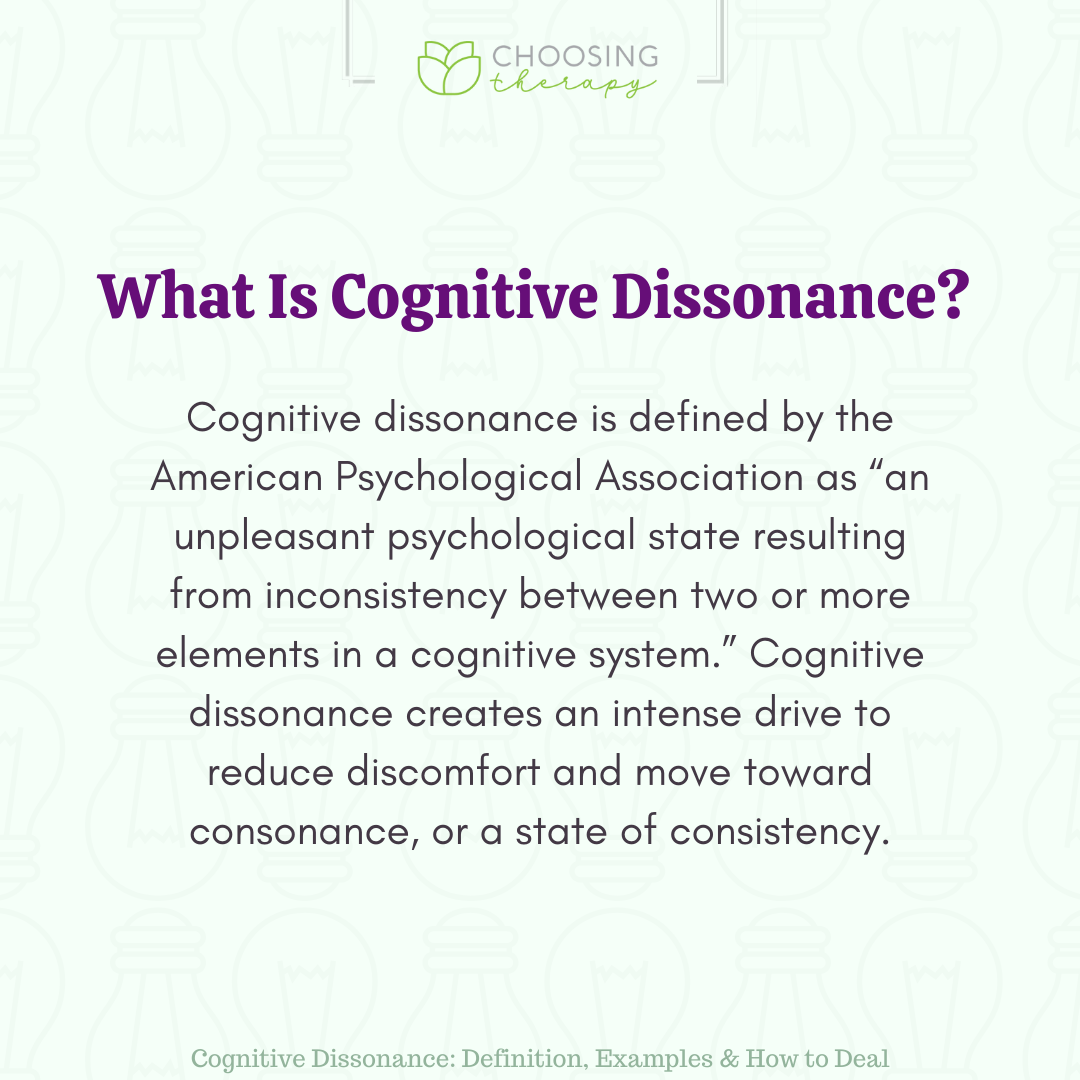
The reason it is so difficult for us average human beings to hold two seemingly paradoxical realities as true at the same time is because it creates tension in our psyche. In psychology, we refer to this tension as cognitive dissonance. This concept essentially outlines the natural stress and disharmony that result from trying to reconcile feelings or thoughts that simply do not align with one another.
Mankind has survived thus far due to his/her ability to view the world and start to view it in categories. Imagine being a child. There are so many overwhelming stimuli. In an attempt to understand the world around us, we begin to form associations, correlations through becoming aware of patterns.
This natural predilection only becomes problematic when we become too rigid in keeping all of our experiences boxed into neatly wrapped, homogenous compartments.
It does not feel comfortable to break out of those cute little patterns that have helped us make life more predictable.
This is “good” and that is “bad”. This is “right” and that is “wrong”. This is “satisfactory” and that is “unacceptable.” This type of rigidity leads to cognitive distortions.
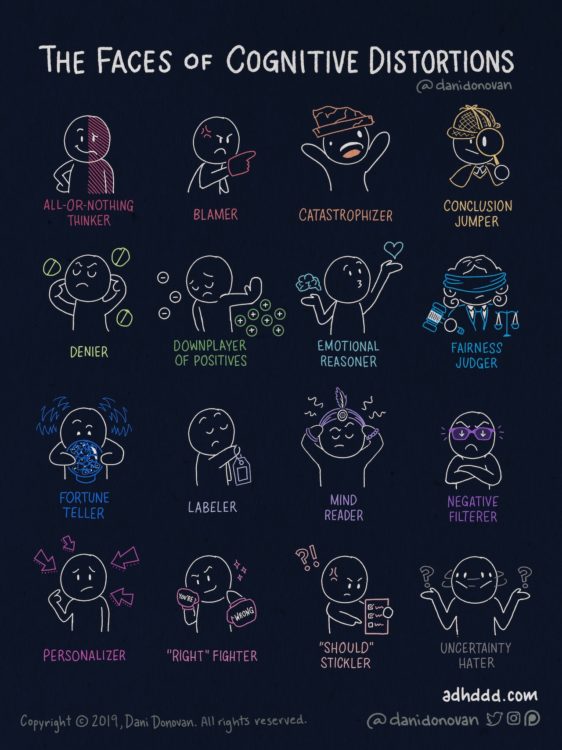
Cognitive distortions involve negative thinking patterns that aren’t based on fact or reality. They often rely on faulty assumptions & unrelated associations that we have inaccurately made throughout our life.
The type of cognitive distortion I want to talk about today is called: Polarization.
Polarized thinking is an extreme simplification of reality. Things are either black or white, good or bad. We don’t see the nuances that exist between one extreme and another. People with this type of distortion feel comfortable placing reality between two extremes.
Why do we do it?
Viewing situations in extremes is something many of us do naturally. All human behavior is motivated by a self-serving need. Thinking in extremes allows us to narrow down experiences into simple categories. Essentially, it is an oversimplification technique that gives us the false feeling of “being in control.” For example, if we can define it in two absolute categories, life becomes a lot more predictable. Polarized thinking can help us simplify and process information as we receive it, allowing for easier understanding and faster decision making.
How do we avoid it?
In case you didn’t see this coming–surprise! Life is not black and white. Life is meant to be lived in all of its confusing colors. I know I sound like Pocahontas in my debut of “Colors of the Wind”, however, I do begrudgingly concur. There are just too many extraneous variables that affect everything we do, say, feel and think; we cannot oversimplify and attribute one thing with another without considering all factors. Read on for some helpful pointers when you find yourself stuck in black and white thinking.
Tip #1- Learn to view EVERYTHING on a spectrum
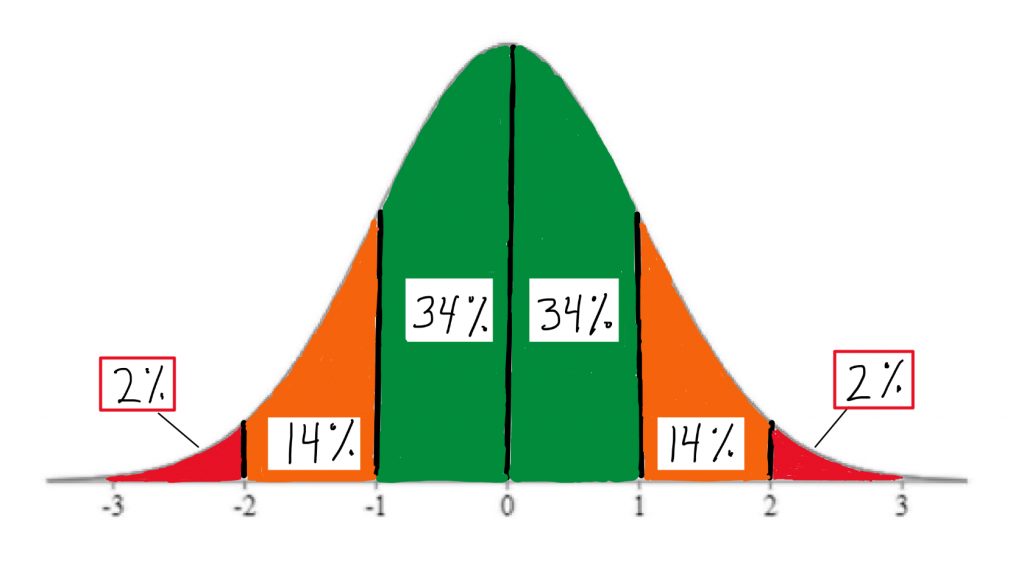
To those of you still traumatized by statistics, I’m sorry for the following diagram.
Every thing, person and situation falls within a spectrum. The above curve is called a “normal distribution” in statistics. Many of our pathopsychological issues arise when we move out of the green and orange zones into the red zone.
When we begin to view the world around us in absolutes, it leaves no room for change. As many spiritual practices and biological disciplines demonstrate–change is the only constant in life. What this essentially means is that the THE ONLY THING WE CAN COUNT ON FOR SURE IS THAT EVERY SINGLE THING IS SUBJECT TO CHANGE.
Stagnation is death; human beings, much like every other species in the cladogram of life learn, grow and adapt. Therefore, it is very simple-minded to speak of ourselves or others in absolutes. We all possess a range of complex emotional expression. Furthermore, this range is not fixed. It can be expanded through active pursuit of self-improvement.
Tip #2- Become aware of your vocabulary
Avoid using absolute terms such as “always” and “never”. Become aware of when you use them, and challenge your logic. Do you, without a reasonable doubt, have every single reason to believe that you are a failure? Probably not. Do you, without a reasonable doubt, have every single reason to believe that you are perfect and infallible? Probably not.
People often use the words “always” or “never” to emphasize what the statement they’re making. In reality, however, there are very few aspects of life where “always” or “never” are actually relevant and applicable.
Tip #3- Incorporate “and”, “yes”, & “yet” into your everyday vocabulary
Broadening binary thinking can improve cognitive flexibility. If you’re interested in learning how to stop polarized thinking, try to engage an extreme thought by exploring it with “yes, and.”
“Yes, I faced difficult things, and I also experienced good moments this week.”
“Yes, I’m a good person, and sometimes I make mistakes.”
“Yes, I’m not where I want to be and I’m also not where I was.”
“Yes, I am doing the best I can and I can continue to improve.”
“Yes, I struggle with _____ and I haven’t quite found a manageable solution yet.”
Tip #4- View yourself & others as holistic, inclusive beings.
Just like eating one salad didn’t make you immediately drop 3 jean sizes, missing one workout will not make you gain 4 back.
It’s an analogy. The point is that we did not become the way we are overnight. We have all lived unique lives with personalized experiences that have shaped our thoughts, feelings and behaviors. We are a collection–an amalgamation of ALL of our experiences, interactions and reflections.
When we begin to view ourselves through a more encompassing, broadened lens, we start fostering self-compassion, and acceptance. Adopting this type of view helps circumvent the pattern of thinking errors.
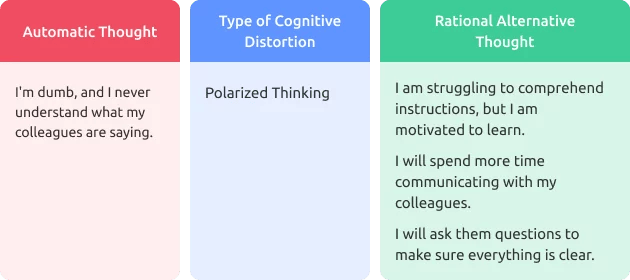
Tip #4- Triple Column Analysis
Begin to challenge your thoughts through a simple triple column analysis. Stanford University found statistically significant results in resilience and mood when comparing those who used this method and those who didn’t. Use the following example as a template for any emotionally overladen automatic belief/thought that arises for you ❤






















































 abidmaham