Trauma has a way of upending our world in an instant. For women who have bravely endured rape, abuse, or assault, the initial aftermath can feel like standing in most turbulent part of a hurricane—overwhelmed, shaken, unsure where to turn.
While the emotional chaos may feel insurmountable, it’s important to know this: healing is possible, and you don’t have to navigate this journey alone. How do I know this? Because you’re proof. You merely reading this blog post by some random stranger shows me that despite how I may feel at times, I’m not actually alone.
My goal for this blog post is to offer insights, actionable steps, and compassionate guidance to help us begin the process of recovery, no matter the crisis. We have already shown extraordinary strength by surviving. Now, let’s focus on taking the first steps toward healing.
1. Acknowledge the Overwhelm: You are not broken.
The days immediately following trauma are often filled with a tangle of emotions—shock, guilt, anger, sadness, and fear. These feelings are not a sign of weakness or failure. They are a normal response to an abnormal event. Trauma impacts both the mind and body, and understanding this can be the first step toward regaining control.
Take a moment to remind yourself that what happened to you does not define who you are. You are not broken. If you take anything away from this pedantic blog, please let it be this: you are not broken. We are simply responding to a devastating experience, and that, in itself, is a reflection of your humanity.
ACTIONABLE STEP: Begin by naming your emotions. Journaling, voice recording, or even speaking aloud to yourself can help you identify and process these feelings. This first step is vital in beginning to untangle the emotional storm inside.
2. Prioritize Your Safety and Basic Needs
The immediate aftermath of trauma can leave you feeling unsafe in your own skin. Reestablishing a sense of security, both physically and emotionally, is crucial. That might mean creating boundaries with people who don’t support your recovery or avoiding places that trigger painful memories.
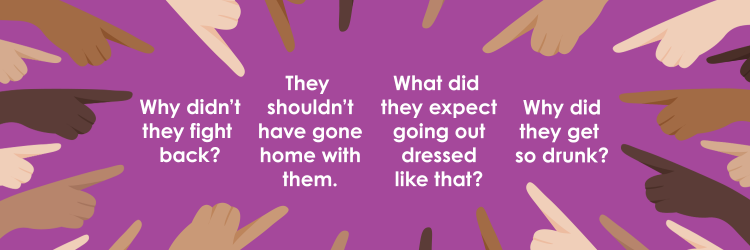
Coming from a culture in which we aren’t to date, it is so easy to pin any sort of negative domestic exchange on the women. The dissolution of a marriage? a woman’s fault. The husband cheating? it’s the woman’s fault. Assault, abuse, rape? No brainer. WOMAN’S FAULT.
And honestly, I don’t think it’s an exclusively cultural thing. I see it everywhere–in every continent; that makes my heart very sad.
If I had a penny for every time I’ve sought out support and understanding in contemporary culture and heard the statements above instead, I would be a millionaire—
“See, this is why Allah swt told you not to date–He knew these things would happen (which to some extent, I agree), –so it is your fault. If you hadn’t dated, you wouldn’t have suffered ______”
I digress.
In the aftermath of a crisis, it is equally important to tend to your physical needs as well, such as adequate sleep, nourishing food, and hydration. These seem like small tasks, but they lay the foundation for emotional healing.
ACTIONABLE STEP: If safe, reach out to a trusted support system, whether it’s a friend, family member, hotline, or therapist. Convey your need for safety and begin to design a personal plan to help you feel grounded.
3. Give Yourself Permission to Feel
Survivors of rape and abuse often try to suppress their feelings, either out of fear of being judged or because the feelings are too hard to face. However, bottling up your emotions will only prolong your pain. It’s okay to cry, yell, rest, or express your emotions in a way that feels safe for you.
One of the most painful consequences of trauma is feeling invalidated—whether that’s by others or your own inner critic. You may hear thoughts like:
it was my fault
it was because i wore that
it was because I drank too much
it was because I was vulnerable. I knew I shouldn’t have gone.
it was because I dated.
it was because I asked for it.
it was because I don’t remember it.
The list goes ON and ON. But you know what I find to be the motif among the list….
“It was because I deserved it'”.
ACTIONABLE STEP- Try journaling as a form of release. Write without censuring yourself—this is a space just for you. Putting your feelings into words can help you process what happened and regain some sense of control. Remember, feelings are not right or wrong; they are simply part of your healing process.
For me, writing poetry is such a cathartic experience. When I’m flooded with intrusive thoughts, I start finding words that rhyme in my head. Honestly, as a kindergarten teacher, it works. It takes quite a bit of brain power to generate words that rhyme–much less, string them together in a sentence that abstractly captures my feelings.
Understand the Immediate Aftermath of Trauma
When trauma occurs, your body and mind react instinctively to process what happened. These reactions—whether they manifest as numbness, fear, anger, guilt, or disbelief—are completely normal. Your brain is trying to make sense of something senseless and figure out how to protect you moving forward.
Many survivors describe feeling like they’re in a fog or like life has suddenly changed in an instant. After a sexual assault or act of abuse, the fight-or-flight response remains heightened, leading to physical and emotional exhaustion. The first step in addressing these overwhelming reactions is to remind yourself: everything you’re feeling right now is a valid response to trauma.
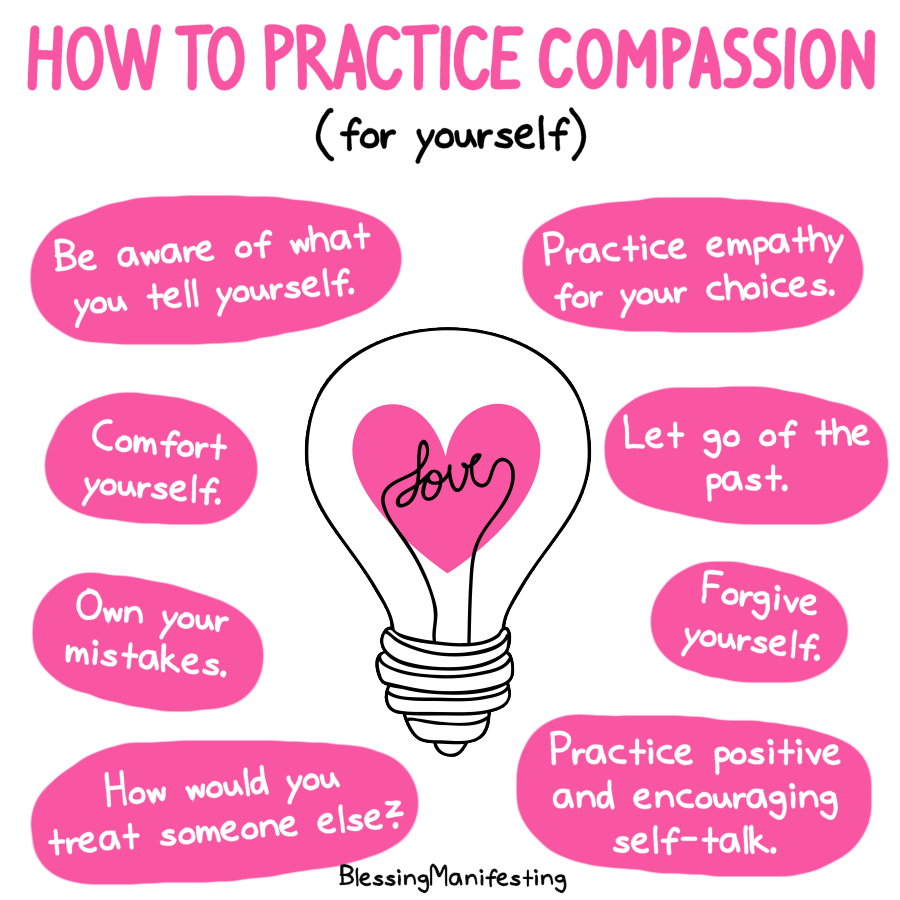
Our journey to healing starts with self-compassion.
And that’s what we’ll dive deeper into in my next post–practicing self-compassion.
But for now…
ACTIONABLE STEP: Start practicing and incorporating self-compassion.




 abidmaham