I know I’ve been posting a lot about the “highlights” of my journey. However, I don’t want to promote toxic positivity; in reality, my journey really has been a roller coaster ride; ever since I found out that I had PCOS, which naturally perpetuated insulin resistance, my world and body have made a complete 180.
Or that’s what I’d ideally like to think.
I have made some serious changes to my diet and exercise. The amount of discipline I’ve dedicated to restoring my health has been somewhat of a shock to me. Honestly, at the beginning of April, I wondered if I’d ever be able to stick with a routine.
Don’t get me wrong. I AM proud of myself.
But, today is just not one of those days I feel that way.
Have you ever cued into your body’s messages and realized that something feels off–like you’re off-centered, or off-balance?
Yet, for the life of it, you cannot seem to pinpoint the concrete event that triggered that feeling in the first place.
Today, I’ve been experiencing unsettling sensations in my body. I can feel, intuitively, that something has triggered me; however, I can’t seem to place my thumb on what that trigger was. These icky sensations have started to manifest themselves physiologically as well.
I feel like I got hit by a train today. That’s especially strange since yesterday was a rest day; my body “should” be feeling rejuvenated but it doesn’t. I’ve felt more fatigued today than I have in the last 30 days. So much so that I had to call out of work as I was barely able to wake up.
WHAT IS GOING ON WITH ME!?
It’s so strange because if I witness my mind, I can catch myself wandering towards self-sabotage. An odd feeling; I encourage everyone to try it. It’s like having an out-of-body experience. You start having thoughts like:
Whoa! “Maham” really wants to act on the urge to self sabotage. “Maham” is feeling really upset. “Maham is wanting to act out.”…
Speaking of acting out, I ate all the carbs I could today.
Even though, I knew they would make me feel horrible. And they did.
My body literally sent them right back up, and out. And you know what I did afterwards?
EAT MORE CARBS.
WTF
So with that knowledge, most would find it reasonable to go on a run, take a good pilates class, or engage in some HIIT; most would move towards the direction of improving their present situation.
But not me.
I have continued lying in bed, in and out of sleep, literally paralyzed with this insidious feeling of unease.
And it’s not because I have no one to share these painful feelings with. It’s more of an inability to ACTUALLY get myself to a place where I feel courageous enough to be seen & heard.
It feels like crazymaking when you can acknowledge the support system around you, and STILL not utilize it.
This “off” feeling is undoubtedly affecting my relationship with Ayrah– which honestly leads tomy feeling even more worthless.
I swear, children are so intuitive; nothing gets past them. I’ve seen it happen with infants, toddlers, elementary school children and even our middle schoolers. Similarly, I can try and put on my best facade for Ayrah, but she can read right through the BS to my true energy.
The million dollar question…
WHY has some part of me become hellbent on destroying the progress I’ve made?
I…don’t know.
that is the most authentic answer I can give to all of you and myself right now.
I don’t know about yall, but not “knowing” makes me feel even more nervous. Uncertainty and I still are building a relationship. On my best days, I’m able to tolerate it. That’s it though.
There has been no embracing it with open arms or making it an ally 🚫
and then I get so HARD on myself….!
I “should” know right? I “should” be able to pick myself up out of this one random overcast day, right?
I should–especially because I have a Masters in this “mind stuff”. I’ve been taught the stuff to say, the interventions to use, given the worksheets to utilize and skills to practice….
If I was trained & entrusted with helping others walk through their uncertainty & triggers, shouldn’t i just be able do it for myself???
……
But I can’t.
THAT is the confounding paradox.
Something is wrong. I don’t know what it is. But, I feel it with such a powerful intuition! For my yogis, and reiki companions, I feel a palpable blockage in my throat and heart chakras. It’s like there’s a disruption between what my heart is feeling and my ability to communicate it to my environment 🌏
It feels like there is a frog in my throat. Like each time I attempt to speak up, the “cat gets my tongue” and I’m left a blubbering mess.
I feel similar to what Hansel & Gretel might’ve felt–I’m trying to find my way to a specific, concrete destination while not knowing where/what it is.
It’s interesting becauseI can tell my body is trying to communicate with me. I find the unsettling somatic sensations analogous to the bread-crumbs that Hansel and Gretel dropped on their path. They are clues that are meant to lead me back home. These visit sensations are trying, relentlessly, to communicate with me. They are constantly alerting me of the deviation from our natural emotional homeostasis.
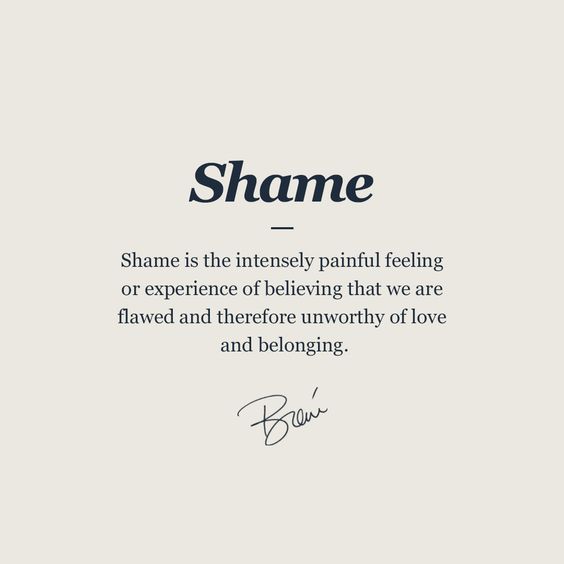
I don’t know about you, but I often find myself starting to let shame slip through the doors during times like this. It’s hard not to.
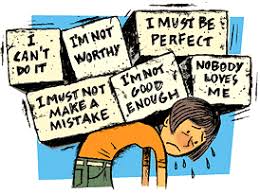
The inner critic takes center stage and starts declaring these statements that sound ludicrous, that are ludicrous, and yet somehow…they still affect me.
“Omg! You ate a mini can of Pringles today…all your progress is ruined.! You’re a failure. Save yourself the dissapointment of keeping up with a healthy diet or workout routine, because we both know you’re going to fail. Do you want to feel that worthless again? So stop while youre ahead.”
When I type it out, it sounds crazy; I know it does.
What’s even crazier is that when it’s not typed out–and instead, fired directly from my brain to my body, without enough time for reflection, I actually start to BELIEVE the unreasonable monologue.
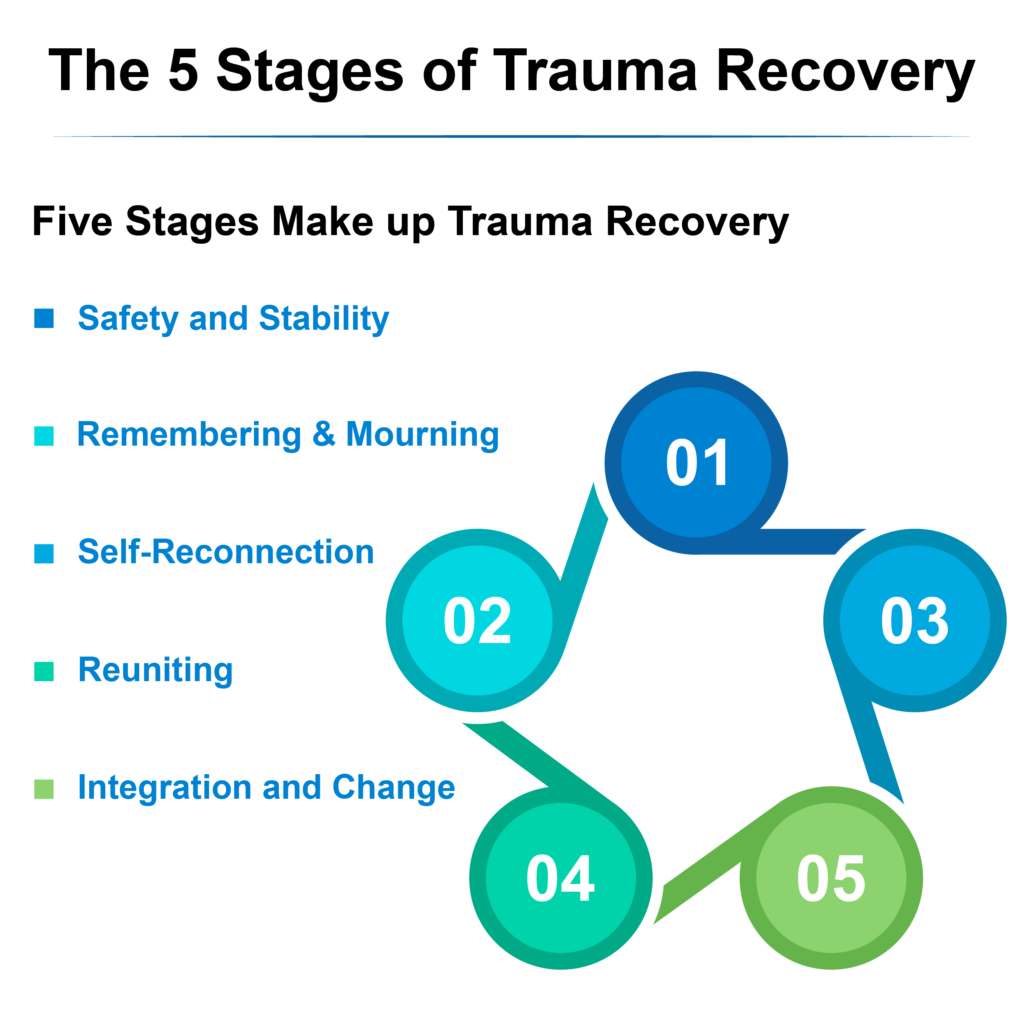
I know that a lot of people who have experienced trauma go through similar experiences. Trauma tends to fragment our thoughts, emotions and sensations in an attempt to protect us from overwhelming pain. The final part of trauma recovery involves the integration of these “compartments” and I can’t honestly say that I have completed full reintegration. Sure, there are times when I feel more integrated than others. however, at times like this…I feel at a loss
.
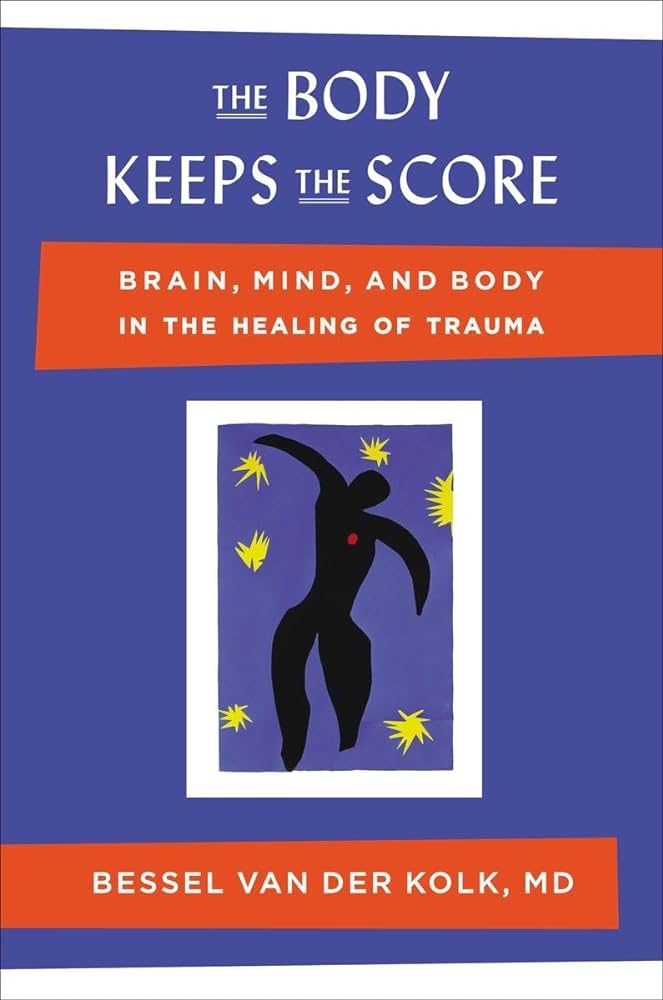
Many trauma researchers have theorized that painful emotions during a traumatic event usually get stored in the body as tension and pain. If not treated, these may lead to the onset of physical diseases.
Consequently, it makes perfect sense that the body could experience discomfort long before the mind can subconsciously pull out, and identify the focalized trigger or cascade of events that caused the unsettling sensations in the first place.
If you haven’t already, I highly recommend my friends undergoing trauma recovery to pick this book up. It is a life changer!
Sigh– since I’m at a loss, I’m going to throw it out to you guys!
What do you do if/when you feel this way?
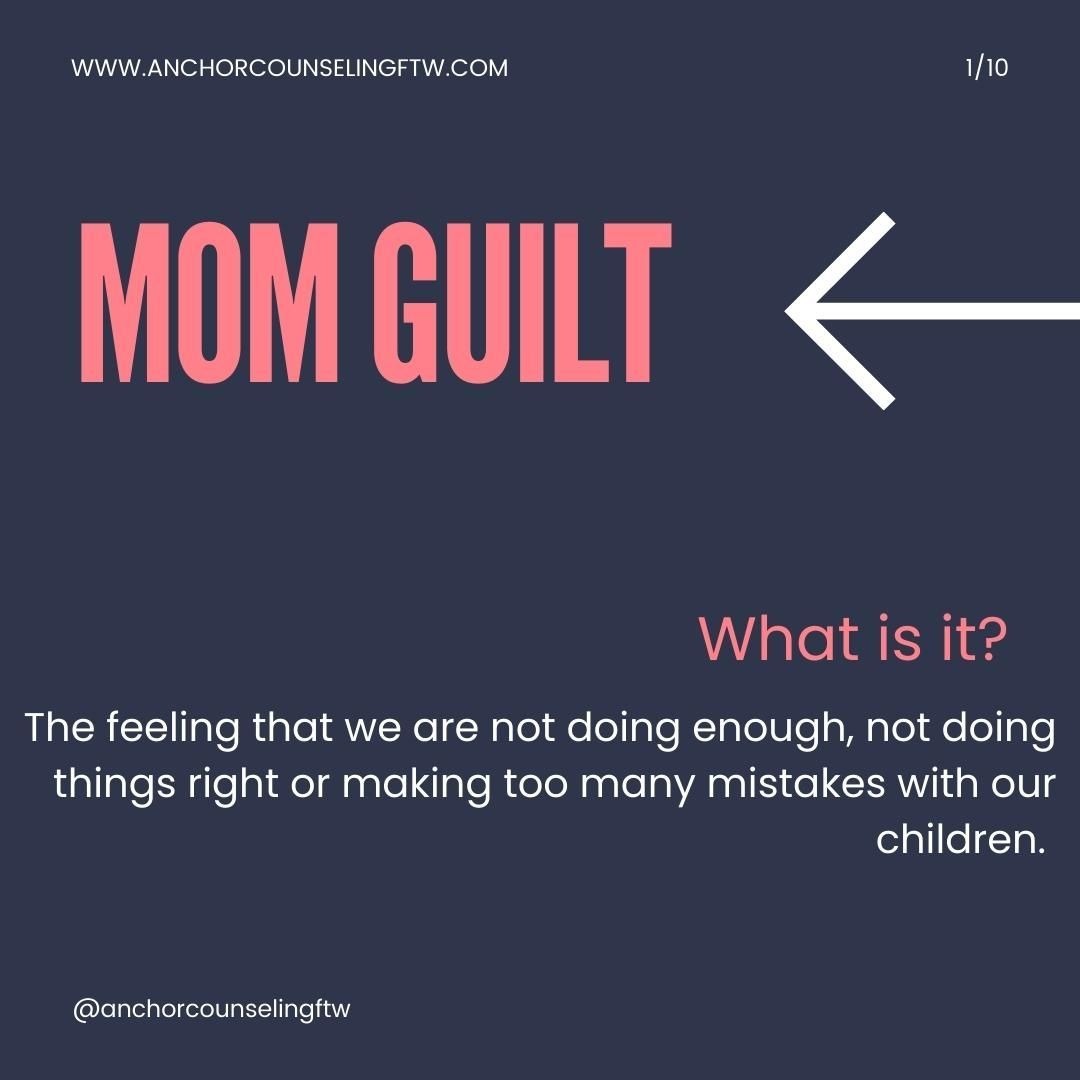
I am trying to practice self-compassion but I feel so much shame—especially in the motherhood arena.
I get Ayrah only during the holidays so I put this extra pressure on myself to ENJOY and spend every single moment with her. It’s unrealistic.
and when I’m unable to do so, I feel like I’m a horrible mother. i feel like a failure. I feel like I’m inflicting these massive, irreversible wounds of abandonment or trauma in my child. But I KNOW that children are resilient. I KNOW that you don’t have to be the perfect parent; you just have to be ENOUGH. But KNOWING those things is not enough to stop the distorted thoughts from morphing into deep shame.
“Look at you…”, my mind snarls, “you go teach other parents’ kids all day long–you give them your best, only to come home to your child completely depleted, drained, and grumpy. She gets to have ethe worst of you. Great job, Maham.”
“And oh yeah, let’s not forget that you don’t even get for the whole year. She’ll be gone by the end of the summer, probably thanking God that she doesn’t have to be around a wreck of a mother.”
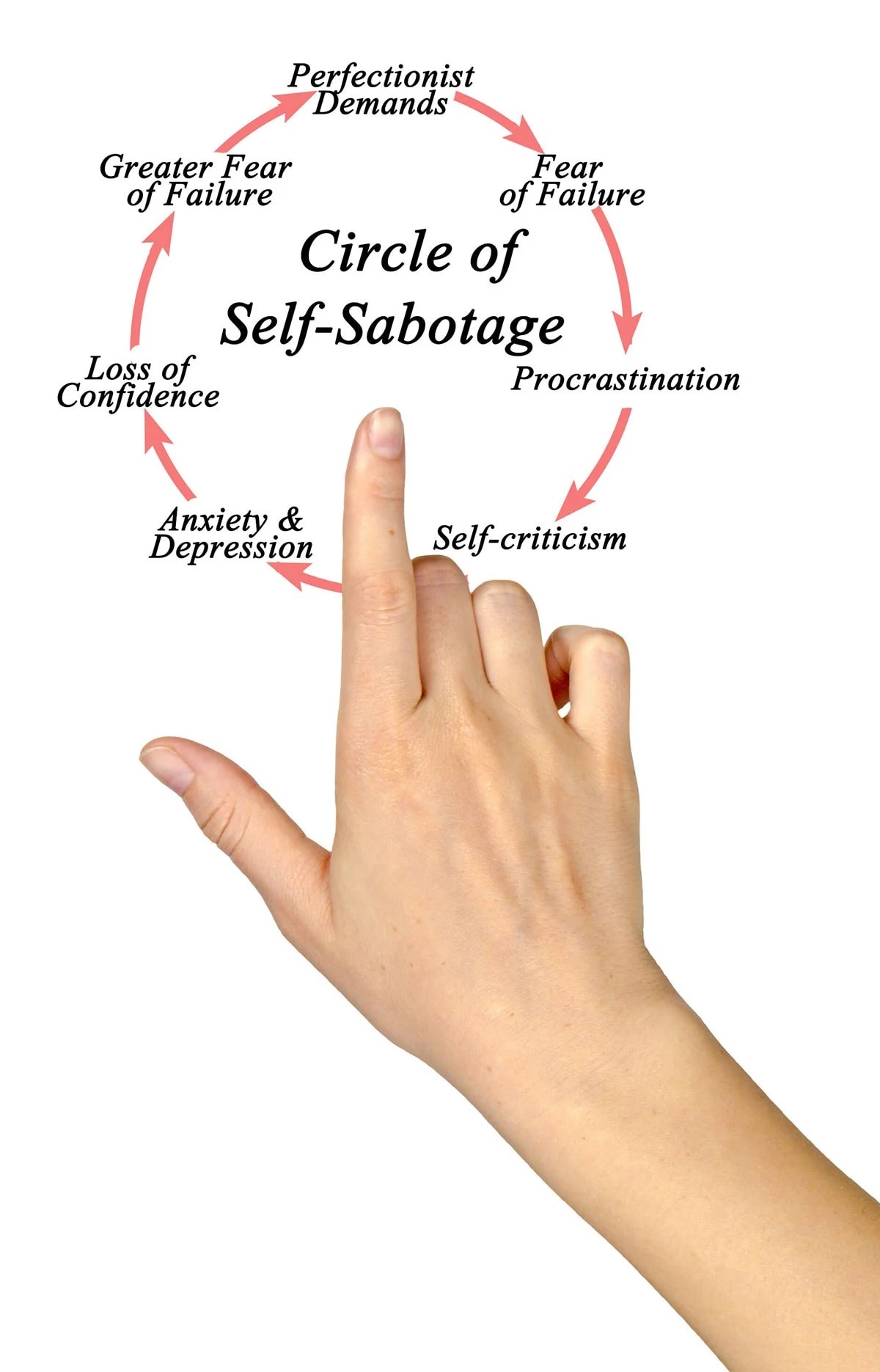
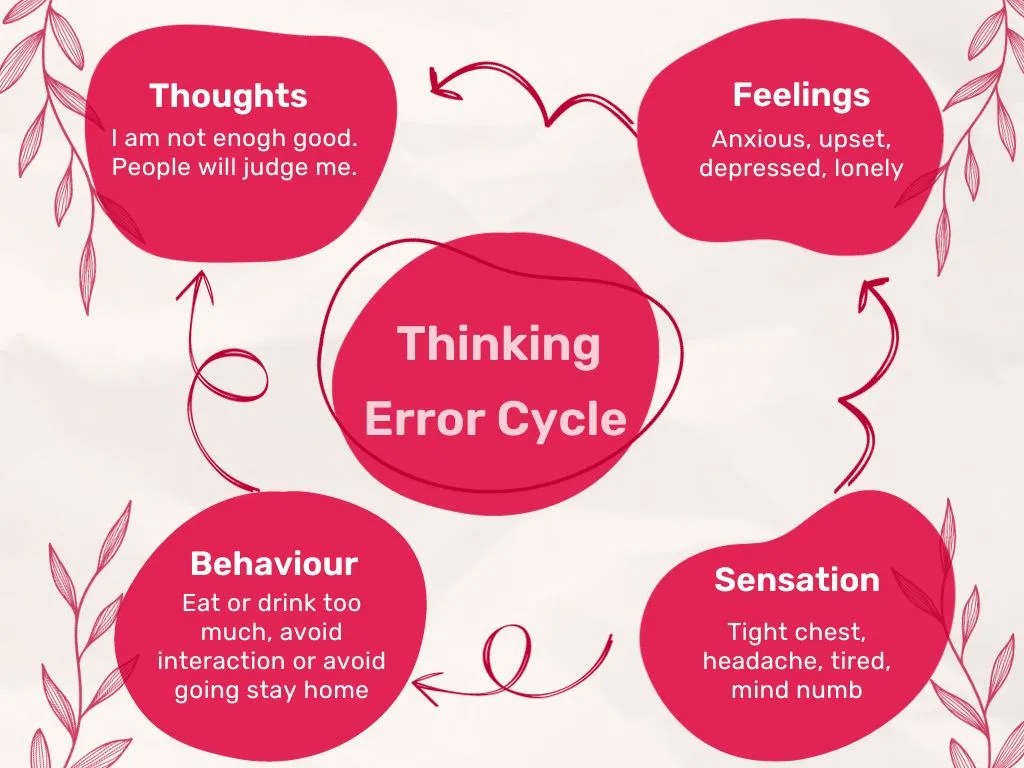
Thoughts like these create that dreaded negative feedback loop, where my belief of failing keeps me from being authentic and present with my child. When I’m not transparent with Ayrah, she can sense it and I know she can sense it. That just results in my confirming the “belief” that I’m a “failure”. And round and round we go…
till it bleeds into every and ANY interaction I have with my wonderful, magnificent daughter.
For now, I’m going to ride this wave out, let the emotions move through me, deliver their messages and move OUT of me. I want to keep you all updated as it helps me stay accountable.
In the meantime, I’d really appreciate any advice, ideas or suggestions about how you’ve managed to stay “relatively” sane through these ” emotional ruts”. And if you don’t have any, it would mean so much to me if you could practice enough vulnerability and share similar struggles that you may have had. Brene Brown, renowned author and sociologist, states that the most POWERFUL words we can communicate to one another during a time of pain or shame are “Me too”. I believe this is because it helps normalize the icky feelings we all may feel from time to time. For me, it lets me know that I’m not crazy or alone in feeling these ways at times. I hope its okay to KNOW what to do yet still not quite have mustered the motivation to actually implement it.
Would ❤️ to hear from you,
Till tomorrow—here is to hoping I don’t eat the entire Costco box of all the Pringles containers by the AM 😉
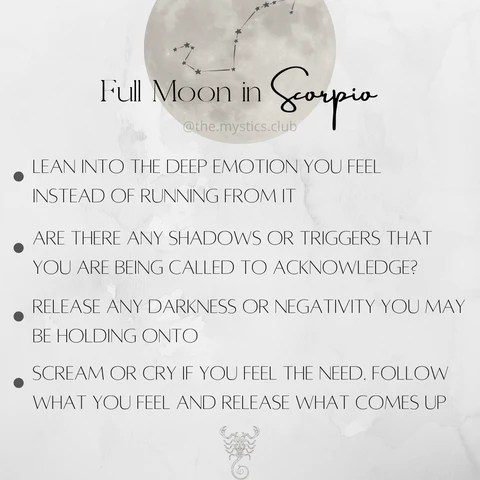
First and foremost, happy full moon in Scorpio! Yes it’s happening today!
April’s full moon rises on April 23 at 7:49 p.m. ET; it will stay true to its full shape for three days.
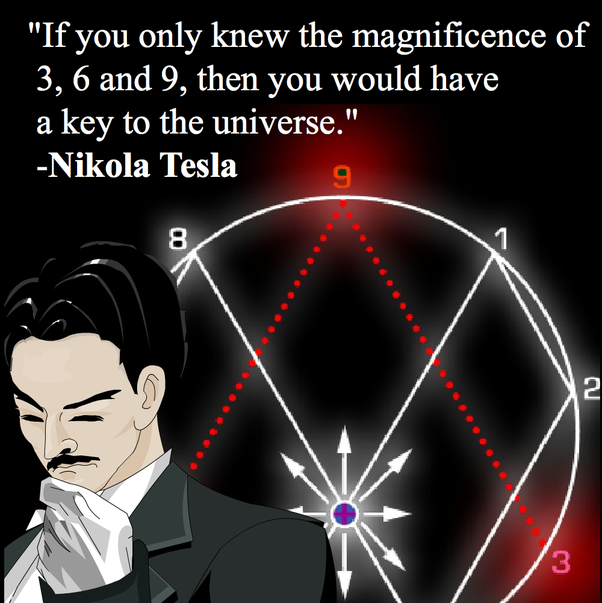
For those of you who are familiar with the significance of 3-6-9, take note of the fact that the full moon will reign the skies for three days.
Full moons have a tendency to illuminate the darker aspects of our selves that we usually tend to ignore. They are commonly associated with overwhelming feelings of upheaval, change and transformation. This full moon in Scorpio is no different; in fact, it is probably going to feel even MORE “heavy” for those of us who tend to be energetically sensitive; Scorpio full moons are especially known for their fervor and intensity.
Therefore, it is reasonable to expect heightened emotions during this time. My first suggestion is to please be gentle with yourself. It can feel disconcerting to lean into these amplified “darker” feelings; but, try not to be fearful of the shadows that emerge underneath this full moon. Offer yourself an overwhelming amount of compassion and grace as we all move through this astrological shift.
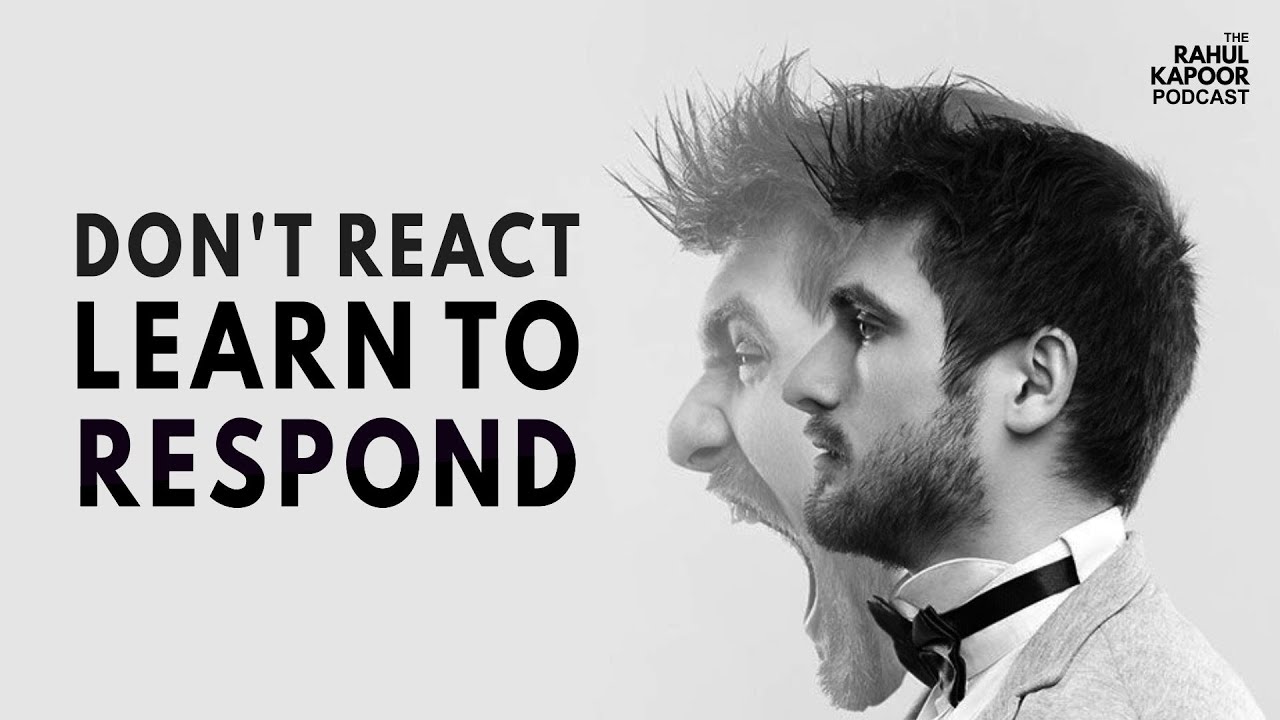
My second suggestion is to really allow yourself to FEEL the depth, height and width of your experience; immerse yourself wholly while challenging yourself not to REACT in spite of the discomfort. I’d like to remind us all that we are still amidst a Mercury retrograde in Aries that will wrap up on April 25th.
For those of you who aren’t familiar with the effects of Mercury retrogrades, I encourage you to do your own research in an attempt to tease out where your life may be affected. In general, retrogrades are associated with confusion, delays, and miscommunication. During these times, people are warned to NOT make any major life decisions or changes. Important decisions should be delayed till our deepest selves feel more astrologically aligned; that is because mercury retrogrades are linked to a jarring disruption in logic, rationality and effective interpersonal communication.
So what does this all mean for us?
It is wise to expect a proclivity towards impulsive outbursts, emotional upheavals and sudden changes of the mind and heart. If the combination of a mercury retrograde and full moon in Scorpio aren’t overwhelming enough, the fact that this full moon squares itself in Pluto makes it all the more engulfing. Pluto is the planetary ruler of Scorpio so the darker motifs associated with this scorpion moon are even more amplified.
Pluto aims to shatter existing constructs only to rebuild them in a way that is more conducive to our life path. The parts that feel really “bad” can be attributed to Pluto’s aggressive nature of intervention; shifts in Pluto are usually sudden, and piercing; They often leave us feeling like we are out of control.
Please remember though, this is all temporary; we are in the middle of a transition. In the moment, it may feel like things are “falling apart”, and that is okay. If we stay grounded, and practice patience, most of us will find that things are are actually coming together. The Universe is simply deconstructing unhelpful parts of our lives that are no longer serving us; in time, we will witness these constructs reassembled in a way that feels more congruent & aligned with our Highest Selves.
To reap the benefits of this transformative shift, we must refrain from reactivity; we must think (A LOT MORE than we usually do) before we act. Some would say inaction may be the best path for now. There is a time for potential growth and a time for kinetic growth. This full moon in Scorpio is definitely one that focuses more on increasing our potential energy. This feels like intense feelings brewing within–almost as if our psyches are in a pressure cooker. Oftentimes, panic and fear resurface–urging us to ACT, right then and there–just so we can reduce the discomfort in the “here and now”.
However, this is not the time to move or act. This is the time to let ourselves be moved by the Universe’s actions; it is about sitting back, and allowing the discordant sensations to move within us. It’s about tolerating stressful emotions without reacting impulsively.
Yes, the Universe is kind and loving, but ultimately our experience of its “goodness” is limited by how much space we create for it inside of ourselves. Oftentimes, we unknowingly keep parts of the Universe “out” because we WANT to portray ourselves in the best light; we do not want to uncover the darker, primal parts of our selves, and that is okay. It is completely natural for human beings to avoid painful realizations about themselves.
However, this does cause a “blindness” of sorts because “we” tend to recall memories & events in a way that makes us the “good guy”, freeing us of culpability. It is human nature to deflect blame on everyone else and anything else. It takes courage and time before we can acknowledge the “miniscule”, very “tiny” role we may have played in a destructive situation. The Universe, however, does not have a bias. It sees us for exactly what and who we are. It know all parts of us–even the ones we try to so desperately to repress. The cosmos never fails to rectify the skewed narratives we tell ourselves; It is not afraid to illuminate the parts of our stories that blind us to our own accountability.
At this full moon, lean into the darker aspects of yourself; become willing and open to see those parts of you that haunt you–the parts of yourself that you fear, despise or want to damage. Try and LOOK at the obsessive patterns that keep manifesting the same undesired outcomes in your life.
Avoid shame, and blame because both cripple us from objectively analyzing ourselves. This very introspection is what will ultimately help remove blocks to our growth. As Carl Rogers eloquently stated: “The curious paradox is that when I accept myself, just as I am, only, then I can change.”
Practice radical acceptance of all parts of yourself. Foster forgiveness for the parts that are not fully in alignment with your highest self. No matter the compulsion to do harm, practice non-maleficence. Let the darkness pass through, reminding yourself with each breath, that this is only temporary. All feelings are energetic “waves” that flow through us as if we are a medium. No emotion is there to take permanent residence.
So in the phase of this full moon, I dare you to endure the heavy emotional fog without trying to escape it.
Because you can.
You were genetically engineered to survive.
Let the Universe reveal to you where work needs to be done. Remain teachable. You don’t know it all. Instead of resisting it this time, I encourage you to join the Universe in this emotional journey. Walk with It–let it illuminate parts of you that have become estranged. What’s the worst that can happen? It’s just pain. You’ve experienced it a million times before.
Let’s allow this new moon in Scorpio to push us into the pilgrimage of processing, and purging our shadows so that we can contribute to creating a more loving, evolved world.
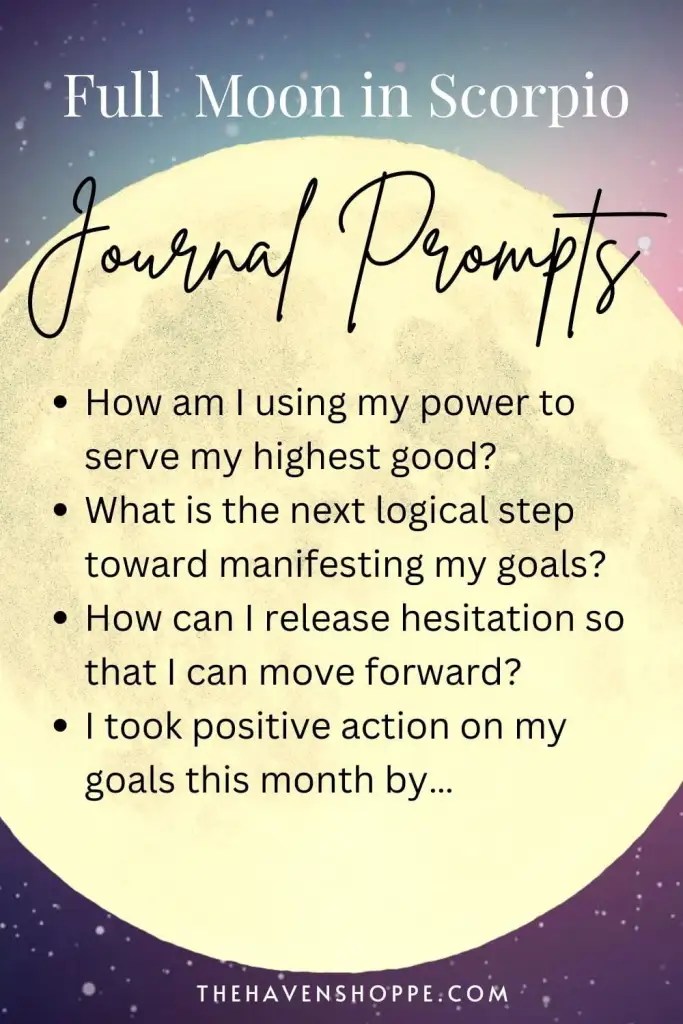
I encourage all of you to reflect on the following prompts!
If you have found yourself stumbling on my blog, the first thing I want you to know is that I have no idea what I’m doing. The second thing I want to share with you, in an attempt to tease out my own narrative from others, is MY story.
After almost 3 decades of dissociation, I am exhausted.
It’s not a matter of whether or not I want to be the “bubbly, outgoing” Mrs. Sunshine anymore.
Because trust me, I do
—that “facet” of me is far more…personable. It’s more cheerful & loveable.
The problem is that no matter how hard I try, I simply CANNOT maintain it any longer. I have lost my ability to dissociate.
I have been “too strong” for “too long”.
It’s ironic, though, because I’ve never felt weaker.
My “functionality” if measured by productivity and performance has plummeted severely, and yet–mental health professionals seem to agree that this is the “best” I’ve been doing in decades.
Why?
Because after decades, I have started to FEEL again.
“In my 40 years of practice,” an esteemed psychiatrist stated, “your case is one of the most compelling and confounding cases I’ve encountered.”
“With the intensity and frequency of traumas that you have experienced, I would expect you to be curled up in a mental health facility for life—probably, on the verge of psychosis.”
To them, “these darker components” of me are completely congruent with the horrific experiences I’ve gone through.
The problem, they declare IS the façade.
That ditzy, bubbly, “happy-go-lucky” persona does not accurately reflect the life I’ve lived; It does not reveal the struggles I face or do justice in celebrating the adversities I’ve overcome.
For so long, I viewed my ability to get everything “done” in a tormenting environment as my greatest strength. Being able to “detach myself from my feelings” has been the key to all my successes.
Or so I thought.
When we cut ourselves off from our “feelings”, we aren’t just blocking out the negative emotions; We, inadvertently, also lock our hearts from experiencing joy, intimacy, love, and connection.
It isn’t normal to get beaten brutally at 5 am, letting myself cry for about 5 minutes, and then forcing myself to shut down and “get my sh*t together”.
I remember walking to the library in the early hours of the morning, completely numb–absolutely oblivious to what had just happened. I studied for a few hours—only to arrive at my 8 am organic chemistry class to ace exam after exam.
It’s as nothing even happened. I didn’t feel pain. I didn’t feel sad. I didn’t feel at all.
I remember noticing the odd glances, the hushed whispers, and the puzzled expressions of my classmates, as I pranced into the auditorium covered in bruises.
At the time, I thought there was something wrong with everyone else. Why were they staring at me?
The day of my final exam was no different. I walked in at 8 am; I recall my professor pulling me aside; I remember studying him curiously as he tried not to glare at the blue-black bruises that were now forming around my eye sockets.
He empathically offered to arrange for me to take the exam another day, however, just like every other time, I resisted his offer. Instead, I marched vehemently to my seat to ace the exam.
& I did. I graduated with summa cum laude; what i didn’t realize was that the cost of those “perfect 4.0’s” would eventually catch up to me.
You see…my professor had seen me throughout the year, pulling off these dissociative stunts nearly every week.
& as the semester continued, his growing suspicions became more and more plausible. It is saddening now as I think about it–
— because I know that he “knew” what was going on. His hands were tied because I denied everything.
Every week, it was a new excuse, “oh I ran into a blunt tree branch because I wasn’t looking”, “I accidentally fell and hit my cheekbones against the console”, “Besides, I have anemia and tend to bruise really easily..”
“It’s really nothing” I said over and over again–until I accidentally started believing it.
In retrospect, I think ANYONE with half a brain probably “knew” what was going on at the time.
The problem was that I had shunned that “half of MY brain” deep into ignorant oblivion.
Recently…I’ve realized I’m doing something similar again.
I’ve been utilizing my social media platforms as a way to convince MYSELF that I’m “okay”.
Maybe if I just manufacture a life that FEELS good on Instagram, I might feel “okay”….
However, the truth is… I am not okay.
I don’t think I’ve ever experienced what “okay” actually feels like…
I haven’t been even close to being “okay” for the last 7 months.
I haven’t driven my car in 7 months because I’m terrified.
I haven’t gone to a single modeling shoot in 7 months.
I haven’t applied to a single casting call in 7 months.
I’ve barely left the house for 7 months.
I haven’t hung out with anyone I consider a friend for 7 months.
I’ve finally crashed.
What I HAVE done in the last 7 months is hide behind my phone –
I’ve wasted countless hours laboring over Instagram algorithms, hashtags, and engagement strategies in an attempt to gain external validation from all of you because I loathe myself.
I dove headfirst into trying to portray a life that “looked good” on the surface because, in my heart of hearts, I felt so hopeless, sad, and repulsed by myself.
— but what I’ve noticed is…
…the more adamant I become about my attempts to “fake it”, the more drained, lost, and depleted I feel at the end of the day.
And the vicious cycle of distracting myself from the self-hatred goes on and on.
The truth is…
that through social media, I was being inauthentic with myself…with God…and with all of you.
& it’s ironic because in my heart of hearts, I truly believe that connection and community are byproducts of authenticity and vulnerability—two things I am fatally afraid of actually practicing.
Despite how much I crave connection and belonging, I haven’t allowed myself to be vulnerable or authentic—in a very long time.
In my adolescent days, when I did practice vulnerability–when I did truly let someone in— I nearly lost my life to their abuse.
However, advanced medicine and meticulously trained doctors helped revive & restore my physical body to health.
But who do you go to help you revive your soul? How do you restore someone’s sense of safety in the world after it’s been taken away?
The truth is…I had stopped “living” long before my heart ever gave out.
I don’t know where to begin my story.
I haven’t come up with a strategy to tell it. There is no rhyme or reason.
& for the first time, there are no angles.
I don’t even know if sharing the ENTIRETY of all the horrific details surrounding these incidents is even helpful to me or you.
I don’t want to trigger you or re-traumatize me.
& these blog posts take a lot out of me.
Honestly, I don’t know much at all right now.
What I DO know is—I have to start somewhere.
I have to start— because I want to live.
I want to connect.
I want to move and be moved by people.
I want to feel like I’m worthy enough to take space in this world.
I want to feel like I’m worthy of being Ayrah’s mother.
I know that I eventually want to use my experiences to help elucidate the hope, resilience, and relentless will to survive that lies dormant within each of us.
How curious it is that the words of a stranger online—some that I’ve never even met—help to feel more understood than some of my closest confidantes.
I posted, authentically, for the first time on Instagram a few days ago—
& the responses I received from you all—your messages glowing with genuine care—
I cant disregard or downplay how much they meant to me.
They bring me to tears even now.
How is it that mere acquaintances and even strangers can communicate such a piercingly deep empathy for another?
And what’s more confounding is that they can do it over an impersonal digital platform.
What a puzzling and powerful world we live in…
So…for those of you who are willing to walk alongside me in this journey…
Please know that it is going to be the furthest thing from perfect; In fact, it’s probably going to be a very messy ride.
I wanted to thank YOU
For caring. For existing. For reaching out.
–for helping me get to a point where I am willing to myself be seen.
If there is one thing I want to make abundantly clear through my blog, it’s this—
The EFFECT that even ONE person, like you, can have on another’s life is immeasurable.
Your responses led me to question the unchallenged abusive & demeaning narratives I’ve been repeating to myself for years.
Because…
WHAT IF those people were wrong?
What if I do share myself openly with you—with the world—and I discover that I AM actually worthy of love and belonging?
What if I hush the voices that tell me that I will be rejected, ostracized, and ridiculed again just long enough to be seen for who I am?
Even though, this may be the scariest endeavor of my life—
What if, to my surprise, I find that the world loves me back just as deeply as I love it?
What if all the “sunshine” I’ve tried to sprinkle in the lives of so many is finally returned to me?
What if I’m not a waste of space? Or a burden to this earth?
What if I’m not “damaged goods” that no one will want after being raped?
And the biggest “What if?”
What if there ISN’T anything inherently wrong with me?
Or even better—
What if there is SO much wrong with me…
— & yet still, I am met with acceptance & love despite my numerous imperfections.
They say it is better to have “loved and lost” than to never have loved at all.
I disagree.
I lost myself in you.
I almost lost myself TO you, literally.
You killed me once.
The problem, you see, is that I followed faithfully in your footsteps.
I chose to stay.
I chose to retell, repeat, and relive the tormenting narrative you created for me.
I chose to kill myself, slowly—arduously—painfully—every single day—for decades.
Until now.
For as long as I can remember–my life, both figuratively and literally, has been in your hands.
As I sit here, sifting through the decades of dejection, I can wholeheartedly tell you that no person is worth sacrificing your sanity.
Day one or “one day…”?
Its finally day one.
Today is the day I finally let go.
I am shakily, and finally choosing differently.
& do you know the most pathetic part?
I am so scared.
Believing the delusion that your violence might have been “love” is far easier than accepting the fact that the “love” I romanticized was never there at all.
I am so deathly afraid to let you go—
—even though you have been the most toxic, unhelpful relationship in my life…
I feel fear.
& it’s not because of the alternating black eyes, hushed bruises, or broken bones…
Those heal.
I’ve watched too many of them fade from my body like mirages on a hot day.
I trace my fingers over the ever-so-familiar, black-blue spots I’ve, now, come to find disturbing comfort in.
But they’re gone—
All that remains is the eerie echoes of your query whispers.
“If you looked like (her) _____, or carried yourself like (her)_______, then I wouldn’t be beating you…” you echo menacingly through time, “the reason I’m doing this is because there is something INHERENTLY wrong with you. You deserve this.”
Your words ring in my brain– taunting me, haunting me— till the singular motivation becomes about escape—
I must outrun the crippling hatred erupting relentlessly within me.
And over decades of deterioration…I have tried to “escape”.
But I have no room to talk. You were right–
I couldn’t even succeed at the one thing you’ve told me I should have always done.
The truth is, as you say, I am a coward.
I am spineless, identity-less, and lower than the scum on the bottom of the pond..
I couldn’t do it successfully. I came very close.
But “almost” doesn’t cut it.
Who expected a service dog to lounging silently on a neighbor’s porch on a freezing December night?
2020—
I ran 5 miles at my fastest pace–
My avid runners–ya’ll would be so proud of my splits!!!
I even beat my PR (personal [best] record)
& after approaching fatigue…I looked around to double check that no one was within sight.
& in the deafening silence of the night…
I carefully wrapped the ankle weights I use for strength training around my weary legs…
And I….jumped…into the deepest pond I had scouted out a few weeks before.
The clock had struck midnight—it was finally my birth “day”…December 4th.
The paralyzing pressure of the water, the languish in my legs, and the curling coldness enveloped me as I was unable to swim to the surface.
And the last thought I remember thinking, as I sank slowly to the bottom
—was tragically about you.
I thought about your cruel words.
“If you want to do the world a favor, Maham…”, you snarled in my slowing brain “just go ahead and do what is needed to be done”
And…. I couldn’t do it.
But I tried.
That damn service dog had alerted his owner with his incessant barking–causing a complete stranger to walk out–and see what was happening. 911.
“Just do it! kill yourself.” I heard under the murky, dark water.
My arms, naturally, fought to try to get to the surface.
But I couldn’t.
It was getting harder and harder to breathe.
I could feel my my lungs give out.
…and I fought—when it came down to it–I FOUGHT to try to get back up to the surface….
Until I heard the final echo of your voice that night….
“Everything you touch turns to misery anyway.”
I heard those last demeaning words…and I stopped fighting.
In that moment, I made the decision to let go.
I let flailing arms fall to my side and closed my eyes as I sunk towards the bottom.
& that was my last thought before losing consciousness.
The next thing I remember is waking up on the grass, on a stretcher, surrounded by EMTs pressing on me—and there it was—OUCH!!!!
All of a sudden, I was yanked back into reality—
–I was choking on the water that was, then, fervently flooding out of my mouth and nose at an unbearable pressure.
I have a momentary snapshot of me wrapped in a bright silver insulating blanket.
& I lost consciousness again…
I was struggling with hypothermia…[as I would come to find out later’
And finally…
I awoke in the ER..
I looked around, absolutely bewildered and puzzled.
& before I could fully become aware of what had happened, a deeper realization struck a chord so deep in my heart.
‘I am a failure’–I thought to myself. And I was. And I may still be. I was a failure in every sense of the word—.
I couldn’t even kill myself “right”.
But neither could YOU.
“I wish he had taken away your life when he ‘allegedly’ took your virginity,” I hear you screaming in my mind.
If anything, you have made it painfully clear that your life (and the lives of many others) would be a lot “bit brighter” without my presence.
“If you weren’t such a whore…then maybe you wouldn’t have gotten raped,”…
–at 14 years old—-with a knife–
Yes. The knife was utilized to “pop” my cherry.
To you, however, that’s irrelevant. It’s impertinent.
It is always my fault.
It has to be.
If I want to keep you in my life, I must always “dim” my light so you can shine brighter.
and so it begins…yet again…
An assortment of your agonizing remarks cycle through my head—at a merciless speed—
—over and over again—
My brain gets stuck on repeat like a broken record playing the same few tunes repetitively.
The tunes of my record are the stuff of nightmares.
The torment of your insidious insults continues till I want to rip my own head out of my body.
HELP!!!!!!
No human can stay immune to the missiles of such fiery self-hatred forever…
So what does one do when that unrelenting, merciless abuse starts to come from their own brain?
& just like that–
—I find myself thrust into the 9th circle of hell from Dante’s Inferno.
& so…I do what I’ve always done…
I dissociate.
I leave my body.
and for a few fleeting moments, everything…feels… a little bit ‘lighter’—a little bit further.
As your ridiculing remarks become more muffled and harder to decipher,
the ominous panic boiling inside of me steadily slows to a soft, sufferable simmer.
and there “I” am…soaring…above it “all”.
There I am– simply watching a homosapien named “Maham” go through some not-so-cute stuff.
I watch my body curiously as it floats above me—
and “I” become lifeless.
& just like that—
All the pieces of my fragile psyche shatter into sharp, serrated fragments once again–
A twin sister of mind-reading, who happens to be just as convincing in the least helpful ways is….
drum-roll!!!!!!
Albert Einstein, one of my favorite scientists said: “we cannot solve problems from the same thinking patterns we used in creating them.” This means, we cannot use the same patterns of thinking that manifested the problem to try and construct solutions that will actually work.
That is why it is so essential to become aware of these common cognitive distortions. Once we can develop a meta-cognition, of sorts, to observe the faulty patterns of cognition our minds may have developed over time, we can begin to solve deep-seated issues within our psyche.
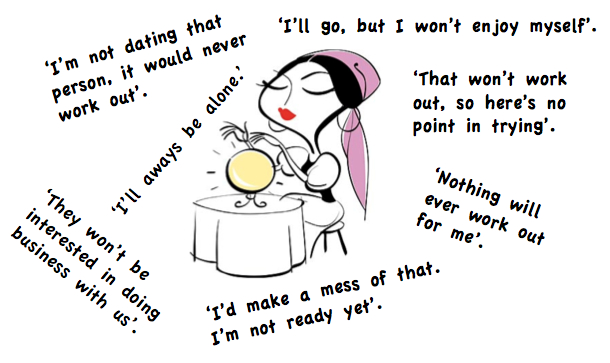
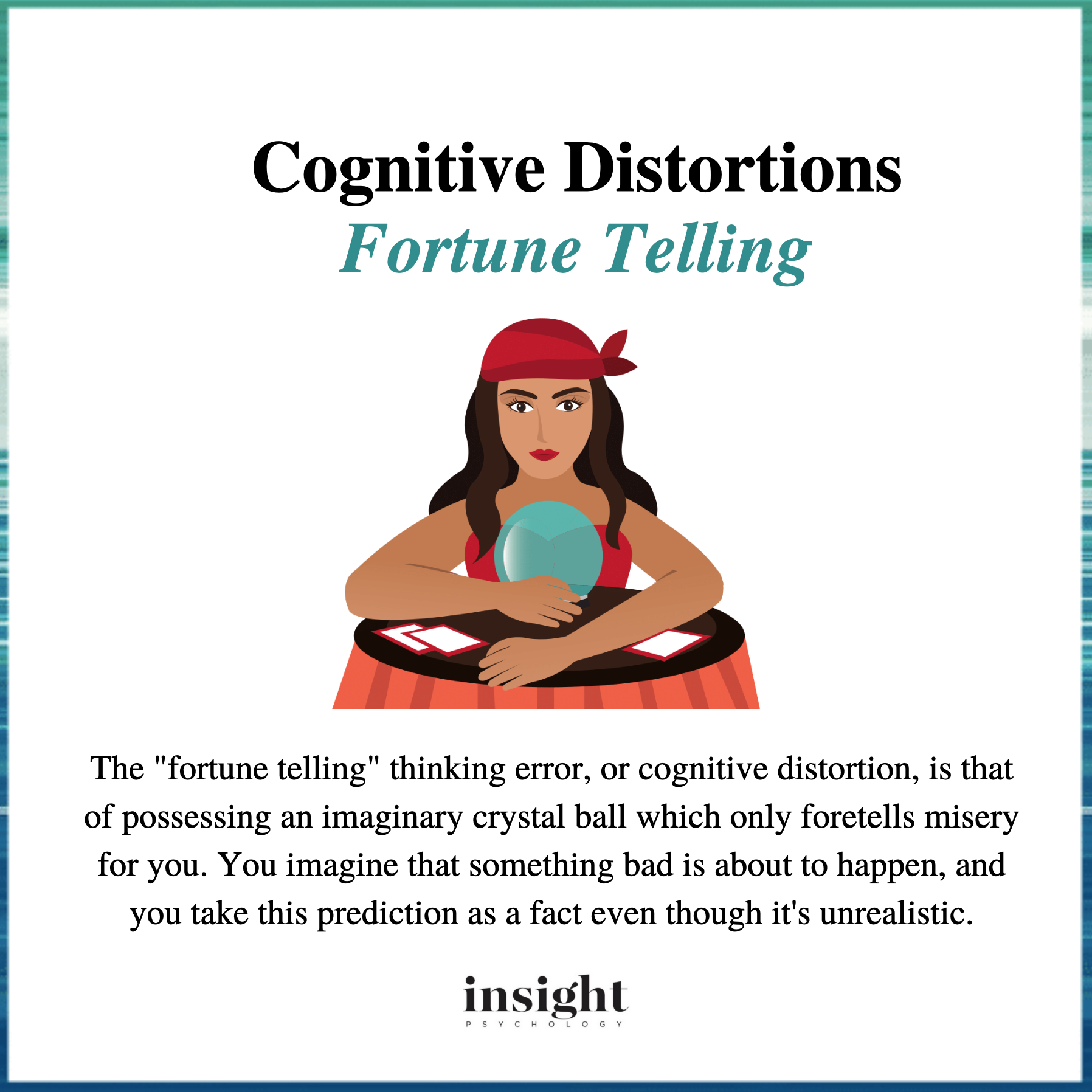
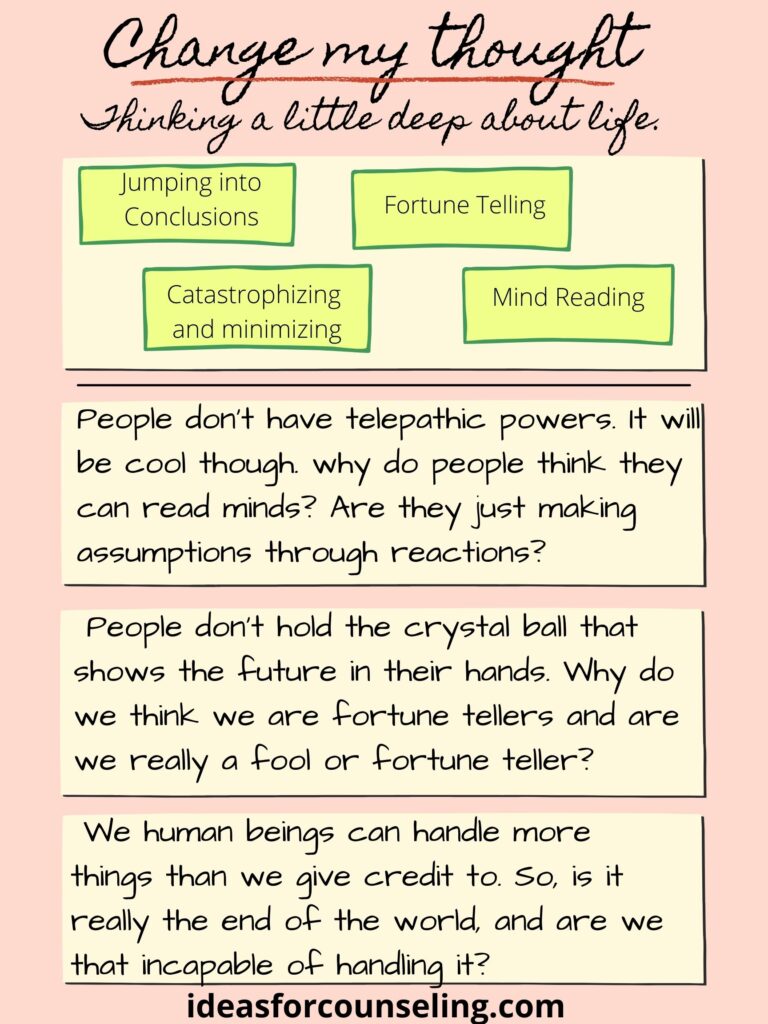
Fortune telling, much like mind-reading, is a branch in the family of cognitive distortions associated with jumping to conclusions. Fortune telling is a cognitive distortion that predisposes us to favor and predict a negative outcome without realistically considering the actual odds of that outcome.
This type of predilection towards worst-case scenarios is usually linked to anxiety and depression. Most often, those of us struggling through an active anxious or depressive episode display skewed thinking about the world and ourselves.
In fact, when I was practicing counseling in New Orleans, fortune telling was actually one of the most common cognitive distortions that came up for my clients. They seemed to have this eerie unbased “knowledge” that things would just end in a very catastrophic way without any real logical evidence to believe so.
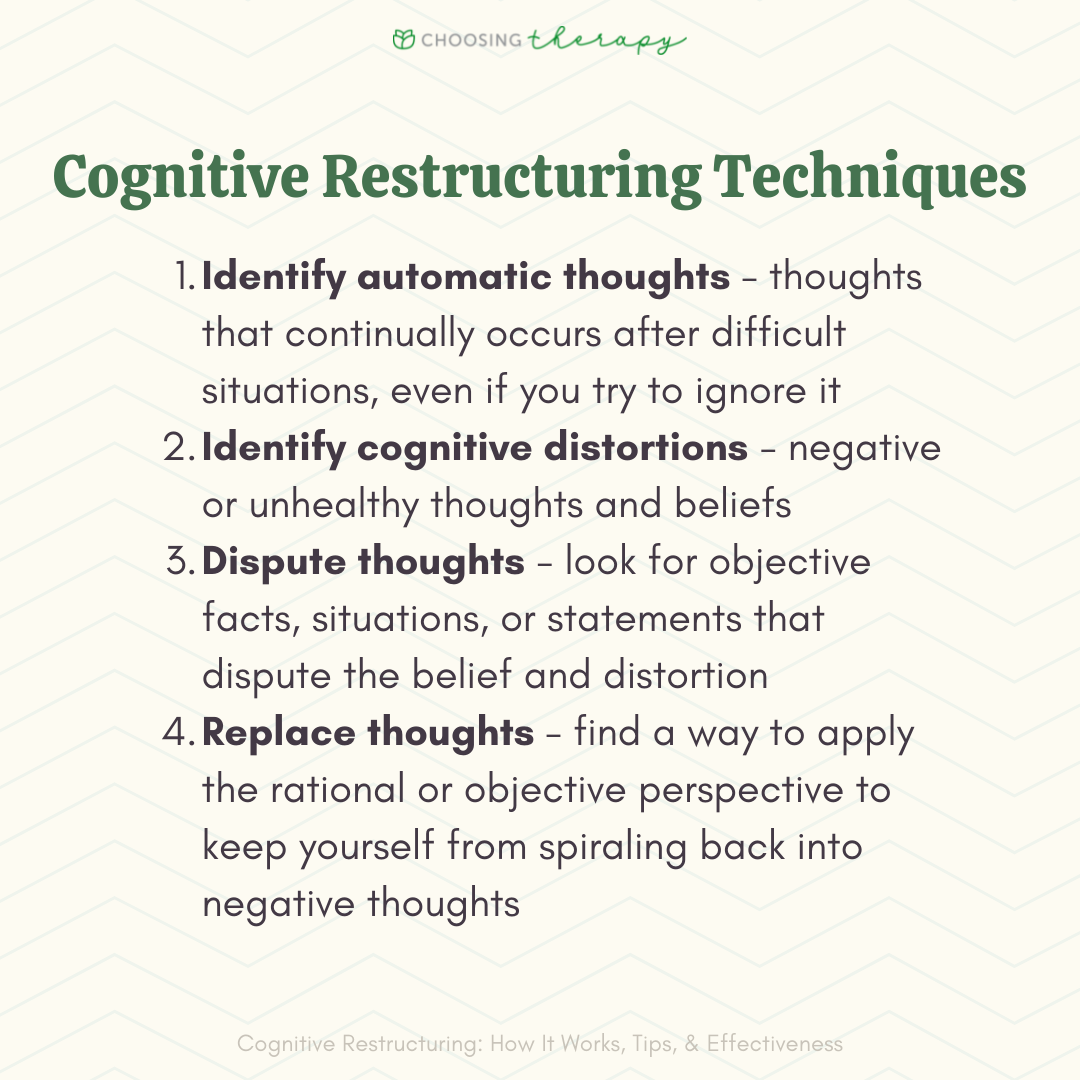
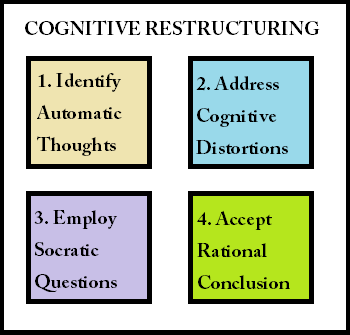
The process of taking some of these rehearsed faulty patterns of thinking and retraining the brain to replace them with helpful, more realistic and healthy patterns is called cognitive restructuring.
In psychology, especially among therapists that employ the CBT modality, cognitive restructuring is a technique used heavily to help individuals become aware of the age-old narratives they come in telling themselves. After appropriate reflection, clients are then challenged to analyze whether or not they would like to change their self-talk and automatic narratives. If clients decide that the benefits of change outweigh the price of staying the same, the therapist works directly with the client and helps reframe unhealthy automatic core beliefs to more helpful, healthy and productive ones. That is the goal of cognitive restructuring.
Our deepest beliefs, or cognitive schemas, are essentially the byproduct of a well-rehearsed story that we have knitted together through our own lifespan. Some of the meanings that we assign to our experiences are conscious, however, the process of forming our patterns of thinking are largely done by subconscious sources.
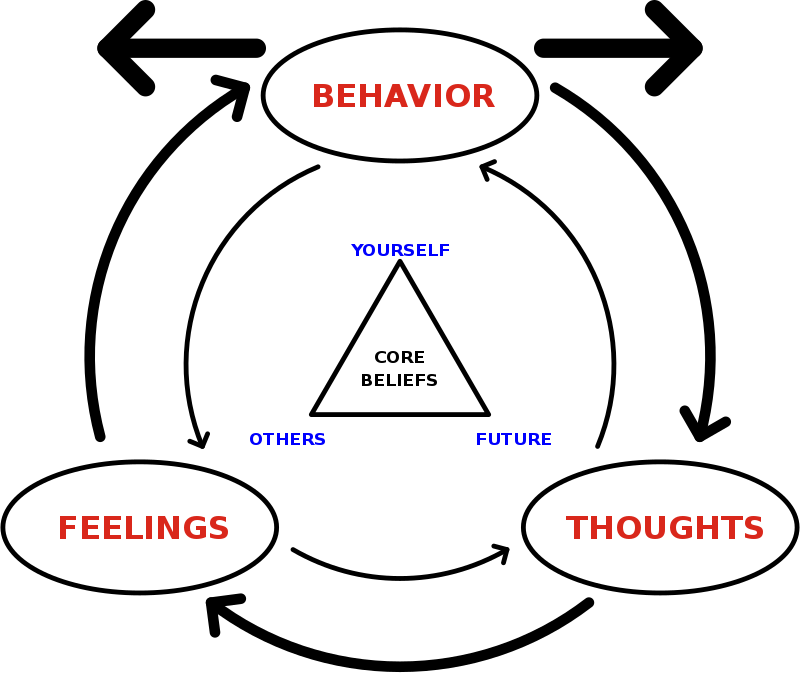
We see our beliefs reflected in our thoughts, feelings and actions. Our behaviors are the closest indicators of our true internal thermostat and core beliefs. The simplified medical way of looking at cognitive distortions is that once patterns are repeated, the brain simply learns an efficient, easier pathway of firing to arrive at a faster “action state”.
Here comes out the nerdy part of me! Something you may or may not know about me is that I pursued a double bachelors in Biological Sciences and Organic Chemistry in college. I graduated valedictorian of the college of sciences from College of Charleston with a summa cum laude. Studying the human body so closely sparked an interest within me to try to understand the mechanisms of the neuroplastic mind. That is precisely why I pursued my masters degree in Psychology and Counseling with a specialization in clinical mental health.
Anyway….
I want to quickly, and simply (hopefully) explain how our brains learn. The reason for this is because once we all are familiarized with the basics behind memory recollection, and how our brain creates meaning, we can begin to work WITH its natural wiring to develop more helpful patterns of thinking.
I view human beings as holistic creatures, and in no way would I ever advocate working against certain parts of ourselves. We are a unique collection of experiences, thoughts, behaviors, actions, cultures, and feelings. The more we understand each one of those compartments, the faster we can work with all facets of ourselves to improve overall life quality.
At every moment, our brain orchestrates a complex symphony of perfectly coordinated, and intentional signals across billions of neurons. These neurons, then, transmit the signals through trillions of synapses, lighting up pathways of the brain that are associated with a similar event (firing of dendrites). Becoming familiar with this complex neural circuitry enables us to start to understand the processes that work together to enable all aspects of brain function.
When we are learning something, neurons in different parts of the brain communicate with each other. If two neurons interact frequently enough, they form a connection that allows them to transmit messages more easily, efficiently and “accurately” (or so it thinks).
The more often certain neurons communicate with one another, the more fortified their connection gets. As a result, it becomes easier & easier for our automatic thoughts to follow in line with that same familiar thinking pattern. Use it and improve it!
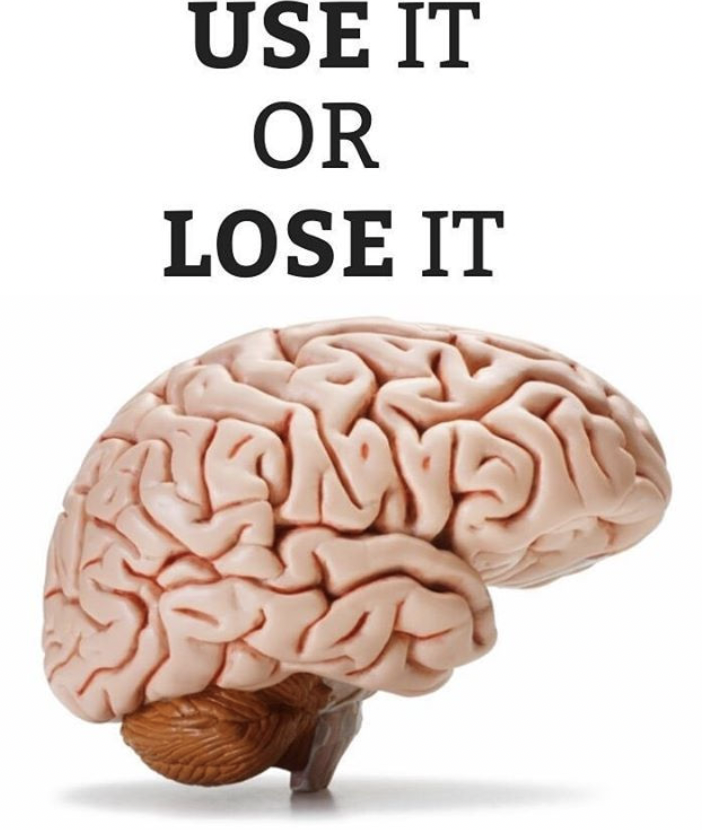
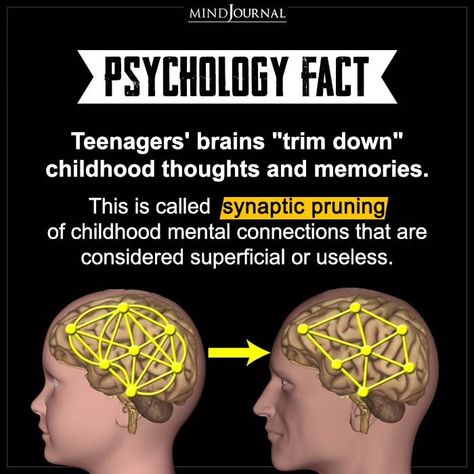
Similarly, the principle “use it or lose it” also holds true. Because there is such an infinitely overwhelming number of different pathways our brain cells can fire, most human beings tend to undergo a process of synaptic pruning. Essentially, “synaptic pruning” is just a fancy scientific way of saying “use it or lose it”
As we grow older, neural circuits that are not being actively engaged in performing tasks begin to degrade. Quite literally, this means if we do not use an area of our brain for a prolonged time, we will lose the function that was previously stored there.
The hope of so many psychological modalities lies in the neuroplasticity of the brain. Our saving grace lies in the fact that we can, with time and consistency, retrain our brains to think (and eventually, believe) differently. We have the power to wholly replace negative thought patterns with positive ones–literally, changing the very wiring of our brains.
That is some pretty powerful stuff.
If we have learned it, we can unlearn it.
Furthermore, we can also learn something else–something entirely new—something more conducive to our well being.
This is where cognitive restructuring can literally change our lives (if we let it).
Much like everything else, it takes a lot of practice and it takes times. Therefore, it is important to be gentle with ourselves throughout the process of rewiring our thinking. We didn’t just “think” ourselves into who we are overnight. By that same token, we cannot “outthink” ourselves into somebody new overnight either.
Tip #1- Challenge your thoughts by asking very basic, simple questions.
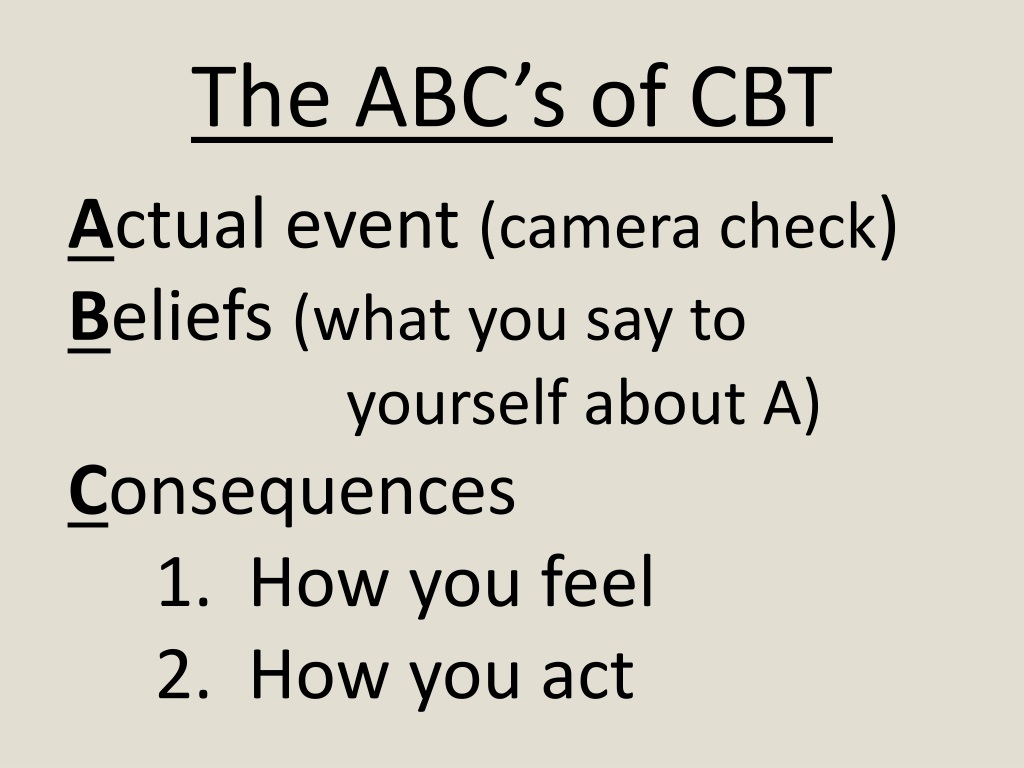
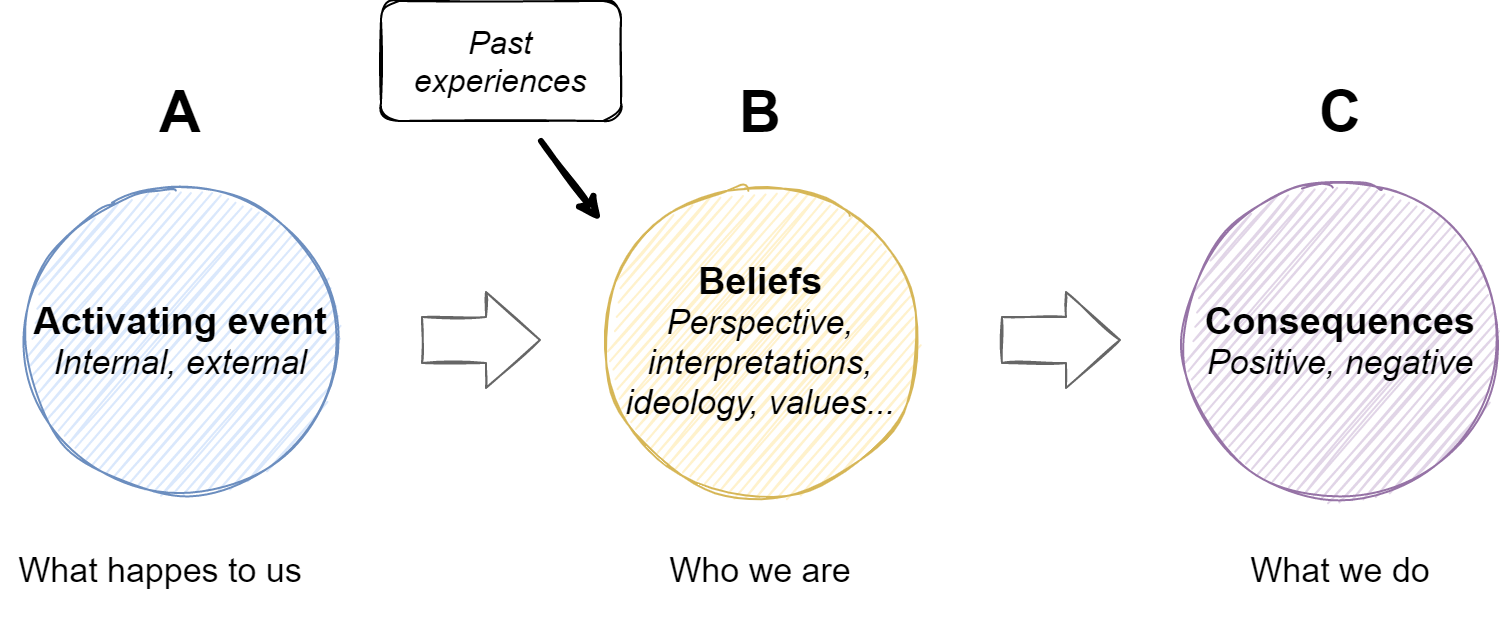
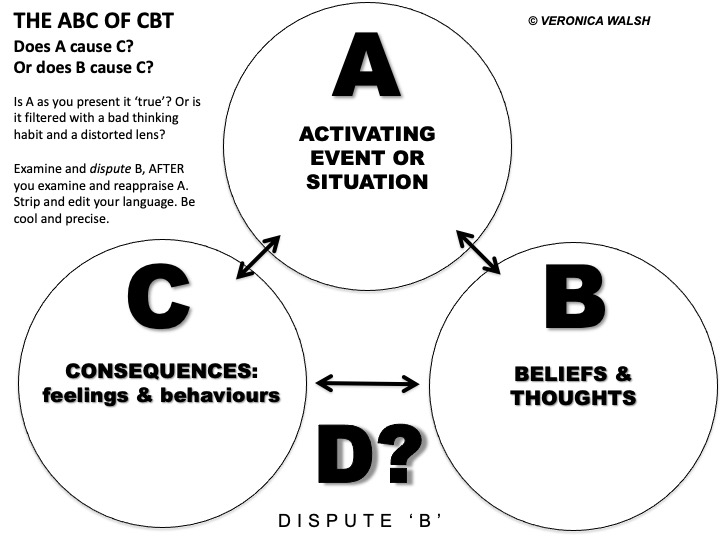
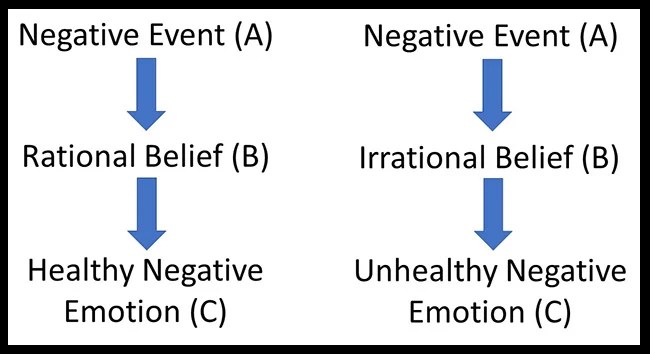
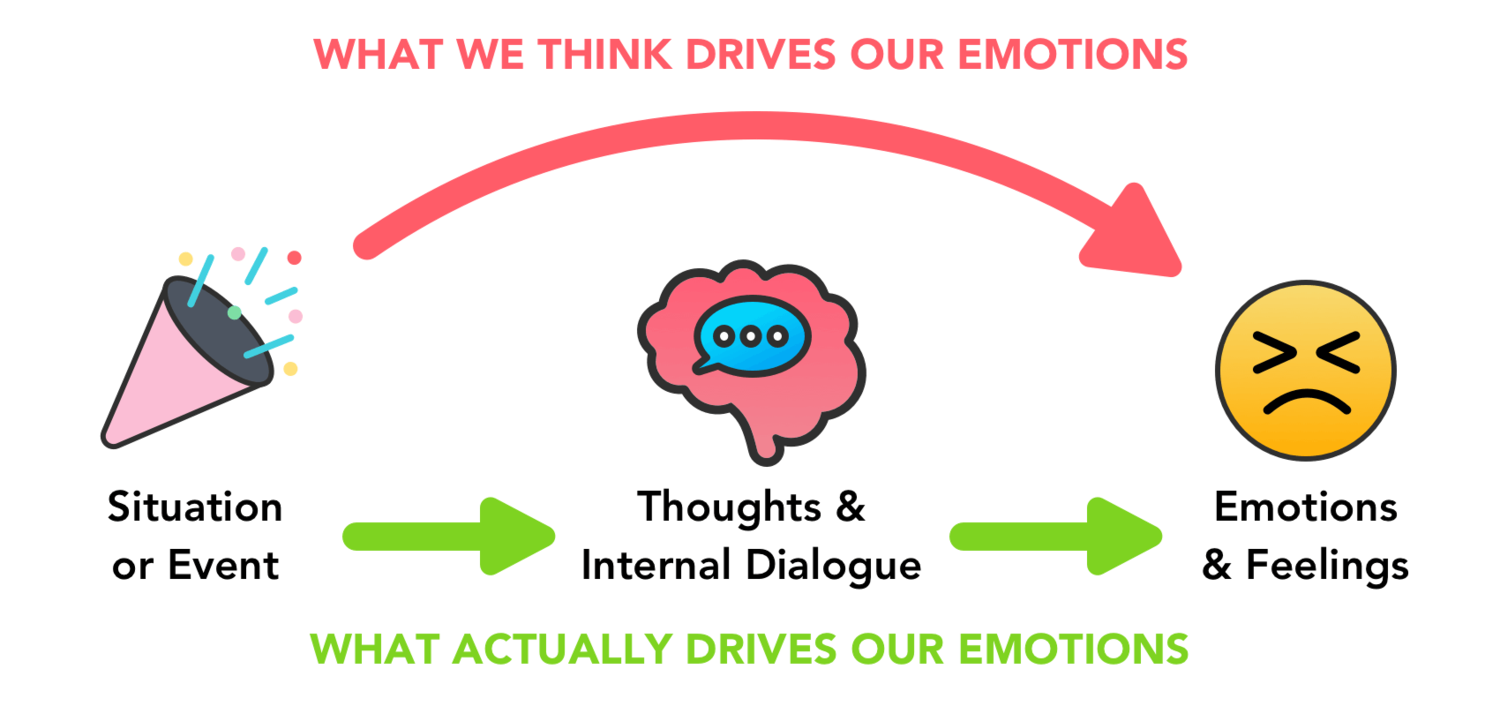
Tip #2- Use the ABC model to help slow down and track thoughts so that we can begin to change them.
What is an “ABC” Model?
The goal of conducting the ABC analysis is to truly get to our core beliefs that trigger our thoughts and feelings. Once we target what our core beliefs are, we can analyze them and figure out if they are based in reality and if they are helpful to us or not.
ABC models are most helpful when done on paper. There is something about writing things down that allows our brain to slow down processing and truly pause.
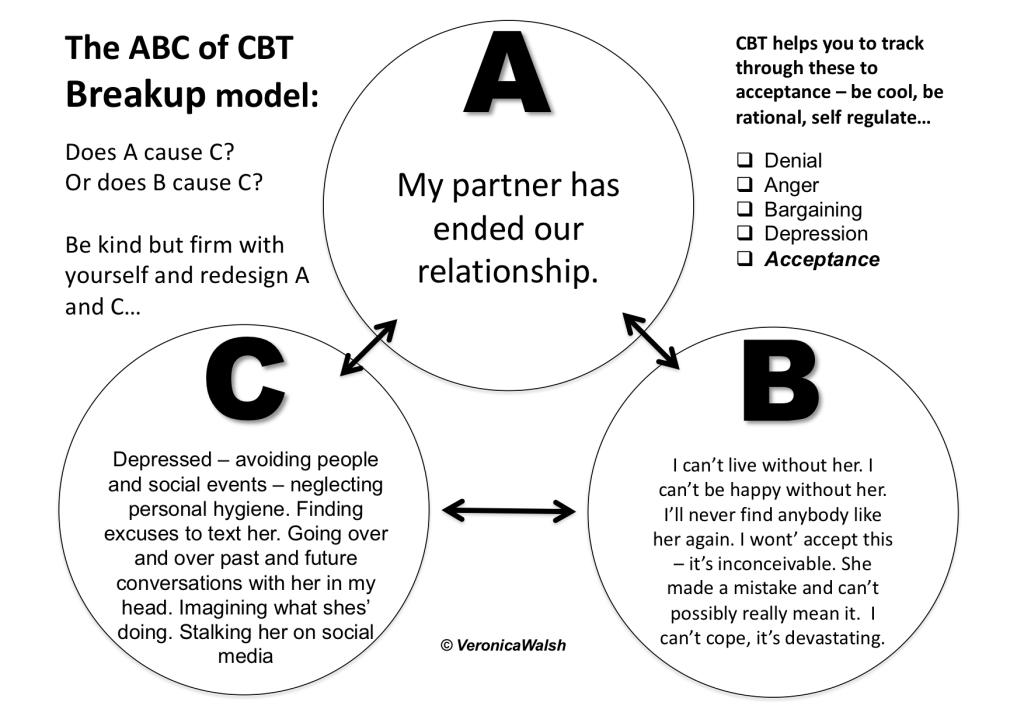
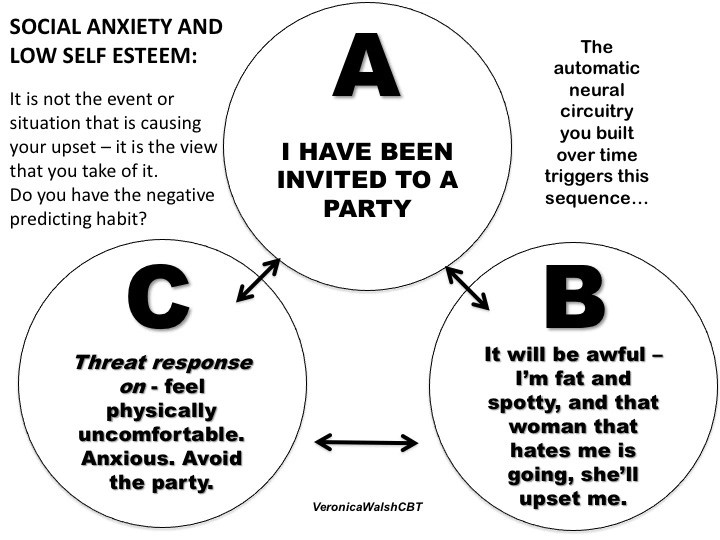
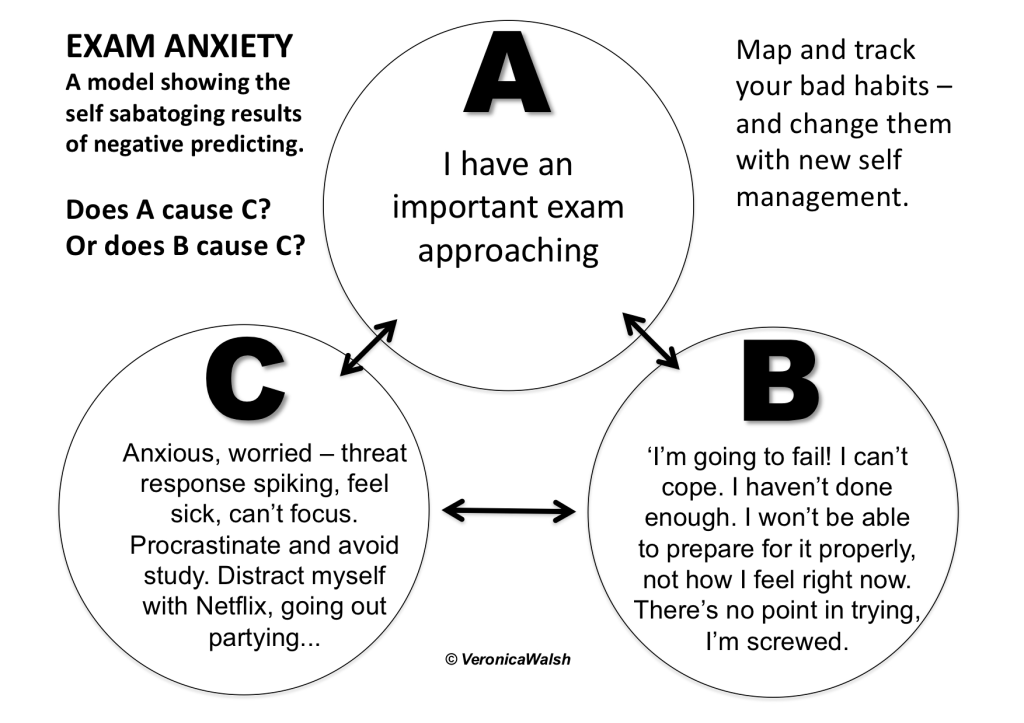
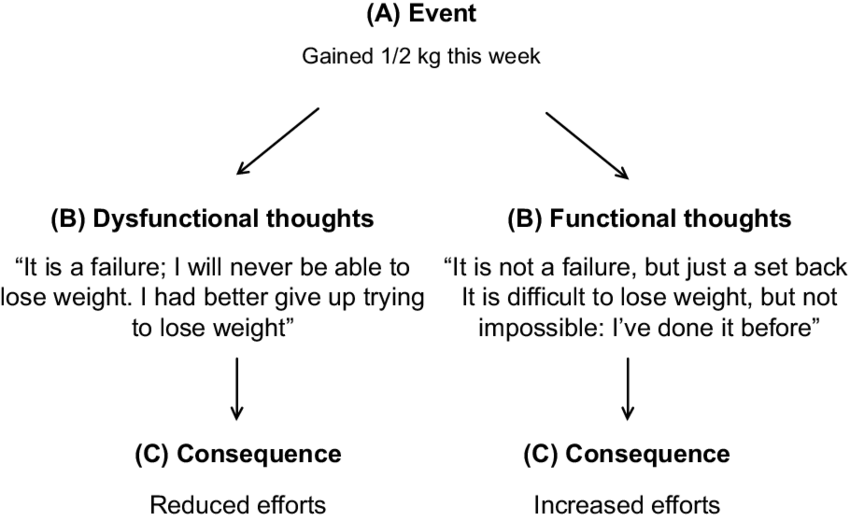
Examples of ABC models that have been done
Example 1: End of Relationship
Example 2: Social Anxiety
Example 3: Performance Anxiety
Tip #3- Use a “Behavior Chain Analysis” to monitor new and old behavior
The basic set-up for a chain analysis is as follows:
I encouraged all my clients to do at least two behavioral chain analyses. The first one should depict what would (continue to) happen in each of the categories if the core belief was left unchanged. The second one should ideally depict what would change in the respective categories if the core belief were to be challenged.
Example of Behavioral Chain Analysis utilized in CBT
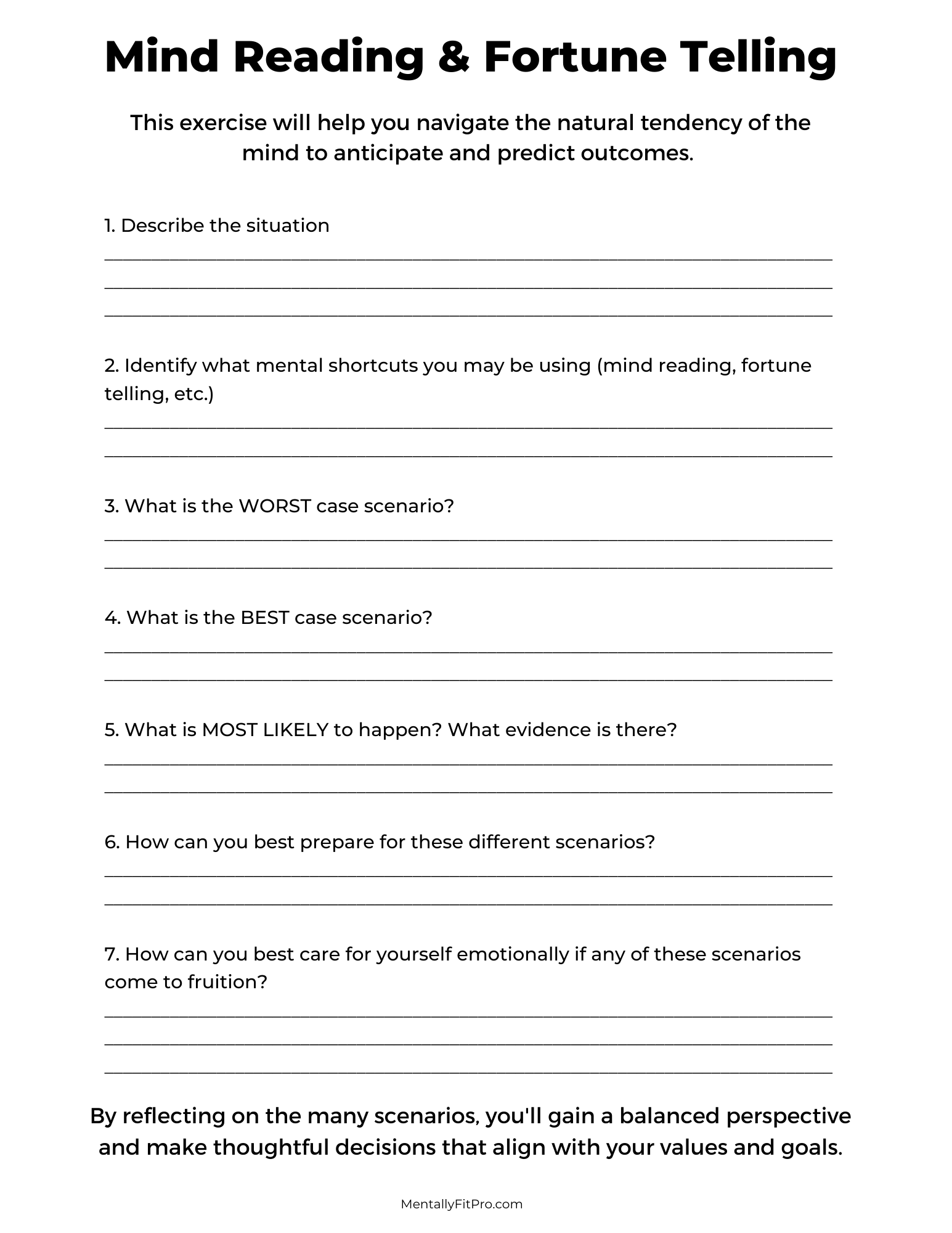
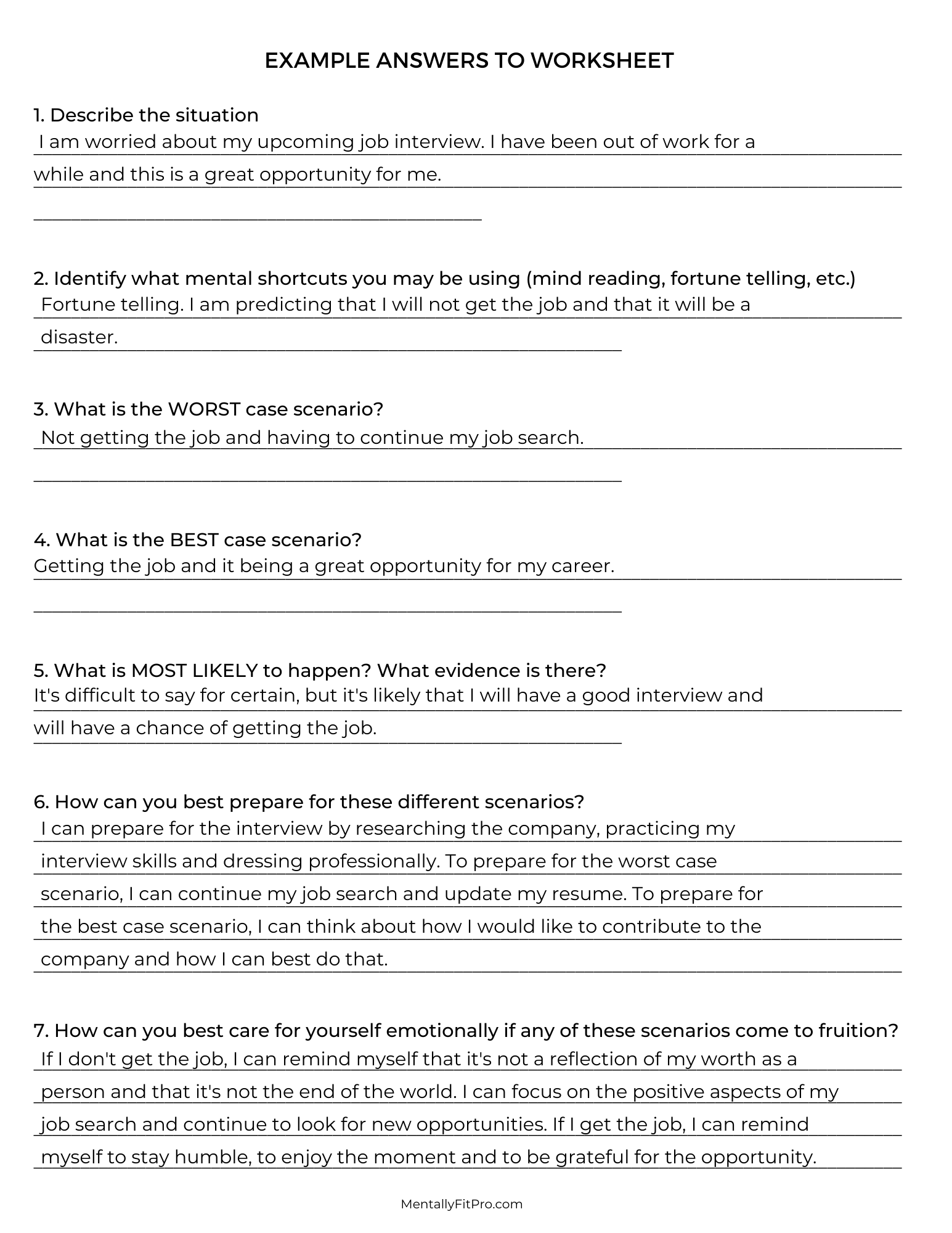
Tip #4- (If you really want to do some serious cognitive “soul searching)…try some DBT or CBT worksheets that help prompt you to examine your core beliefs.
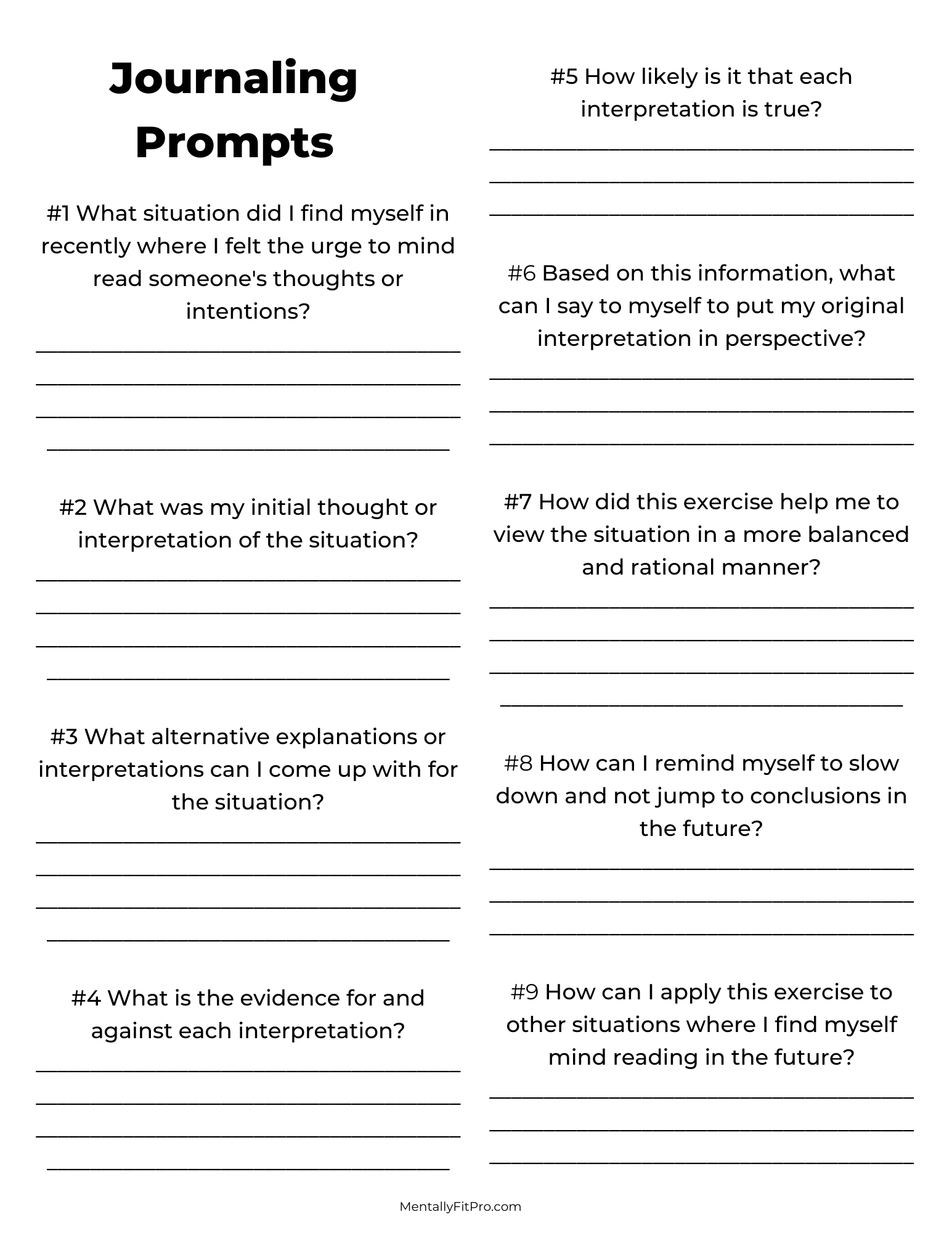
For our purposes, I am going to upload a copy of worksheet that I have used and given others to use when I find myself jumping to conclusions, engaging in mind-reading or becoming my own self-anointed fortune teller.
This week, we will be returning to one of our mind’s most revered, well-rehearsed, and absolutely maladaptive ways of thinking, or what were they called again???
COGNTIVE DISTORTIONS!
Distortion, who?
WARRRRRRRRRPPPPPPPPPPPPPP
Cognitive distortions are unhelpful ways of thinking that are adopted throughout the lifespan of a human. They are usually adopted as defense mechanisms in immediate acute stages. However, if they continue to linger on and become a part of our daily routines, they become highly problematic. All cognitive distortions are patterns of thinking that are usually cultivated during a crisis–a short-term response to an emotionally overcharged situation. They are not inherently “good” or “bad.” They are just mere momentary defense mechanisms to help us get through immediate tension. When they become more overarching in our lives, they begin to infiltrate our day-to-day life and cripple our interpersonal connections and self-evaluation.
This week, WE will discuss one of the triplets of a a family of cognitive distortions.
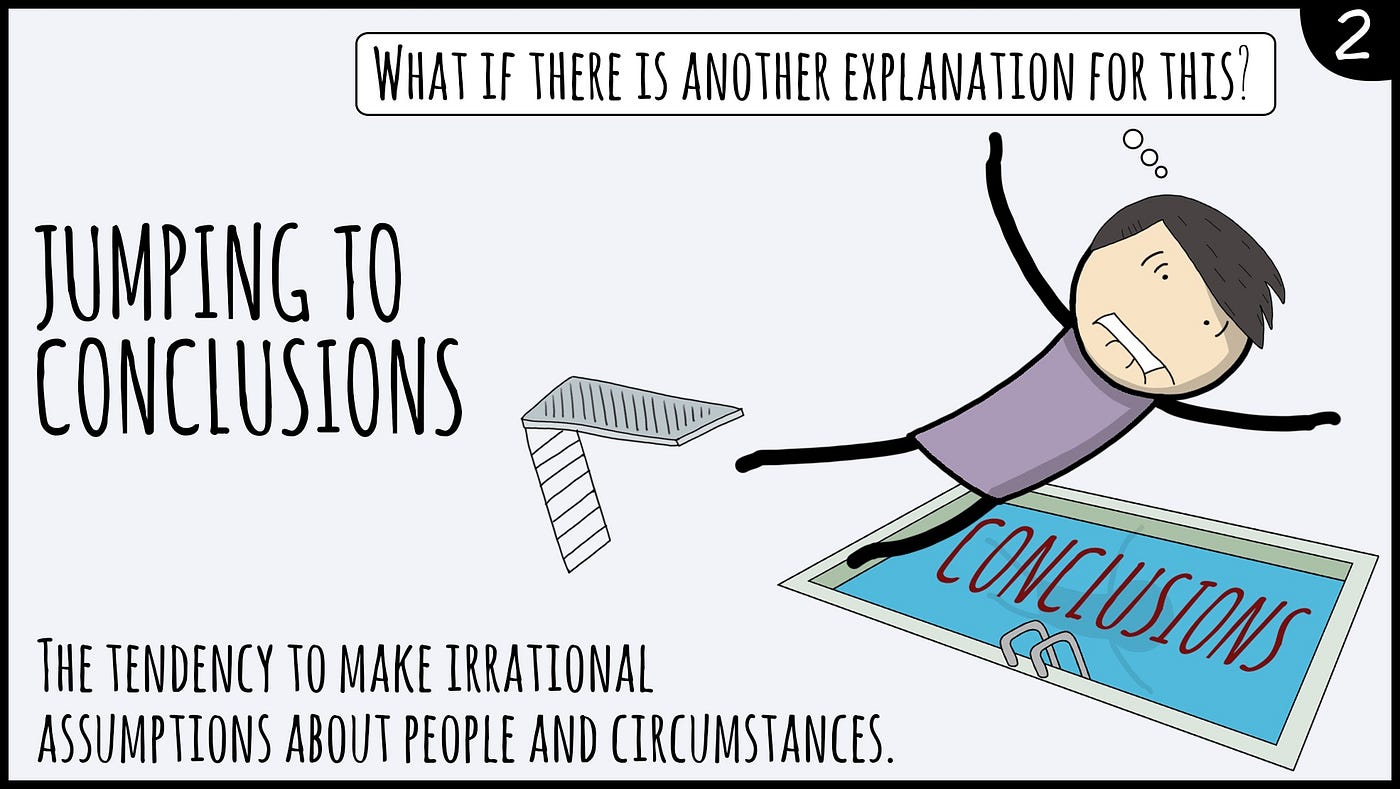
The FATHER of this family is jumping to conclusions.
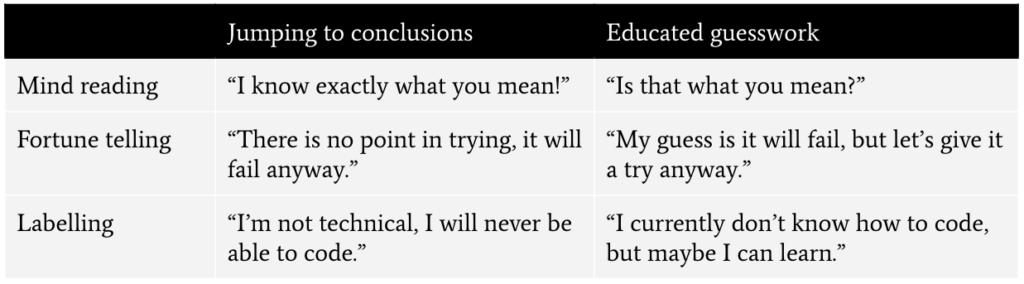
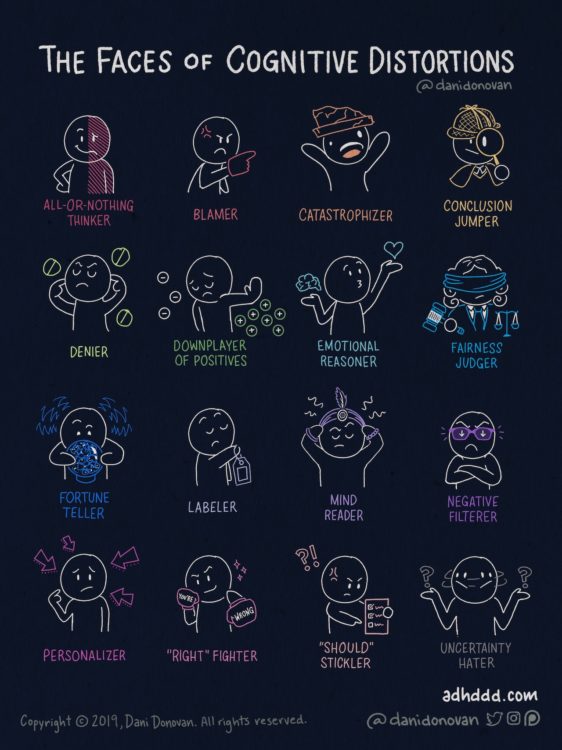
In psychology, this distortion branches out into three categories: 1. Mind-reading 2. Fortune-telling 3. Labeling.
So…what does each one pertain? Why do we engage in these negative ways of thinking? Most importantly,how do we catch ourselves in the midst of it so we can begin to stop it?
Here is your one-step stop for nipping these types of unhelpful patterns of thinking in the bud.
Mind-Reading
The first mutation branching off the “jumping conclusions” band wagon is “mind-reading”.
So mind-reading– What is it? When does it become unhealthy?
I think it’s really important to get the crisp, curt definition of the phenomenon.
In general, “mind-reading” refers to the super-human ability to discern the thoughts of each other without the normal means of communication, especially by means of a preternatural power.
In psychology, “mind-reading” falls into a subcategory of one of the most common cognitive distortions; its corresponding parent category is “jumping to conclusions.”
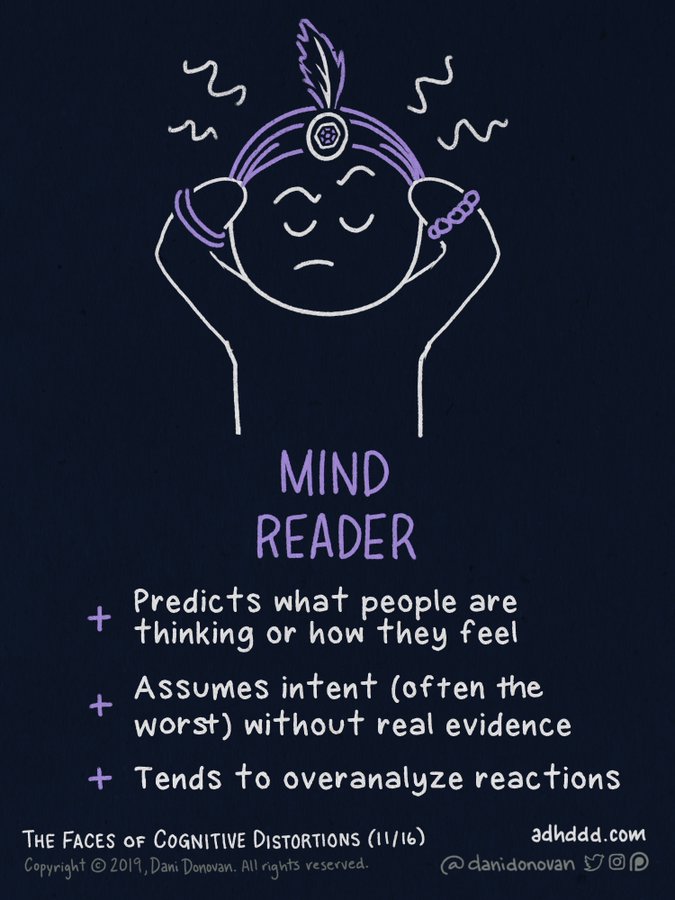
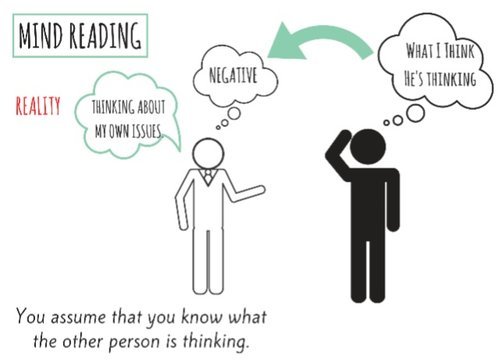
Mind-reading is a misnomer given to the cognitive error that occurs when we try to predict what someone else is feeling based on our own assessments of the situation alone.
Just in case you were curious, the conclusions we arrive to through mind-reading are usually WRONG.
When we are engaged in mind-reading, we do not take time to consider others’ unique thoughts and life experiences, and we become increasingly and incorrectly stuck in our limited lens of thinking.
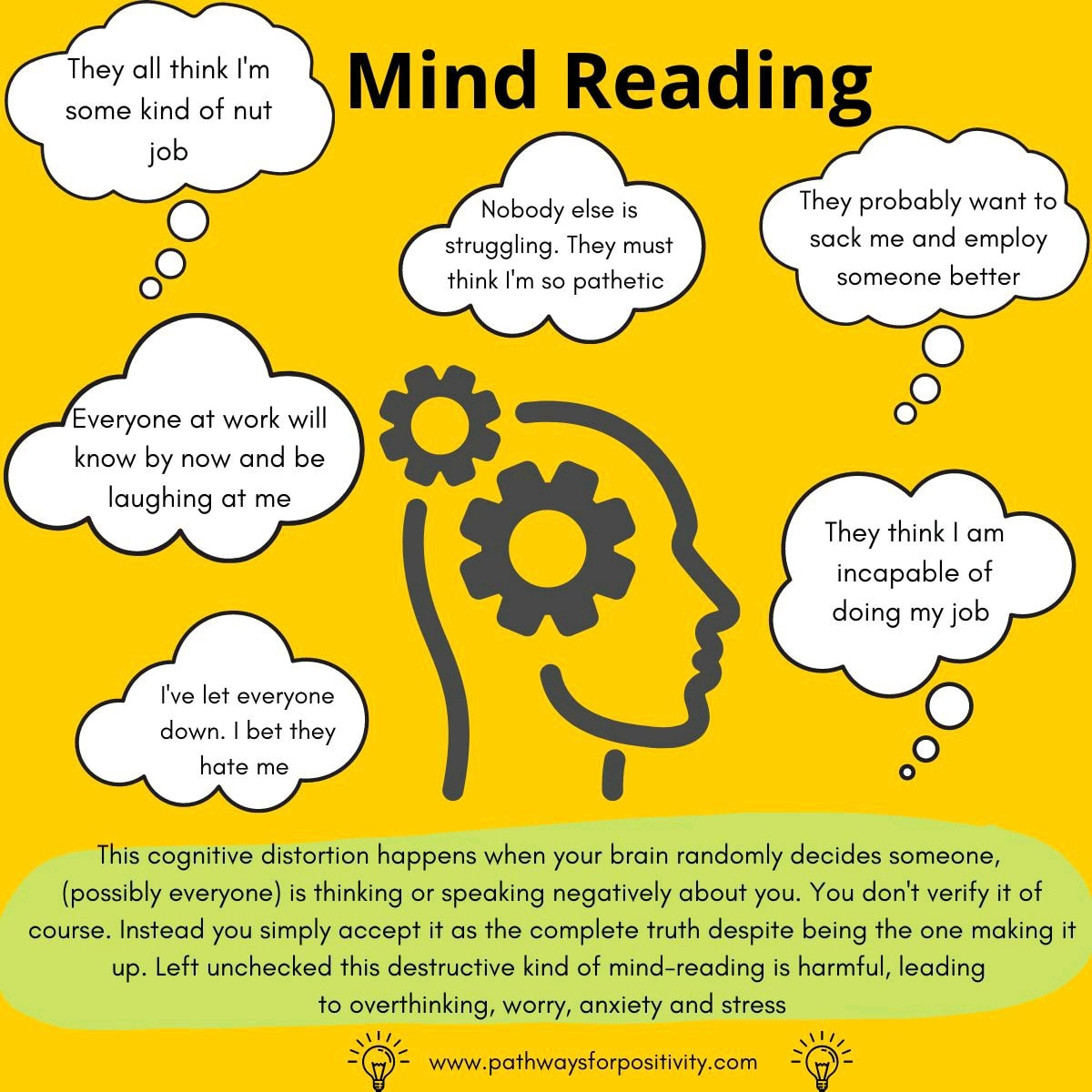
Some examples of “mind reading” look like:
As you can see, those are some lofty assumptions about reality. Another poignant observation is that each thought bubble shares the same faulty pattern of thinking. Each of these situations involves a person incorrectly assuming something to be true for another person. The problem with this type of thinking is that we are usually projecting what we feel onto others. We usually do not take time to check our facts, and consult with the other person/people in situation to see if our “read” on the situation may been skewed.
The truth of the matter is NO psychologically sound person is capable of “mind-reading.” It simply does not exist. In fact, if someone were to tell me that they knew, without a reasonable doubt, that another person was feeling a certain way, I may have to recommend them more intensive psychiatric help.
Believing that we know what others need, want, and think without communication is a delusion. We do not truly know what another wants or needs are unless there is an appropriate exchange of questions and answers.
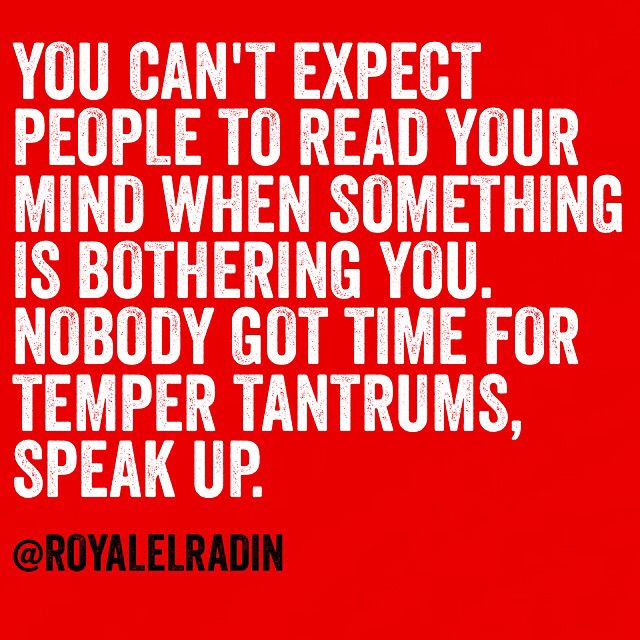
That is why some of the most helpful skills therapists try to coach their clients are in regards to communication. We must questions for clarifying because, who knew? We are not always right.
By asking others how they feel, or what they want, we allow them to exercise their birthright of autonomy. When we ask questions, we create space for others to clarify their desires, thoughts, and actions.
I find myself commonly engaging in mind-reading around people in my immediate circle. It is only natural to study, observe and gather nonverbal data on those that we spend the most amount of time with.
The problem with this natural predilection is that our mind cannot stop doing it. So much so that, it sometimes does its job too well. It will arduously collect information, day in and day out. Now, the brain is not to blame. It is only doing what it was created to do. The primitive brain is often trying to categorize only in an attempt to simplify complex human realities. As a result, we may jump to conclusions, polarized thinking, overgeneralization and other patterns of erroneous thinking.
An Example of how F*CKED up it can get FAST
We have all experienced being the friend/coworker/partner who finds themselves thinking: “Oh no! ______ hates me. I’m just sure of it!” (of course we are)
This type of charged thought usually infects our brains long and before we know it, the parasite has taken over our secondary thinking. All of a sudden we are dealing with a cascade of negative feedback.
Quickly after suggesting the notion of someone not liking us to the brain, we begin to subconsciously “collect evidence” to support that same incorrect belief.
For example, if that person looks up and frowns, we are more likely to assume that it is because of their loathing towards us rather than a completely unrelated cause.
As more and more time goes on, the narrative in our heads thickens until we start to notice every single sigh, eye roll, and sarcastic remark and internalize it towards us.
We become so zoomed in; in this highly charged state, we become acutely aware of the slightest changes in the other’s body posture. Our panicked brains’ engulf themselves in rapidly computing every nonverbal cue to become negatively-connotated; we are trying collect all the (already-biased) information so that we may somehow arrive at the “logical” conclusion. At least, that is what the brain will have us “believe.” The truth is exactly what I stated above–we cannot ignore our own inherent bias about the situation.
The way our brains are wired is literally to search specifically for proof that validates the ideas we already believe to be true. We think we may be neutral, but at best, through psychoeducation and self-awareness, we can become mindful of the preexistence of these unique, acquired biases and shortcomings we have.
Next week, we will be delving into an equally insidious twin sister of mind-reading, who seemed to have gotten her dysfunctionality gene from their shared father–jumping to conclusions.
But before, let me not abandon you without suggestions for how to survive the tendency to mind-read.
Tip #1- Reflect and Retrain
The most wonderful and liberating thing about realizing that we are, most likely, wrong….is that we also possess the power to re-equilibrate our thinking to align more closely with reality.
I want you to ask yourself the following question
Why do I assume that people will treat or talk about me in a bad way?
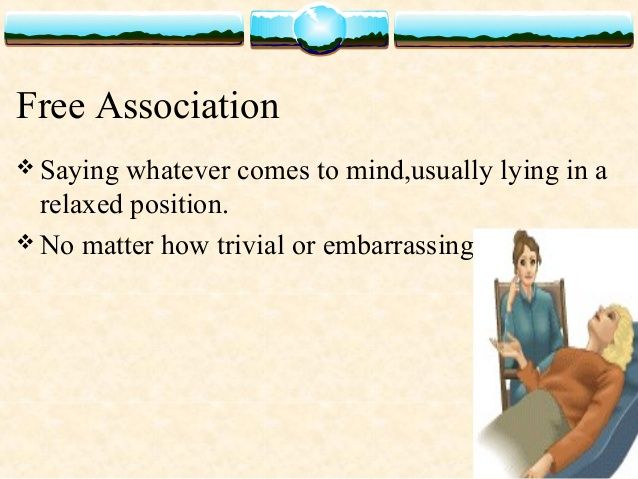
Please write down at least 10 reasons why you believe that to be the case. The best way to approach this exercise is to a) don’t judge yourself too much for believing it because we all do. We all seem to think that the world is preoccupied with us, to some extent. I want you to try to “free-associate” when jotting down the answers to the aforementioned question.
What does free-association mean?
That means, it does not matter how ridiculous, narcissistic, self-absorbed, negative or absolutely ludicrous your brain’s responses are to that question. I want you to just jot them down, without thinking (well…while minimally thinking). The point is to gather your automatic thoughts so that we can focalize on the underlying belief that may be driving you to think that you are indeed, the center of the world, and the reincarnation of the antichrist.
Tip #2- Observe Your Reaction During Mind-Reading
Mind-reading causes negative symptoms in your body and accelerates the fear which already exists. The reason we ALL begin to mind-read is because some external trigger has literally inflamed a pre-existing insecurity we had long before someone else ever rolled their eyes around us.
If you get anything out of this post—or anything out of the series of posts about cognitive distortions–please let it be this: WE MIND-READ BECAUSE OF WHAT WE BELIEVE ABOUT OURSELVES. It happens because someone or something else has triggered something that already PRE-EXISTED (usually long before) the irritant manifested itself.
As a result, our bodies start to give these tell-tale signs that we often ignore because we jump to conclusions and become extremely preoccupied with protecting ourselves. It is so vital to slow ourselves in the moment to observe these bodily sensations and cues because they can be of utmost help in recognizing our tipping off balance.
For example, fear of inadequacy is a phobia that often triggers me to mind-read. Due to my life experiences, and my own interpretations of them at the time, I have a very hard time controlling my reactions and thinking when I even SUSPECT that someone has “figured me out.” The following is an example of how my brain works:
– Insert external trigger: an eye roll or sigh or someone not saying hi to me.
Omg! ______ saw me and ignored me. What did I do? Is it because I didn’t say hi to her? Did I look mean? Did she overhear her me saying something negative about her? Should I apologize? I’m such a failure! I knew it. Everyone in my life was right (overgeneralization). I have been figured it out. God damn it! I try so hard to perfect this “facade” of having it all together and I knew it was just a matter of time. They’ve all figured it out. She’s probably told everyone else that I’m just a big old imposter. A wannabe. A loser. Someone who tries so hard just to “help” others because they just want to feel good about themselves. And you know why? Because I suck. I suck. and I KNOW I SUCK (emotional reasoning) and there is no way for me to hide it. It will always come out in time….etc.
The above was an example of free-association. Do you see how fast my thoughts spiraled?
Now, what is likely is that before I stepped into the quicksand of my dendrites firing away, there were probably tons of sensory cues that warned me that my brain was about to go down this path.
I know I must have felt that “heart drop” feeling. I don’t know how else to describe it, however, I know I ALWAYS tend to feel it when I feel rejected, humiliated, or fearful. It’s that pang in the heart. I might:
Start flushing red
Feel my body temperature rise
Start shaking
Show patterns of uneven breathing
Tighten up my shoulders due to tension
Begin to feel my stomach churn due to feeling uncomfortable.
Feel like I need to puke
Become clammy
Start furrowing my brows in worry
Feel “frozen” in time
Feel my heart beating faster.
There are so many different ways that our body tries to catch up to our mind. Even though each one of our “tell-tales” may be unique and different, I promise you that they exist. We all must work towards becoming aware of them so that we can not fall down the rabbit hole I just described above.
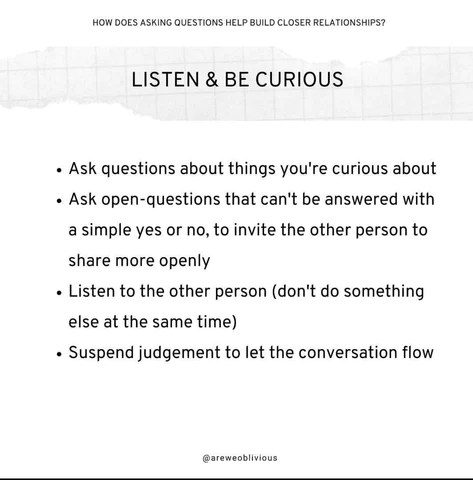
Tip #3- Ask questions
This is the simplest and most efficient way to nip mind-reading and other cognitive distortions in the bud. It is also one of the most difficult ones, in terms of mustering up enough bravery to ask something we may not want to hear the response to. I have had to train myself, and even come up with “scripts” when I’m not heated, that I can use in the moment to help clarify what I’m thinking. Some include:
“Hey, this might just be me, but I feel like there is a shift in energy in the room/between us (etc). Did I do something to offend you or upset you?”
“Are you upset with me, or is it just me?”
Bonus tip: ADD HUMOR– “You know my tendency to think everything is about me…so I saw you sigh earlier, and automatically jumped to the conclusion that it was indeed because of me. Now, I know I’m probably overthinking this, but I wanted to clarify and give you the opportunity to remind me that I’m just not that important.” this one gets a lot of laughs.
“I keep feeling like something is off with us. Am I wrong?”
“Hey, are you okay?”
Asking questions allows us to tell on ourselves, and allow others the autonomy to express their own feelings. Furthermore, it opens up the door for us to become of service to those around us if there is something unrelated bothering them. Checking in with others and being transparent about our own tendencies to catastrophize can also help them find us more relatable and feel comfortable enough to talk to us if there is something wrong in the future.
Please re-read this as many times as you need: “we LIKE people for their qualities, but we end up falling in LOVE with them for (admitting) their defects”.
What is it? Why do we do it? How do we change it? Why do we want to change it?
All your answers will be found below.
First, let’s revisit what we were talking about with those zebras earlier. Our first blog in this series of fifteen natural ways we all naturally f*ck ourselves up was about polarized thinking.
Now who remembers what polarized thinking was?
I feel like I’m teaching again.
Crickets.
Yup.
Polarized thinking was a cognitive distortion—an inaccurate or distorted way of thinking that is not helpful to us, our interpersonal relationships and our environment.
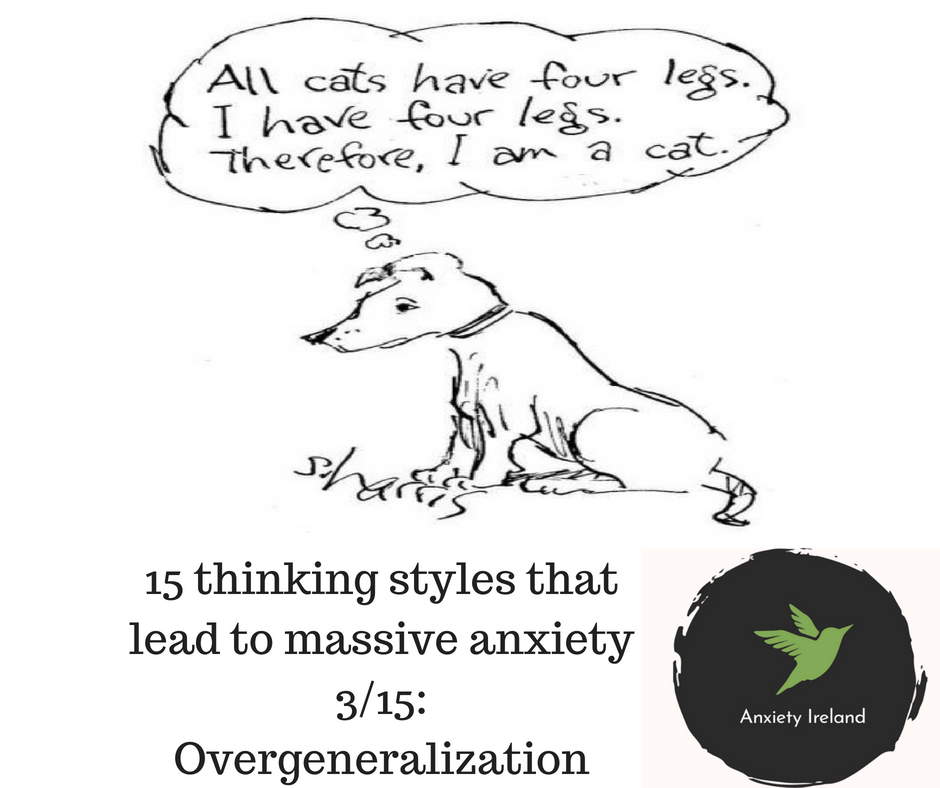
Overgeneralization is another one.
A cognitive distortion, that is.
& it is going to be the 2nd one we talk about on my blog!
I have decided to do an educational series on my blog. Every week, I will post in detail about one of the 15 most common cognitive distortions.
Why???
My rationale (& desire) for doing this is so we can all review our own thinking patterns as we move into the new year.
So often our society talks about how feelings are not facts. As someone who pursued her Masters in Psychology, I can assure you that thoughts are not always factual either.
That means it doesn’t matter if you fall into the blessed left-brained, cognitive, and analytical quantitative group or the less preferable, messy, colorful, creative, right-brained, emotionally overladen group. It means that we are all…essentially FUCKED.
It doesn’t matter whether we are heart people or brain people.
It doesn’t matter if we feel more than we analyze
It also doesn’t matter if we analyze more than we feel.
Feelings are not facts.
And neither are thoughts.
Both are subject to system error-aka, the “human” error.
Because of how diversely tough life can be on all of us, we are all prone to developing biases in our ways of thinking. Prejudices–of sorts.
Our brains, which are hard-wired to notice patterns, make associations in an attempt to ultimately, arrive to more calculated decision in a shorter amount of time…can adopt ways of thinking patterns, or cognitive distortions, that are simply not helpful or accurate.
This week’s topic is overgeneralization. So what is it? Why do we do it? How do we know we are doing it? When does it become unhelpful? How do we stop it?
Read on.
What?
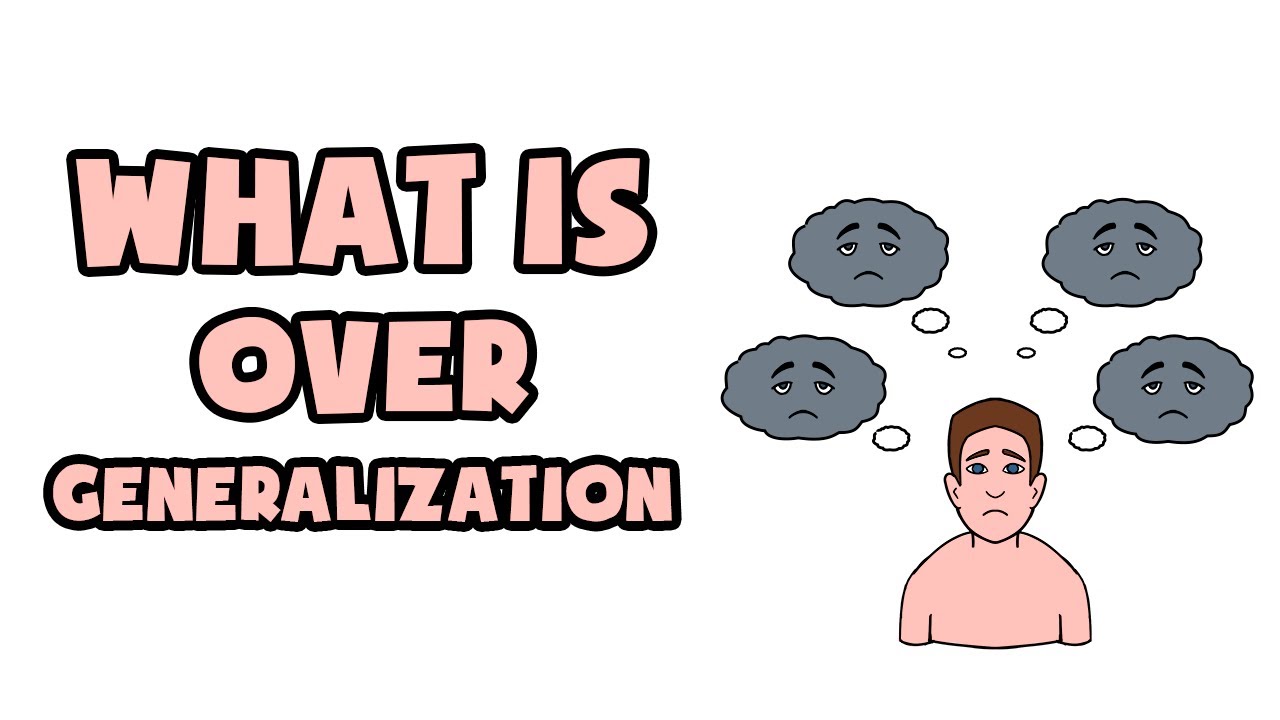
Overgeneralization is one of the fifteen cognitive distortions that are emphasized in psychology. It consists of a faulty perception or belief that causes one to judge oneself and others inaccurately. Those prone to probably said things like:
“I never do anything right.”
“No one will ever understand me.”
“Nothing ever goes my way.”
“All people, regardless of gender or culture, will always screw you over.”
A lot of people practice overgeneralizing each day and are completely unaware of it. The problem is that it leads to unnecessary anxiety and fear, and prevents us from taking healthy risks or attempting new things. As a result, we end up living below our potential for the majority of our autopilot lives.
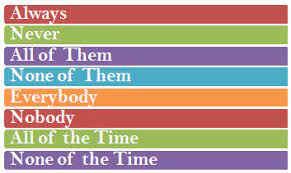
Victims of overgeneralization tend to use absolute terms in their vocabulary quite often. Some common ones include
always/never
forever/never
all/none
everyone/ no one
everything/nothing
When/Where?
We can tend to overgeneralize at anytime , anywhere. It is important to be mindful of what triggers this unhelpful and distorted way of thinking for you. Everyone is triggered differently. Most people tend to use cognitive distortions such as overgeneralization and polarized thinking when they feel fearful. Again, fear can encompass and disguise itself as a lot of secondary emotions. Most people essentially are most vulnerable to overgeneralization when they feel helpless, hopeless, attacked, vulnerable, exposed and cornered.
Who?
Overgeneralization belongs to the family of common cognitive distortions. Just like all other fifteen of its’ sisters, overgeneralization is not much different. All cognitive distortions, or unhelpful patterns of thinking, are usually a result of maladaptation to some degree. They are often seen in individuals dealing with traumatic events, unmanaged stress, and those diagnosed with anxiety disorders and depression.
How?
How do we stop it in its tracks when we find ourselves bound in its shackles?
Tip #1- Figure out your triggers.
Identify what triggers you.
A trigger can refer to anything— a person, place, sight, or sensation — that causes us to overgeneralize. The nuisance of triggers is that everyone has different ones. They are specific to each one of us and are heavily influenced by the feelings we have regarding our lives, self-esteem, others and environment. Another irritant is that we tend to engage in distorted ways of thinking, such as overgeneralization, when we are emotionally charged and feel cornered. Therefore, it is definitely difficult to recognize and become almost “meta-aware” of the fact that we may be clouded with our emotions. In highly charged emotional states, we are less likely to recognize the fact that we may be engaging in cognitive distortions. Despite how difficult it may be to catch ourselves engaging in unhelpful ways of thinking during highly emotional times, the rewards of becoming mindful and aware of our own shortcomings are multifold.
Tip #2- Become mindful of your vocabulary
When we find ourselves using overgeneralization as a defense mechanism, we often will use terms that are absolute. Absolute terms are rigid terms that do not allow any room for flexibility. When we catch ourselves using words like “all”, “none”, “no one”, “everyone”, “nothing” and “everything”, our emotions are usually looking for some validation from ourselves.
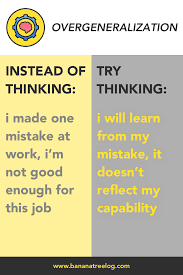
Tip #3- Practice reframing.
Reframing is a technique in psychology that encourages us to view a situation from a different angle. It’s an effective way to replace a negative thought with a more beneficial one. Reframing our thoughts pretty much consists of replacing our negative thoughts with positive ones instead. For example:
Instead of saying (and believing) things like “I suck at ______” or “I will never be good at _____”, try incorporating the terms “yet” & “and” instead of “but.” Practice saying (and believing) things like
I haven’ t been able to do it yet.
I haven’t solved that yet
I am not where I want to be, and I am not where I was.
I am not a saint, and I am not a sinner.
I am not perfect, and still worthy of love.
Reframing a situation can also mean taking more facts into account. It can look like choosing not to jump to conclusions. For example, instead of deducing that we can never do a specific task such as speak well in public, we can redirect our focus/thinking to more helpful questions
What was the reason for my “failing”? (Pressure, lack of preparation, etc.)
How can I improve?
What is the smallest thing I can do today to move in the direction towards improving?
What are the short-term steps I have to take to improve?
What are the long-term benefits to me taking time to change this about myself now so I don’t have to suffer later?
Through reframing, we often realize that most of your beliefs aren’t based in reality, which then opens up opportunities for positive change.
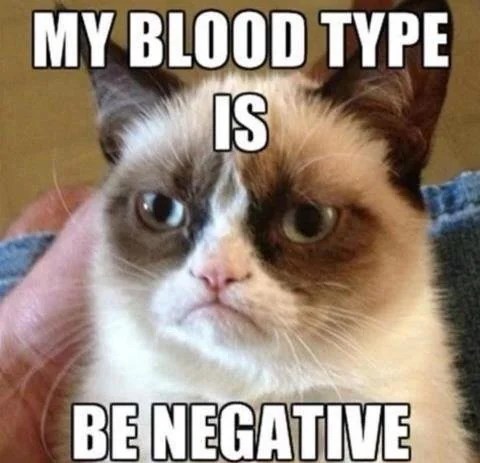
Tip #4- Keep practicing “positive” thinking.
Yes, I said what I said.
It is a practice.
It is a chore.
Congratulations Grumpy Cat.
So is everyone else’s if they don’t work on it actively.
It requires hard-work, and constant effort.
It is no means easy at first.
It takes time.
You will mess up.
Because so have I.
Some tips for encouraging our minds to more positive, helpful ways of thinking include
using positive affirmations
listening to uplifting messages (songs, sermons, lectures, books)
reading uplifting literature
watching funny videos
exercising
self-soothing
seeking therapy
learning adaptive coping strategies
keeping a gratitude list
surrounding ourselves with positive, optimistic individuals
getting out in the sun
taking a bath (for me)/something relaxing and nice for yourself that requires you to treat yourself.
calling a friend and to catch up
asking/noticing what we can do for those around us
…I start to feel more and more out of control and ironically, it makes me want to grasp onto any last straw of “control” I can imagine.
Human beings are quite the ironic creature. The more out of control and panicked we feel, the more we tighten our grasps around the very things that make us feel out of control. This just creates a negative feedback loop of B.S, that forces us to white knuckle our way through life instead of enjoying its dynamic ups and downs.
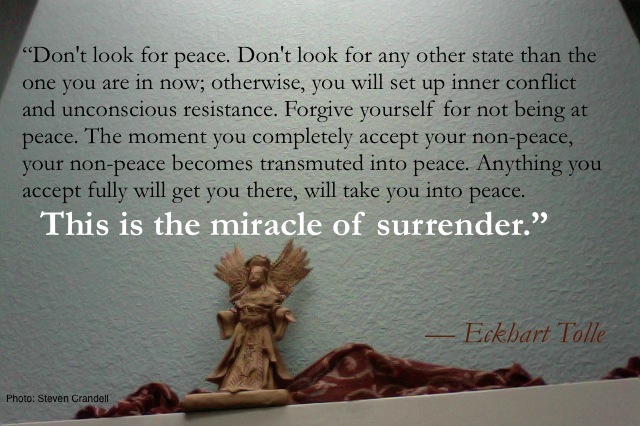
Eckhart Tolle, one of my favorite authors, stated:
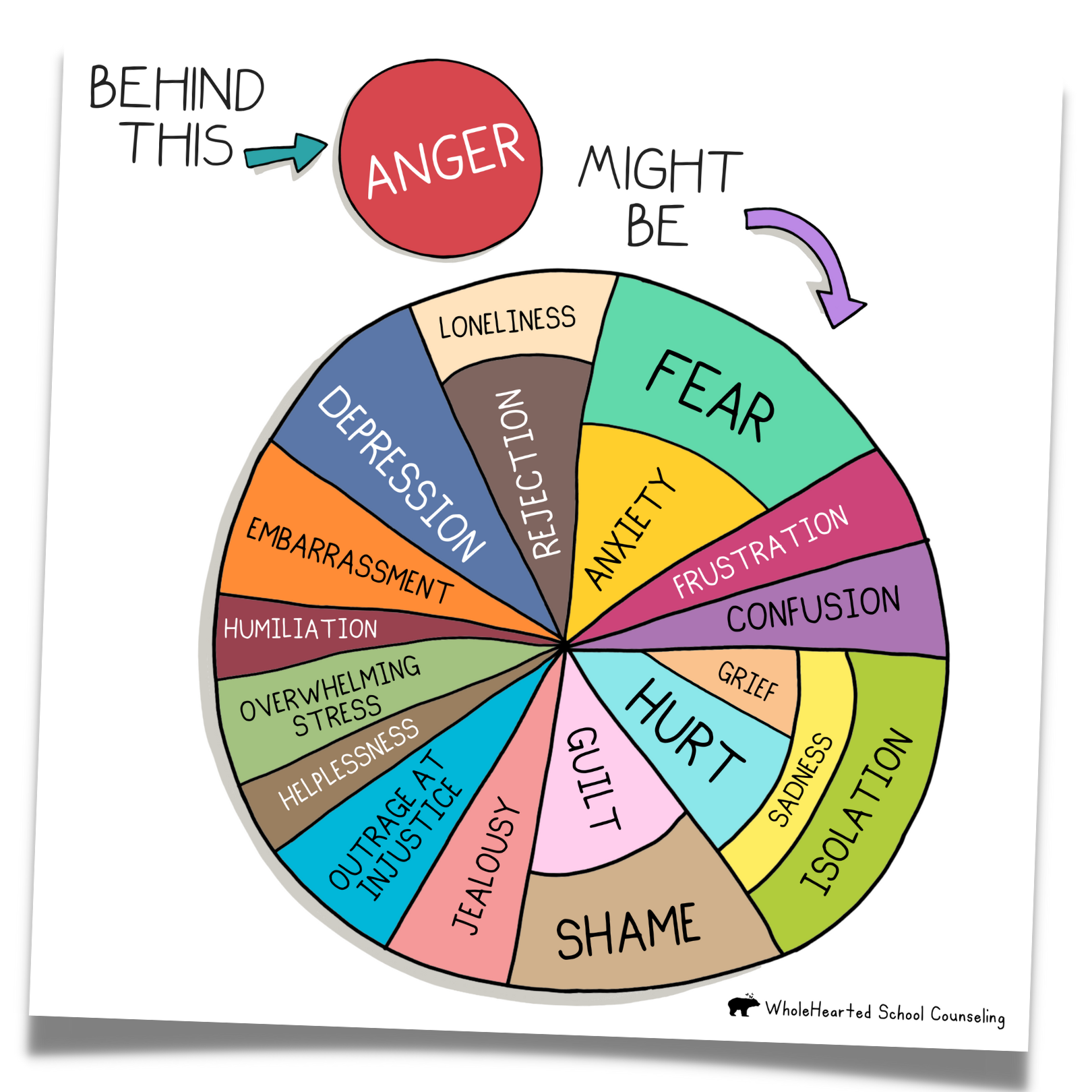
I just lost my anger on someone that has been a trigger to me. After the heightened verbal exchanges comes the tsunami of regret, remorse, and guilt. We have all been guilty of saying hurtful things at the peak of our anger. The thing I learned about anger in pursuing my masters in counseling psychology is that it is merely a secondary emotion.
What does that even mean?
Anger is a secondary emotion , as it lends itself as a defensive approach to feeling some of the more vulnerable, scary primary emotions shown in the graphic above. Today, for me, the primary emotions were hurt, grief and helplessness. Let’s add a teaspoon of humiliation too.
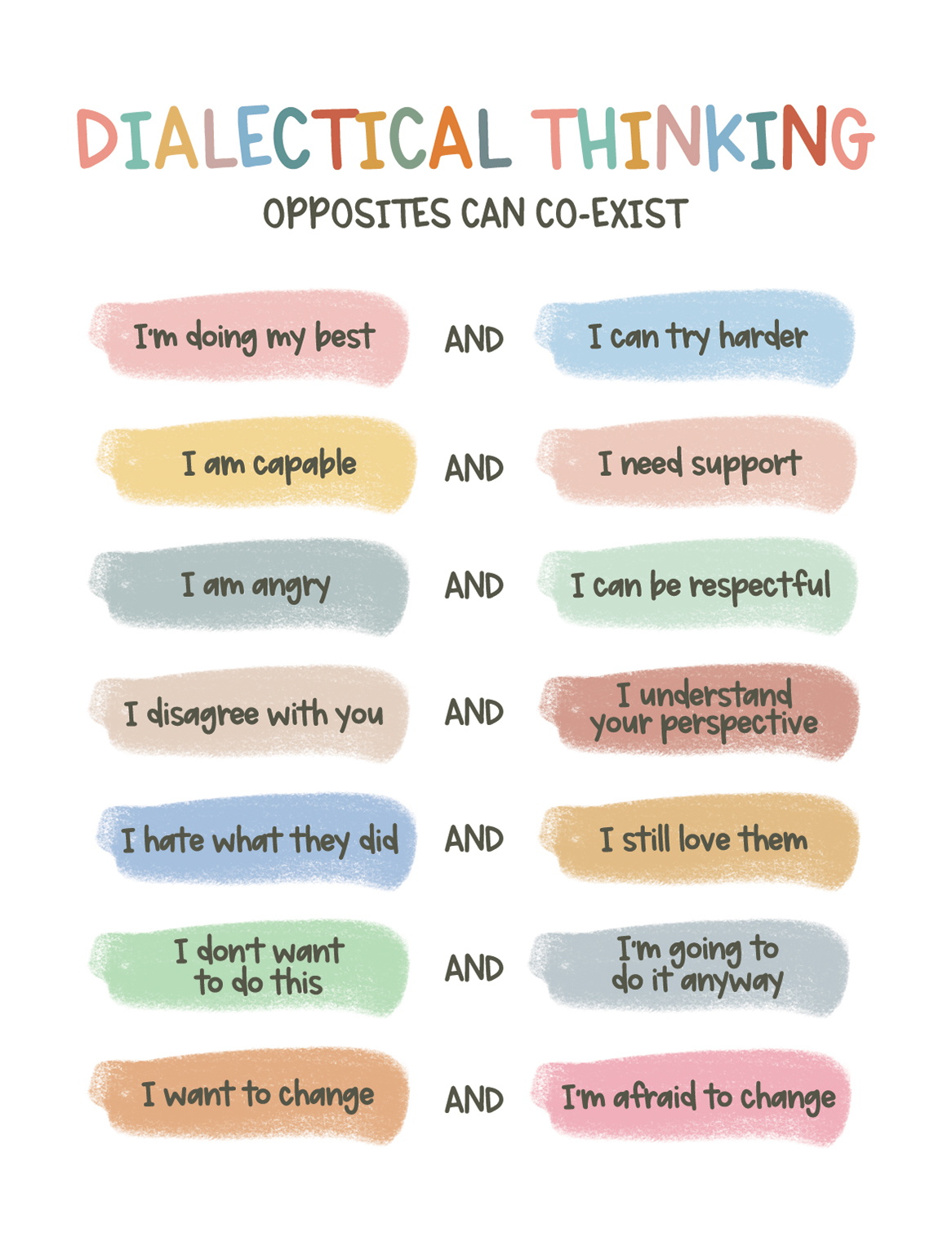
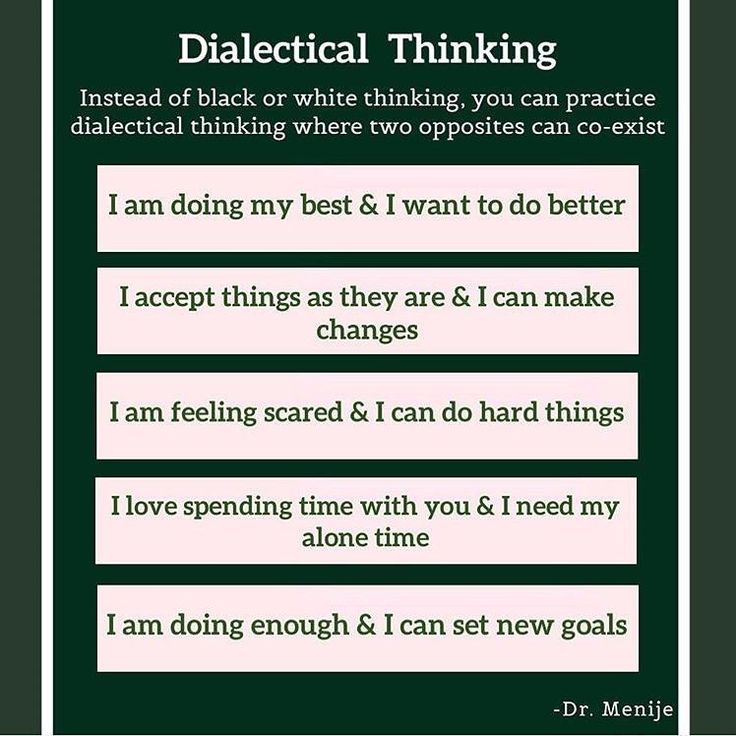
I want to talk about anger and acceptance today. They seem like they are so contradictory, however, if we can begin to think of our lives in a dialectical manner, we can begin to hold space for two seemingly opposing schemas within ourselves. It is possible for two things to be true.
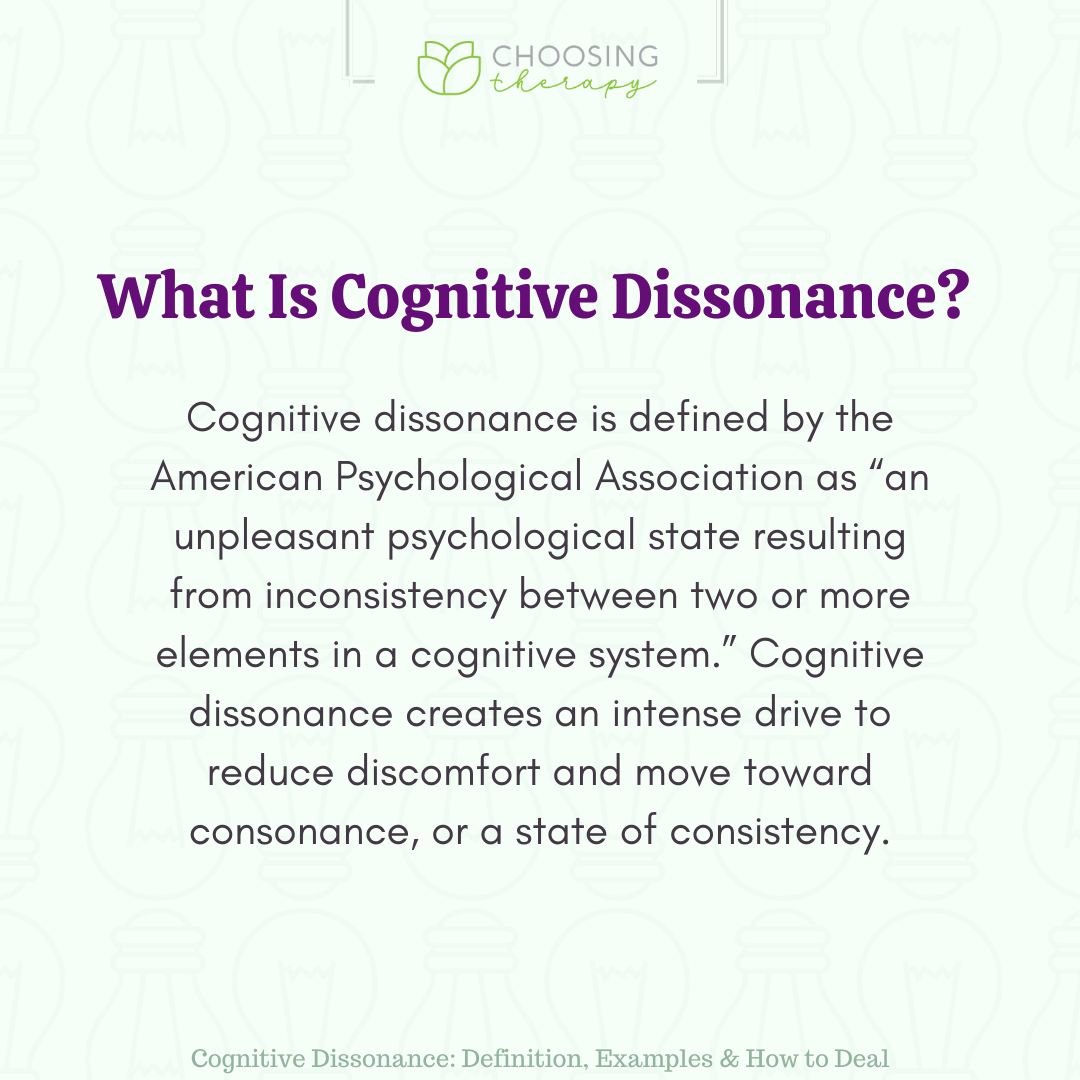
The reason it is so difficult for us average human beings to hold two seemingly paradoxical realities as true at the same time is because it creates tension in our psyche. In psychology, we refer to this tension as cognitive dissonance. This concept essentially outlines the natural stress and disharmony that result from trying to reconcile feelings or thoughts that simply do not align with one another.
Mankind has survived thus far due to his/her ability to view the world and start to view it in categories. Imagine being a child. There are so many overwhelming stimuli. In an attempt to understand the world around us, we begin to form associations, correlations through becoming aware of patterns.
This natural predilection only becomes problematic when we become too rigid in keeping all of our experiences boxed into neatly wrapped, homogenous compartments.
It does not feel comfortable to break out of those cute little patterns that have helped us make life more predictable.
This is “good” and that is “bad”. This is “right” and that is “wrong”. This is “satisfactory” and that is “unacceptable.” This type of rigidity leads to cognitive distortions.
Cognitive distortions involve negative thinking patterns that aren’t based on fact or reality. They often rely on faulty assumptions & unrelated associations that we have inaccurately made throughout our life.
The type of cognitive distortion I want to talk about today is called: Polarization.
Polarized thinking is an extreme simplification of reality. Things are either black or white, good or bad. We don’t see the nuances that exist between one extreme and another. People with this type of distortion feel comfortable placing reality between two extremes.
Why do we do it?
Viewing situations in extremes is something many of us do naturally. All human behavior is motivated by a self-serving need. Thinking in extremes allows us to narrow down experiences into simple categories. Essentially, it is an oversimplification technique that gives us the false feeling of “being in control.” For example, if we can define it in two absolute categories, life becomes a lot more predictable. Polarized thinking can help us simplify and process information as we receive it, allowing for easier understanding and faster decision making.
How do we avoid it?
In case you didn’t see this coming–surprise! Life is not black and white. Life is meant to be lived in all of its confusing colors. I know I sound like Pocahontas in my debut of “Colors of the Wind”, however, I do begrudgingly concur. There are just too many extraneous variables that affect everything we do, say, feel and think; we cannot oversimplify and attribute one thing with another without considering all factors. Read on for some helpful pointers when you find yourself stuck in black and white thinking.
Tip #1- Learn to view EVERYTHING on a spectrum
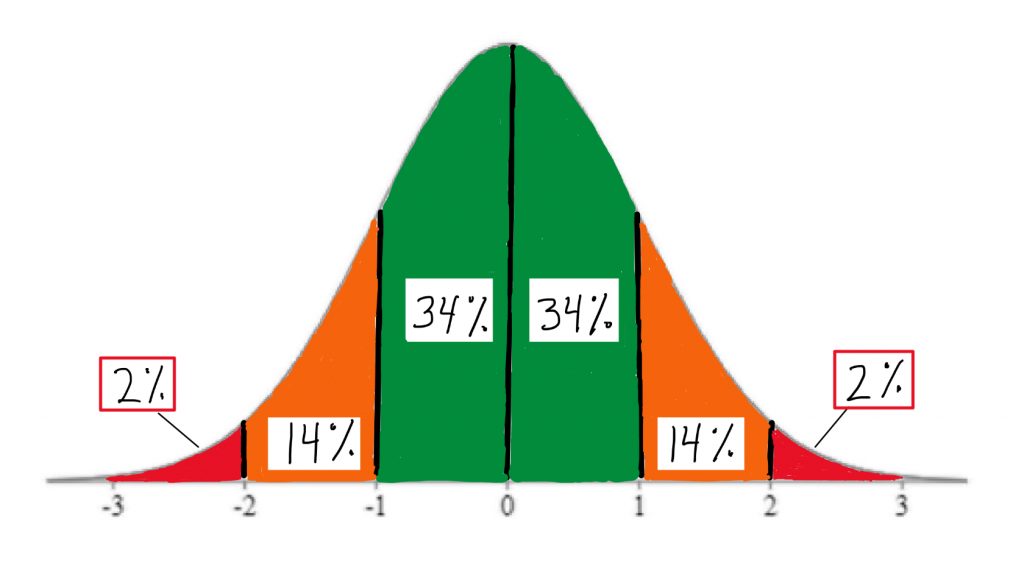
To those of you still traumatized by statistics, I’m sorry for the following diagram.
Every thing, person and situation falls within a spectrum. The above curve is called a “normal distribution” in statistics. Many of our pathopsychological issues arise when we move out of the green and orange zones into the red zone.
When we begin to view the world around us in absolutes, it leaves no room for change. As many spiritual practices and biological disciplines demonstrate–change is the only constant in life. What this essentially means is that the THE ONLY THING WE CAN COUNT ON FOR SURE IS THAT EVERY SINGLE THING IS SUBJECT TO CHANGE.
Stagnation is death; human beings, much like every other species in the cladogram of life learn, grow and adapt. Therefore, it is very simple-minded to speak of ourselves or others in absolutes. We all possess a range of complex emotional expression. Furthermore, this range is not fixed. It can be expanded through active pursuit of self-improvement.
Tip #2- Become aware of your vocabulary
Avoid using absolute terms such as “always” and “never”. Become aware of when you use them, and challenge your logic. Do you, without a reasonable doubt, have every single reason to believe that you are a failure? Probably not. Do you, without a reasonable doubt, have every single reason to believe that you are perfect and infallible? Probably not.
People often use the words “always” or “never” to emphasize what the statement they’re making. In reality, however, there are very few aspects of life where “always” or “never” are actually relevant and applicable.
Tip #3- Incorporate “and”, “yes”, & “yet” into your everyday vocabulary
Broadening binary thinking can improve cognitive flexibility. If you’re interested in learning how to stop polarized thinking, try to engage an extreme thought by exploring it with “yes, and.”
“Yes, I faced difficult things, and I also experienced good moments this week.”
“Yes, I’m a good person, and sometimes I make mistakes.”
“Yes, I’m not where I want to be and I’m also not where I was.”
“Yes, I am doing the best I can and I can continue to improve.”
“Yes, I struggle with _____ and I haven’t quite found a manageable solution yet.”
Tip #4- View yourself & others as holistic, inclusive beings.
Just like eating one salad didn’t make you immediately drop 3 jean sizes, missing one workout will not make you gain 4 back.
It’s an analogy. The point is that we did not become the way we are overnight. We have all lived unique lives with personalized experiences that have shaped our thoughts, feelings and behaviors. We are a collection–an amalgamation of ALL of our experiences, interactions and reflections.
When we begin to view ourselves through a more encompassing, broadened lens, we start fostering self-compassion, and acceptance. Adopting this type of view helps circumvent the pattern of thinking errors.
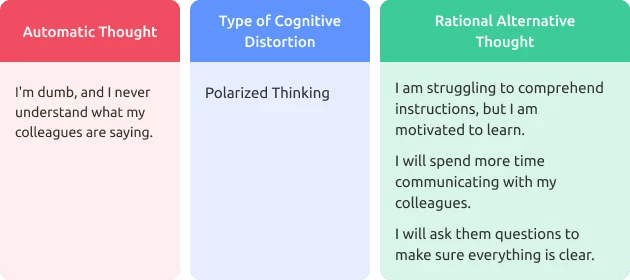
Tip #4- Triple Column Analysis
Begin to challenge your thoughts through a simple triple column analysis. Stanford University found statistically significant results in resilience and mood when comparing those who used this method and those who didn’t. Use the following example as a template for any emotionally overladen automatic belief/thought that arises for you ❤