A twin sister of mind-reading, who happens to be just as convincing in the least helpful ways is….
drum-roll!!!!!!
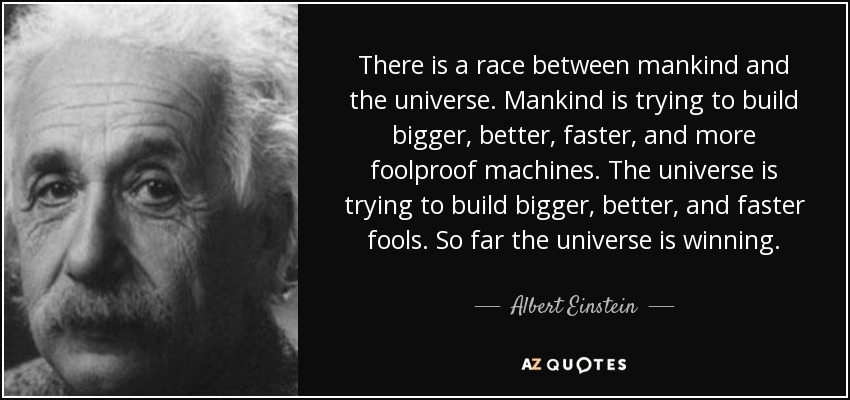
Albert Einstein, one of my favorite scientists said: “we cannot solve problems from the same thinking patterns we used in creating them.” This means, we cannot use the same patterns of thinking that manifested the problem to try and construct solutions that will actually work.
That is why it is so essential to become aware of these common cognitive distortions. Once we can develop a meta-cognition, of sorts, to observe the faulty patterns of cognition our minds may have developed over time, we can begin to solve deep-seated issues within our psyche.
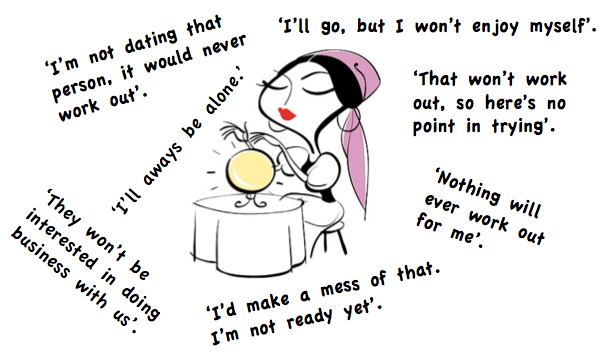
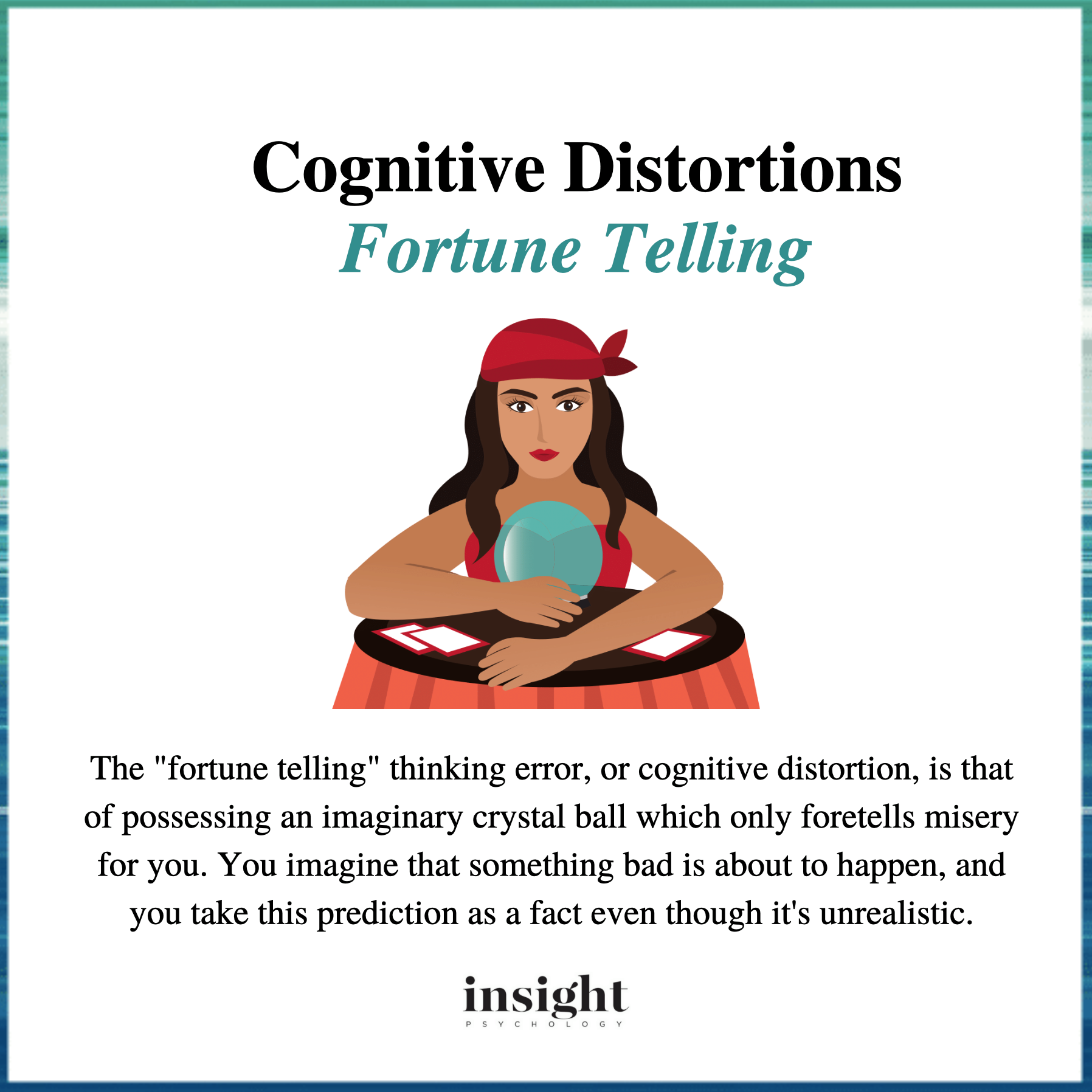
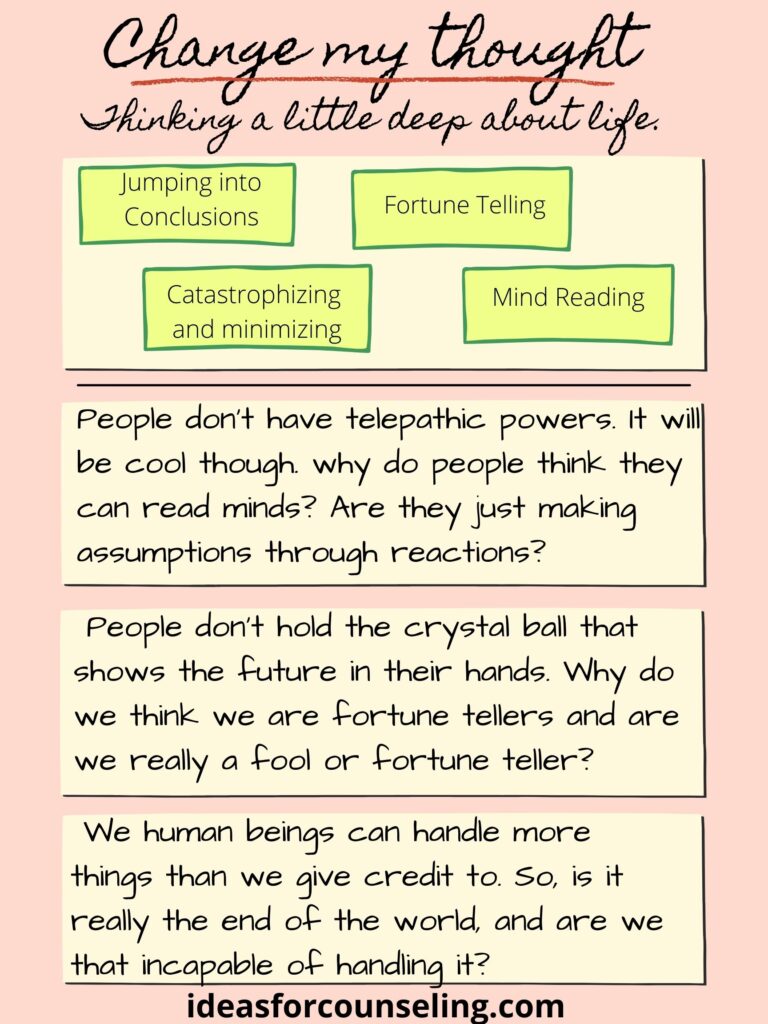
Fortune telling, much like mind-reading, is a branch in the family of cognitive distortions associated with jumping to conclusions. Fortune telling is a cognitive distortion that predisposes us to favor and predict a negative outcome without realistically considering the actual odds of that outcome.
This type of predilection towards worst-case scenarios is usually linked to anxiety and depression. Most often, those of us struggling through an active anxious or depressive episode display skewed thinking about the world and ourselves.
In fact, when I was practicing counseling in New Orleans, fortune telling was actually one of the most common cognitive distortions that came up for my clients. They seemed to have this eerie unbased “knowledge” that things would just end in a very catastrophic way without any real logical evidence to believe so.
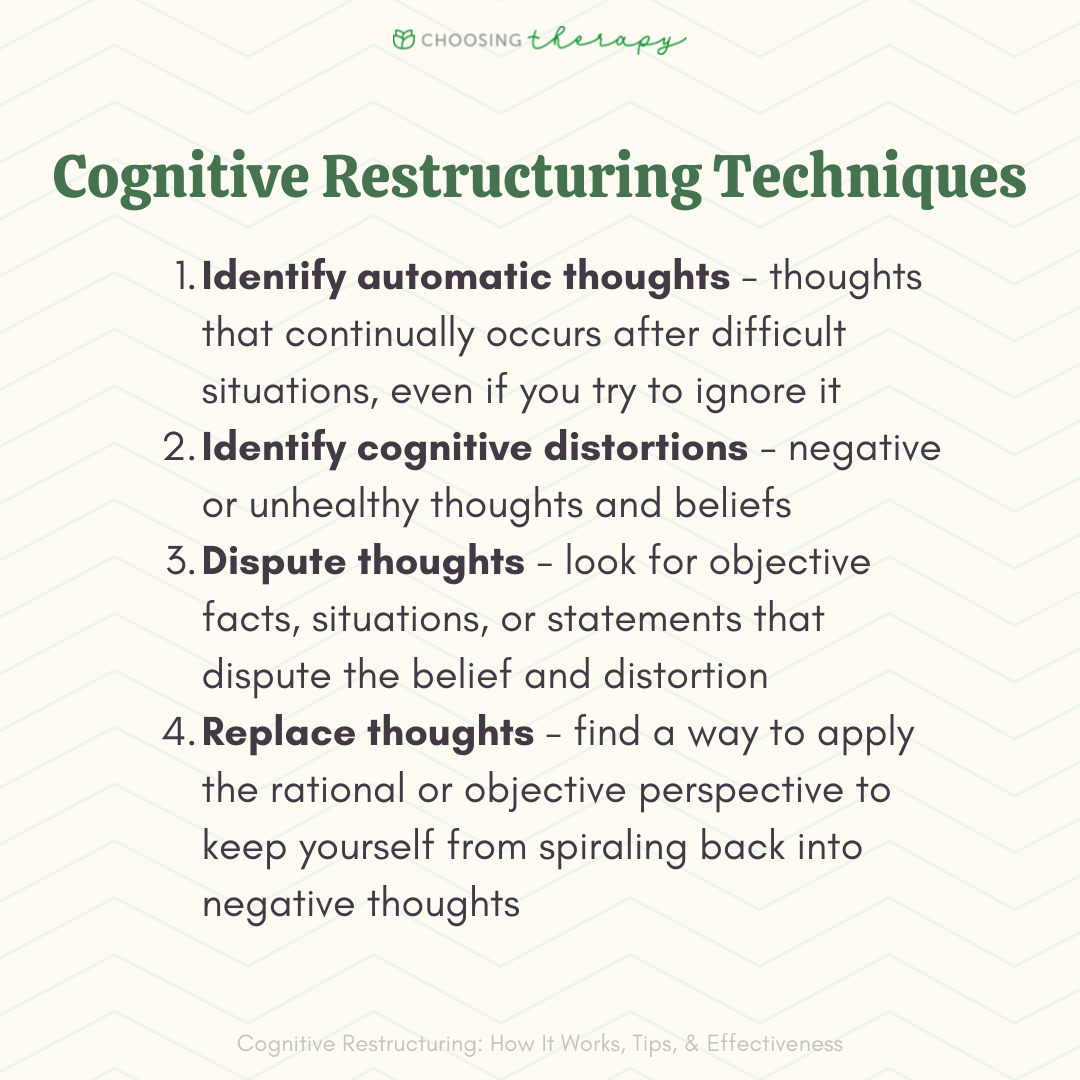
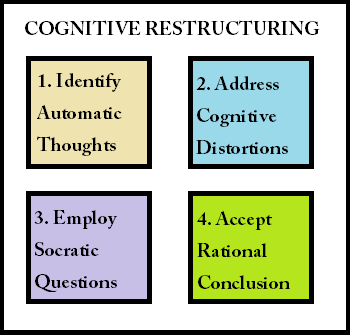
The process of taking some of these rehearsed faulty patterns of thinking and retraining the brain to replace them with helpful, more realistic and healthy patterns is called cognitive restructuring.
In psychology, especially among therapists that employ the CBT modality, cognitive restructuring is a technique used heavily to help individuals become aware of the age-old narratives they come in telling themselves. After appropriate reflection, clients are then challenged to analyze whether or not they would like to change their self-talk and automatic narratives. If clients decide that the benefits of change outweigh the price of staying the same, the therapist works directly with the client and helps reframe unhealthy automatic core beliefs to more helpful, healthy and productive ones. That is the goal of cognitive restructuring.
Our deepest beliefs, or cognitive schemas, are essentially the byproduct of a well-rehearsed story that we have knitted together through our own lifespan. Some of the meanings that we assign to our experiences are conscious, however, the process of forming our patterns of thinking are largely done by subconscious sources.
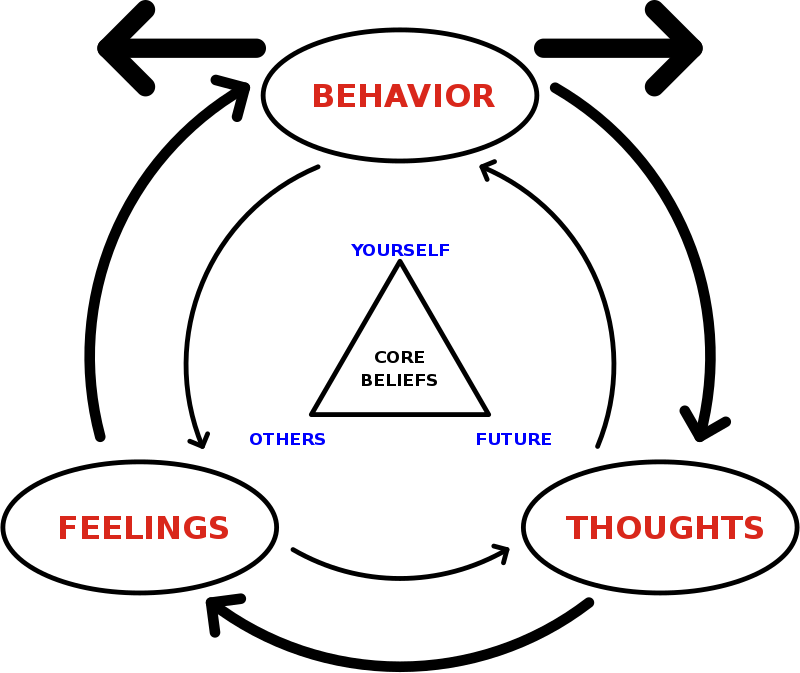
We see our beliefs reflected in our thoughts, feelings and actions. Our behaviors are the closest indicators of our true internal thermostat and core beliefs. The simplified medical way of looking at cognitive distortions is that once patterns are repeated, the brain simply learns an efficient, easier pathway of firing to arrive at a faster “action state”.
Here comes out the nerdy part of me! Something you may or may not know about me is that I pursued a double bachelors in Biological Sciences and Organic Chemistry in college. I graduated valedictorian of the college of sciences from College of Charleston with a summa cum laude. Studying the human body so closely sparked an interest within me to try to understand the mechanisms of the neuroplastic mind. That is precisely why I pursued my masters degree in Psychology and Counseling with a specialization in clinical mental health.
Anyway….
I want to quickly, and simply (hopefully) explain how our brains learn. The reason for this is because once we all are familiarized with the basics behind memory recollection, and how our brain creates meaning, we can begin to work WITH its natural wiring to develop more helpful patterns of thinking.
I view human beings as holistic creatures, and in no way would I ever advocate working against certain parts of ourselves. We are a unique collection of experiences, thoughts, behaviors, actions, cultures, and feelings. The more we understand each one of those compartments, the faster we can work with all facets of ourselves to improve overall life quality.
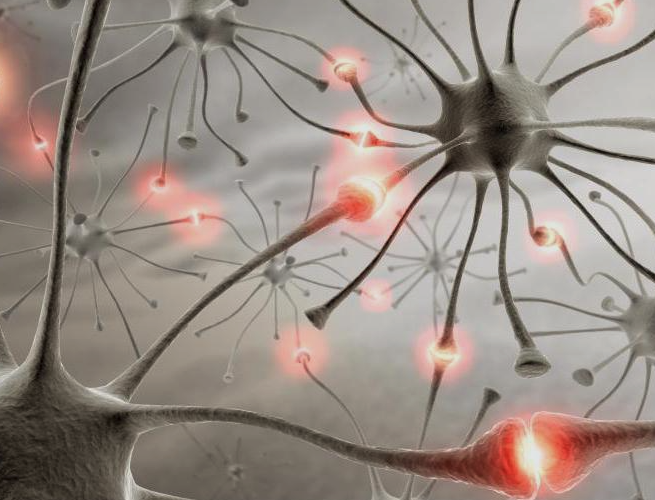
At every moment, our brain orchestrates a complex symphony of perfectly coordinated, and intentional signals across billions of neurons. These neurons, then, transmit the signals through trillions of synapses, lighting up pathways of the brain that are associated with a similar event (firing of dendrites). Becoming familiar with this complex neural circuitry enables us to start to understand the processes that work together to enable all aspects of brain function.
When we are learning something, neurons in different parts of the brain communicate with each other. If two neurons interact frequently enough, they form a connection that allows them to transmit messages more easily, efficiently and “accurately” (or so it thinks).
The more often certain neurons communicate with one another, the more fortified their connection gets. As a result, it becomes easier & easier for our automatic thoughts to follow in line with that same familiar thinking pattern. Use it and improve it!
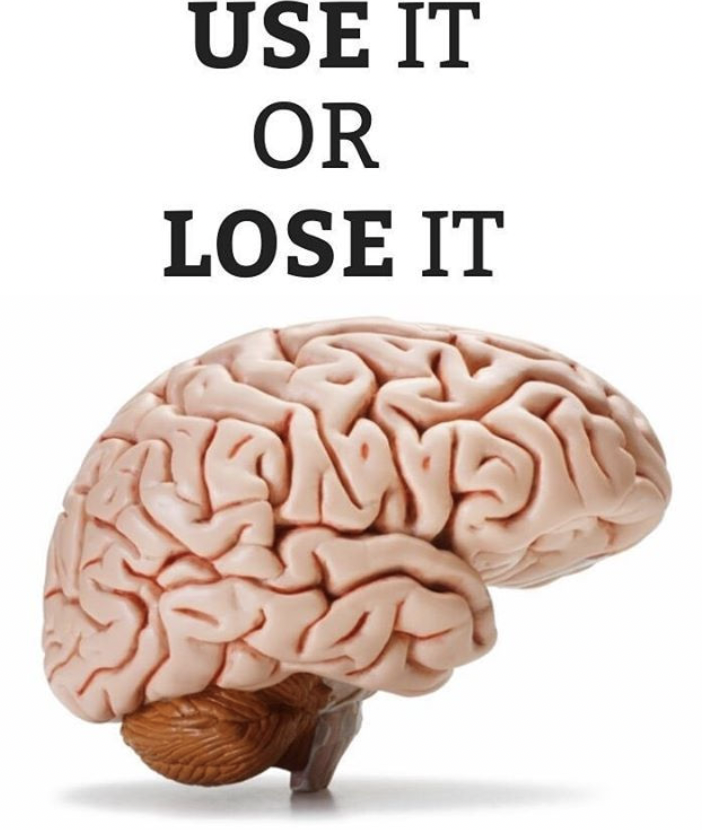
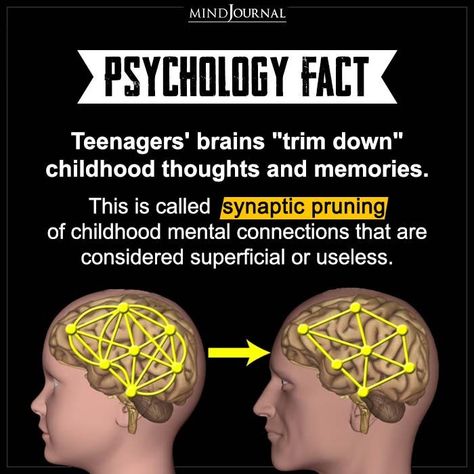
Similarly, the principle “use it or lose it” also holds true. Because there is such an infinitely overwhelming number of different pathways our brain cells can fire, most human beings tend to undergo a process of synaptic pruning. Essentially, “synaptic pruning” is just a fancy scientific way of saying “use it or lose it”
As we grow older, neural circuits that are not being actively engaged in performing tasks begin to degrade. Quite literally, this means if we do not use an area of our brain for a prolonged time, we will lose the function that was previously stored there.
The hope of so many psychological modalities lies in the neuroplasticity of the brain. Our saving grace lies in the fact that we can, with time and consistency, retrain our brains to think (and eventually, believe) differently. We have the power to wholly replace negative thought patterns with positive ones–literally, changing the very wiring of our brains.
That is some pretty powerful stuff.
If we have learned it, we can unlearn it.
Furthermore, we can also learn something else–something entirely new—something more conducive to our well being.
This is where cognitive restructuring can literally change our lives (if we let it).
Much like everything else, it takes a lot of practice and it takes times. Therefore, it is important to be gentle with ourselves throughout the process of rewiring our thinking. We didn’t just “think” ourselves into who we are overnight. By that same token, we cannot “outthink” ourselves into somebody new overnight either.
Tip #1- Challenge your thoughts by asking very basic, simple questions.
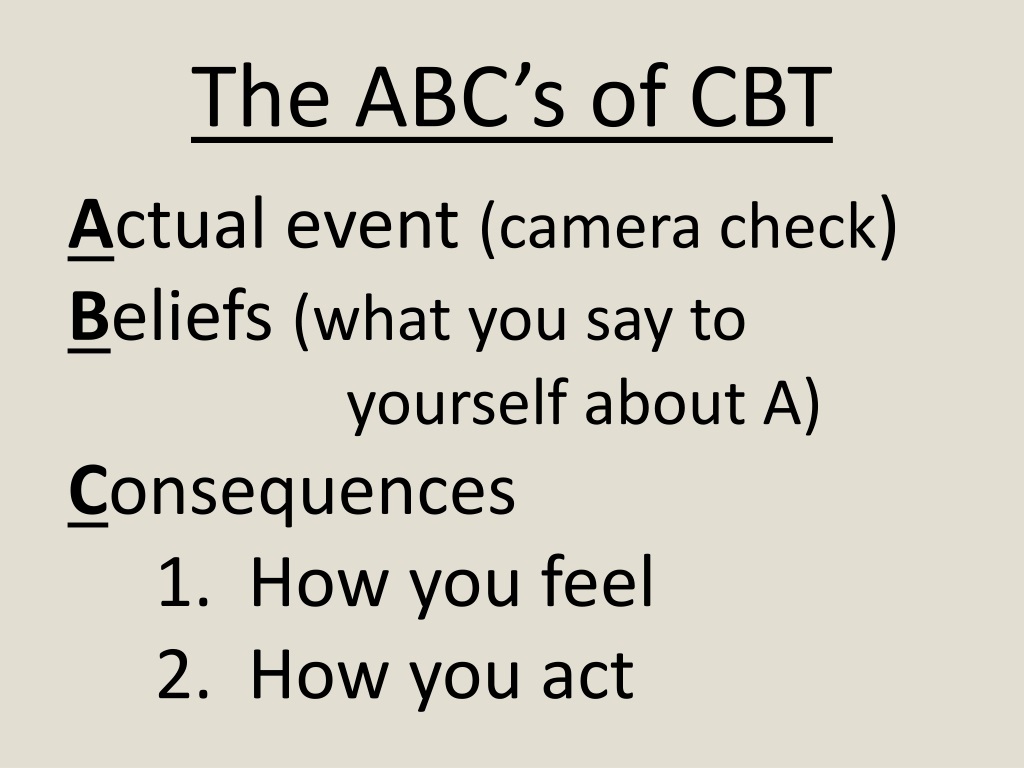
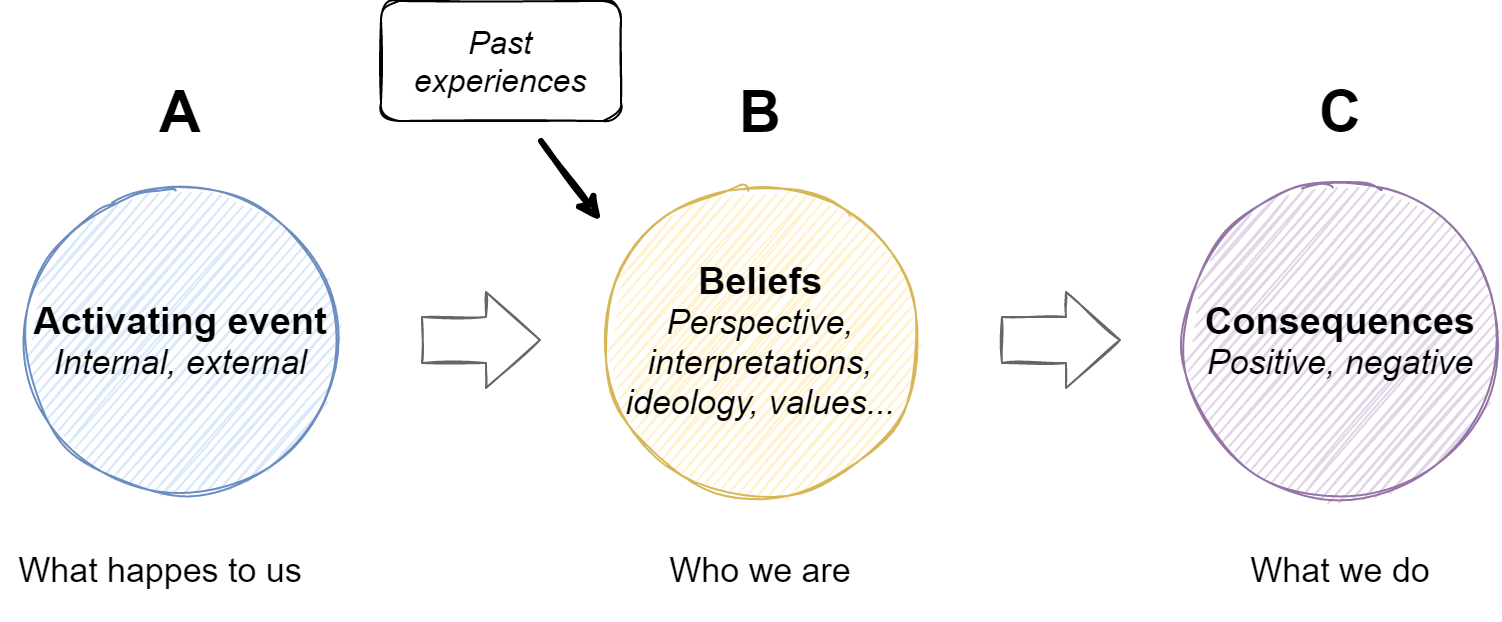
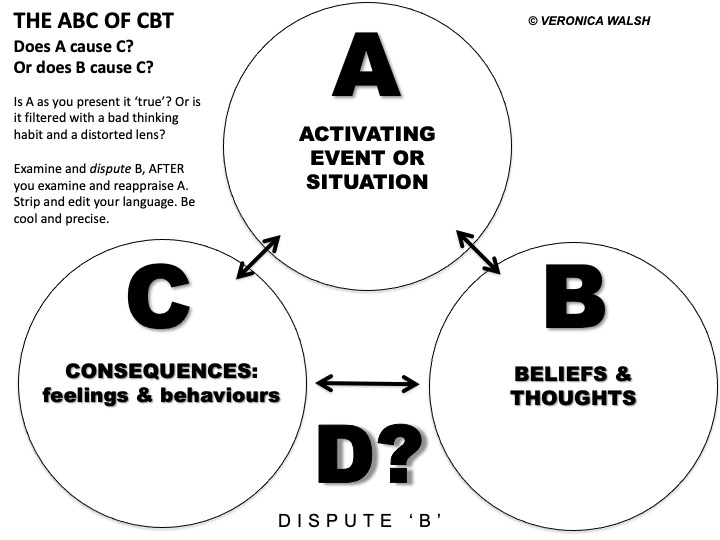
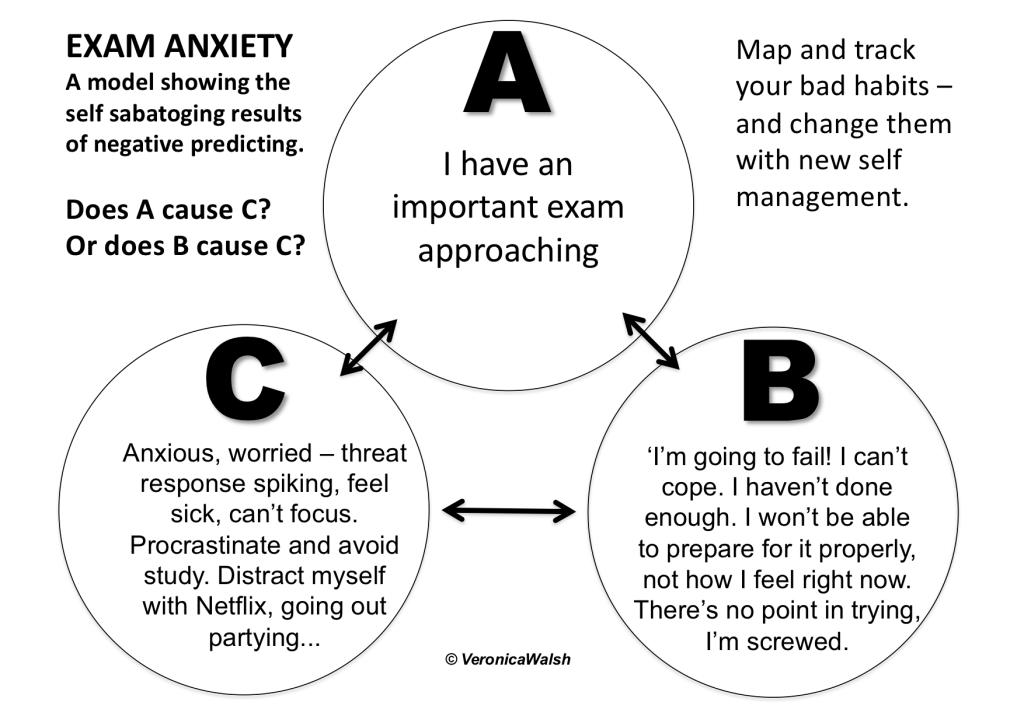
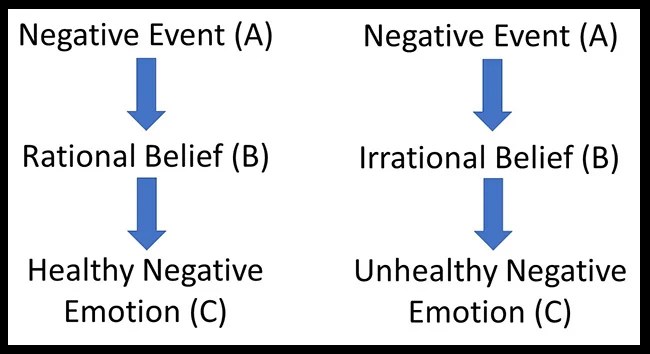
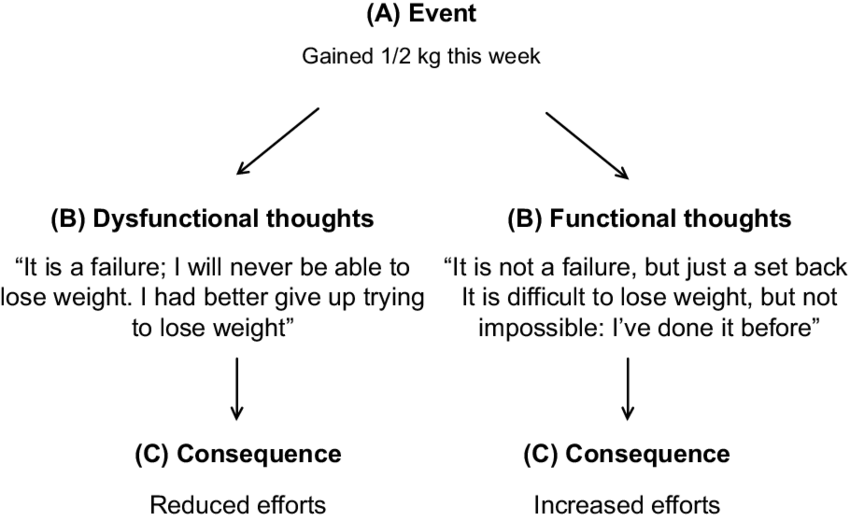
Tip #2- Use the ABC model to help slow down and track thoughts so that we can begin to change them.
What is an “ABC” Model?
The goal of conducting the ABC analysis is to truly get to our core beliefs that trigger our thoughts and feelings. Once we target what our core beliefs are, we can analyze them and figure out if they are based in reality and if they are helpful to us or not.
ABC models are most helpful when done on paper. There is something about writing things down that allows our brain to slow down processing and truly pause.
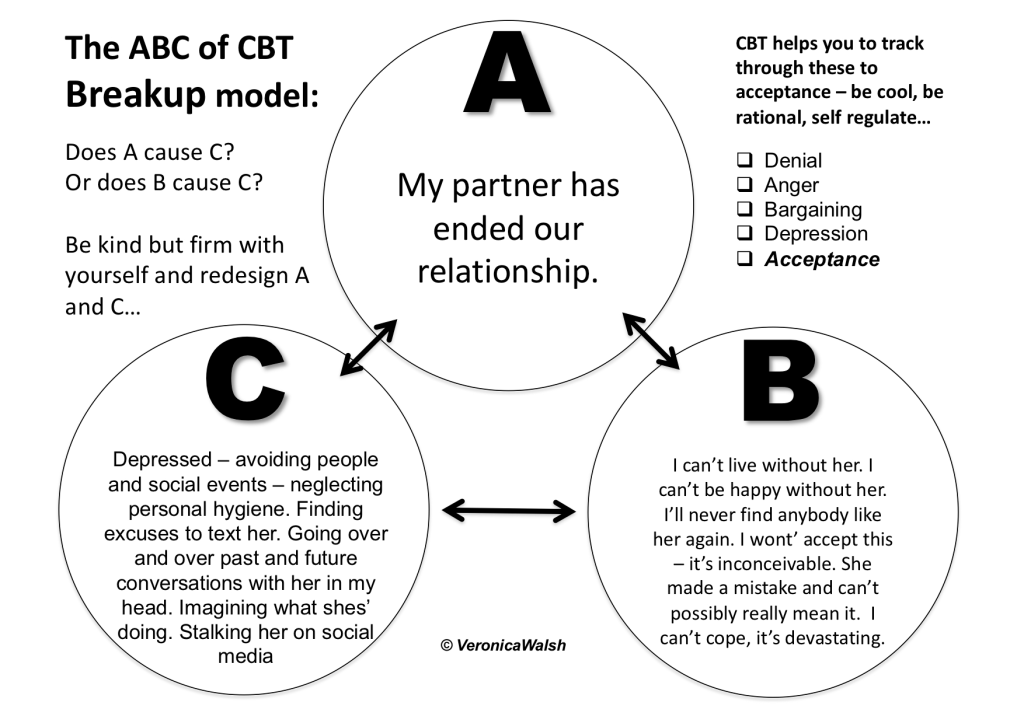
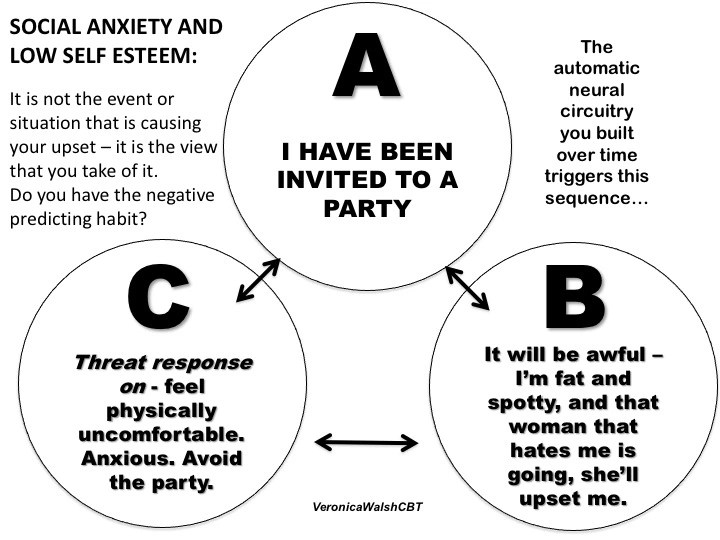
Examples of ABC models that have been done
Example 1: End of Relationship
Example 2: Social Anxiety
Example 3: Performance Anxiety
Tip #3- Use a “Behavior Chain Analysis” to monitor new and old behavior
The basic set-up for a chain analysis is as follows:
I encouraged all my clients to do at least two behavioral chain analyses. The first one should depict what would (continue to) happen in each of the categories if the core belief was left unchanged. The second one should ideally depict what would change in the respective categories if the core belief were to be challenged.
Example of Behavioral Chain Analysis utilized in CBT
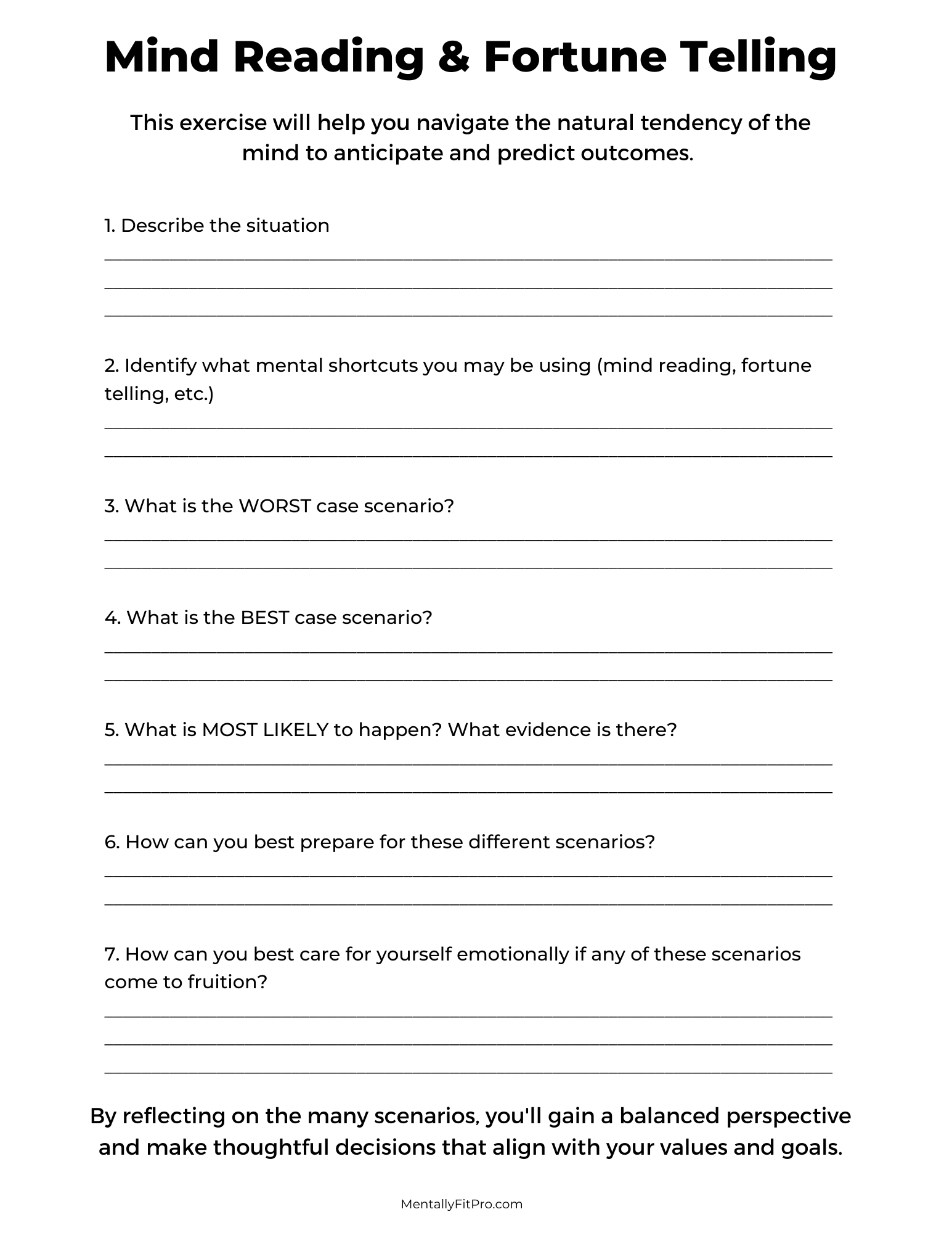
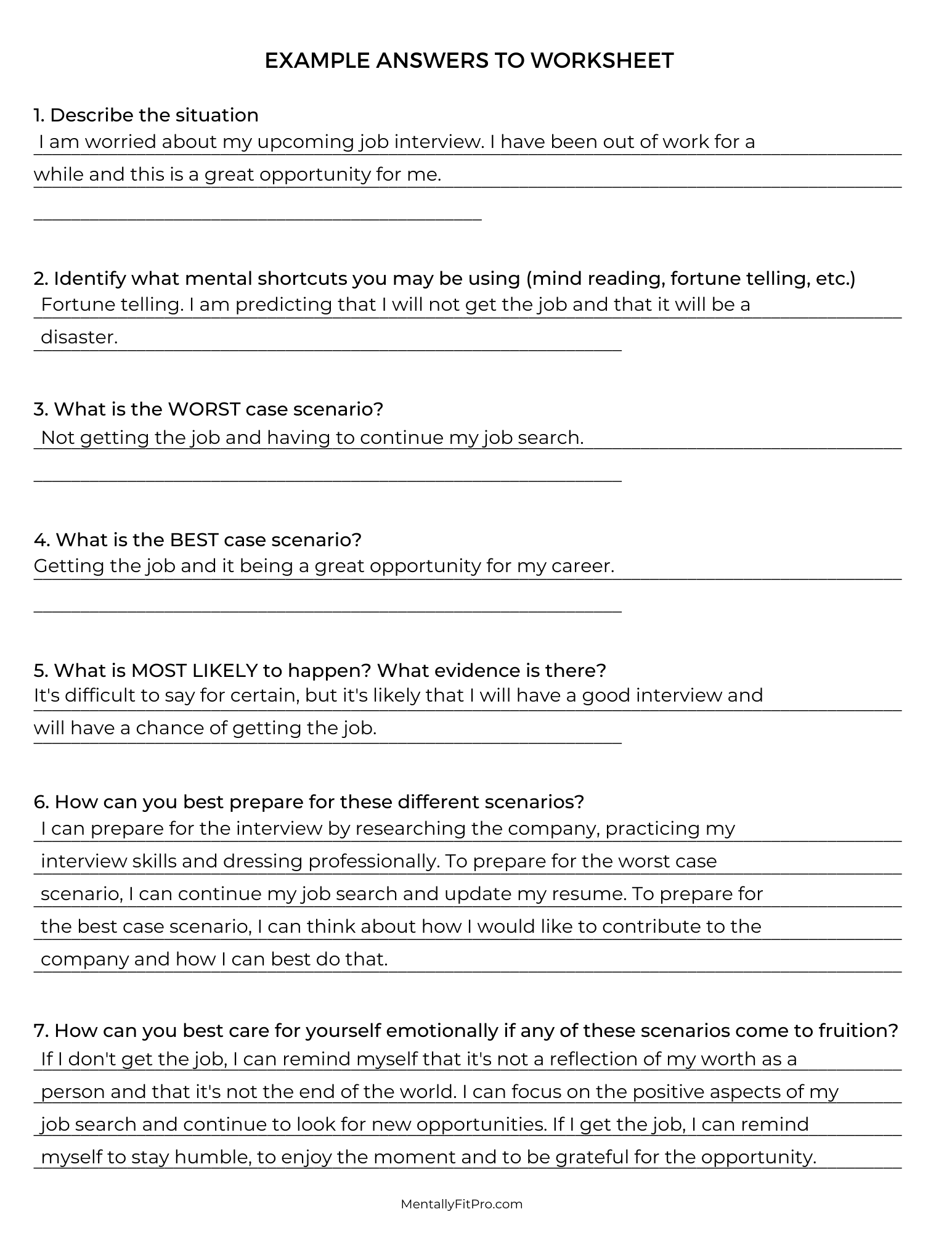
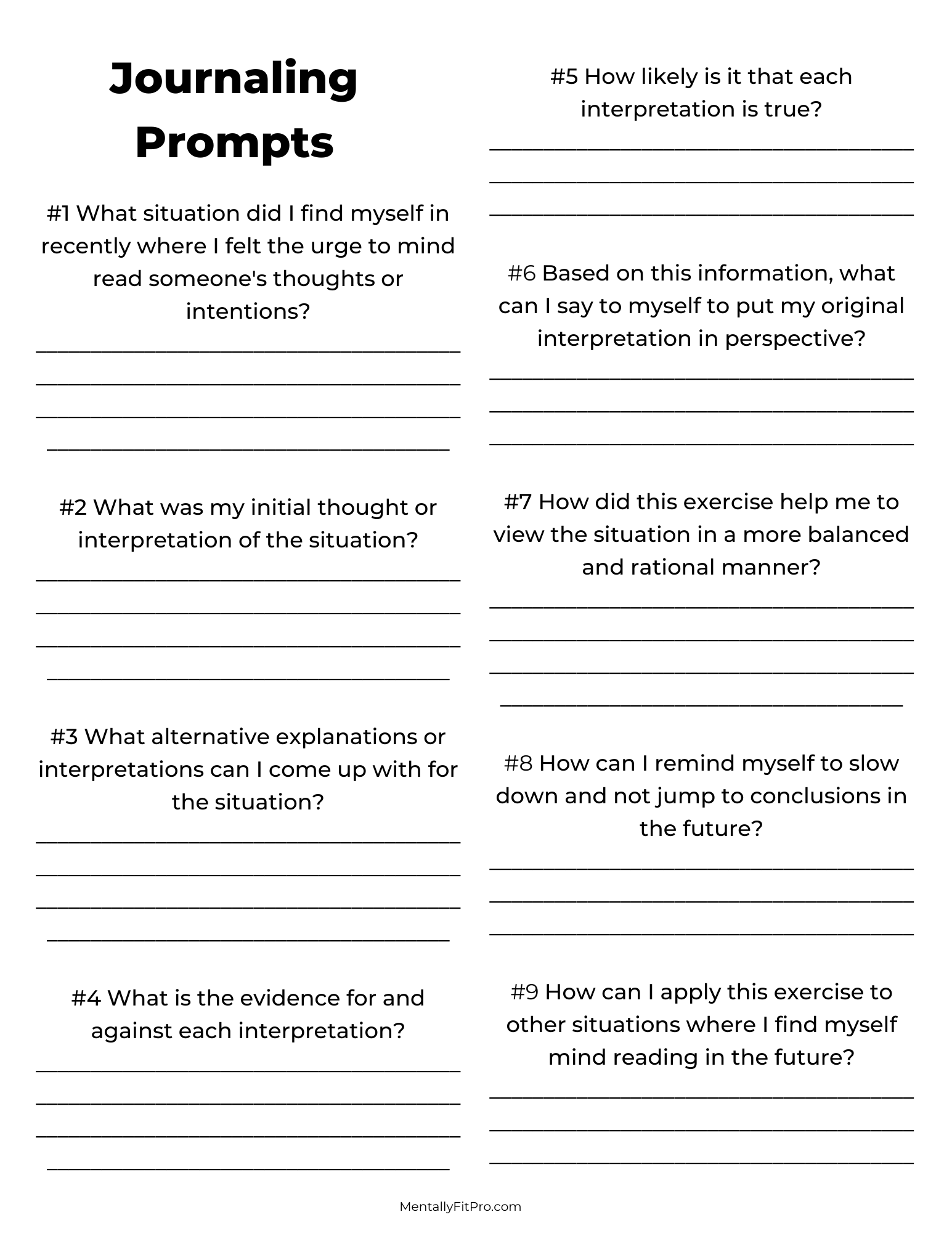
Tip #4- (If you really want to do some serious cognitive “soul searching)…try some DBT or CBT worksheets that help prompt you to examine your core beliefs.
For our purposes, I am going to upload a copy of worksheet that I have used and given others to use when I find myself jumping to conclusions, engaging in mind-reading or becoming my own self-anointed fortune teller.




 abidmaham