Tag Archives: lean

CARDIO: all you need to know!

bulk2

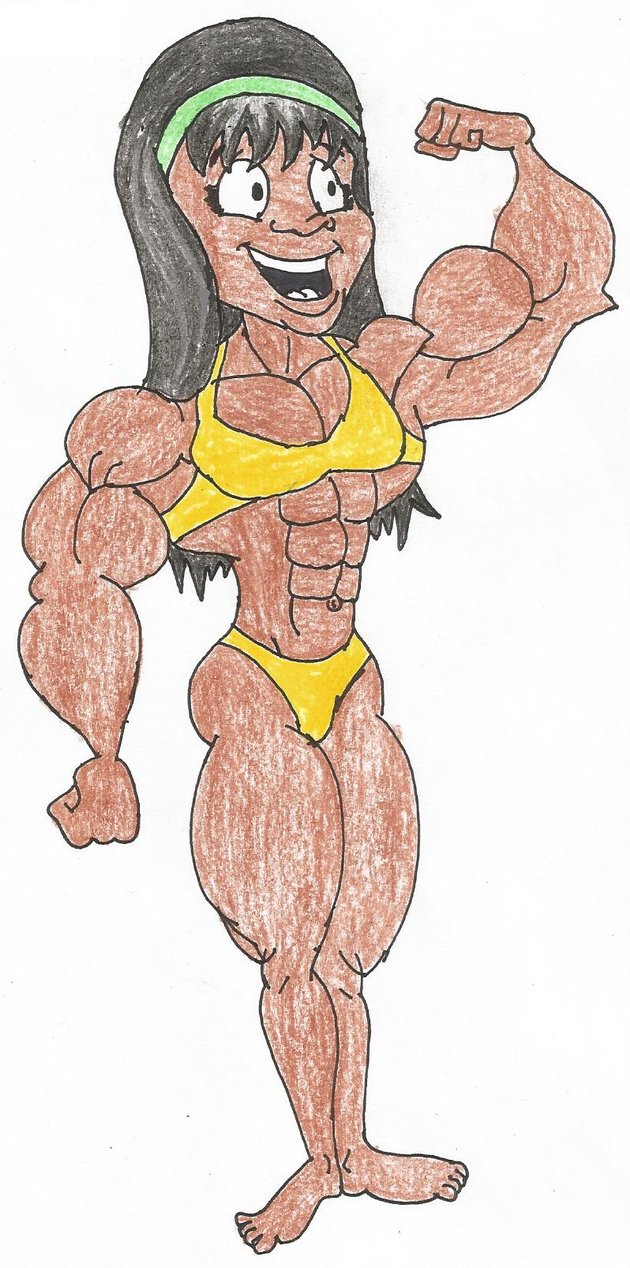
I have had numerous questions regarding which types of cardio to do, when to do it, how to do it, etc. But, the most FREQUENTLY ASKED question I have been asked is some form of the following:

Will cardio bulk me up/pack on excessive muscle in the legs/help me lose muscle/help me lose fat/help me lose weight?
bulk1

The answer is: yes and no. It depends.

Before getting into further discussion, please note that I am not a nutritionist or physical trainer. I do have a degree in biological sciences (pre-med track), so I can pull on from things I’ve learned regarding human muscular anatomy and physiology. 

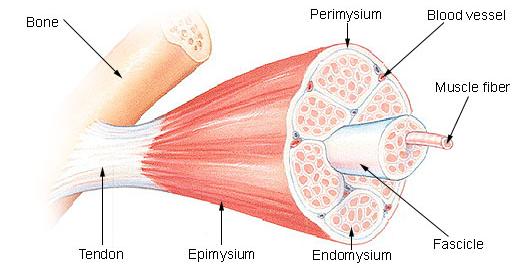
Alright, let’s first talk about what “bulk” is. When we talk about “bulking up”, we’re talking about gaining muscle. In human anatomy and physiology, we had several opportunities to observe cross-sections of muscles. What we found, in simple terms, is that there is far more to muscle than just protein. There is also water stored in muscles, as well as some carbohydrate (preserved in the form of glycogen).
bulk4

So, simply put:

 MUSCLE = protein + glycogen + water + other stuff.  

What does this mean in terms of muscle loss/muscle gain?

If you have just started doing low-moderate intensity cardio, and simultaneously reduced your caloric intake, you may notice changes in just a few weeks. HOWEVER, you are probably not losing true muscle, or the protein part of the muscle. You are losing the other stuff by depleting glycogen stores, and water. These can be easily restored once refeeding begins. Consequently, this weight loss is not permanent.

If you have been doing HIIT, sprints, and/or participating in a strength training regimen, and you find that you are rapidly “gaining” muscle, you are most likely not gaining true muscle. It is probably due to these two things:  1) water retention, as water can leak through microtears within the muscle fibers or 2) Inflammation.

In summary, true muscle (protein) loss/ gain takes closer to a month to few months 😉 

bulklast1

Alright, alright! So now onto some of the most common questions asked:

  1. What type of cardio do I do to lose muscle?
  2. What type of cardio do I do to keep my lean muscle but lose fat?
  3. What type of cardio do I do to lose errything?

Question #3

Alright, FIRST, lets start by answering the last question. In order to LOSE anything, you need to have a caloric deficit. This means, that you should be consuming less than you are burning. The caloric deficit can be small-large. It can also be created via exercise alone, and diet alone, however, the largest deficits are created through a combination of exercise and watchfulness in diet. That is why they say that weight loss is most effective when you eat less, and exercise more.

Calories In – Calories Out = -(number) for weight loss.

In terms of losing “things”, our body loses both fat and muscle when we are on a caloric deficit. We cannot exclusively choose losses from one or the other; I’m sorry but anyone that tells you otherwise needs to take a basic physiology/anatomy course. Combined with a deficit, there ARE, however, certain forms of exercises that promote fat loss while maintaining muscle mass. There are also certain forms of exercise that promote an overall weight loss (both fat and muscle).
the only type of "spot training" that exists is on dalmations ;)
the only type of “spot training” that exists is on dalmations 😉

Question #2 

The answer to this question is going to be the most confusing, so please read closely! You want to keep your lean muscle mass, but you want to lose fat?
bulk3

If you read the answer to the question before, you will know that it is not possible to lose ONLY fat. There will be muscle loss, but there are ways to minimize it. In another words, there are certain exercises that help preserve muscle mass, while allowing for fat loss.

Let’s begin by talking about the makeup of the muscle. I’m sure that most of you have probably heard the terms Type I and Type II fibers. Our muscles are made up of certain ratios of both types of fibers. 
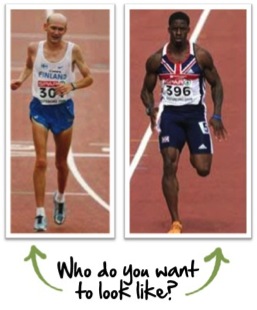
I think both bodies, and all bodies are beautiful. It really is up to personal preference.

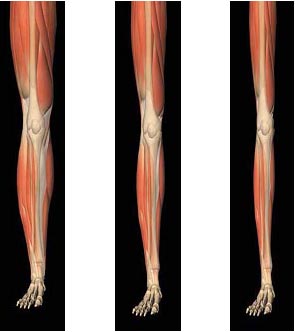
Type 1 Fibers (Left)

Type 1 fibers are called “slow-twitch” fibers. These fibers contain more mitochondria than the Type II ones. They produce energy for us to do our workouts by a process known as oxidative phosphorylation. What does this mean? Basically, it means that these types of fibers NEED a consistent stream of OXYGEN in order to efficiently provide energy for movement.

Aerobic = presence of oxygen

These are the types of fibers we use when we are, let’s say, standing up for long periods of time, when we are walking in a park for an hour, when we are moving around the house etc. These fibers are fatigue resistant because there is tons of oxygen present for them to utilize. When we train these types of fibers, we gain stamina and endurance WITHOUT necessarily gaining the size. (esthetically petite look, the picture on the left)  

So what does this mean in terms of exercises? Low-moderate intensity cardio such as walking, jogging, and doing the elliptical trainer promotes the growth of these types of slow-twitch fibers. Because doing these types of exercises is not as strenuous on the body, you are not huffing and puffing for air, and you are not out of breath. If you are not out of breath, there should be more or less, a steady stream of oxygen going in through your nose, and eventually through your blood stream allowing the oxygen to be utilized in producing energy for movement.

Type II fibers (right)

Type II fibers are called fast twitch fibers. These are the ones that do not contain nearly as many mitochondria as the Type I’s. Because they don’t possess as many mitochondria, they do not utilize as much oxygen for producing movement. These types of fibers are able to produce energy WITHOUT using oxygen.

Anaerobic = without oxygen 

But don’t we need oxygen to live? Um yes. So how long do you think you can train these muscles without oxygen? NOT LONG. They produce short-duration contractions because they cannot sustain activity without oxygen forever. They also fatigue easily because they are being forced to contract in the presence of LITTLE oxygen. Think rapid JUMPING movements and body-builder strength training. These get you out of breath really fast, and you are dead tired after a few reps.  When we train these types of fibers, while

  • eating at maintenance (calories in = calories out): we are more likely to preserve lean mass and have some fat loss.
  • eating at a surplus (calories in > calories out): we are likely to gain strength and size in mass.
  • eating at a deficit (calories in < calories out) : we are likely to get injured!   

So, in short, if you are WANTING to preserve or gain lean muscle mass, and enhance fat loss, you should try HIIT. 

High intensity interval training or HIIT for short, is a great way to add cardio into your routine and not spend 30 minutes-hours at the gym. The main goal of HIIT is to give you the benefits of traditional cardio without sacrificing muscle mass. Studies have shown an increase in anaerobic activity using HIIT when compared to traditional steady state cardio.

Remember anaerobic = without oxygen = activate Type II fibers = are responsible for gains in muscle mass, in the presence of a caloric surplus, and are responsible for muscle MAINTENANCE, in the presence of caloric maintenance.

Link to the study: http://www.ncbi.nlm.nih.gov/pubmed/16541371

To maximize muscle growth, exercise must stimulate fast-twitch fibers (picture on the right). 

bulk8

Question #1

What about if you have put on more muscle than you like, and  would like to reduce muscle size? I’m going to really emphasize this point again. We cannot “lose muscle” only. We lose weight.

Weight = water + organs + muscle + bones + fat + blood + inflammation + wastes

So, the better question is “How can we MAXIMIZE muscle loss?”
bulk7

Well, lets go back to what we were talking about at the beginning of this blog post.

 MUSCLE = protein + glycogen + water + other stuff.  

So, it takes TIME (months) to lose TRUE MUSCLE (ie; the protein part). The first few drops on the scale are flukes because they are losses in glycogen/water/other stuff. These can easily be restored. Now, in order to lose muscle, we need to reduce strength training, and INCREASE long duration low-moderate intensity cardio!

It is VERY very VERY hard for our bodies to lose muscle. They do not want to do this naturally, and that is why it is so essential that we do LONG DURATION cardio (30-45 minutes, 4-5x a week).

When we aredoing aerobic cardio (in the presence of oxygen), we first burn through the local carbohydrate stores (the glycogen part of the muscle). Only AFTER these stores are depleted, do we start to burn some of the true muscle, or protein. The liver begins to release glucose into the blood stream for the muscles to burn through. It takes the average person about 2 HOURS OF exercise to reach a state of total glycogen depletion.

Yeah. That’s a long time. Do you have time to spend two hours at the gym a day? Yeah. Me neither. That is why having a caloric deficit is SO important! it is very tough to lose muscle through changes in excercise alone.
bulk9

If you are trying to lose muscle, I recommend doing moderate intensity excercise instead of low intensity, because it burns more calories (ie; uses MORE of the energy that the body would use to build muscle, in the first place). This could include jogging elliptical trainer and a cycle (without incline or resistance). Jump roping is good, however, it has to be done for greater than 20 minutes. I personally recommend  a combo of these excercises. 

Screenshot_2014-07-12-00-12-29-1

I want to end this blog post with something that I found helpful. A study found that if we took two people, one with high levels of body fat, and one with low levels of body fat, and fed them the same low-calorie diet, a greater proportion of the total weight lost in the leaner individual would come from muscle!! So the leaner you are, the more muscle you will lose as weight.

Citation: Hall KD. (2008). What is the required energy deficit per unit weight loss? International Journal of Obesity, 32, 573-576

I hope that this clarifies some of your confusion regarding the relationship between cardio and muscle gain/loss. ❤ Overall, I recommend that everyone performs some sort of cardio most days of the week, because it has great health benefits ❤
bulklast

Kayla Itsines BBG: Slimming bulky legs

quote

As most of you know, I completed Kayla Itsines’ Bikini Body Guide program. I’ve gotten tons of direct messages, as well as questions embedded in comments regarding my sentiments on the guide. Do I recommend it?

Schermafbeelding 2014-04-20 om 22.04.56

In short, the answer is YES. I do. It is a wonderful guide that includes tons of new innovative fitness ideas. I can easily say that my approach towards fitness has been changed forever, because of it.

So, the million dollar question: how did my body change?

Well first,  I did take pictures along my journey, however the reason you haven’t seen these progress photos is because it is against my religion to show my bare stomach/legs. I can tell you that after completing the guide, I had more tone in my arms, abs and back than I have ever had in my entire life. The muscle tone I’m referring to is the lean, petite, defined look, as opposed to the bulky muscular look.

I truly think that when Kayla released her guides, she called them a “GUIDE” for a reason. It is simply a set of her recommendations that could be helpful in attaining a certain body type. HOWEVER, YOU HAVE TO LISTEN TO YOUR OWN BODY, because it should be the primary reference and teacher in showing you whether or not something is working. So although, I recommend the guide, I do NOT recommend it as a replacement for trust in your body and your own experience.

quote2

This leads me to talk about something so many of you have questioned me about: slimming down muscular legs. A few weeks into her guide, I found that my thighs/quads were gaining more muscle than I preferred. So, I tweaked a few details, to help reshape my legs to the way I desire.

I have to say this one more time! I don’t think that Kayla’s intent for creating the guide was to provide a “foolproof” way to get the body you want; there is no ONE way that can work for every single girl in the world. Her guides are lavished with helpful guidelines and tidbits of knowledge, so please don’t doubt the validity of your own experience with another’s suggestions–not even mine!

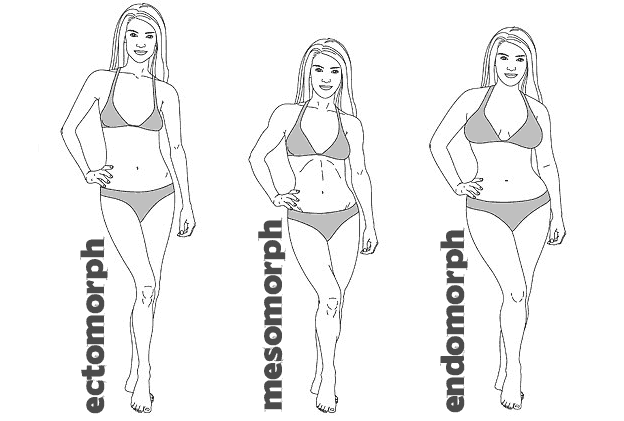
In my journey, I discovered that I’m an ecto/mesomorph breed, which means I tend to pack on muscle like no tomorrow. I can see it, and I can feel it. This works in my favor when it comes to abs/arms and back definition. However, my legs tend to become disproportionately bulky. What do I mean by that? Well, my calves/lower half of my legs do not budge in size, whereas the upper half of my legs start bulking, and it looks a little strange to me haha.

quote3

A few blog posts ago, I gave you general tips regarding slimming bulky legs. But so many of you have been questioning me about how to incorporate these tips into Kayla’s guide. In short, the question seems to be: what types of changes did I make to ensure my leg size did not increase while I was doing Kayla’s guide? 

Now, as far as the SPECIFIC guide…

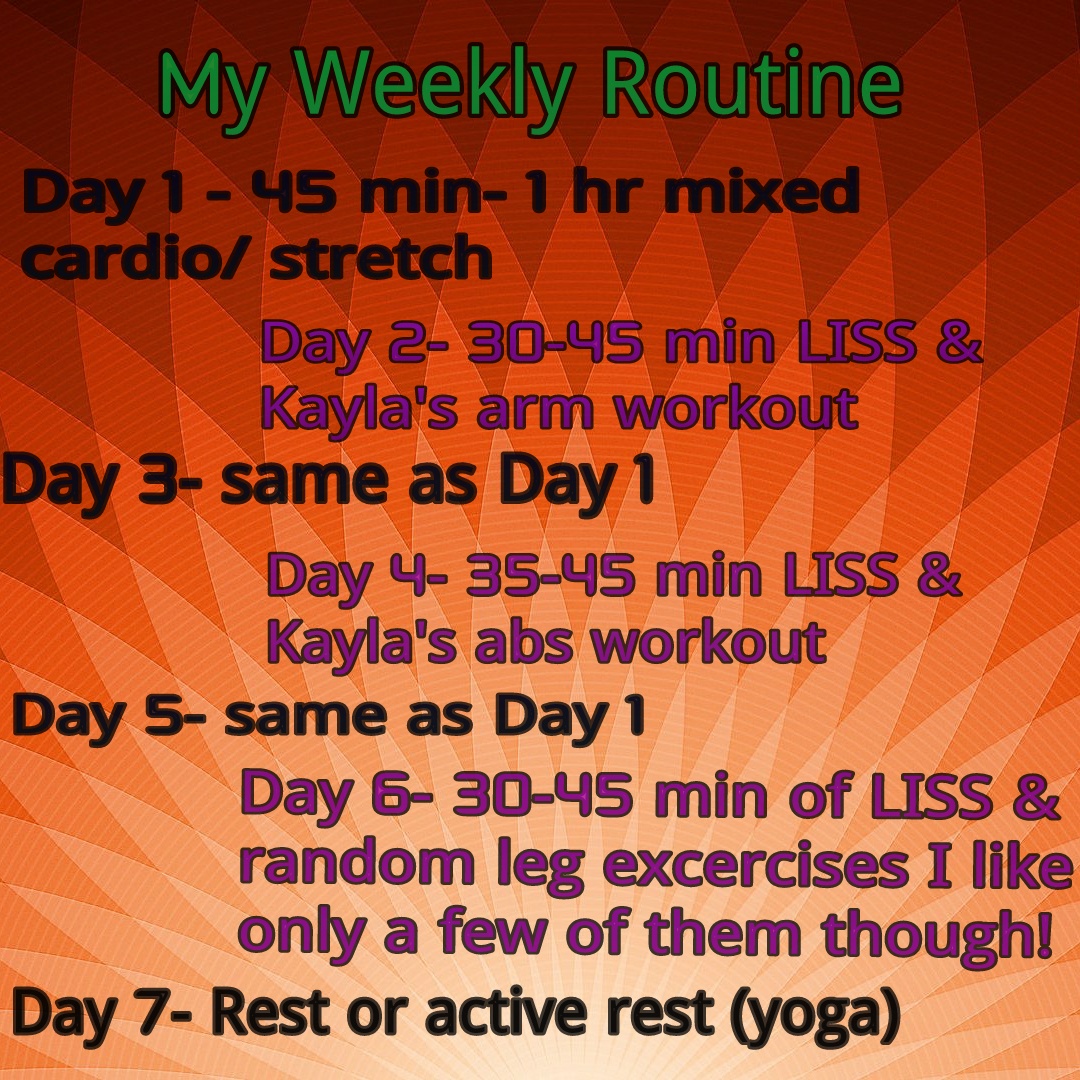
On M,W,F

  • AM: I’ll do LISS in the morning (power-walking) for 45-60 minutes.
  • PM: I’ll do the desginated workout from Kayla’s guide

On T, Th

  • AM: I’ll do moderate intensity cardio (jogging/ellipitcal) for 30-45 minutes.
  • PM: I will stretch or do vinyasa flow yoga for an hour.

Saturdays: LISS only

Sunday: Rest day

IMG_20140712_010231

FIRST AND FOREMOST, I had to incorporate more LISS-MISS to for longer bouts of time. Why? Because the only time that there may ever a need for your body to turn to your muscles for fuel is in the late stages of extreme endurance running. When glycogen or carbohydrate stores are depleted, your body will turn to the only fuel source left — amino acid proteins in your skeletal muscles. Only then, will it turn these into glucose for fuel.

So please note that losing muscle is HARD. Our bodies do not, naturally, want to do this. So  be patient with yourself during this process.

An example of my favorite/most effective workouts that I did on Tuesdays and Thursdays is this one:  I would start by jogging at 5 mph on a treadmill. I would then increase the spped in increments of 0.3 mph every minute. So, each proceeding minute, I would jog at 5.3 mph, 5.6 mph, 5.9 mph, etc. I would continue doing this for a total of 5 minutes.

Minute 1: 5.0 mph

Minute 2: 5.3 mph

Minute 3: 5.6 mph

Minute 4: 5.9 mph

Minute 5: 6.2 mph

Once I reached 6.2 mph, I would start coming back down in 1 minute increments. So…

Minute 6: 6.2 mph

Minute 7: 5.9 mph

Minute 8: 5.6 mph

Minute 9: 5.3 mph

Minute 10: 5.0 mph

I would keep repeating this circuit for a total of 30-45 minutes.

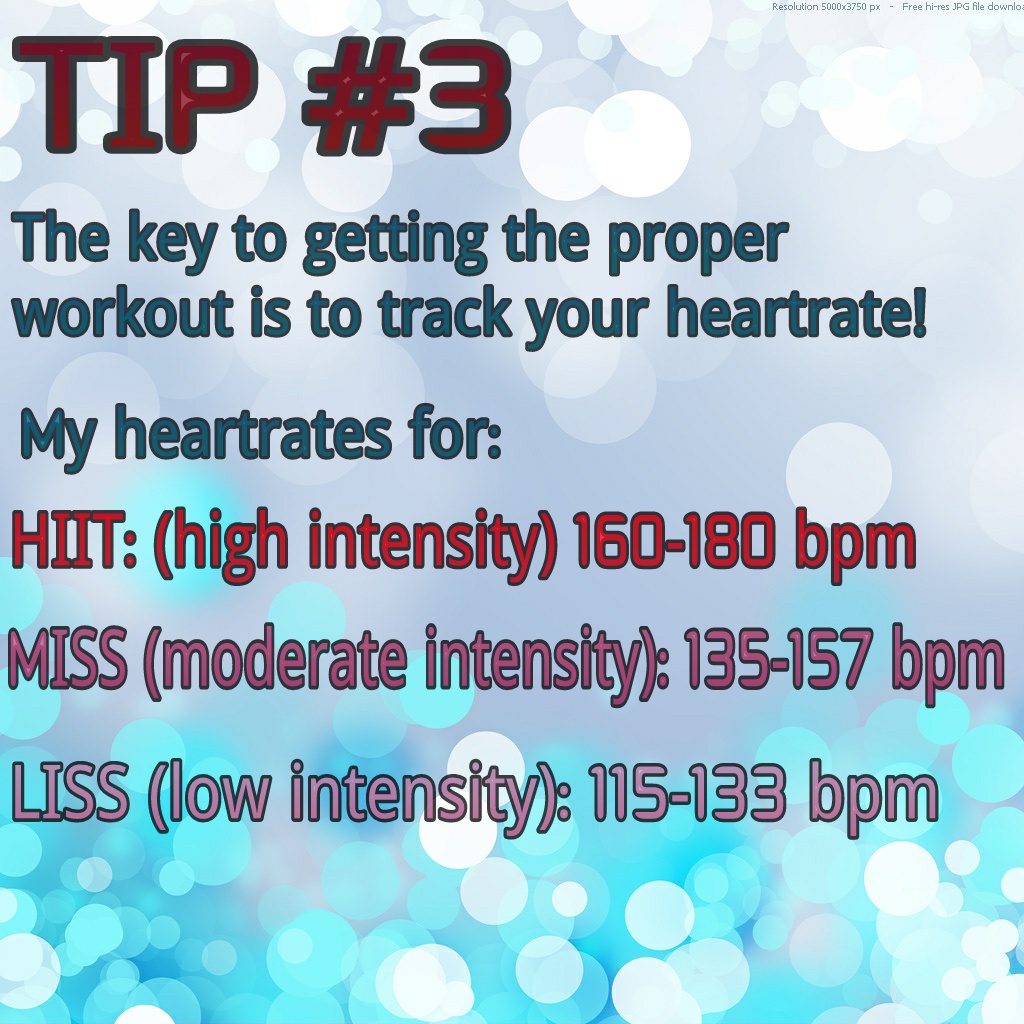
This is ONE example of training at a moderate-high intensity. Remember, in order to train at a moderate intensity, you must determine your heart rate training zones. Working at a “low” or “mod” or “high” intensity is not defined by the specific workout you do. It’s defined by how “hard” your heart has to work to maintain the workout. I could simply be doing the elliptical for 30 minutes at a speed of 9.0 mph and this would still constitute as moderate intensity training for me, as my heart rate falls in between the moderate training zones.

IMG_20140711_221412

I also incorporated yoga into my regimen. I cannot emphasize how much yoga helped with elongating contracted muscles! It’s counterintuitive because it’s generally a low impact/low intensity activity, and consequently, does not burn as many calories. However, it has really worked wonders for helping me stay lean and long.

Screenshot_2014-07-26-03-21-55-1

Now, as far as the specific “LEG day” circuit, I made a few adjustments

  1. I only did 1 round of the entire circuit! So I did Circuit 1, and Circuit 2. Each circuit is 7 minutes, so I only did 14 total minutes, and stopped. I did NOT repeat both circuits a second time around. Instead, what I did were these excercises: 
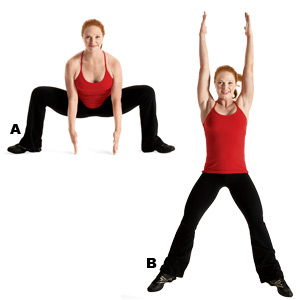
  2. I replaced all weighted squats/weighted lunges. Whenever the guide instructed me to do jump squats/weighted squats, i would turn them into plie jump squats. plies
  3. Whenever the guide instructed me to do weighted lunges/jump lunges, I would replace them with the lunges shown in this video. Please fast forward to 5:26 to watch the move! 
  4. NOTE: if you find that your legs are still remaining “bulky” even with the above-mentioned replacements, start replacing those exercises high intensity full-body plyometric movements. This way, you are incorporating more of the entire body and therefore, no longer targeting quads and hams. Some replacements you can try include:  jumping jacks, star jumps, plank jacks, skaters, tuck jumps, hurdles, leap frogs, 180 jumps etc. Here is a video of common plyometric exercises you can browse through and choose: 

In summary, the above-mentioned recommendations are what helped me return less muscular-looking legs. You know the famous saying: “if you don’t use it, you lose it.” Well, remember it and use it to your favor. If you’re not using the muscle, while eating at a deficit, you WILL start losing muscle (the time it takes each person varies, but I promise you, that it will occur). The reason I made these replacements is because I did not want to target the leg muscles. Full-body plyo movements cause power to be generated across a larger surface area, and therefore allow the entire body to become more evenly engaged. Whereas, squatting and doing lunges unevenly distribute power to target the legs. Think about it, if someone is doing lunges and squats in the “proper form”, their upper body is as close to still as possible. As mesomorph ladies trying to lose muscle, we do not want to overwork our leg muscles, causing them to hypertrophy.

yehwala


Bend ‘n stretch!

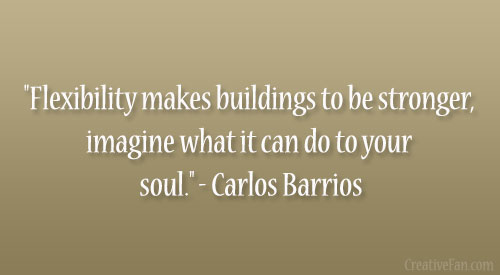
Lets talk stretching. So many poses. So many stretches. Ya’ll have probably heard the importance of stretching in injury prevention, and in elongation of tight muscles. So, I won’t bore you with information you already know, but I do have to say this: PLEASE PLEASE PLEASE TAKE TIME TO STRETCH! 

carlos-barrios-quote

I use my legs quite a lot, as the workouts I do are either a)cardio, or b) high intensity plyometric movements (AKA lots of jumping). Consequently, most of my stretches are centered around….tada…my legs!

In my workouts, I usually stretch twice. The first time around, I stretch after doing some light cardio (5 min walk/jog to warm up). I also stretch after finishing my workout. When I’m stretching, I hold each pose for about 30-45 seconds! You should feel a slight pull, and some healthy tension. This is good, as it may be indicative of you increasing your flexibility.

However, it should not HURT or ache in any manner. Please be careful. Don’t go pulling your pretty little muscles!

Without further delay, here are some of my favorite stretches!

Screenshot_2014-08-04-14-56-22-1

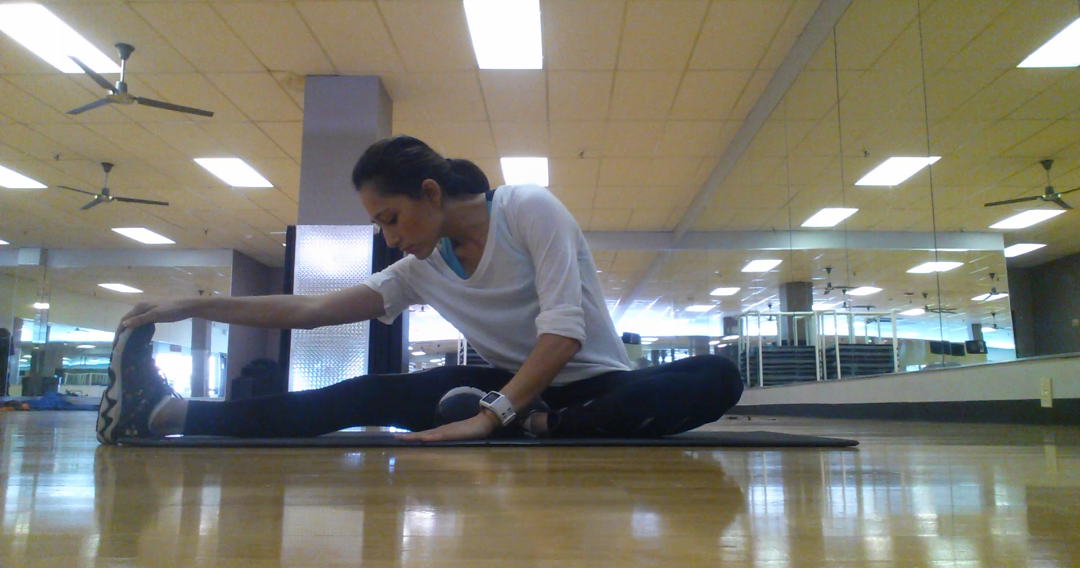
This is your basic reach. I repeat this with each leg, and I finish with putting both legs together, and touching my toes!

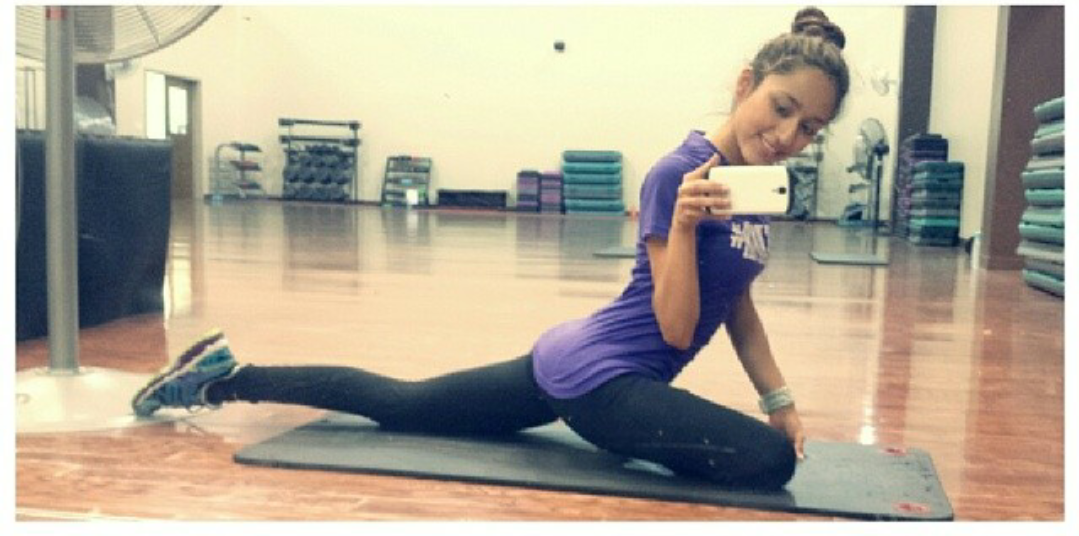
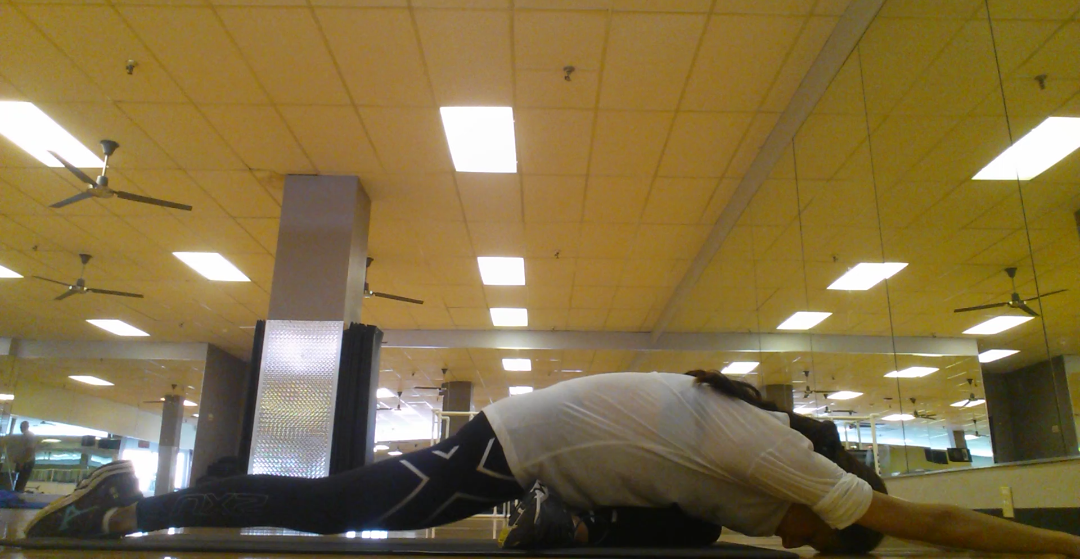
Screenshot_2014-08-04-15-02-28-1This is the pigeon-pose. I cross one leg underneath my tummy, and stretch long with the other one. Repeat on the other side.

Screenshot_2014-08-04-15-03-32-1

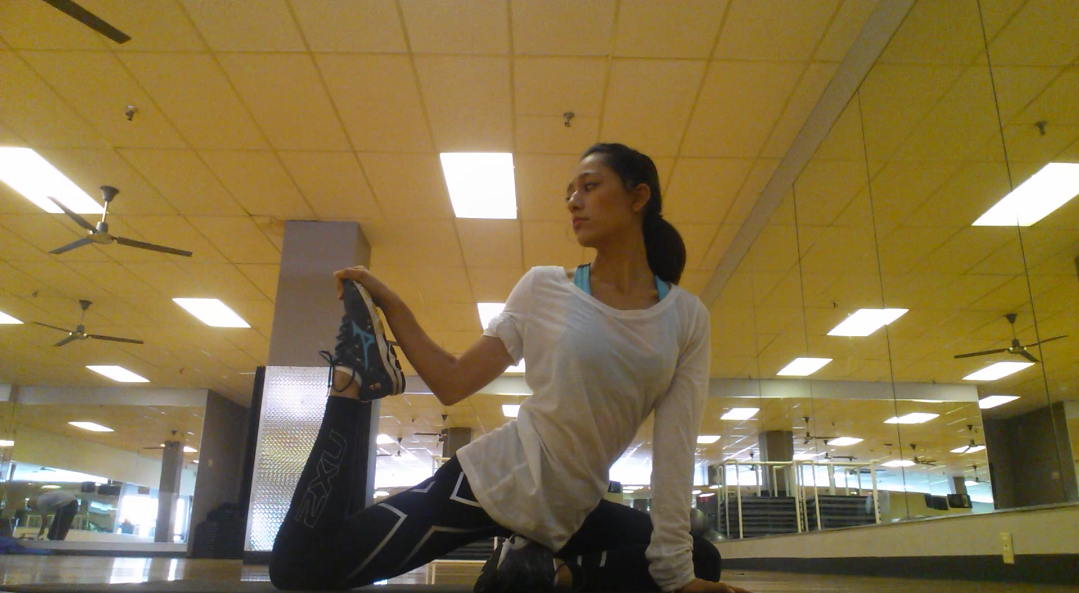
Hey guess what? You can also get an awesome quad stretch by altering the pigeon pose just a little bit! Yay!

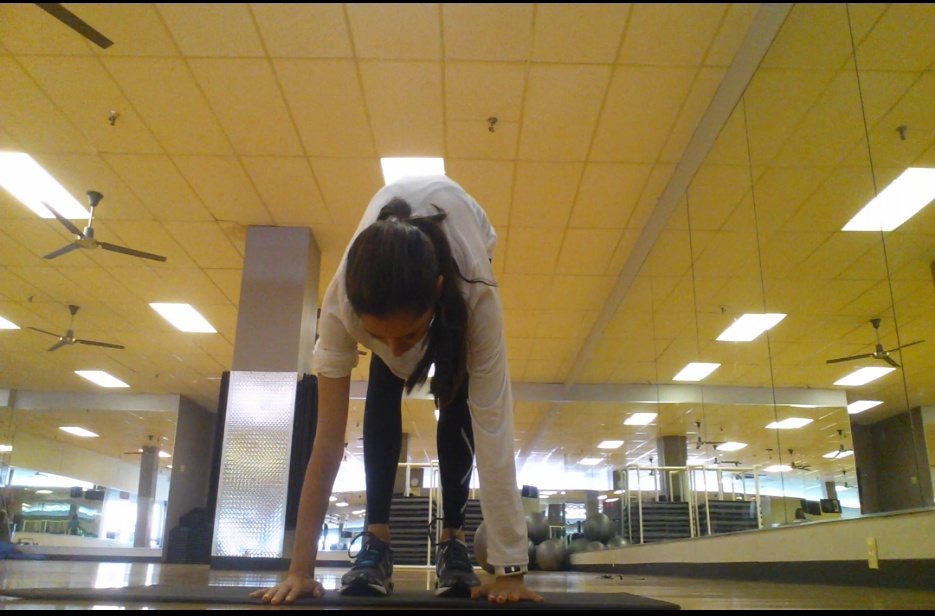
IMG_20140804_161043This is a modified version of the basic reach again. Since you’re positioned vertically, this time around, it’s really working the backside of your legs!

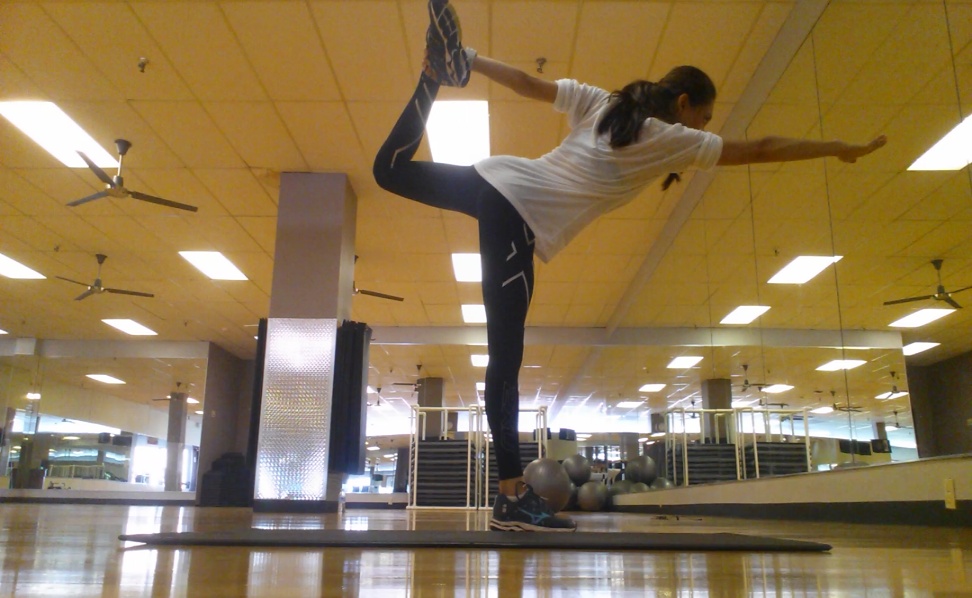
IMG_20140804_161455Dancer’s pose ❤ Great for an overall leg stretch!

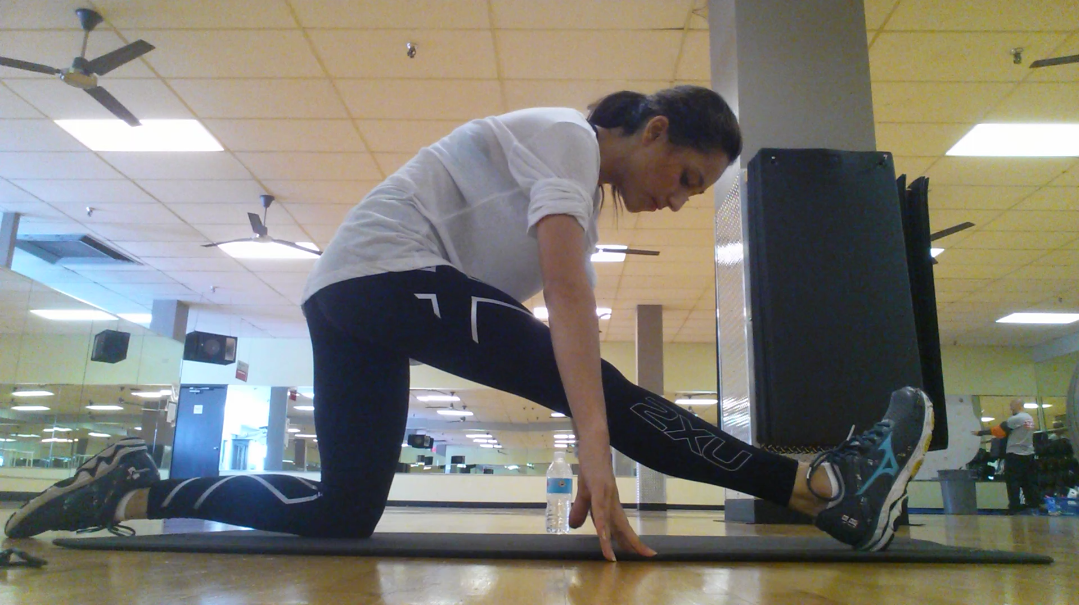
Screenshot_2014-08-04-14-46-57-1Modified lunge!

Screenshot_2014-08-04-14-51-34-1

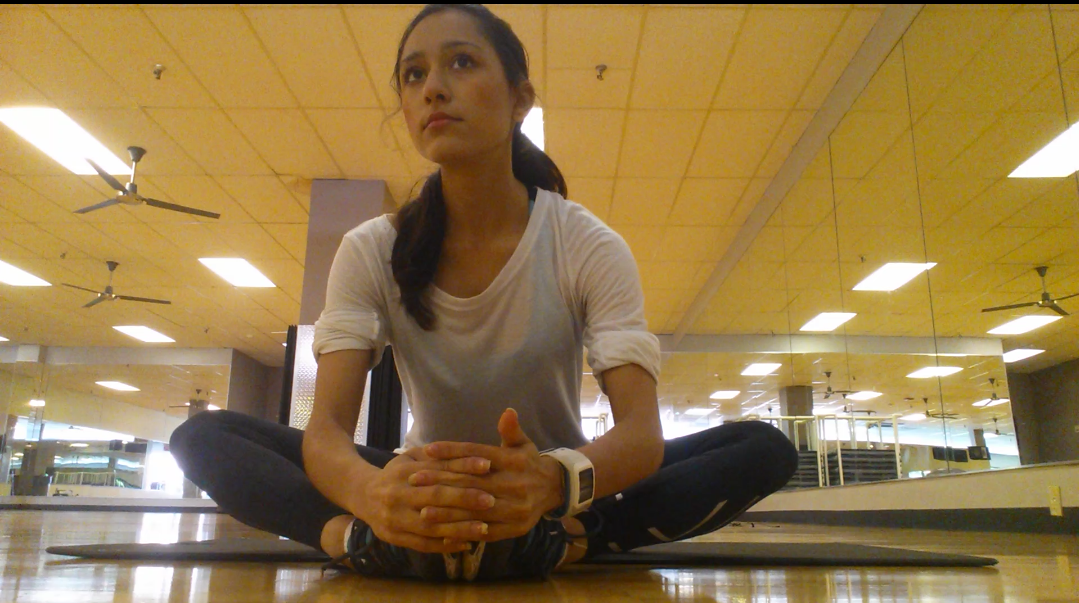
The butterfly pose! This is a great inner-thigh stretch! Just hold both feet together, and push your tummy closer to your thighs. Most people do this stretch ineffectively, as they want to get their foreheads to touch their toes. I did this too, until my yoga instructor told me otherwise! The best way to stretch the inner thigh or adductor muscles is to lean your hips/lower tummy towards your thighs. This way, your back remains straight, and unrounded.

Screenshot_2014-08-04-14-55-51-1

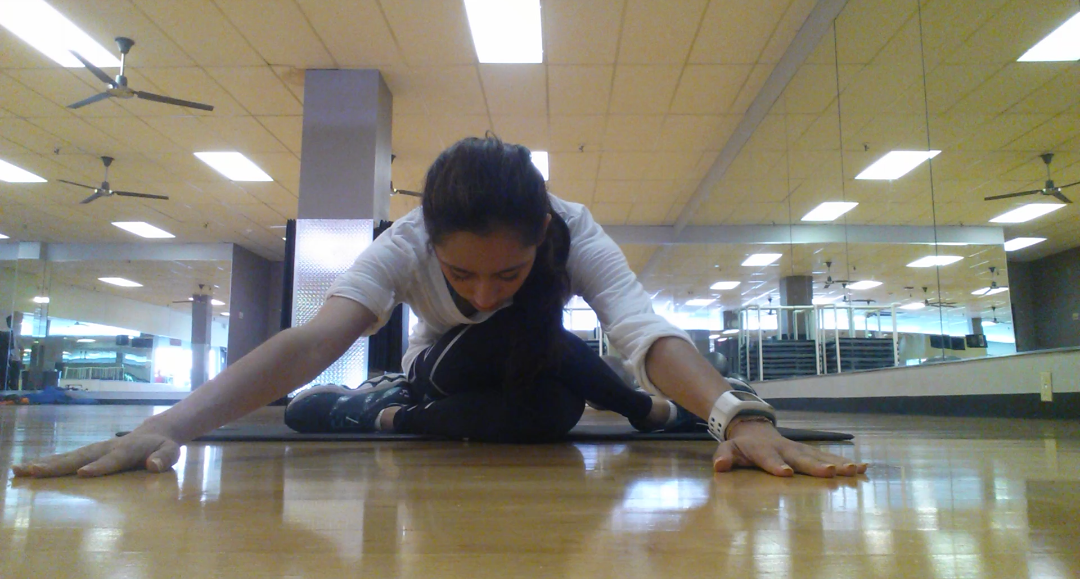
This one is great for the hip flexors!!!!! I discovered it recently and I fell in love with it! Cross one leg over the other. Make sure that both of your sit-bones are touching the ground! Now reach as far as you can. You should feel the best kind of pinch in the back of your hip. Bahh. is it obvious that I’m kinda sorta obsessed with this one? And, on the plus side, I feel like a cat doing this pose.

Yay! Now go stretch!

Seriously.

Go. Your muscles will give you little kisses.

Kitten-Forehead-Kiss


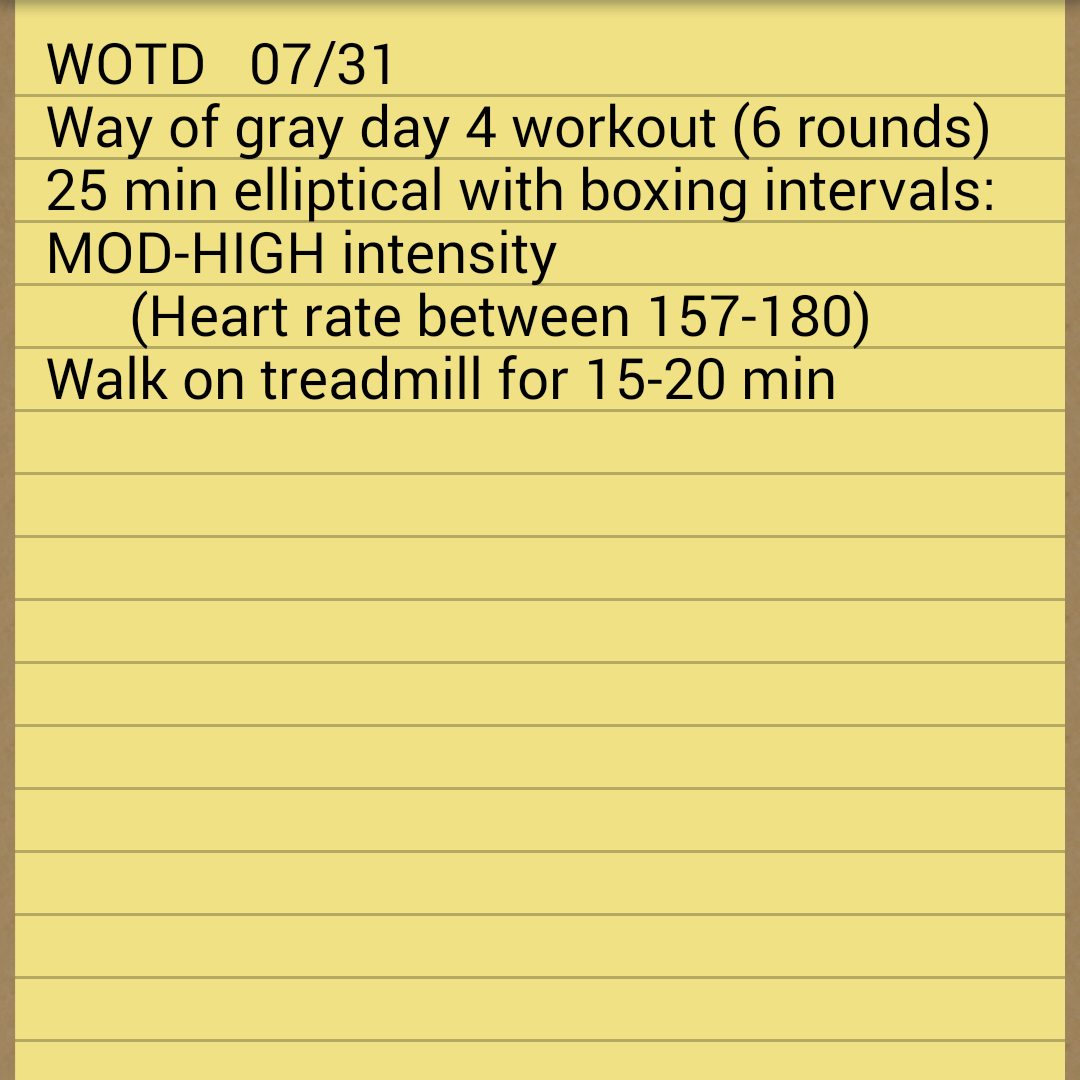
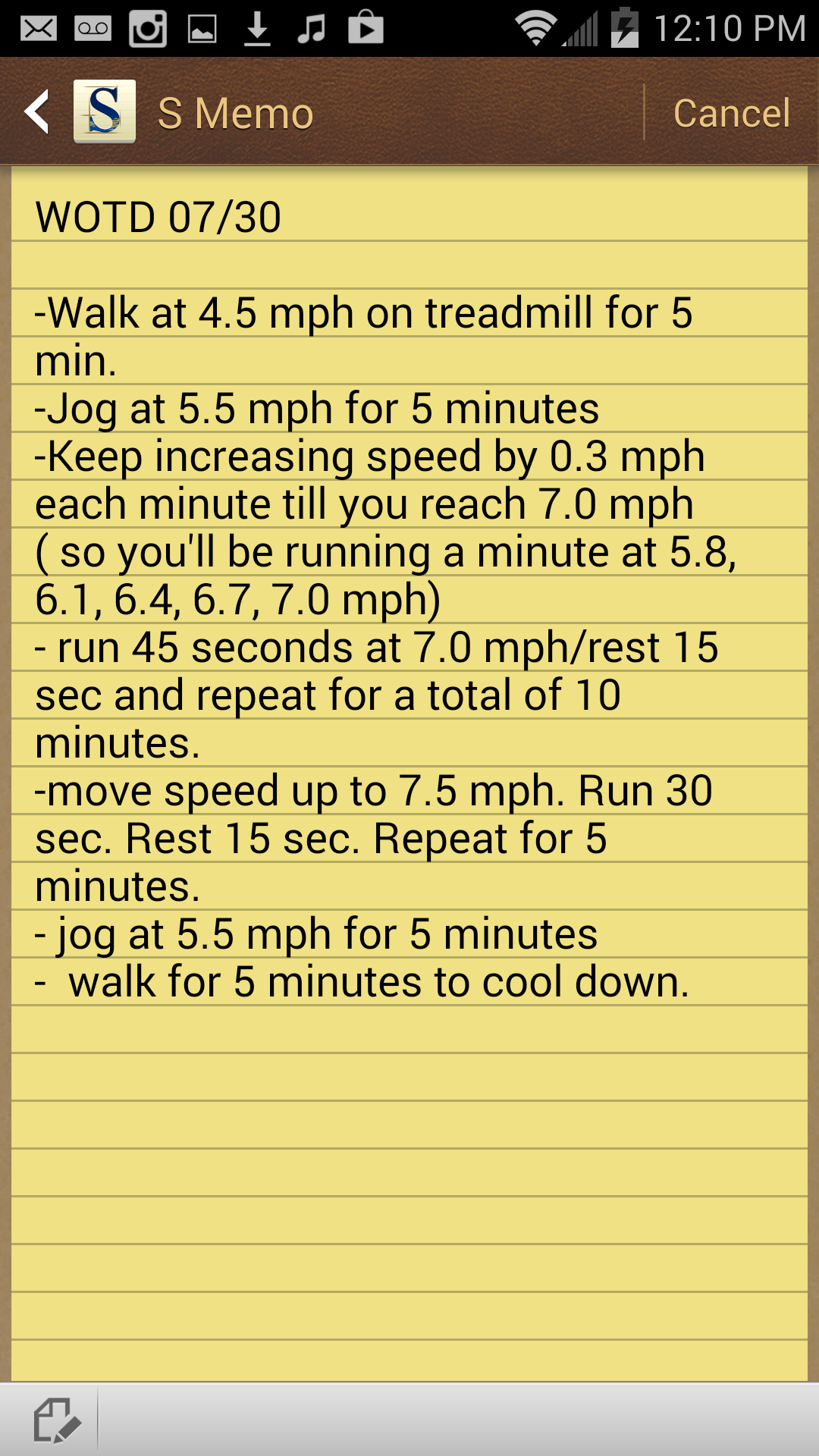
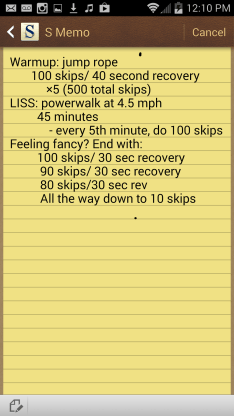
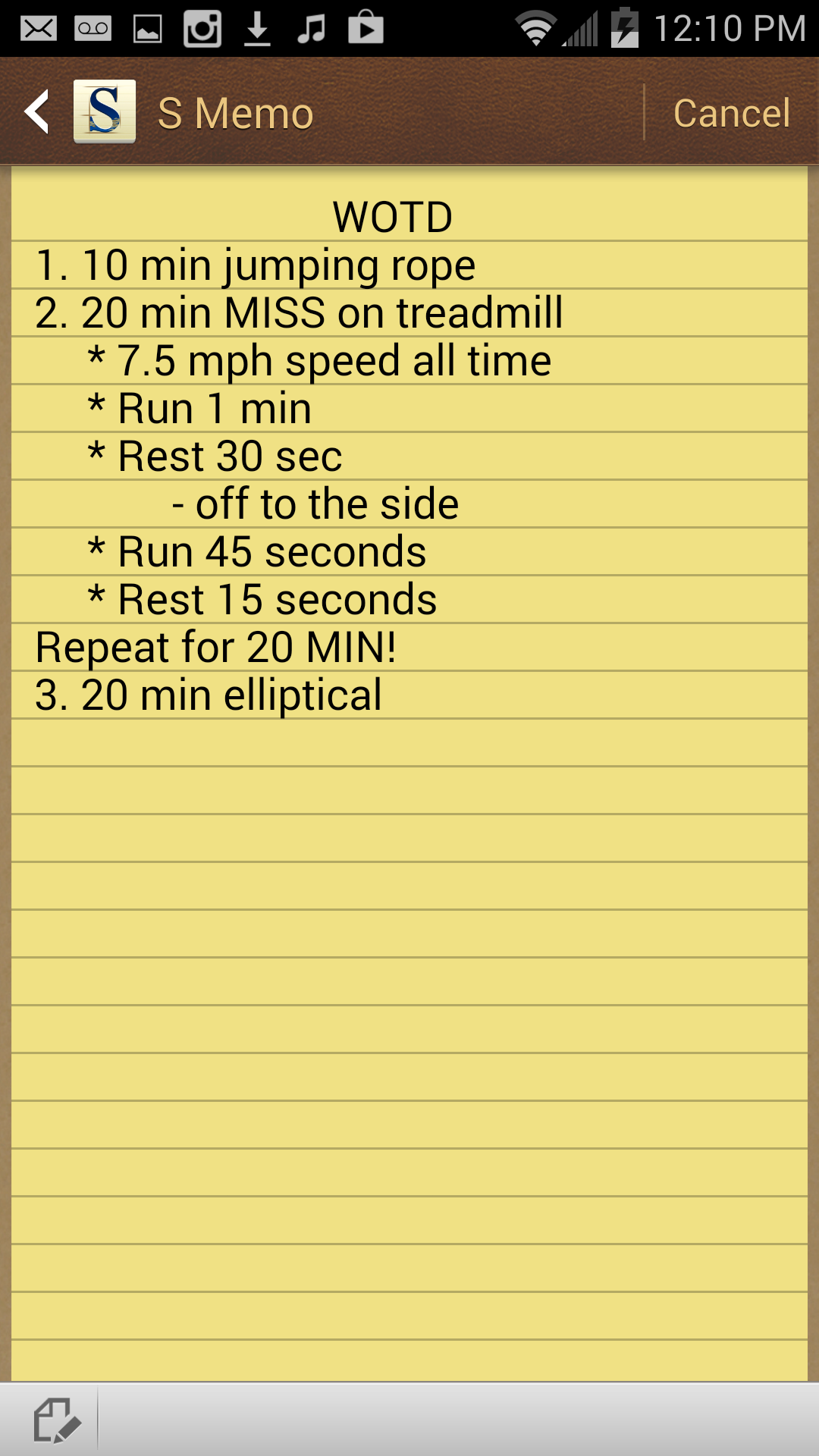
Workout of the day

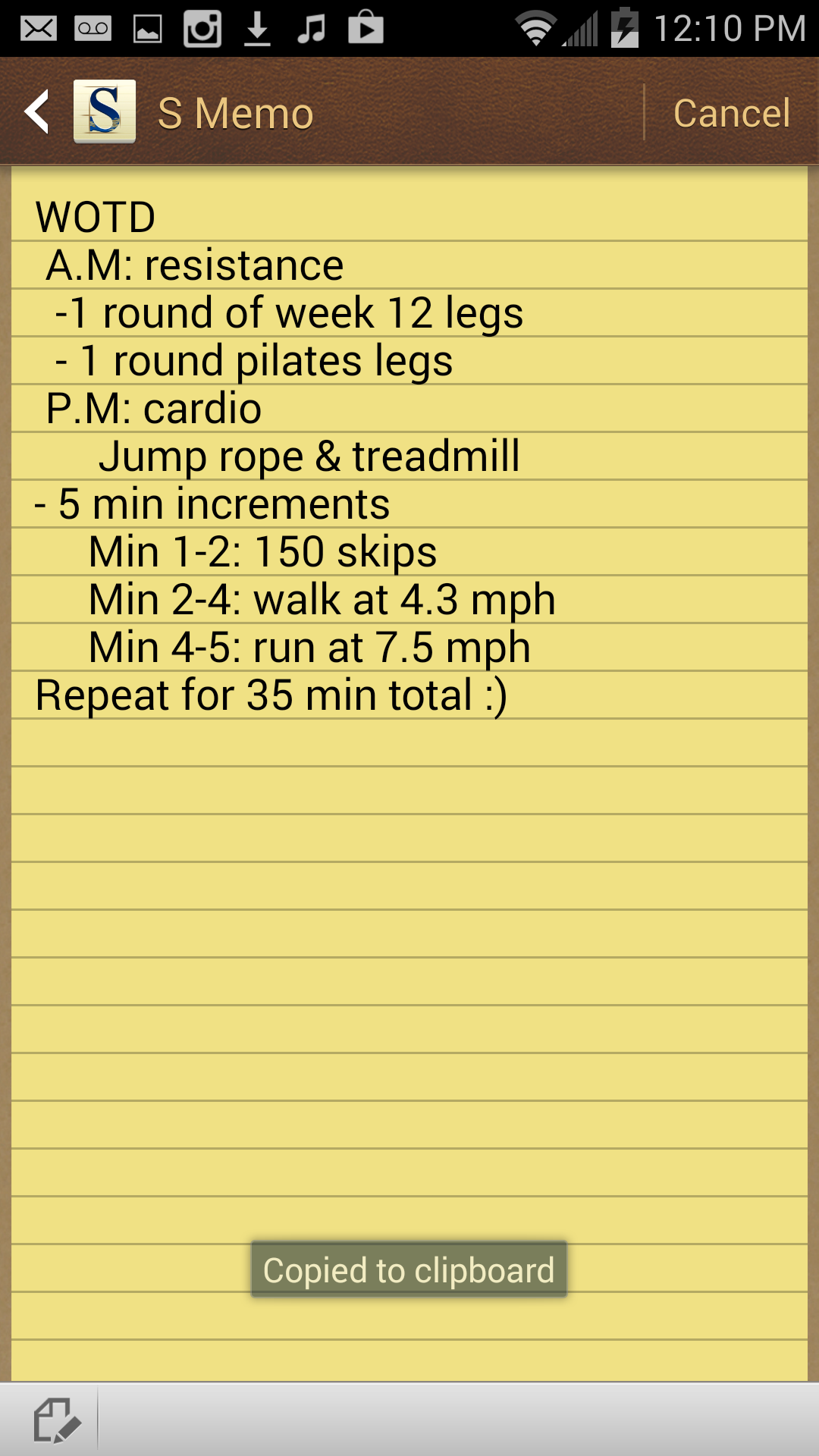
Hi ya’ll, I decided to start documenting my workouts! THIS BLOG WILL BE UPDATED REGULARLY. I will post my daily/weekly workouts on here so that you can gain new and innovative ideas regarding changing up your workout regimen.

07/31/2014

Screenshot_2014-07-31-14-57-04-1


07/30/2014

Screenshot_2014-07-30-12-10-51

Oldies but goodies

Screenshot_2014-07-30-12-10-20

Screenshot_2014-07-30-12-11-00

Screenshot_2014-07-30-12-10-27