
Are you frustrated because you’re still not seeing results?

Well, take a read of my 20 top reasons you may not be seeing results.
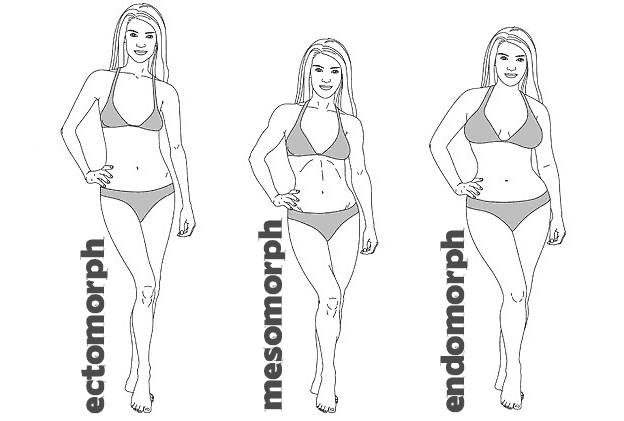
1. Unclear goals. I believe that this is the number one reason people fail to see “results.” The way the human body works is quite simple–it adapts. It will make necessary changes and adjustments in its own physiology to better adapt to whatever stresses are being placed on it. In our case, the added stress is related to how/when/how often we are training. Often times, we do a bunch of different things, in no particular order or time and expect the body to respond in a specific way. Randomness is never going to lead to a specific outcome. So my #1 tip is to figure things out. What do you want? What type of body type do you desire? Are your goals to gain strength, gain muscle, lose muscle, loss fat, etc? Once you’ve established clear cut goals, do some research on it. What types of exercises do you need to do? How often? At what rate do you add a greater load your workouts?
Now, I want to tell you guys something really exciting. Eeep are you ready?

This blog post is only the first one in a SERIES of blog posts to come. So what are my next blog posts going to be about? In light of the fact that I think most people do not get the results they desire DUE to unclear goals, my next THREE blog posts are going to be a series of tips pertaining to three distinct fitness goals
- Tips for increased muscle tone (bulking)
- Tips for simultaneous fat loss and muscle tone gain
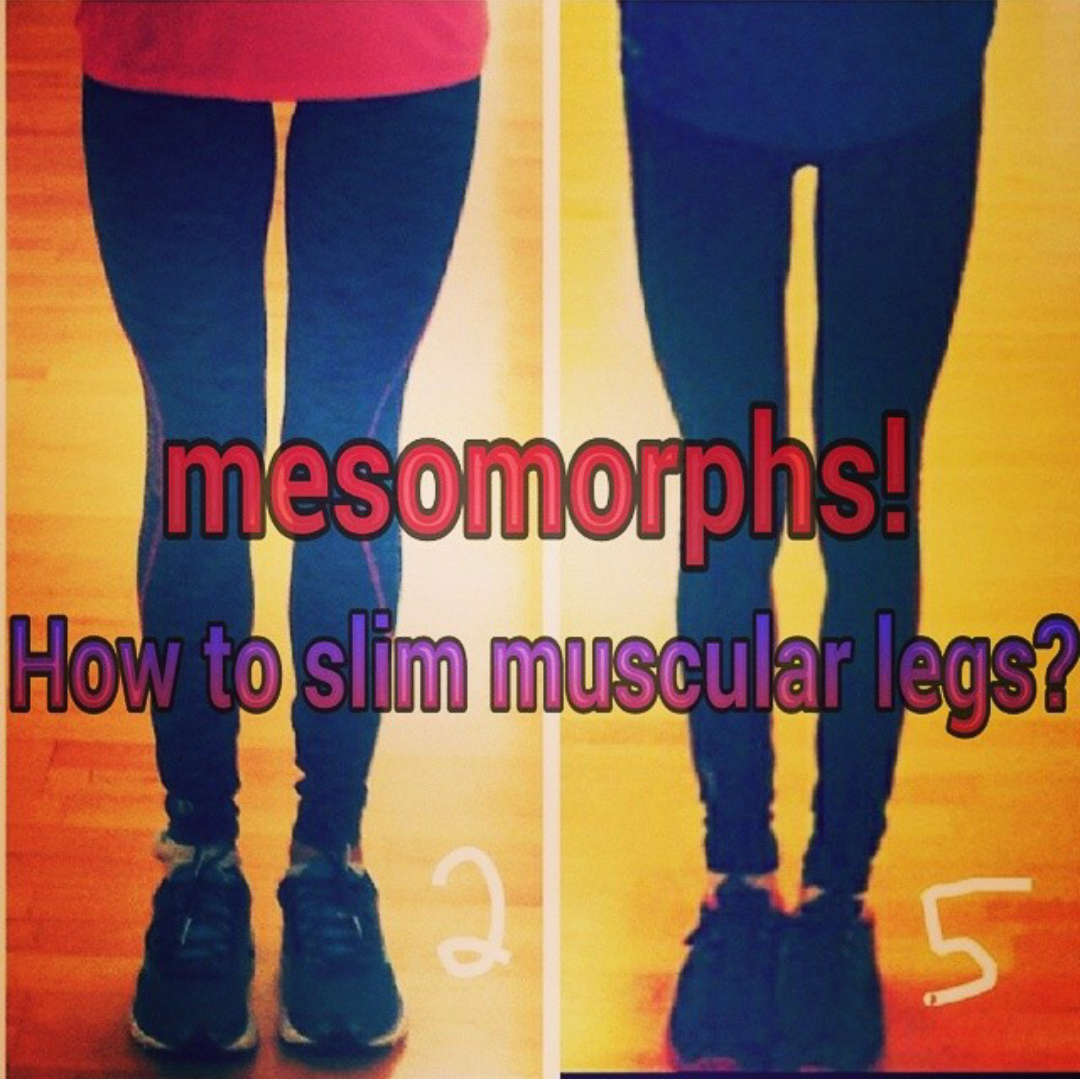
- Tips to lose weight and excess bulk
ARE YOU AS EXCITED AS THE CAT?!?! Me too!!! ❤ giggles.
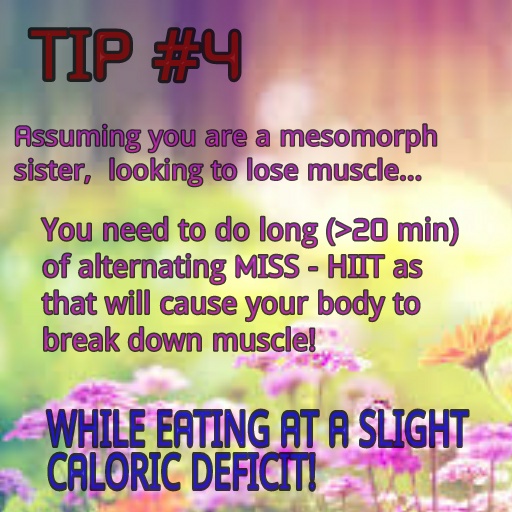
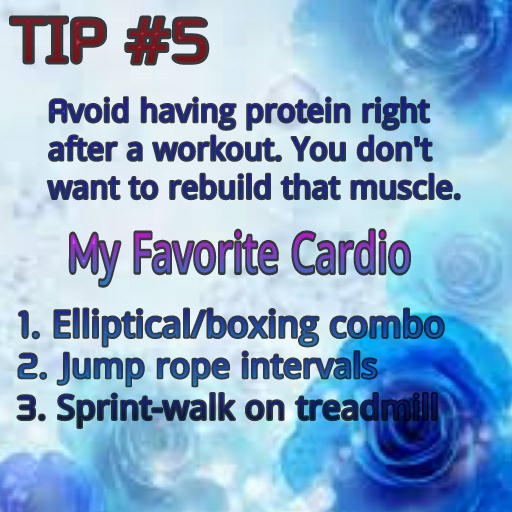
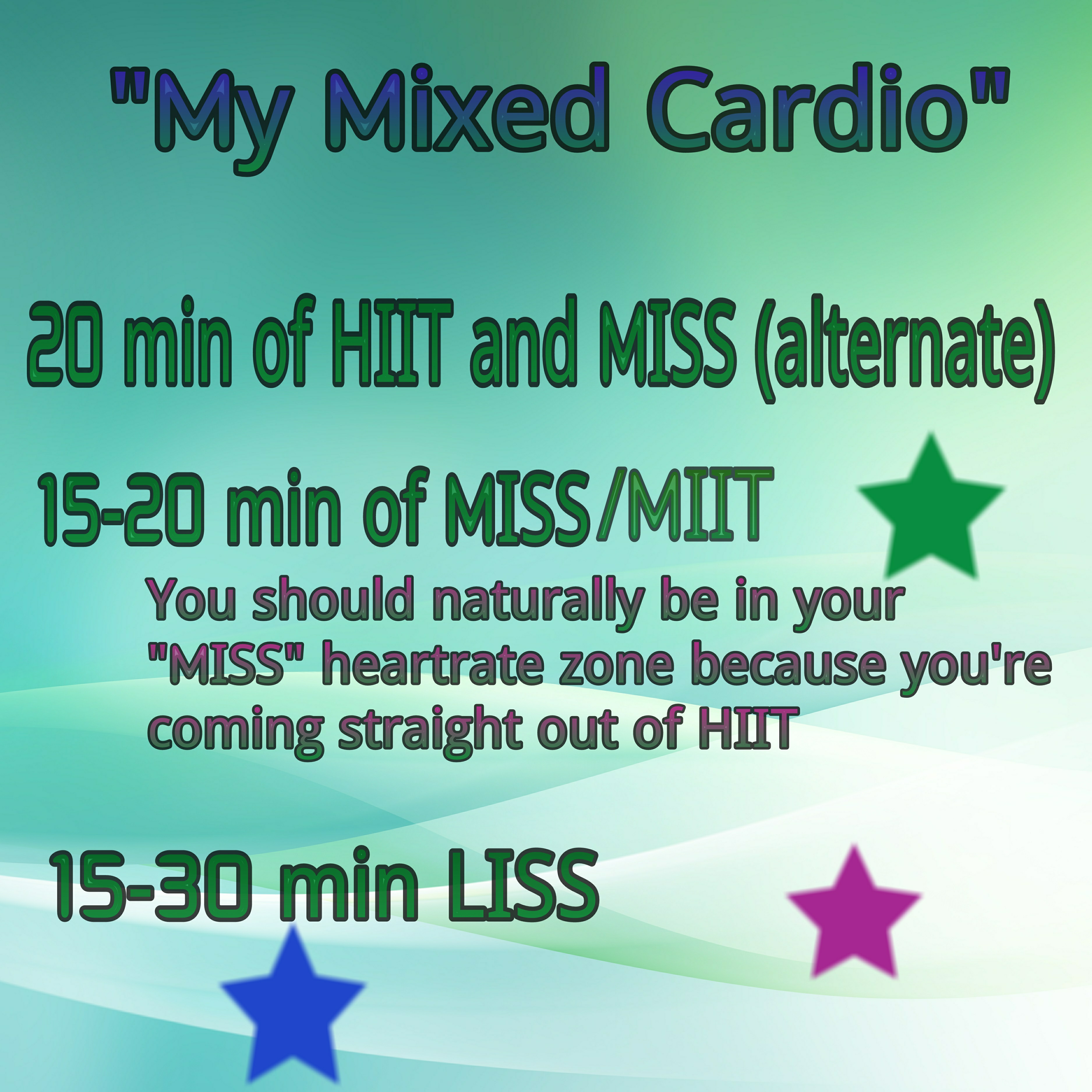
2. Misinformed post workout nutrition: you may not be eating at the proper time or the proper foods for your goals. For example, if your goal is to increase muscle tone and definition, it is a good idea for you to fuel up on an isolate protein snack within 30 minutes of a weight lifting session. On the contrary, if your goal is to lose excess bulk or muscle (ie; bulky quads), you should be avoiding ALL food at least forty five minutes after a moderate intensity cardio workout. This way the body is able to utilize the glycogen stores and then, and only THEN begin to burn through some of the excess muscle storage. More information about appropriate post workout nutrition in relation to your fitness goals will be posted in proceeding blogs.
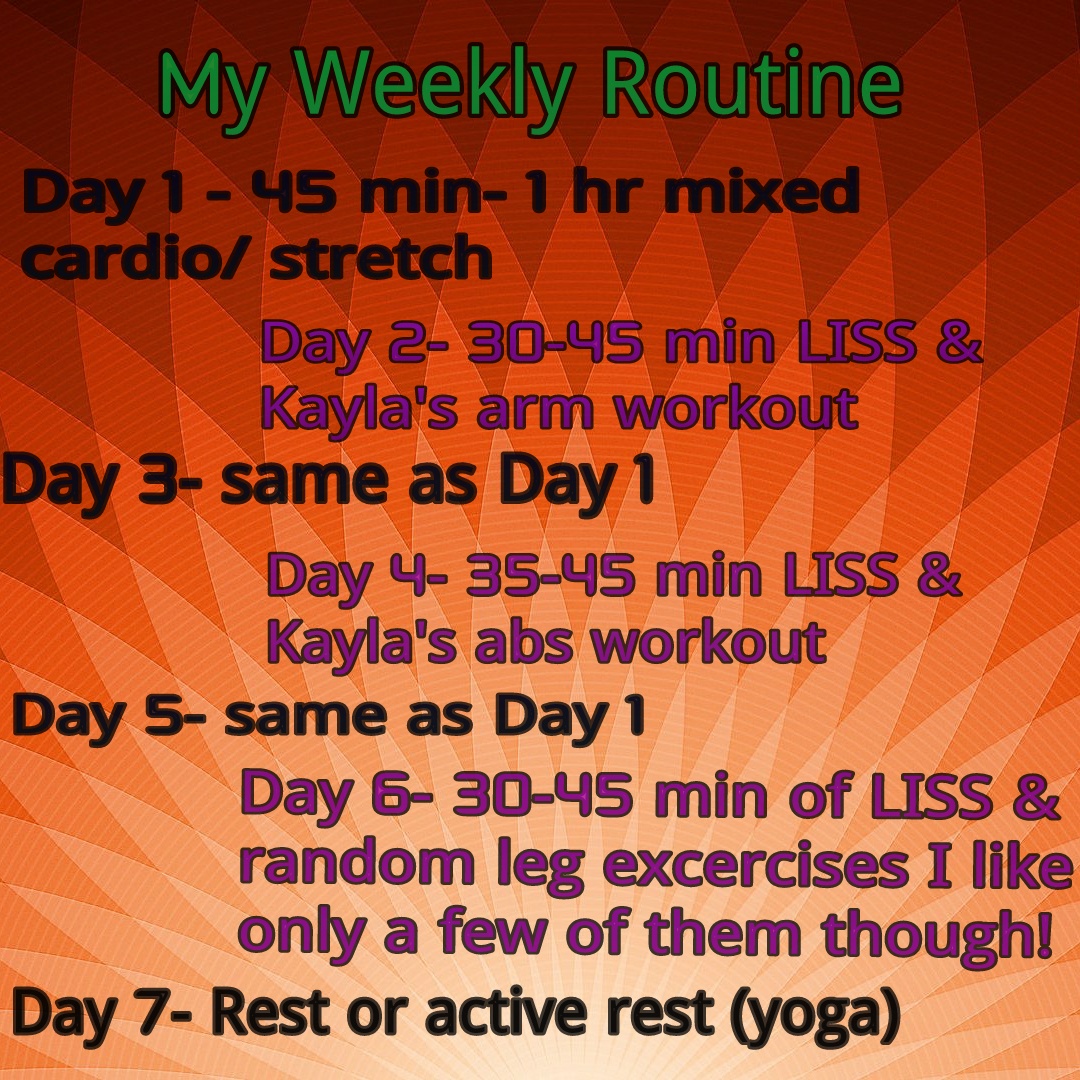
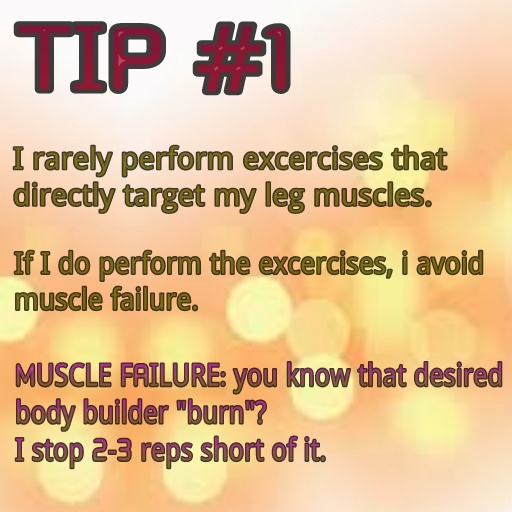
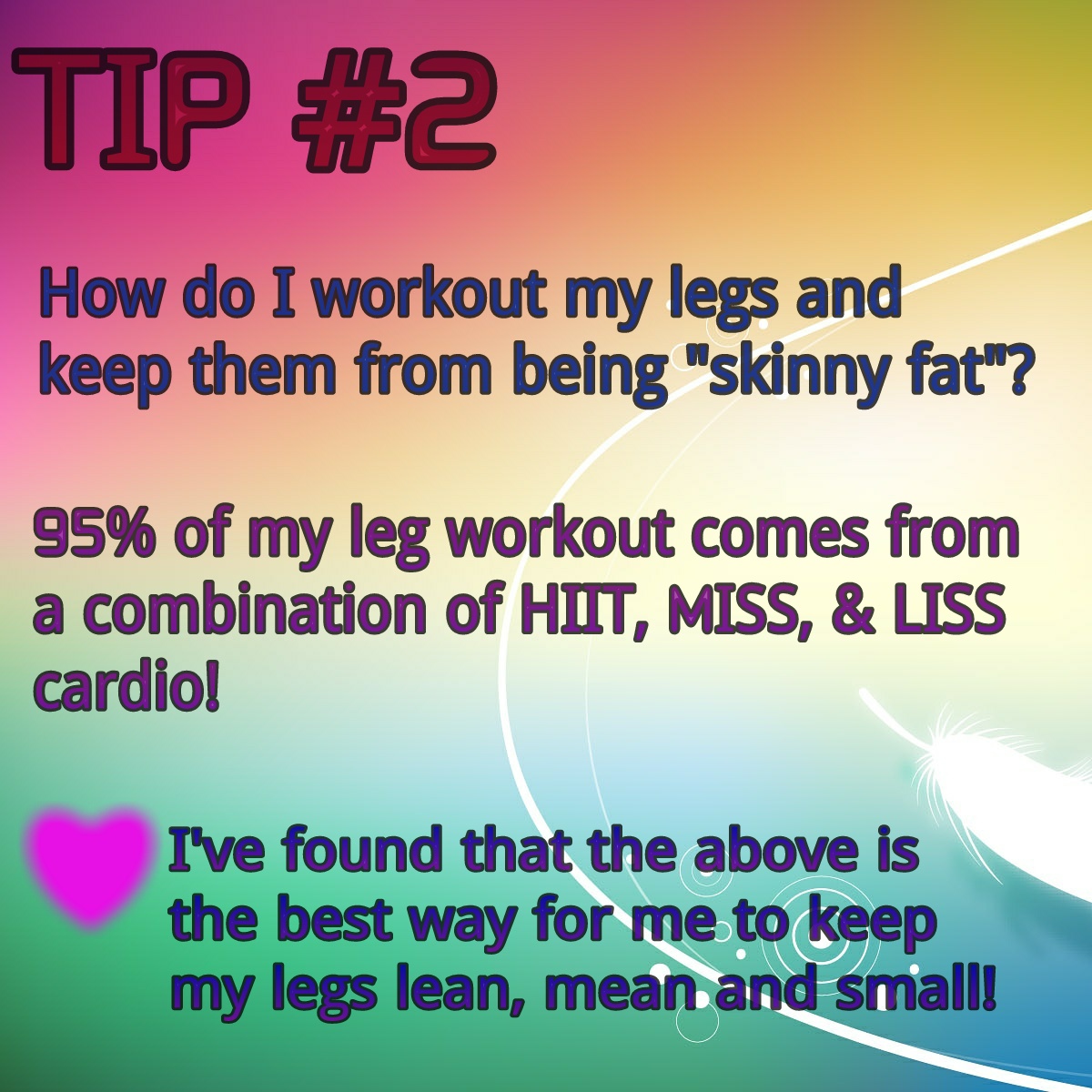
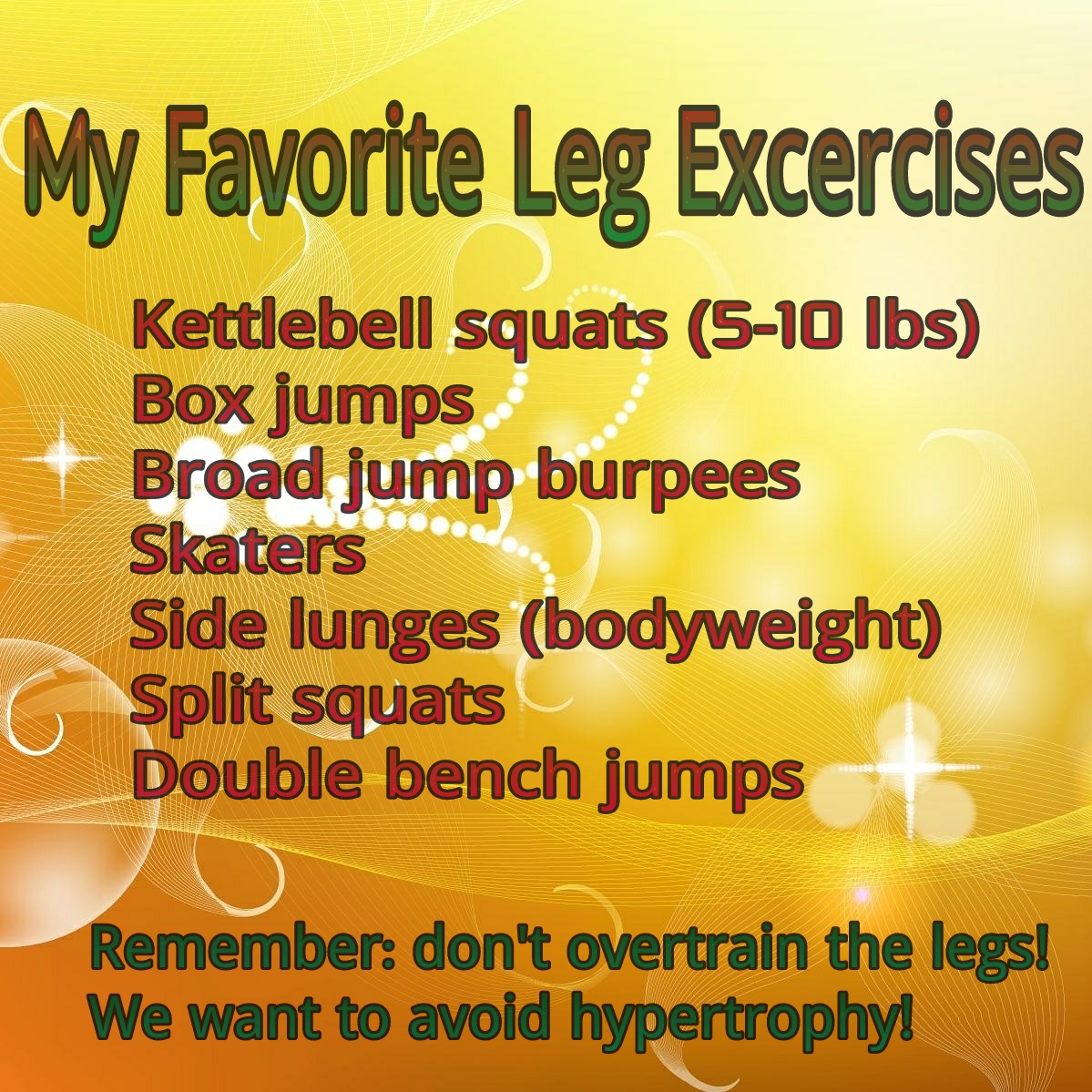
3. You are overtraining the muscle you want to see shrink. This is a close #2 mistake I see women making. Numerous research has shown that even though women do not get as “bulky” as men, their lower body is more responsive to hypertrophy than any other part. This means that some of us may end up with bulkier legs than we prefer. When this happens, so many of us run to the cardio machines (stair master, elliptical, treadmill, stationary bike etc) in an attempt to burn more calories so we can lose muscle. In theory, this may work. However, what most girls forget is the “use it or lose it rule.” Intense forms of cardio are STILL working your leg muscles. If you are doing cardio everyday, you run the risk of overtraining the very muscle you want to see shrink. “Use it or lose it” applies everywhere. Train the muscles you want to see definition in to fatigue (for me this is arms, and abs). I steer away from training my legs to fatigue as I do not want the bulkier aesthetic for myself.
4. Not drinking enough water! This may be causing you to eat more, and retain more water.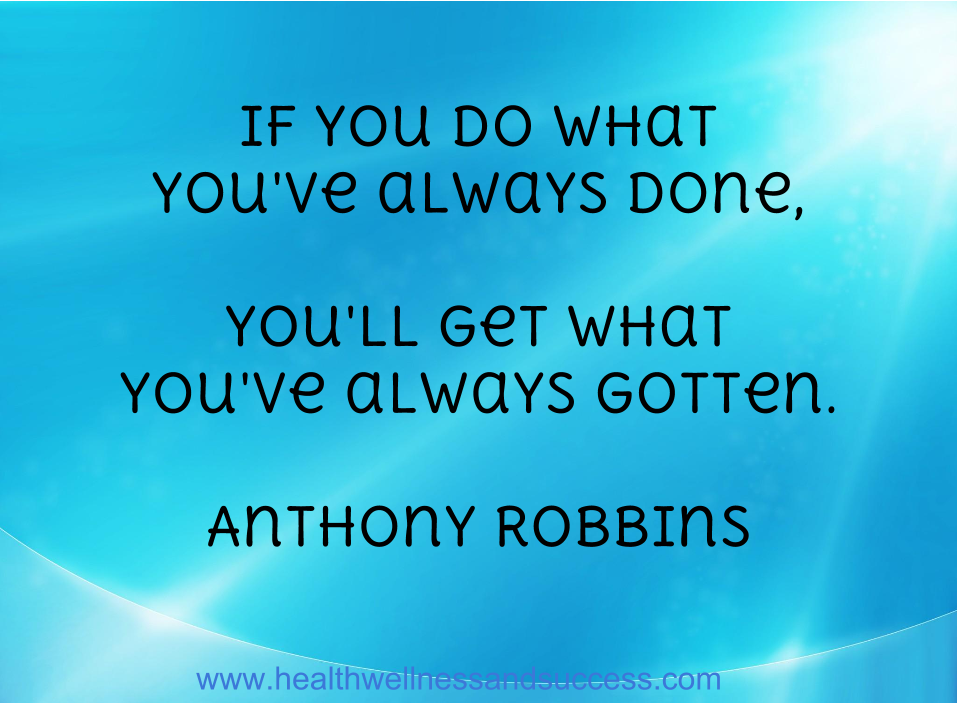
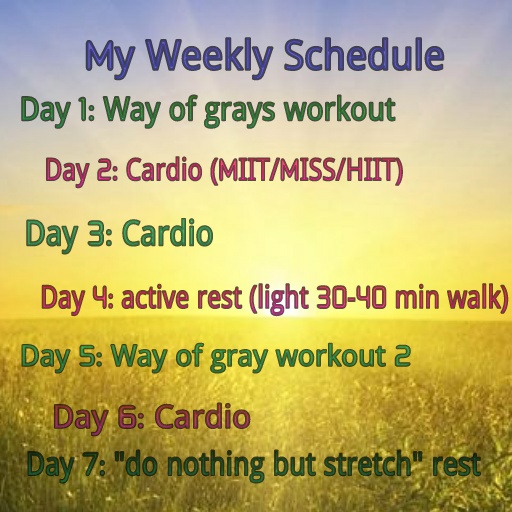
5. Doing too much of the same thing: If you do what you have always done, you’re going to get what you’ve always gotten. That Robbins was a smart cookie, eh? A lot of issues can come up in your training if you continue to do the same sort of excercise day in and day out. First, your muscles will adapt to the load and therefore, it will be much harder for you to attain a “good workout” (I mean “good” in terms of effectiveness). Lessened variety of excercises within your regimen will force hypertrophy (growth) of certain muscles and ignore other muscle groups. This means that you may have more definition in one area (the area you are training), while completely lacking definition in other areas (the areas you are ignoring). Please include cross-training in your regimen. It has saved my world. Seriously. Please. Do it!
6. Nor resting enough: the next few reasons are going to come from the same basic background: that you are putting your body under a ton of stress. When your body feels excessive physiological stress, it begins to produce higher levels of cortisol to allow conservatory metabolic changes to occur. When there is a sustained increase in cortisol levels, your body may start to hold onto food as fat stores. So where does rest come into play? Lack of adequate rest can elicit your body to begin elevating its levels of cortisol! So be careful and take a rest day. 🙂
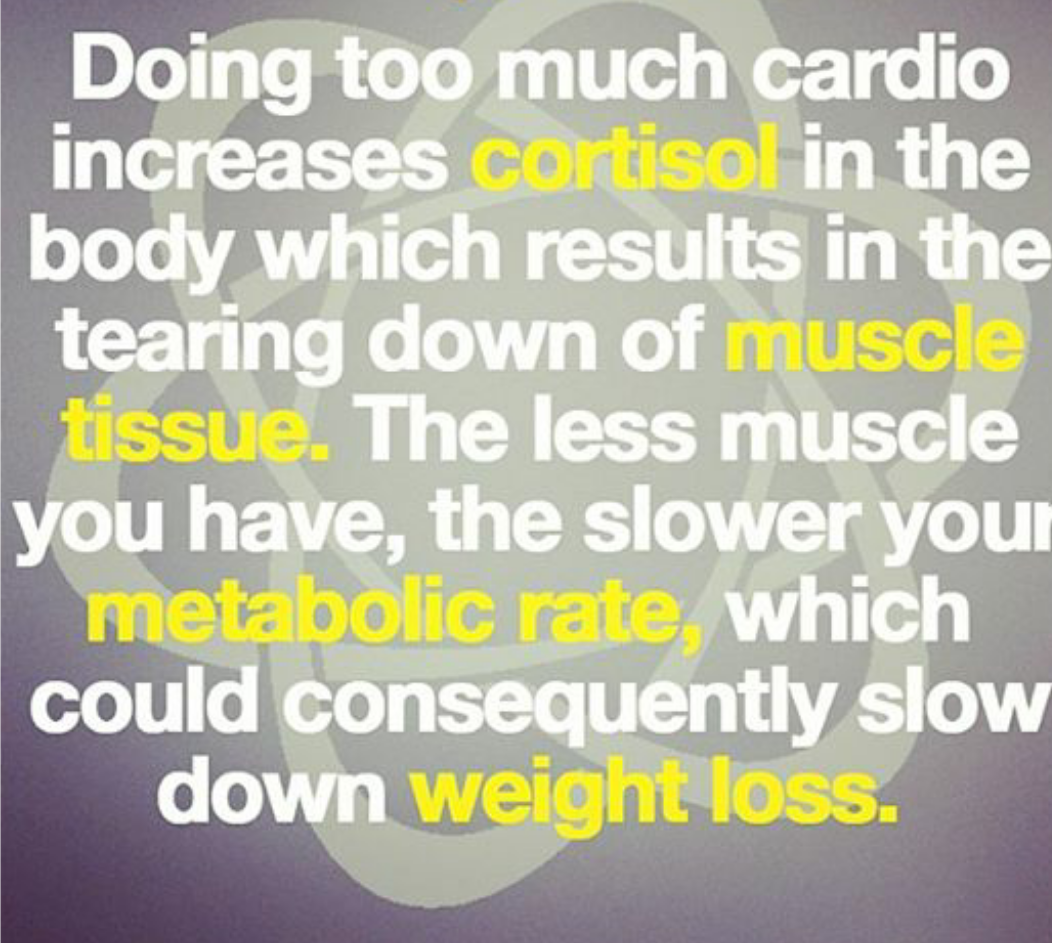
7. Creating too large of a caloric deficit: you may be working out like crazy and may have simultaneously cut your calories a little too much. Though this will eventually lead to weight loss (I’m talking months, people), the primary reaction is going to be one of stress. In fact, you are probably going to see the opposite results of what you want, initially. Your body will start retaining water like no other, which will lead to an overall “bigger” appearance as you will display signs of puffiness, inflammation and bloating. Furthermore, your body may decide to shift to survival mode and start storing everything you put in it into adipose tissue (or fat). My tip to avoid this from happening is: do as a turtle would do. Slow and steady wins the race. Also, creating too large of a caloric deficit and continuing to work out is a sure way to get injured.
8. Not getting enough zZzZzZz: Let’s talk sleep. If you are not getting enough sleep, you are putting your body in the “elevated cortisol” phase once more. It is under stress, and consequently, it’s going to start retaining water, become inflamed and react as if it is under attack. Also, as you all know, staying up at night can lead to binging on extra snacks, which may not be the best, depending on your fitness goals. So please don’t trade sleep for working out. It may be counteractive.
9. Getting too much sleep: Ah. Here’s that “moderation is key” mantra again. Too much sleep can affect your results too. 6-8 hours per night is optimal. Any more than that and you risk entering a robotic phase of what I like to call “sleep coma.” You know what I’m talking about. Those days where you feel entirely lethargic and tired throughout the day even though you slept a million hours. Getting too much sleep throws off your body’s natural circadian rhythm, pushing it off balance. We don’t want this.
10. Not instilling a proper warm up or cool down: When you are getting into the gym, chances are you haven’t been training for a marathon the whole day. This means that your muscles have been in a static phase. They need time to become “warm” and ready to go. So please take AT LEAST (and I mean, at the very least) 5 minutes to warm up the muscle group you are planning to work out. I, personally, take about 10-15 minutes to conduct a full body warm up. Numerous studies have shown that a proper warm up can also aid in injury prevention. AFTER you are done with your workout, a cool-down needs to take place. Your heart will be pumping blood like crazy; everything is rapid, and your blood vessels are dilated keeping your body at a hyper-alert stage. It is important to take time to cool down, and allow your body to return to homeostasis. A proper cool down can ensure that you don’t faint or begin to feel sick after your workout. Personally, I like to cool down for about 10-15 minutes– until my heart rate gets down to 100 level.
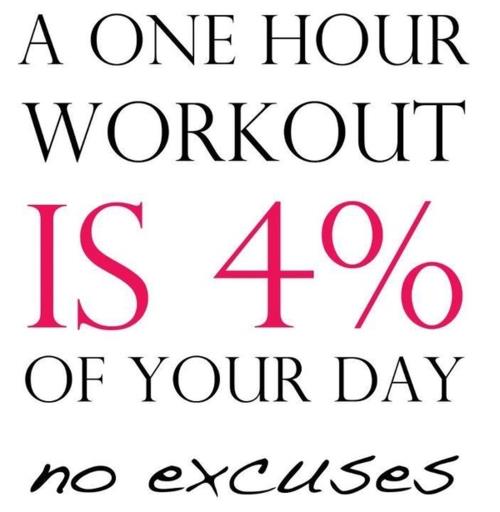
11. Overestimating expenditure: You’ve probably heard the saying– “a one hour workout is just 4% of your day.” Though this statement is meant to motivate, it does hold subtly important information. A one hour workout, regardless of the intensity, is just 4% of your day. A lot of us are guilty of going to the gym, giving it a 110%, and then remaining completely stationary for the next 23 hours. This can lead to an overestimation of expenditure, or how much we think we are burning. The more you move, the more you burn. For an average-sized woman, a one hour shopping spree (walk at the mall) can result in an additional caloric loss of 300-400 cal. My advice to you is: try not to remain stationary the entire day. I know that workouts are tough. Sometimes, you just don’t want to move after them. It is okay to sit/lay for a little bit to recover. However, try to stay on your feet most of the day and move around 🙂
12. Not tracking your food intake. This can lead to an underestimation of how much we are truly eating. Truth be told, calories are hard to burn. They really are. But they are so EASY (and yummy) to ingest. Regardless of your goal, I think it may be a good idea to track your food intake for a few days to see how much you are really eating. This way, you can tweak your workout program and nutrition regimen to optimize results. On a side note, PEOPLE! DRINKS COUNT AS CALORIES TOO. A few lattes from starbucks per day can result in anywhere from a 600 to 900 calorie gain.
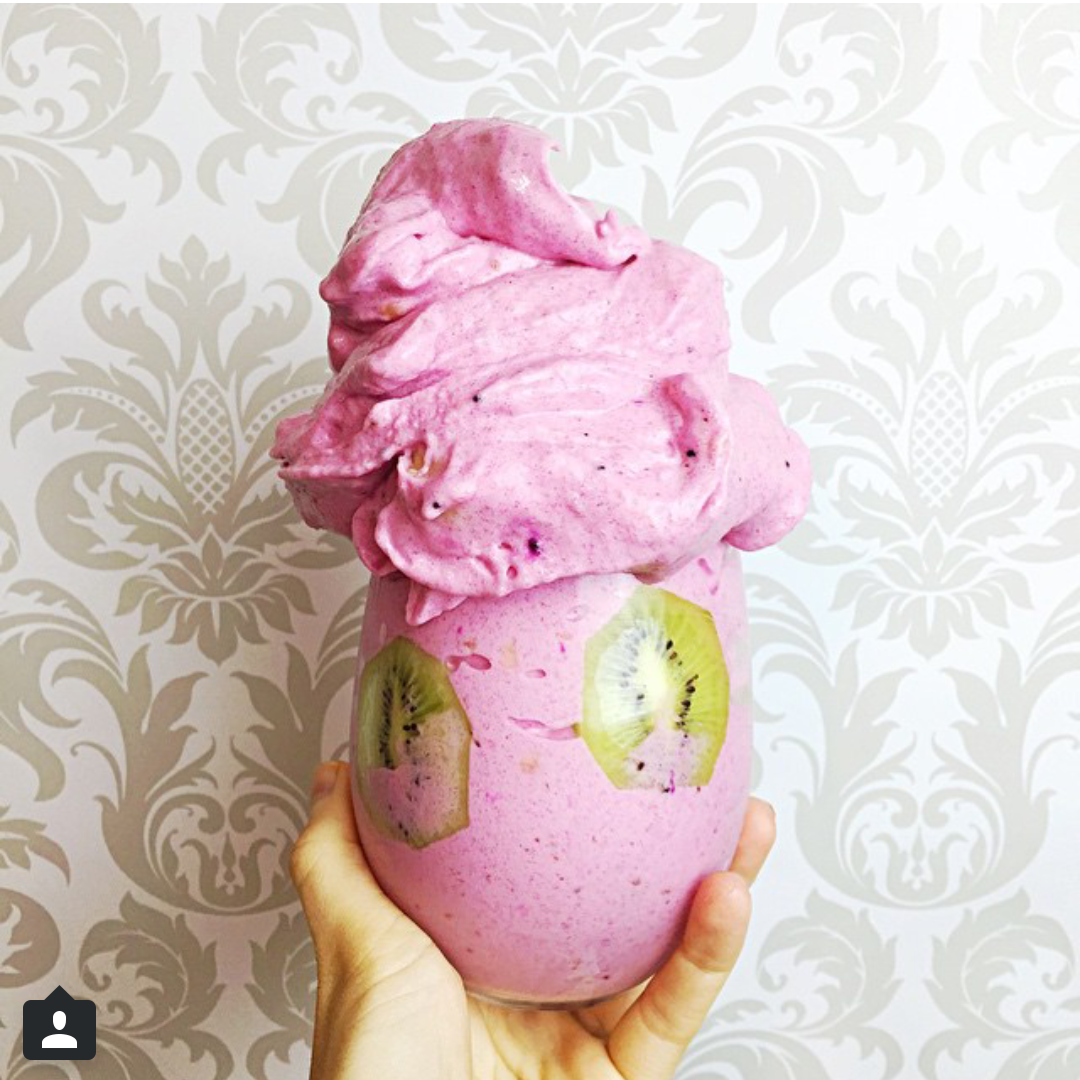
13. Not having proper meals. Are you snacking all day? Every few hours? Yes, there has been research done that demonstrates that snacking frequently can rev up your metabolism, allowing you to burn more throughout the day. Though that is true, most people forget to mention the flip side of this phenomenon! When you “rev” up your metabolism with a snack, it means that your body is probably going to feel hungrier and want MORE food. So unless you have the discipline and self-control of a superhero, I recommend that you stick to 3 proper meals, and snack 2-3 times a day.
14. Yo-yo dieting and random working out: Like I said before, randomness will never lead to specificity. If you are not consistent in your method, you are not going to see consistent results. Doing too much, too often throws your body into confusion. So though, some variety is good, too much variety is chaotic. It will take a little bit of time for you to find that balance for you, but I promise, through practicing gentle curiosity and patience, you will discover it.
15. Rewarding yourself with food: There are so many things wrong with that statement. I literally cringed as I typed it up. First of all, food is not a reward. The mentality of using it in a punishment/reward system is very risky. This type of thinking is the root backbone of eating disorders, and compulsive eating behaviors. So, no, food is not a reward. You are not a pet who needs to be bribed with a “treat” to conduct a certain task. Food is fuel. It is a necessity that you need to sustain yourself and all the wonderful things that you accomplish. Please don’t use working out as a means to allow yourself certain foods. Coming from that place of motivation is highly stressful and distorted. (alright, alright, I am getting off my soap box now).
16. Sipping on popular sports drinks during workout: The popular marketed sports drinks are high in calories and sugar. Depending on the drink, you may, literally, be drinking all the calories you are burning. So take notice of what you put in your body. If you tend to get dizzy and want to make sure that you are replenishing your electrolytes, I would stick to plain water, and just mix in a packet of Emergen-C powder!
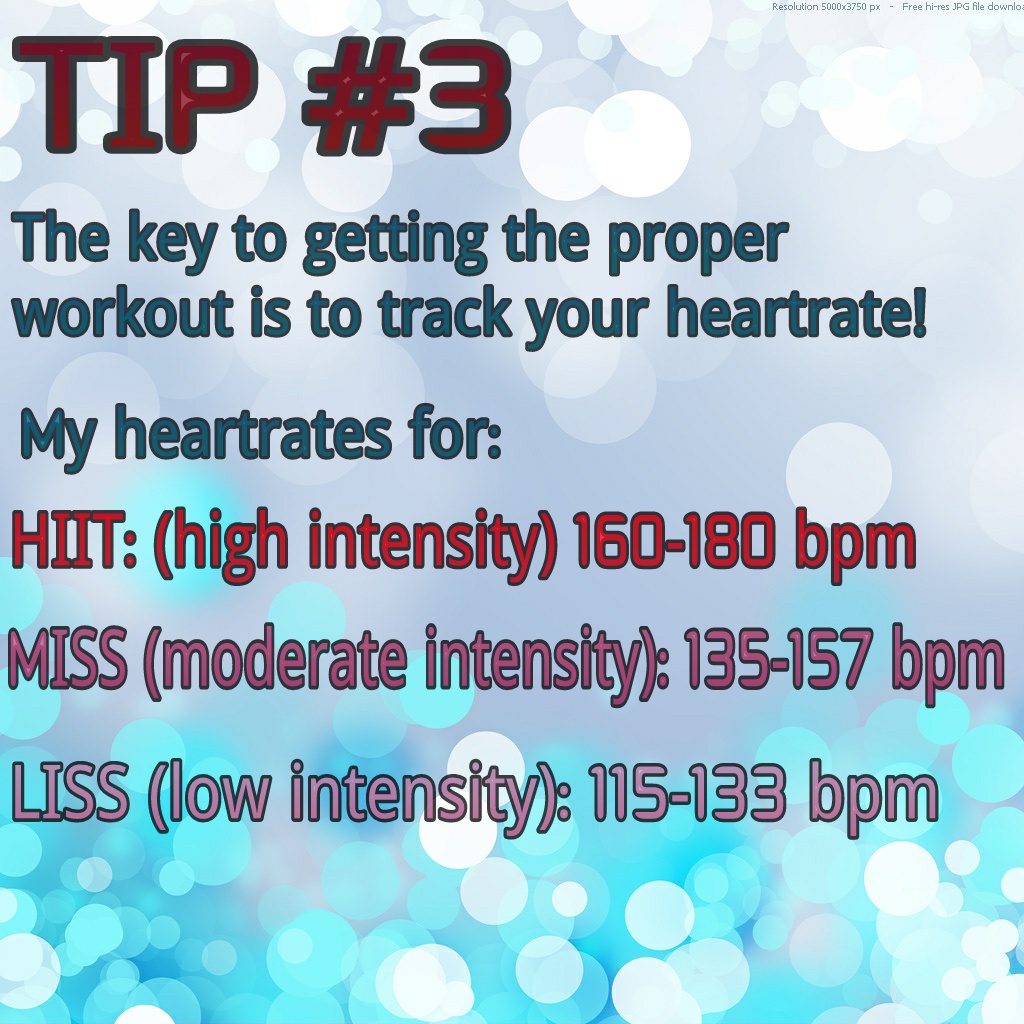
17. Taking too many breaks during your workout: Sometimes, we work out really hard for 5 minutes, and then start to look at our phone–“oh look, our best friend texted us with a funny picture of a cat eating noodles. Haha, how cute! We need to reply to this. Wait, why just reply in a text message? Let’s one up her! Let’s google funny pictures of cats and find an ubber hilarious picture and send it to her!” 15 minutes later…you’re still on that phone. Sound familiar? Put that phone down!!! Heart rate is changing number ya’ll. In order for it remain elevated, it needs to be maintained with consistent activity. Let’s make the most out of the 30 minutes-1 hour we are dedicating to ourselves and our bodies at the gym.

18. Got (no) patience? : So many of us need immediate gratification. We need to see those changes! And when we don’t, we are quick to walk out on the process. This is one of the simplest reasons we may not see results. If we’re not sticking to working out and seeing the process through, we’re not going to get the results. Sucks how that works, right?
19. Not listening to your body: On the contrary, you may not be listening to your own body . Are you trying really hard to make yourself into another transformation? In that process, you may be neglecting what your body is telling you. The truth is that you are not the same person as any of the other girls in the “transformation pictures.” No, I don’t care if your body may resemble hers. You are NOT her. This means that no work out program is going to be smarter than your own body. If a regimen that’s supposed to make you lose weight is actually making you gain weight, then you may want to change it up. But so often, we just keep going— hoping that with enough time, it will magically make us lose weight. The entire time, we ignore the signs that our body gives us. So, let your body be the primary judge–your primary guide. If you are hyper-vigilant and super aware of your body, you should see SOME change in 4 weeks. If it takes you a little bit longer to notice changes, you should see some by 6 weeks for sure. Again, notice that I said some results. They are probably not going to major life changing ones, but they should be enough to give you insight on how your body is responding to a certain regimen.
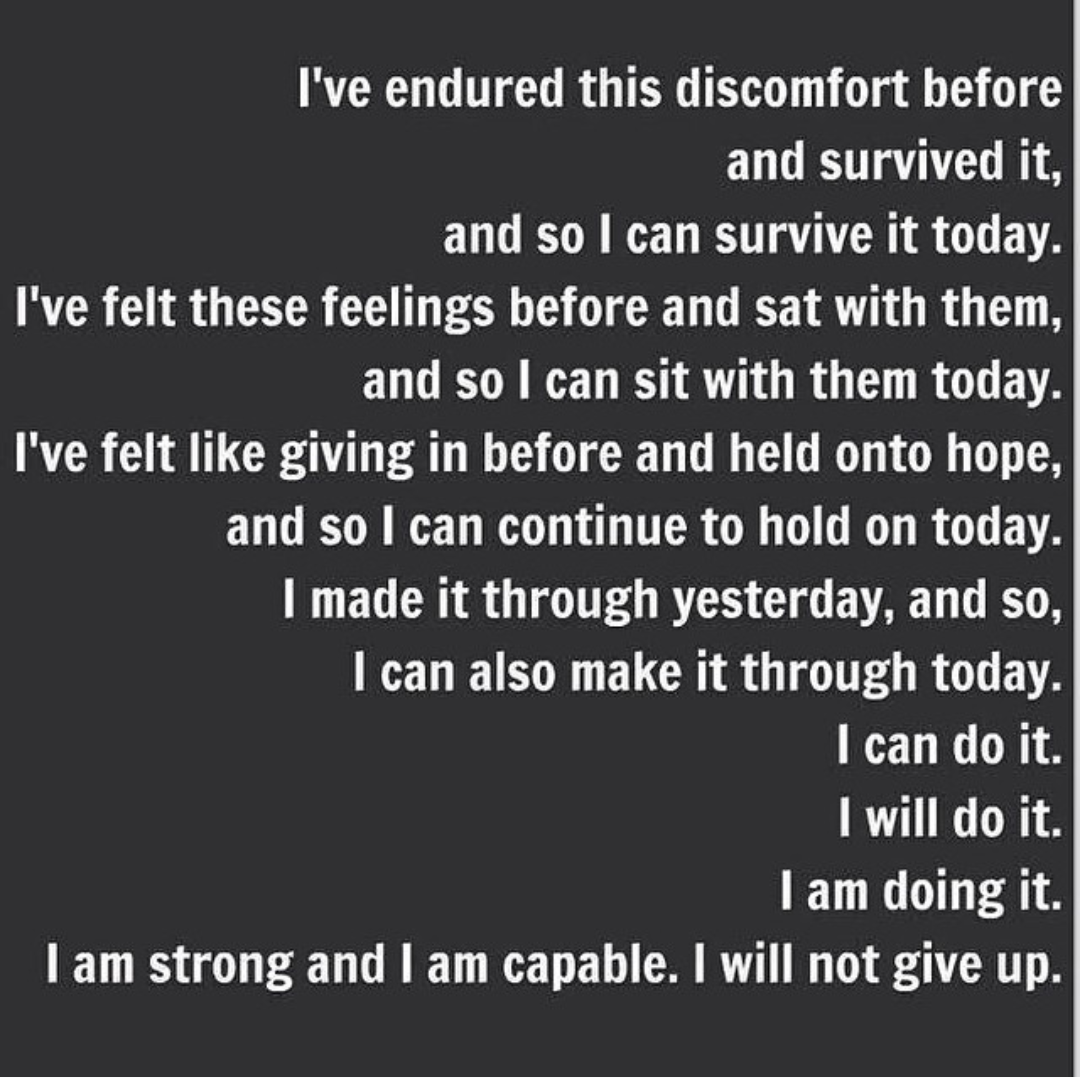
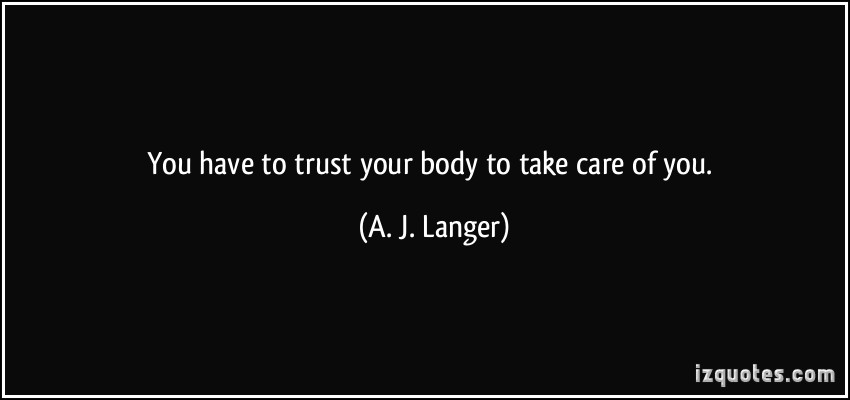
20. Don’t forget to love yourself: Alright, so this tip may not be the most “scientifically” correlated with seeing results, but I had to put it in here! It would feel inauthentic if I didn’t! 🙂 Take time to love yourself throughout the entire process–through the injuries, the messups, the falls, the small victories, the big wins, and all the rest. You are trying and you are human. This means that you are going to get there a little bit a time, not all at once. Take time to honor your body and what it can do for you, and most of all, trust it 🙂 It does so much to support you!
I love you all so much! I hope this was helpful ❤
And don’t forget, this was just the first post in a series of posts to come. Watch out for these next three blogs ❤
- Tips for increased muscle tone (bulking)
- Tips for simultaneous fat loss and muscle tone gain
- Tips to lose weight and excess bulk

❤






 abidmaham